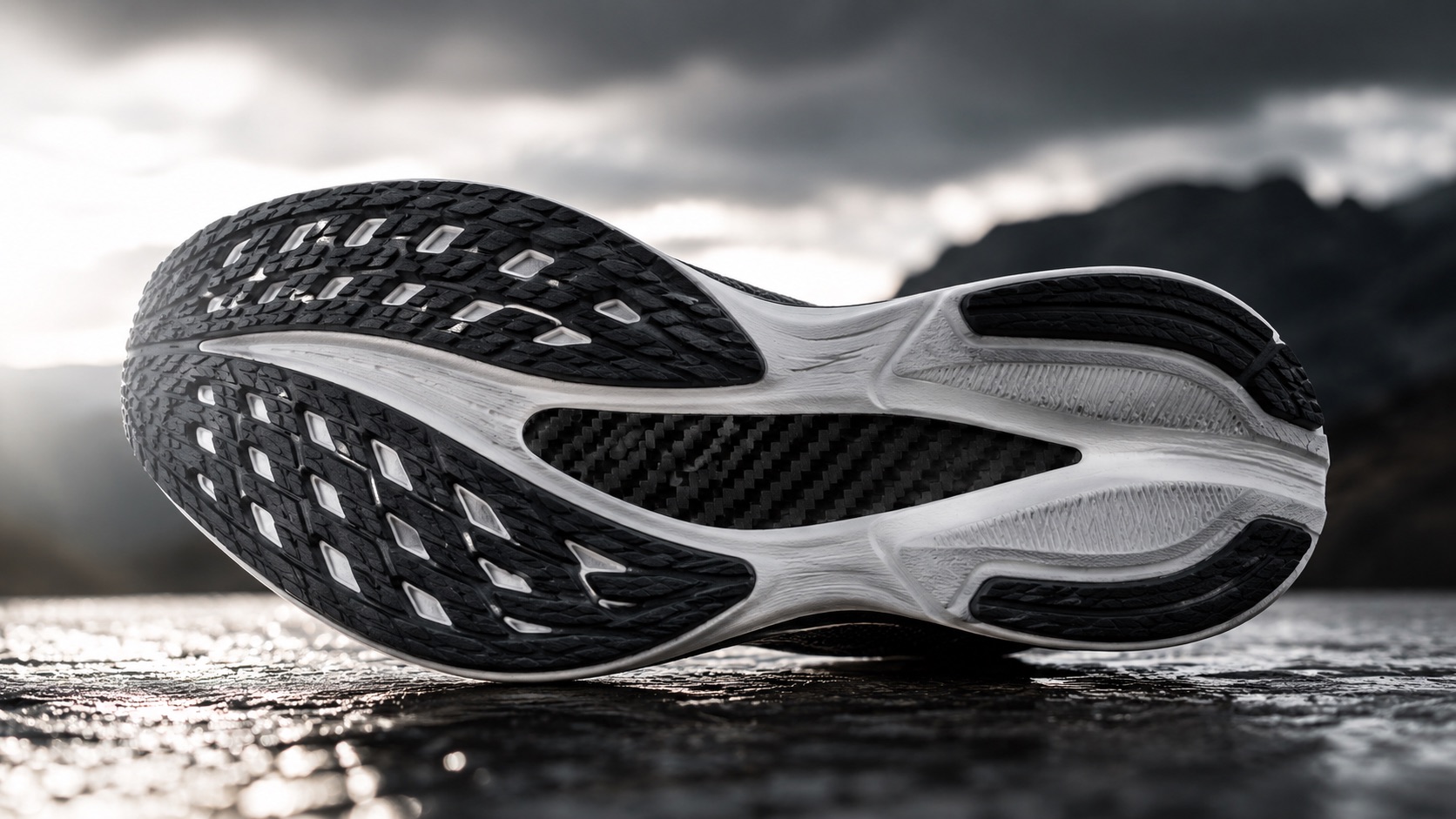
Best Running Shoes for Knee Pain 2026
Knee pain is the number one complaint among runners. Whether it’s runner’s knee (patellofemoral pain), IT band syndrome, or just general aching after longer efforts, the right shoes can make a genuine difference. Not a miracle cure - let’s be honest about that - but a meaningful reduction in the forces hammering your joints with every stride.
I’ve spent years testing shoes while dealing with my own knee issues, and I’ve talked to dozens of runners who’ve found relief by switching footwear. The common thread? More cushioning under the heel, appropriate stability for your gait, and a shoe that doesn’t fight your natural mechanics.
Here’s what actually matters when you’re shopping for knee-friendly running shoes, followed by the five best options available in 2026.
What Makes a Running Shoe Good for Knee Pain?
Before diving into specific models, let’s talk about what features actually reduce knee stress:
Cushioning thickness matters. More material between your foot and the ground means more energy absorption before impact reaches your knee. This is why maximalist shoes have become so popular among runners with joint issues. The research supports this - studies have found that highly cushioned shoes reduce knee loading rates by 11-15% compared to minimal shoes.
Heel-to-toe drop plays a role. A moderate drop (8-12mm) tends to shift loading away from the knee and toward the ankle/calf. For most runners with knee pain, this is favorable. Zero-drop shoes can increase knee loading, which is the opposite of what you want.
Stability vs. neutral depends on your mechanics. If your knee pain comes from overpronation (your foot rolling inward excessively), a stability shoe with a medial post can reduce the rotational forces on your knee. If you’re a neutral runner, extra stability features might actually create new problems.
Weight and responsiveness. A lighter shoe means less energy expenditure per stride, which means less fatigue, which means better form late in runs when knee pain typically flares up. But don’t sacrifice cushioning for weight savings.
Stack height. Higher stack = more material to absorb impact. Simple as that. The tradeoff is reduced ground feel and potentially less stability on technical terrain.
The 5 Best Running Shoes for Knee Pain in 2026
| Shoe | Price | Cushion Level | Drop | Best For |
|---|---|---|---|---|
| HOKA Bondi 9 | $165 | Maximum | 4mm | Maximum impact protection, heavier runners |
| Brooks Glycerin 21 | $160 | High | 10mm | Plush daily training, neutral runners |
| ASICS Gel Kayano 31 | $160 | High | 10mm | Overpronators with knee pain |
| New Balance Fresh Foam More v5 | $165 | Maximum | 4mm | Wide toe box, maximum cushion |
| Brooks Adrenaline GTS 24 | $140 | Moderate-High | 12mm | Mild stability, budget-friendly |
HOKA Bondi 9 - Best Overall for Knee Pain
The Bondi has become almost synonymous with “knee-friendly running shoe,” and for good reason. It packs more foam underfoot than nearly any other road shoe on the market. The compression-molded EVA midsole with the signature HOKA Meta-Rocker geometry creates a smooth rolling transition that reduces braking forces at heel strike.
What I notice running in the Bondi 9 is that my knees simply don’t take the same beating they do in lighter shoes. On 10+ mile runs where my knees usually start complaining around mile 7, I can often finish without issues in these. The tradeoff is that they feel heavy and a bit clunky for faster work - this is a daily training shoe, not a racer.
The 4mm drop is low for a max-cushion shoe, but the sheer volume of foam underneath compensates. Your heel still sits significantly higher off the ground than in most shoes with a 4mm drop because of the massive stack height.
Who it’s for: Runners who want maximum impact protection and don’t mind a heavier, less responsive ride. Particularly good for heavier runners who generate more ground reaction forces.
Brooks Glycerin 21 - Best Plush Neutral Trainer
The Glycerin is Brooks’ premium cushioned neutral shoe, and the 21st version might be the best yet. The DNA LOFT v3 midsole delivers a soft, plush landing that absorbs shock beautifully without feeling mushy or unstable.
What sets the Glycerin apart from the Bondi is the 10mm drop. That higher offset naturally reduces knee loading by shifting some stress to the calf and Achilles. For runners whose knee pain is the primary concern (and who don’t have Achilles issues), this is actually an advantage.
The upper is incredibly comfortable - soft engineered mesh with minimal internal overlays. It fits true to size with a roomy toe box. At 10.6oz for men, it’s heavier than a daily trainer like the Pegasus but lighter than the Bondi.
Who it’s for: Neutral runners who want a plush ride with moderate drop. Great as a daily training shoe that happens to be gentle on knees.
ASICS Gel Kayano 31 - Best Stability Option
If your knee pain is connected to overpronation - and it often is - the Kayano 31 deserves serious consideration. ASICS has refined their stability platform over 31 iterations, and the current version uses a 4D Guidance System that controls pronation without feeling like a brick strapped to your foot.
The FF BLAST PLUS foam is lighter and bouncier than previous Kayano midsoles, and the rear GEL technology units provide additional shock absorption right at heel strike where knee-loading forces peak. The combination of stability control and premium cushioning addresses knee pain from two angles simultaneously.
I find the Kayano works best for runners who notice their knee pain is worse on one side, or who’ve been told by a physio that their pronation mechanics are contributing to their issues. If you’re a neutral runner, this shoe will likely over-correct and could create different problems.
Who it’s for: Moderate to severe overpronators with knee pain. Also excellent for runners with flat feet who need both support and cushioning.
New Balance Fresh Foam More v5 - Maximum Cushion Alternative
New Balance’s answer to the max-cushion category, the Fresh Foam More v5 packs a tremendous amount of foam into a surprisingly versatile package. The Fresh Foam X midsole is softer than HOKA’s foam but firmer than the Glycerin, creating a unique ride that’s cushioned without being pillowy.
What makes this shoe special for knee pain sufferers is the wide platform. It’s one of the widest shoes in the max-cushion category, providing excellent stability despite the tall stack height. If you’ve tried the Bondi and found it a bit narrow or tippy, the More v5 might be your answer.
The 4mm drop means this shoe isn’t shifting load away from the knee as aggressively as higher-drop options, but the sheer cushioning volume compensates. The rubber outsole is durable and provides good wet traction.
Who it’s for: Runners who want max cushion with a wider base. Good for those who found other max-cushion shoes too narrow or unstable.
Brooks Adrenaline GTS 24 - Best Value Stability
At $140, the Adrenaline GTS 24 is the most affordable shoe on this list while still delivering meaningful knee protection. The GuideRails holistic support system works differently from traditional medial posts - it focuses on controlling excess movement of the entire foot and ankle rather than just blocking pronation.
The 12mm drop is the highest on this list, which actively reduces knee loading. Combined with moderate DNA LOFT cushioning and the GuideRails system, you get a shoe that addresses knee pain both through impact absorption and mechanical correction.
It’s not as plush as the Bondi or Glycerin, but it’s lighter and more versatile. Many runners use the Adrenaline as their only shoe for everything from easy runs to moderate tempo work. The durability is excellent too - I consistently get 400+ miles from a pair.
Who it’s for: Runners on a budget who want mild stability and knee protection. An excellent first “better shoe” for runners who’ve been running in whatever was on sale.
Beyond Shoes: Other Strategies for Knee Pain
Shoes are one piece of the puzzle. To prevent running injuries comprehensively, consider:
- Strength training: Weak glutes and quads are the most common biomechanical cause of runner’s knee. Hip-focused strength work twice per week makes a bigger difference than any shoe.
- Running form: Increasing cadence by 5-10% naturally shortens your stride and reduces impact forces. You don’t need to overhaul your form - small tweaks help.
- Surface variety: Mix in trails or softer surfaces when possible. Concrete is harder than asphalt, which matters over high mileage.
- Gradual progression: The 10% rule exists for a reason. Knee pain often flares with sudden mileage increases.
How to Choose Between These Shoes
Here’s my quick decision framework:
- Are you a neutral runner or overpronator? If neutral → Bondi 9, Glycerin 21, or Fresh Foam More v5. If overpronator → Kayano 31 or Adrenaline GTS 24.
- What’s your budget? If price matters → Adrenaline GTS 24 at $140. If not → pick based on features.
- Do you prefer plush or responsive? Plush → Bondi 9 or Glycerin 21. More responsive → Adrenaline GTS 24.
- Do you need a wide fit? Yes → Fresh Foam More v5 or check wide options from Brooks.
See how we compare products for our full research methodology.
Frequently Asked Questions
Can running shoes actually help with knee pain?
Yes, but they’re not a cure-all. The right shoes reduce impact forces by 10-15% compared to worn-out or inappropriate shoes. That adds up over thousands of steps per run. However, shoes work best as part of a comprehensive approach that includes strength training, gradual mileage increases, and possibly gait modification. If your knee pain is severe or persistent, see a sports medicine professional before just buying new shoes.
Should I choose stability or neutral shoes for knee pain?
It depends on your gait mechanics. If you overpronate significantly (you can check by looking at wear patterns on old shoes - heavy wear on the inner heel and big toe area), stability shoes help by reducing the rotational forces on your knee. If you’re a neutral runner, stability features can actually push your knee into unnatural positions and make things worse. When in doubt, visit a specialty running store for a gait analysis or see a sports physio.
How much cushioning is too much for knee pain?
There’s no evidence that “too much” cushioning causes problems for most runners on roads. The concern about max-cushion shoes increasing instability applies mainly to trail running on technical terrain. On roads, more cushioning generally means less impact on your knees. The exception is if you find that very soft shoes make your legs work harder to stabilize (some runners report this), in which case a moderately cushioned shoe with a firmer ride might work better for you.
How often should I replace running shoes if I have knee pain?
Every 300-500 miles, leaning toward the lower end if you’re heavier or notice your knee pain returning. Midsole foam loses its shock-absorbing properties gradually, and by 500 miles most shoes have lost 40-50% of their cushioning capacity. I track my shoe mileage in my running app and start paying attention to how my knees feel around 300 miles. The moment pain starts creeping back, it’s time for a new pair.
Is a higher heel-to-toe drop better for knee pain?
Generally yes, with caveats. A higher drop (10-12mm) shifts loading from the knee toward the ankle and calf. This is favorable for knee pain but unfavorable for Achilles or calf issues. If your only concern is knee pain, shoes in the 10-12mm drop range (like the Glycerin 21 or Adrenaline GTS 24) tend to help most. If you have both knee and Achilles issues, a moderate 6-8mm drop is a compromise. Don’t switch from a high-drop shoe to a zero-drop shoe suddenly - transition gradually over weeks.