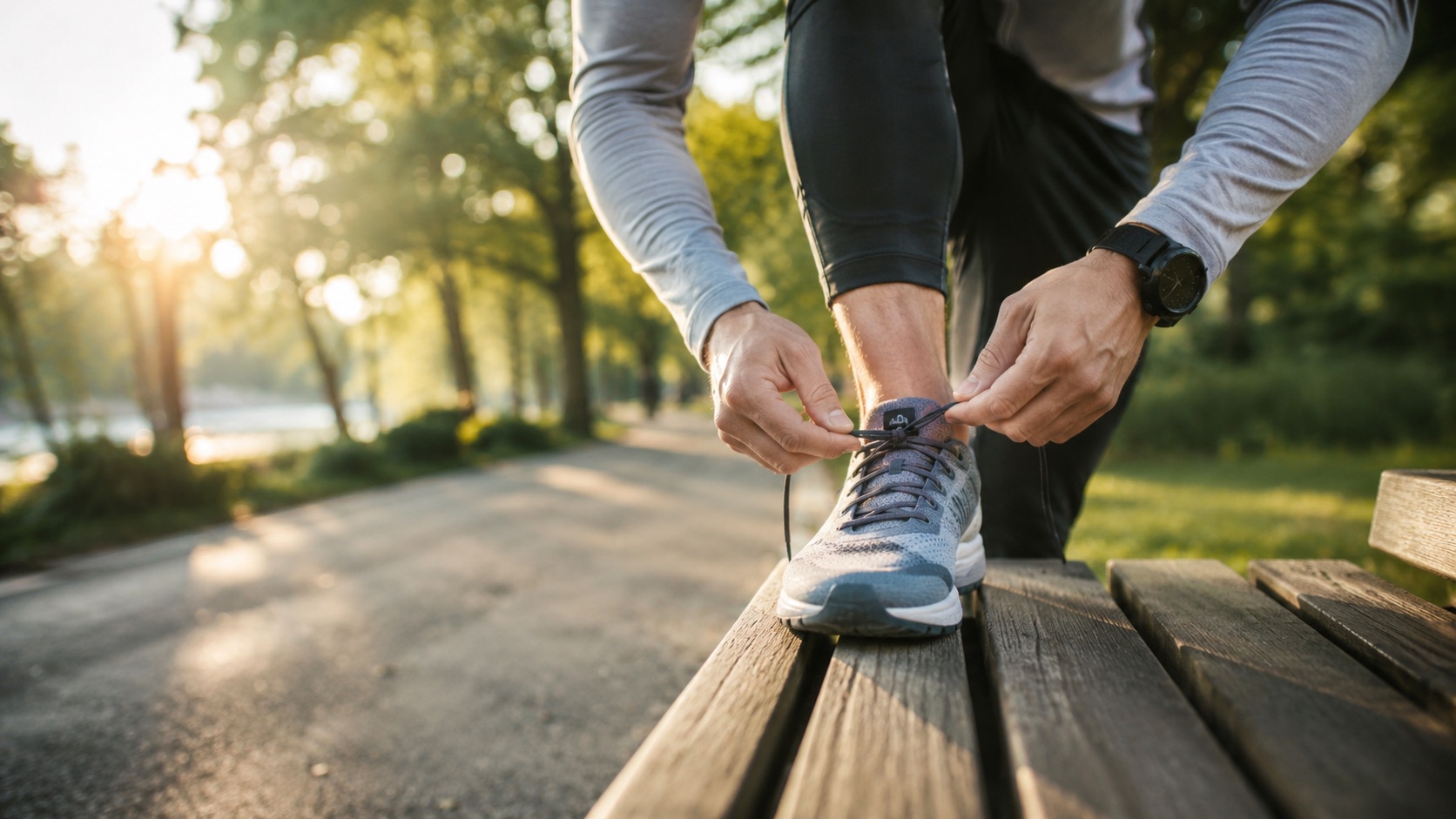
Best Daily Training Shoes for Runners 2026
Best Daily Training Shoes for Runners 2026
Your daily trainer is the workhorse of your shoe rotation. It’s the shoe that takes the most beatings, absorbs the most miles, and shows up for you whether you’re grinding through a recovery jog or knocking out a mid-week tempo. Picking the right one matters more than any race-day super shoe because you’ll spend 80% of your running time in it.
Here are all the major daily trainers compared for 2026. These picks are based on specs, long-term owner reports, and community consensus. Here’s what actually holds up in 2026.
What Makes a Good Daily Trainer?
Before diving into specific shoes, let’s talk about what separates a great daily trainer from a mediocre one. There are four things that matter most:
Cushioning that lasts. Fresh-out-of-the-box cushion is easy. The real test is how a shoe feels at mile 300. Cheap foams pack out and go flat. The best daily trainers use resilient midsole compounds that maintain their energy return deep into their lifespan.
Durability. A daily trainer needs to handle 400–600 miles minimum. That means robust outsole rubber, upper materials that don’t shred, and foam that doesn’t bottom out. If a shoe falls apart at 250 miles, it doesn’t belong in this category regardless of how good it feels new.
Versatility. Your daily trainer should handle easy runs, moderate efforts, and the occasional progression run without feeling out of its depth. It doesn’t need to be fast - that’s what your carbon plate racers are for - but it shouldn’t feel like a brick either.
Price per mile. A $160 shoe that lasts 600 miles costs you $0.27 per mile. A $130 shoe that dies at 300 miles costs $0.43. Don’t just look at the sticker price. Think about total cost of ownership.
The Comparison Table
| Shoe | Price | Weight | Drop | Cushion Level | Durability (miles) | Best For |
|---|---|---|---|---|---|---|
| Nike Pegasus 41 | $130 | 9.2 oz | 10mm | Medium-High | 450–550 | Overall pick |
| Brooks Ghost 16 | $140 | 9.5 oz | 12mm | Medium | 500–600 | Durability |
| ASICS Gel Nimbus 26 | $160 | 9.6 oz | 8mm | High | 400–500 | Max cushion |
| New Balance Fresh Foam 1080v14 | $165 | 9.8 oz | 6mm | High | 400–500 | Wide feet |
| Saucony Ride 18 | $140 | 9.0 oz | 8mm | Medium | 450–550 | Versatility |
| HOKA Clifton 9 | $145 | 8.9 oz | 5mm | Medium-High | 350–450 | Lightweight |
Best Overall: Nike Pegasus 41
The Pegasus has been the default daily trainer for decades, and version 41 continues that legacy. Nike nailed the balance between cushion, responsiveness, and weight. The React X foam gives you enough bounce for uptempo work without feeling mushy on easy days.
Pros:
- Excellent all-around performance from recovery pace to tempo effort
- ReactX foam is noticeably more responsive than previous React versions
- Wide availability and frequent sales bring effective price well below $130
- Solid outsole durability with strategic rubber placement
Cons:
- 10mm drop may not suit runners transitioning to lower-drop shoes
- Fit runs slightly narrow in the midfoot - try a half size up if between sizes
- Upper mesh isn’t the most breathable in hot conditions
The Pegasus won’t blow you away in any single category, but it does everything well. That’s exactly what a daily trainer should do.
Best for Cushioning: ASICS Gel Nimbus 26
If you want a shoe that feels like running on clouds, the Nimbus 26 delivers. ASICS packed this thing with FF Blast Plus Eco foam and their PureGEL technology, creating one of the plushest rides on the market. It’s ideal for runners who prioritize comfort above all else - especially on long easy runs and recovery days.
Pros:
- Outstanding cushioning that genuinely reduces fatigue on long runs
- PureGEL inserts smooth out impact without adding weight
- 8mm drop feels natural and promotes good form
- Knit upper is comfortable and adapts well to different foot shapes
Cons:
- $160 price tag is steep for a daily trainer
- Plush ride sacrifices some ground feel and responsiveness
- Heavier runners may find the foam bottoms out over time
- Not versatile enough for faster workouts
The Nimbus is a specialist. It’s the best recovery-day and long-run shoe on this list, but you’ll want something else for speed work.
Best Lightweight Option: HOKA Clifton 9
At 8.9 oz, the Clifton 9 is the lightest shoe here, and it doesn’t sacrifice cushioning to get there. HOKA’s compression-molded EVA delivers a smooth, balanced ride that feels lighter than the specs suggest. The early-stage meta-rocker geometry helps with transitions, making this shoe disappear on your feet.
Pros:
- Lightest daily trainer on this list without feeling stripped-down
- Meta-rocker creates a smooth heel-to-toe transition
- Low 5mm drop encourages natural stride mechanics
- Comfortable right out of the box with minimal break-in
Cons:
- Durability is the weakest in this group - outsole wears faster than competitors
- Narrow fit in the heel may cause slippage for some runners
- Foam loses responsiveness faster than newer super-critical compounds
- Not ideal for heavier runners who need more structure
If durability isn’t your top concern and you value a light, smooth ride, the Clifton delivers.
Best for Wide Feet: New Balance Fresh Foam 1080v14
New Balance has always been the go-to brand for runners with wider feet, and the 1080v14 continues that tradition. Available in multiple widths (including 2E and 4E options), this shoe gives your toes room to splay without sacrificing midfoot lockdown. The Fresh Foam X midsole is plush and forgiving.
Pros:
- Genuine wide and extra-wide options that actually fit properly
- Plush Fresh Foam X midsole absorbs impact beautifully
- Hypoknit upper stretches without losing structure
- Low 6mm drop feels stable and grounded
Cons:
- Heaviest shoe on this list at 9.8 oz
- $165 price point is on the higher end
- Can feel sluggish on faster efforts due to weight and softness
- Standard width may feel loose for narrow-footed runners
If you’ve ever felt cramped in a Nike or ASICS, the 1080v14 is probably your answer.
Best for Durability: Brooks Ghost 16
The Ghost 16 is the Toyota Corolla of running shoes - not flashy, not exciting, but absolutely reliable. Brooks’ DNA Loft v2 foam is dense enough to resist compression over time, and the full rubber outsole means you’ll get 500–600 miles before thinking about retirement. For high-mileage runners, that translates to real savings.
Pros:
- Best-in-class durability - consistently hits 500+ miles
- Full rubber outsole handles any surface without excessive wear
- Balanced, neutral ride that works for most foot types
- Smooth transition from heel to toe at any pace
Cons:
- 12mm drop is the highest here - not for low-drop converts
- Ride feels somewhat firm compared to plushier options
- Heavier than the Pegasus or Clifton without clear performance benefit
- Design is conservative (if aesthetics matter to you)
The Ghost is the shoe you buy when you want to stop thinking about shoes and just run.
Honourable Mention: Saucony Ride 18
The Ride 18 deserves a shout-out as the most versatile shoe on this list. Its PWRRUN+ foam sits in a sweet spot between soft and responsive, making it equally capable on easy days and moderate tempo runs. At $140 and 9.0 oz, it’s a strong value pick that doesn’t compromise anywhere. If you only own one pair of running shoes, the Ride 18 is a smart choice.
How to Choose Your Daily Trainer
Still not sure? Here’s a quick decision framework:
- Budget priority: Nike Pegasus 41 - lowest price, frequently on sale, solid durability
- Maximum comfort: ASICS Gel Nimbus 26 - nothing cushions better for easy and long runs
- Weight matters: HOKA Clifton 9 - lightest option with good cushioning
- Wide feet: New Balance 1080v14 - genuine width options that don’t compromise fit
- High mileage: Brooks Ghost 16 - built to last 500+ miles without complaint
If you’re new to running and building your first shoe rotation, check out our beginner’s gear guide for tips on what else you’ll need beyond shoes.
Related reading: Best Running Shoes for Beginners 2026
See how we compare products for our full research methodology.
FAQ
How often should I replace my daily training shoes? Most daily trainers last 400–600 miles depending on the model, your weight, and your running surface. Track your mileage and replace them when the cushioning feels flat or you notice new aches. Don’t wait until the outsole has holes.
Can I use a daily trainer for racing? You can, but you’ll leave time on the table. Daily trainers prioritize durability and cushioning over speed. For races, especially half marathons and marathons, a dedicated racing shoe with a carbon plate will save you significant energy.
Do I need more than one pair of running shoes? Rotating between two or three shoes extends the life of each pair and may reduce injury risk by varying the mechanical stress on your body. At minimum, consider a daily trainer and a faster shoe for workouts. But if budget is tight, one good daily trainer covers most needs.
What’s the right heel-to-toe drop for me? There’s no universal answer. Runners who heel-strike often prefer 10–12mm drops (Pegasus, Ghost). Midfoot strikers typically prefer 6–8mm (Nimbus, Ride, 1080). If you’re unsure, start in the 8–10mm range and adjust based on comfort. Don’t make dramatic drop changes overnight.
Are more expensive daily trainers actually better? Not always. The Pegasus 41 at $130 outperforms several $160+ options in overall versatility. Price often reflects premium materials or brand positioning rather than meaningful performance gains. Focus on fit, cushioning quality, and durability rather than price tag alone.
Final Thoughts
The daily trainer market in 2026 is stacked with established options. Pick the one that fits your foot and matches your priorities. If max cushioning matters and you are open to a less familiar brand, our research-based 361 Eleos 2 review explains how it compares with the Clifton, Ghost and Nimbus.
Happy miles out there.