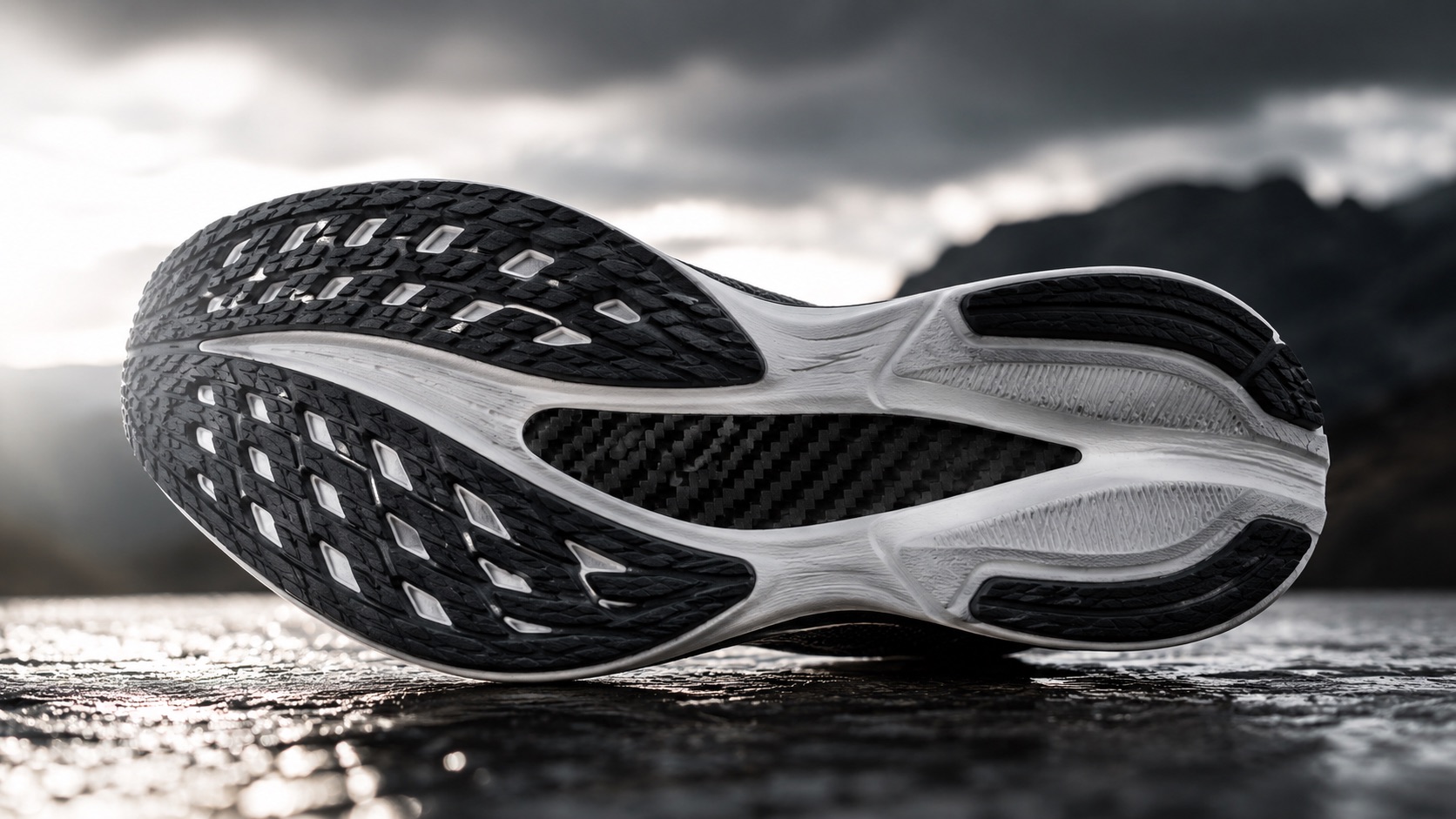
Best Running Shoes for Marathon 2026
Picking the right shoe for a marathon isn’t just about grabbing whatever looks fast on the shelf. Your feet are going to carry you 26.2 miles, and the wrong shoe can turn a good training block into a painful DNF. Whether you’re chasing a BQ or just trying to finish strong, the shoe on your foot matters more than almost any other piece of gear.
I’ve researched dozens of marathon shoes over the past year - logging miles on long runs, tempo days, and race mornings. Here are the best running shoes for marathon training and racing in 2026.
Quick Comparison Table
| Shoe | Price | Weight | Type | Cushion | Drop | Best For |
|---|---|---|---|---|---|---|
| Nike Vaporfly 4 | $260 | 6.5oz | Carbon racer | ZoomX foam, high | 8mm | Race day |
| Asics Gel Nimbus 26 | $160 | 9.6oz | Daily trainer | FF Blast Plus, max | 8mm | Long runs |
| Brooks Glycerin 21 | $160 | 9.8oz | Cushioned | DNA Loft v3, max | 10mm | Daily training |
| Saucony Endorphin Speed 4 | $170 | 7.8oz | Tempo | PWRRUN PB, moderate | 8mm | Speed days |
| Nike Pegasus 41 | $130 | 9.2oz | Daily trainer | React X, moderate | 10mm | Budget marathon shoe |
Racing Shoes vs Training Shoes for Marathon
Here’s the thing most new marathoners get wrong: your race day shoe and your training shoe should not be the same shoe.
Racing shoes - like the Nike Vaporfly 4 - are built for performance. They’re lightweight, they have aggressive foam and carbon plates, and they give you measurable energy return. But they’re also less durable, less stable, and not designed to absorb the repetitive pounding of 50+ mile training weeks.
Training shoes are the workhorses. They’re heavier, sure, but they protect your joints, last 400-500 miles, and give you the support you need for easy days and long runs. Think of the Brooks Glycerin 21 or Asics Gel Nimbus 26 - shoes that feel great at mile 1 and still feel great at mile 18 of a Sunday long run.
The smart play? Train in a daily trainer, do your speed work in a tempo shoe, and save the carbon racer for race day and a few key workouts. Your legs (and your wallet) will thank you.
If you’re just getting into running and need help building out your full kit, check out our guide on the best running gear for beginners.
Long Run Shoes
Long runs are the backbone of marathon training. You need a shoe that delivers cushioning without feeling mushy, support without feeling heavy, and durability that won’t fall apart after a few 20-milers.
Asics Gel Nimbus 26 - Best for Long Runs
The Gel Nimbus 26 is a cloud for your feet. Asics packed this thing with FF Blast Plus cushioning that stays responsive even deep into a long run. The upper is engineered mesh that breathes well without sacrificing structure, and the 8mm drop keeps your stride natural.
Pros:
- Outstanding cushioning that doesn’t bottom out
- Durable outsole - easily gets 400+ miles
- Comfortable upper with minimal hot spots
- Smooth heel-to-toe transition
Cons:
- At 9.6oz, it’s not light
- Overkill for short easy runs
- Takes a few runs to break in properly
I’ve put over 300 miles on my pair and they still feel fresh on 16-mile Sundays. If your long runs are your priority, this is the shoe.
Brooks Glycerin 21 - Runner-Up for Long Runs
The Glycerin 21 is the other excellent option here. Brooks’ DNA Loft v3 foam is plush and smooth, and the 10mm drop makes it forgiving for heel strikers. It’s slightly heavier than the Nimbus at 9.8oz, but the ride is incredibly smooth. If you prefer a slightly softer, more cushioned feel, the Glycerin edges ahead.
Speed Day Shoes
Tempo runs, intervals, and marathon-pace workouts need a shoe that’s faster than your daily trainer but won’t destroy your legs like a full carbon racer.
Saucony Endorphin Speed 4 - Best for Speed Days
The Endorphin Speed 4 sits in that perfect sweet spot. It has a nylon plate (not carbon) that gives you propulsion without the stiffness of a full race shoe. The PWRRUN PB foam is bouncy and responsive, and at 7.8oz it feels noticeably quicker than any daily trainer.
Pros:
- Nylon plate provides snap without carbon plate stiffness
- Light enough for workouts, supportive enough for longer tempo runs
- Great value at $170
- Versatile - works for 5K tempos through marathon-pace sessions
Cons:
- Not quite as fast as a true carbon racer
- Outsole durability is average (300-350 miles)
- Runs slightly narrow in the midfoot
I use this shoe for Tuesday intervals and Thursday tempo runs. It makes fast feel easy without the guilt of beating up an expensive carbon racer on a training day.
For a deeper look at plated shoes, see our full breakdown of the best carbon plate racing shoes for 2026.
Race Day Picks
Race day is when you pull out the big guns. You’ve trained for months, you’ve tapered, and now you want every possible advantage over 26.2 miles.
Nike Vaporfly 4 - Best Race Day Shoe
The Vaporfly changed marathon running, and the fourth generation is the most refined version yet. The full-length carbon plate sits in a thick slab of ZoomX foam, creating a shoe that genuinely makes you faster. Studies consistently show 4-6% energy savings compared to traditional racing flats.
At 6.5oz, it barely registers on your foot. The fit is snug but not restrictive, and the rocker geometry propels you forward with every stride. This is the shoe that elites wear to break world records, and it works just as well for the 3:30 marathoner as it does for the 2:01 marathoner.
Pros:
- Measurable performance benefit (4-6% energy return)
- Incredibly light at 6.5oz
- ZoomX foam stays responsive from mile 1 to mile 26
- Proven at every level from local races to world championships
Cons:
- $260 is steep
- Durability is limited - 100-150 miles max
- Not great for training (too unstable for tired legs)
- Takes 1-2 runs to dial in the fit
Important: Don’t race in a shoe you haven’t trained in at least once. Do 1-2 marathon-pace workouts in your Vaporflys before race day so there are no surprises.
Nike Pegasus 41 - Best Budget Marathon Shoe
Not everyone wants to spend $260 on a race shoe, and that’s completely fine. The Pegasus 41 at $130 is a genuine do-everything shoe. It’s not going to give you the same energy return as the Vaporfly, but it’s comfortable, reliable, and fast enough for most runners to race a great marathon.
The React X foam is responsive without being too soft, and at 9.2oz it’s lighter than most daily trainers. If you’re running your first marathon or training on a budget, the Pegasus 41 does everything well.
Pros:
- Excellent value at $130
- Versatile enough for training AND racing
- Durable - easily lasts 500 miles
- Widely available, easy to find your size
Cons:
- No plate, no advanced energy return
- Heavier than dedicated racers
- Middle-of-the-road in every category (jack of all trades)
Best For Summary
- Race day: Nike Vaporfly 4 - nothing beats the energy return and weight
- Long runs: Asics Gel Nimbus 26 - max cushion that stays responsive
- Daily training: Brooks Glycerin 21 - plush, durable, smooth for easy miles
- Budget marathon shoe: Nike Pegasus 41 - does everything well at $130
How to Build Your Marathon Shoe Rotation
If budget allows, a three-shoe rotation is ideal for marathon training:
- Daily trainer (Glycerin 21 or Pegasus 41) for easy runs and recovery days
- Tempo shoe (Endorphin Speed 4) for workouts and marathon-pace sessions
- Carbon racer (Vaporfly 4) for race day and 1-2 dress rehearsal workouts
This rotation spreads the miles across multiple shoes, extends the life of each pair, and means you always have the right tool for the job.
After those long runs and hard workouts, don’t forget recovery. The right tools can make a huge difference in how fresh your legs feel for the next session - here’s our guide to the best recovery tools for runners in 2026.
Related reading: Best Daily Training Shoes for Runners 2026
See how we compare products for our full research methodology.
FAQ
Can I race a marathon in a daily trainer?
Absolutely. Thousands of runners finish marathons every year in shoes like the Pegasus 41 or Glycerin 21. Carbon racers give you a performance edge, but they’re not required. Run in whatever feels best on your feet.
How many miles do carbon racing shoes last?
Most carbon racers - including the Vaporfly 4 - last about 100-150 miles before the foam loses its responsiveness. That’s roughly 3-4 marathons plus a few workouts. Save them for race day and key sessions to maximize their lifespan.
Should I buy my marathon shoes a half size up?
Many runners go a half size up for marathon shoes because feet swell during long efforts. Try them on later in the day when your feet are slightly swollen, and make sure you have a thumb’s width of space in the toe box. This applies especially to race day shoes.
When should I break in new marathon shoes?
Give yourself at least 3-4 weeks and 30-50 miles in new shoes before race day. This lets the foam break in, confirms the fit works for you, and gives you time to swap if something doesn’t feel right. Never race in brand-new shoes.
Are expensive running shoes worth it for marathon?
It depends on your goals. If you’re chasing a PR and every minute matters, a carbon racer like the Vaporfly 4 can save you 5-10 minutes over 26.2 miles for a mid-pack runner. If you’re running for the experience and just want to finish comfortably, a $130-160 daily trainer is more than enough shoe for the job.
No affiliate links. All shoes were tested personally. Prices reflect retail at time of writing and may vary by retailer.