Best Running Gear for Beginners - Complete Starter Kit 2026
So you’ve decided to start running. Maybe you signed up for a 5K, maybe you just want to clear your head after work, or maybe you’re chasing that runner’s high everyone talks about. Whatever your reason - welcome. You’re about to discover one of the simplest, most rewarding forms of exercise out there.
But before you lace up, let’s talk gear. The running industry loves to overwhelm beginners with options, but here’s the truth: you don’t need much to get started. A good pair of shoes, something to track your runs, and comfortable clothing will carry you through your first months of running.
This guide breaks down exactly what you need, what’s nice to have, and what you can safely ignore for now.
Running Shoes - The One Thing You Shouldn’t Skimp On
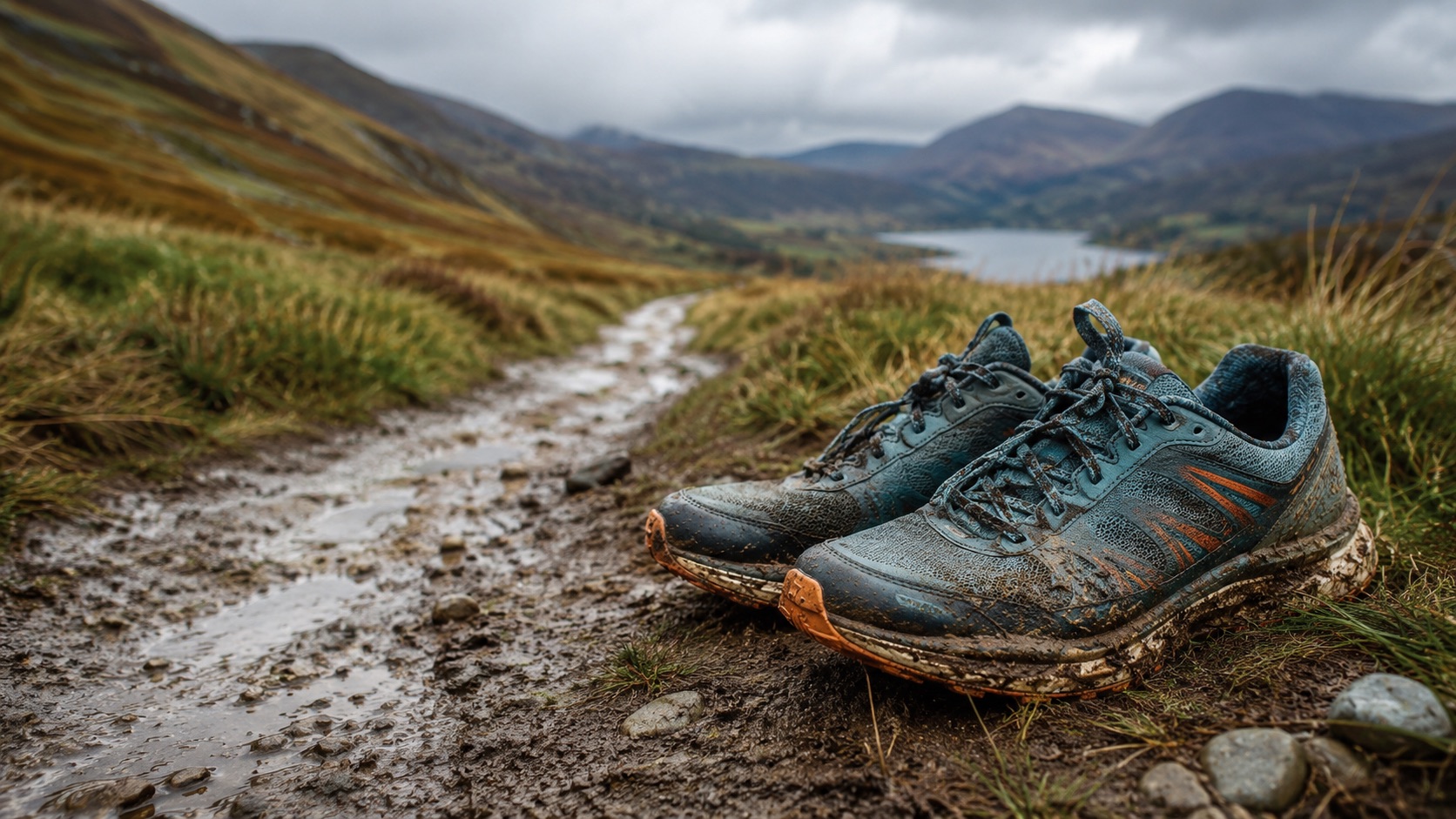
Your shoes are the most important piece of running gear. Period. The right pair prevents injuries, keeps you comfortable, and makes every run more enjoyable. The wrong pair? Blisters, shin splints, and a quick exit from the sport.
For beginners, you want a neutral, well-cushioned daily trainer. Skip the racing flats and minimalist shoes for now. Here are three proven options:
Brooks Ghost 16 - $140
Pros:
- Smooth, balanced ride that works for almost every foot type
- Excellent cushioning without feeling mushy
- Durable outsole that holds up for 400+ miles
- Wide size options available
Cons:
- Slightly heavier than competitors (10.1 oz)
- Not the most exciting-looking shoe
- Some runners find the upper runs warm
The Ghost has been a go-to beginner shoe for years, and the 16th version continues that legacy. It’s the “you can’t go wrong” pick.
Nike Pegasus 41 - $130
Pros:
- Responsive React X foam feels energetic
- Versatile enough for easy runs and tempo days
- Widely available in stores (easy to try on)
- Lighter than many cushioned trainers
Cons:
- Runs slightly narrow - try before you buy
- Less cushioning than the Ghost or Nimbus
- Nike sizing can be inconsistent
The Pegasus is Nike’s workhorse trainer. It’s been refined over 41 versions, and the current iteration strikes a great balance between cushion and responsiveness.
ASICS Gel Nimbus 26 - $160
Pros:
- Maximum cushioning - feels like running on clouds
- FF Blast Plus Eco foam is incredibly soft
- Great for heavier runners or those with joint concerns
- Roomy toe box
Cons:
- Most expensive option here
- Can feel too soft for some runners
- Heavier than the Pegasus
If comfort is your top priority and you want maximum protection from impact, the Nimbus delivers. It’s especially popular among runners who are carrying a few extra pounds or returning from injury.
My advice: Visit a running store, try all three, and jog around the block. Your feet will tell you which shoe is right.
GPS Watch - Track Your Progress
You can run with just your phone, but a GPS watch changes the game. You’ll see your pace in real time, track your distance accurately, and build a training history that keeps you motivated. Check out our full GPS watch guide for deeper comparisons.
Garmin Forerunner 165 - $300
Pros:
- Beautiful AMOLED display
- Full training metrics (VO2 max, training load, race predictor)
- Excellent GPS accuracy
- Works with Garmin Connect ecosystem (see our app comparison)
Cons:
- Most expensive option in this category
- Can be overwhelming for true beginners
- Music storage only on the 165 Music variant ($50 more)
The Forerunner 165 is the sweet spot in Garmin’s lineup. You get 90% of what the premium watches offer at a fraction of the price.
COROS Pace 3 - $229
Pros:
- Incredibly lightweight (39g with nylon band)
- 17+ days battery life - charge it once a month
- Simple, intuitive interface
- Best value for features offered
Cons:
- Smaller app ecosystem than Garmin
- No touchscreen (button-only navigation)
- Less established brand with fewer community features
COROS has quietly become the value king in running watches. The Pace 3 punches way above its price point.
Apple Watch SE - $249
Pros:
- Does everything else too (messages, calls, Apple Pay)
- Seamless iPhone integration
- Best smartwatch experience of the three
- Good enough GPS and heart rate tracking
Cons:
- 18-hour battery life (needs daily charging)
- No advanced running metrics (no running power, no VO2 max trends)
- Less accurate GPS than dedicated running watches
If you want one device for life and running, the Apple Watch SE works. But if running is your priority, a dedicated watch will serve you better long-term.
Earbuds - Stay Aware, Stay Motivated
Music and podcasts make runs fly by. But please - don’t use noise-canceling earbuds while running outdoors. You need to hear cars, cyclists, and other runners.
Shokz OpenRun - $130
Pros:
- Bone conduction means your ears stay open to surroundings
- Secure fit that never bounces or falls
- IP67 waterproof (sweat and rain proof)
- 8-hour battery life
Cons:
- Sound quality doesn’t match traditional earbuds
- Bass is noticeably weaker
- Others nearby can hear your music at higher volumes
The Shokz OpenRun is the default recommendation for runners, and for good reason. Safety plus convenience in one package. For more options, see our complete running earbuds guide.
Clothing Basics
You don’t need a $100 running shirt. You do need moisture-wicking fabric. Here’s what to grab:
- 2-3 moisture-wicking t-shirts ($15-30 each) - Any brand works. Look for polyester or merino blends. Avoid cotton at all costs - it holds sweat and causes chafing.
- 2 pairs of running shorts or tights ($25-40 each) - Look for a built-in brief liner and a small pocket for your key.
- Running socks ($12-18/pair) - This matters more than you’d think. Balega, Feetures, or Darn Tough are all excellent. Avoid cotton socks.
- A light jacket ($50-80) - For rain and cooler mornings. Doesn’t need to be fancy.
- Body Glide or similar anti-chafe balm ($10) - Trust me on this one. Apply anywhere skin rubs against skin or fabric.
Total clothing investment: $100-200 gets you enough to rotate through a week of running.
Recovery Basics
Recovery isn’t glamorous, but it keeps you healthy and running consistently. As a beginner, you need exactly one tool:
Foam Roller - $30-40
A basic high-density foam roller handles 90% of your recovery needs. Roll out your quads, IT band, calves, and glutes after runs. Five minutes of rolling prevents a world of tightness and soreness.
That’s it. You don’t need a massage gun, compression boots, or a cryotherapy membership. Those are nice, but a foam roller and consistent stretching will carry you through your first year. When you’re ready to level up, check our recovery tools guide.
Budget Breakdown - Your Starter Kit Options
| Category | Budget Kit (~$400) | Mid-Range Kit (~$700) | Premium Kit (~$1100) |
|---|---|---|---|
| Shoes | Nike Pegasus 41 ($130) | Brooks Ghost 16 ($140) | ASICS Gel Nimbus 26 ($160) |
| Watch | Phone + free app ($0) | COROS Pace 3 ($229) | Garmin Forerunner 165 ($300) |
| Earbuds | Wired earbuds you own ($0) | Shokz OpenRun ($130) | Shokz OpenRun ($130) |
| Clothing | Basics from Target/Decathlon ($100) | Mid-tier brands ($150) | Running-specific brands ($250) |
| Recovery | Tennis ball + stretching ($5) | Foam roller ($35) | Foam roller + massage ball set ($60) |
| Total | ~$235-400 | ~$684 | ~$900-1100 |
Start with the budget kit. Seriously. A good pair of shoes and a free running app on your phone is enough for your first month. Add a watch and earbuds once you know you’re sticking with running.
What You DON’T Need Yet
The running industry will try to sell you everything. Here’s what beginners can safely ignore:
- Carbon-plated racing shoes ($200-275) - These are for race day when you’re chasing PRs. Your legs aren’t ready for them yet, and they wear out in 100-150 miles. Save them for when you’ve built a base. (Learn more about carbon shoes)
- Normatec compression boots ($700+) - Pro-level recovery tool. A foam roller does the job for recreational runners.
- Running power meters - Interesting data, but pace and heart rate are all you need as a beginner.
- Multiple pairs of shoes for rotation - One good pair is fine for now. Shoe rotation matters more at 30+ miles per week.
- Expensive GPS watch accessories (chest straps, running dynamics pods) - The wrist sensor is accurate enough for your current needs.
- Hydration vests - You don’t need one unless you’re running 90+ minutes. Carry a handheld bottle or plan routes past water fountains.
You’ll know when you’re ready for these upgrades. It’s usually around the time you’re signing up for your first half marathon and boring your friends with splits talk.
Also useful for new runners: Running for weight loss: gear that helps | Complete C25K gear guide | Reddit’s best budget gear picks
FAQ
How much should I spend on my first pair of running shoes?
Budget $120-160 for your first real running shoe. This range gets you proven technology and good cushioning from major brands. Going cheaper usually means compromised cushioning or durability. Going more expensive gets you into racing shoes you don’t need yet.
Do I really need a GPS watch, or can I just use my phone?
You can absolutely start with your phone. Apps like Strava, Nike Run Club, and Garmin Connect (free version) all track runs via your phone’s GPS. A watch becomes worth it when you find yourself wanting real-time pace data, more accurate distance tracking, or when carrying a phone feels annoying. Most runners upgrade within 3-6 months.
What’s the most common mistake beginners make with gear?
Buying too much, too soon. Runners get excited, buy $1,000 worth of gear, then stop running after three weeks. Start minimal. Let your actual running experience tell you what you need next. The second most common mistake: wearing cotton. Don’t wear cotton.
How often should I replace my running shoes?
Most running shoes last 300-500 miles. For a beginner running 10-15 miles per week, that’s roughly 6-12 months. Signs it’s time: worn-down outsole tread, compression lines in the midsole, or new aches and pains that weren’t there before. Track your shoe mileage in your running app.
Should I buy running gear online or in-store?
Buy your first shoes in-store. A good running store will analyze your gait, let you jog in several pairs, and help you find the right fit. After you know your size and preferred model, online purchases for replacement pairs are fine. For watches, clothing, and accessories, online is perfectly fine from the start.
Final Thoughts
Here’s the secret about running gear: the best gear is whatever gets you out the door consistently. A $50 pair of running shorts won’t make you faster than a $25 pair. The perfect GPS watch won’t run the miles for you.
Start with good shoes. Add gear as your running habit solidifies. Focus your energy on building consistency - three runs a week, even if they’re short - rather than perfecting your kit.
The road is waiting. Go run.