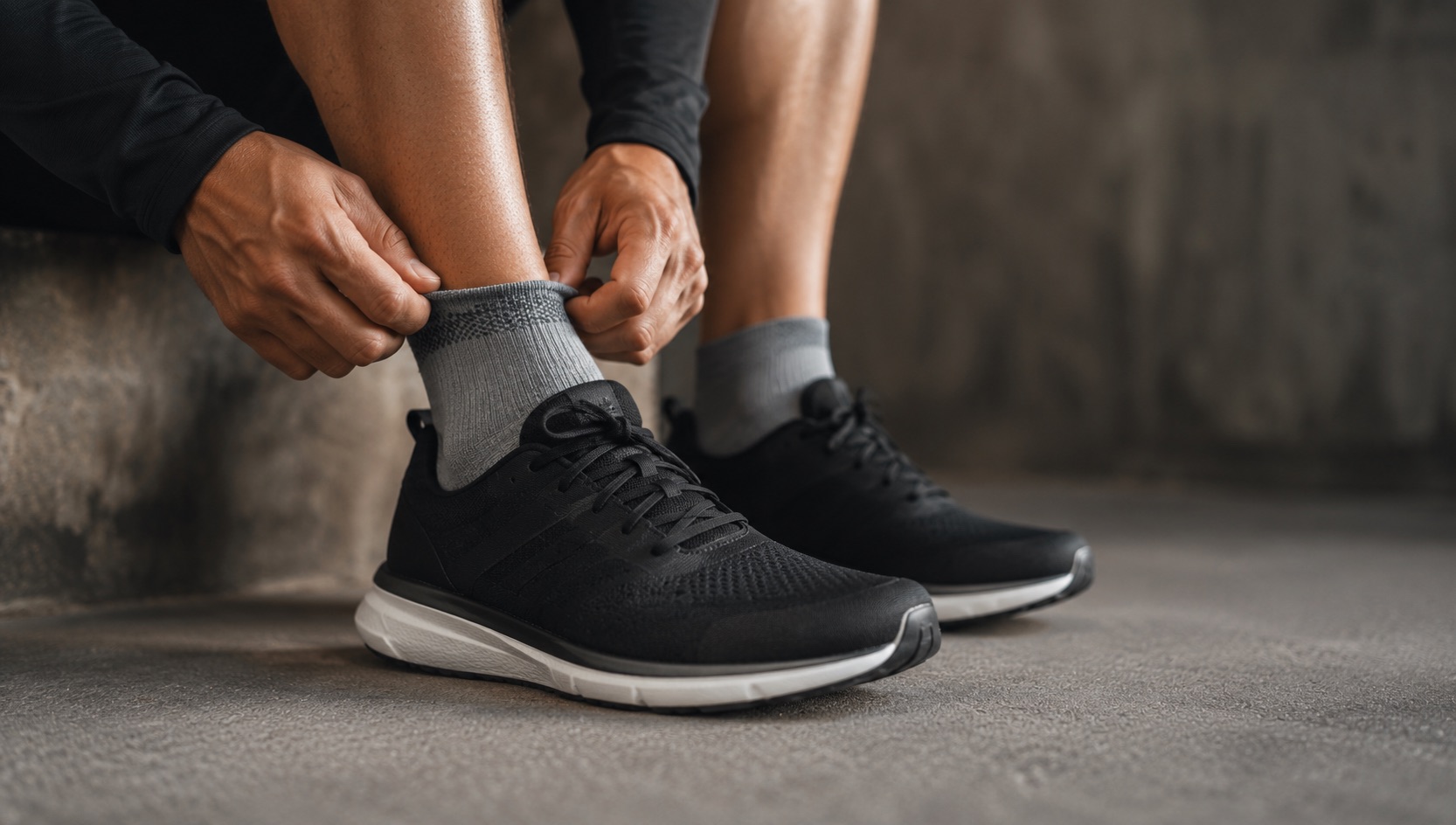
Couch to 5K Complete Gear Guide for Beginners (2026)
Starting Couch to 5K is exciting - but the gear question can be overwhelming. Do you need a $400 GPS watch? Are $200 shoes worth it? Can you just run in whatever sneakers you already own?
I’ve helped dozens of friends through C25K programs, and the gear advice I give is always the same: start minimal, spend money where it prevents injury, and upgrade as running becomes a habit. You don’t need much, but what you do need matters.
This guide breaks down every piece of gear for C25K into three tiers: budget ($200 total), mid-range ($500 total), and premium ($900 total). Pick the tier that matches your confidence level in sticking with it.
The Only Two Things You Actually Need
Let’s be honest: you can complete Couch to 5K with just two things - decent running shoes and a free app on your phone. Everything else is nice-to-have. If you’re testing the waters and not sure running is for you, start with just shoes and a phone. If you enjoy it after a few weeks, add gear strategically.
That said, the right gear makes running more comfortable, more trackable, and more enjoyable. Here’s the full breakdown.
Complete Gear Checklist: Budget vs Mid-Range vs Premium
| Gear Category | Budget ($200 total) | Mid-Range ($500 total) | Premium ($900 total) |
|---|---|---|---|
| Running shoes | ASICS Gel Contend 8 ($70) | Brooks Ghost 16 ($140) | Nike Pegasus 41 ($130) |
| Watch/tracker | Phone + free app ($0) | Garmin Forerunner 165 ($250) | Garmin Forerunner 265 ($450) |
| Shorts/leggings | Any athletic shorts ($20) | Running-specific shorts ($45) | Lululemon/Nike running shorts ($65) |
| Top | Any moisture-wicking shirt ($15) | Running-specific top ($35) | Technical running top ($55) |
| Sports bra (if needed) | Basic high-impact ($25) | Brooks Dare Crossback ($55) | SheFit Ultimate ($70) |
| Socks | Basic athletic socks ($8) | Balega Hidden Comfort ($16) | Feetures Elite Max ($18) |
| Earbuds | Wired earbuds you own ($0) | JBL Reflect Flow Pro ($80) | Shokz OpenRun Pro 2 ($180) |
| Hydration | Water bottle you own ($0) | Handheld running bottle ($20) | Nathan SpeedDraw Plus ($35) |
| Visibility | N/A | Reflective clip ($10) | Nathan StrobeLight + vest ($40) |
| Total | ~$138-200 | ~$500 | ~$900 |
Running Shoes: Where to Spend Your Money
If there’s one thing to invest in, it’s shoes. Bad shoes lead to shin splints, blisters, knee pain, and giving up. Good shoes make easy runs feel effortless.
For C25K, you don’t need a racing shoe or a maximalist cushion monster. You need something with decent cushioning, a comfortable fit, and enough support for walk-run intervals.
Budget pick: ASICS Gel Contend 8 ($70) - Reliable cushioning, wide toe box option, and built for new runners. Not flashy, but it won’t let you down.
Mid-range pick: Brooks Ghost 16 ($140) - The most popular neutral running shoe for a reason. Incredibly smooth ride, great cushion, fits most feet well.
Premium pick: Nike Pegasus 41 ($130) - Versatile daily trainer with responsive foam. Works from walk-run intervals through full 5K runs and beyond.
The most important thing is fit. If possible, go to a running store and try on 3-4 options. Walk around, jog a few steps. The right shoe feels obvious.
For more options at lower price points, see our best running shoes for beginners 2026 guide.
Watch or Phone: What You Actually Need for C25K
The Couch to 5K program uses timed intervals - “run 60 seconds, walk 90 seconds” - so you need a way to track time. Your phone with a free C25K app works perfectly fine for this.
A GPS running watch adds pace tracking, heart rate, distance, and the feeling of “being a runner.” It’s motivating and useful but not essential for completing the program.
Budget: Your phone + free app ($0) - Apps like C25K by ZenLabs or NHS Couch to 5K give audio cues for intervals. Phone in your pocket or an armband works fine.
Mid-range: Garmin Forerunner 165 ($250) - Entry-level GPS watch with wrist HR, run/walk alerts, and enough features to grow with you for years.
Premium: Garmin Forerunner 265 ($450) - Beautiful AMOLED screen, advanced training metrics, and the full Garmin ecosystem. Overkill for C25K, but you’ll never outgrow it.
Check our best GPS watch under $200 guide if you want something between phone-only and a full-featured watch.
Clothing: Don’t Overthink It
The main rule: avoid cotton. Cotton absorbs sweat, gets heavy, and causes chafing. Any synthetic moisture-wicking fabric works fine - and you probably already own something suitable.
Shorts/leggings: Anything with a comfortable waistband that doesn’t ride up. Running-specific shorts have brief liners and lighter fabric, but basic athletic shorts work for C25K distances.
Top: A basic polyester t-shirt or tank top. Running-specific tops have flatlock seams (less chafing) and better ventilation, but aren’t necessary for 20-30 minute sessions.
Sports bra (if applicable): This is worth spending on. High-impact support matters for running, and a good sports bra prevents discomfort that makes people quit. The Brooks Dare Crossback and SheFit Ultimate are both excellent.
Socks: Running socks are an underrated upgrade. They prevent blisters, manage moisture, and have targeted cushioning. Balega Hidden Comfort socks are worth every penny - but you can start with any synthetic athletic socks.
Earbuds: Safety First
Music and podcasts make running dramatically more enjoyable for most beginners. But audio choice matters for safety.
Open-ear/bone conduction (recommended): Shokz OpenRun Pro 2 lets you hear traffic and surroundings while listening to music. This is my top recommendation for outdoor runners.
In-ear with awareness mode: JBL Reflect Flow Pro and AirPods Pro 2 have transparency modes that let ambient sound through. Good compromise between sound quality and awareness.
Wired earbuds: They work. They’re free if you already have them. Just manage the cable so it doesn’t bounce annoyingly.
For outdoor running, never use noise-canceling without awareness mode. You need to hear cars, bikes, and other runners.
What NOT to Buy (Yet)
New runners often over-buy. Here’s what to skip until you’ve been running consistently for 2-3 months:
- Running belt/vest - You don’t need to carry anything for 20-30 minute C25K sessions
- Compression gear - Marginal benefits that don’t matter at beginner volume
- Foam roller - Useful eventually, but not essential for C25K
- Multiple pairs of shoes - One pair is enough until you’re running 4+ times per week
- Race-day shoes - You’re months away from needing these
For more on what beginners actually need, see our best running gear for beginners guide.
Week-by-Week Gear Progression
Weeks 1-3: Shoes + phone app + whatever athletic clothes you own. Total investment: $70-140 for shoes.
Weeks 4-5: If you’re still enjoying it, add proper running socks and a moisture-wicking top if you don’t have one. Maybe a running armband for your phone.
Weeks 6-8: Consider a GPS watch if you want to track progress beyond the app. Add bone conduction earbuds if you’re running outdoors regularly.
After completing C25K: This is when you might want a second pair of shoes, running-specific shorts, and a hydration solution for longer runs.
C25K-Specific Gear Tips
A few things specific to the walk-run nature of Couch to 5K:
- Interval timers matter - Use an app or watch with audible beep/vibration for walk-run transitions so you’re not constantly checking your phone
- Layers over single pieces - You’ll be walking (cooler) and running (warmer) in the same session. A light zip layer you can open is helpful in spring/fall
- Reflective gear early - Many beginners run before/after work in low light. A simple reflective clip costs $10 and massively improves visibility
- Comfortable waistband - Walk-run transitions make anything that bounces or shifts more annoying. Drawstring shorts beat elastic-only
For structured training plans and app recommendations, check out our Couch to 5K best apps and plans for 2026.
The Honest Budget Breakdown
Here’s what I’d actually spend if I were starting over with a $200 budget:
- ASICS Gel Contend 8 shoes: $70
- Balega Hidden Comfort socks (2 pack): $32
- Basic running shorts: $20
- Moisture-wicking top: $15
- Reflective arm band: $10
- Phone armband: $15
- Remaining for water bottle or sports bra: $38
That gets you through the entire program comfortably. Everything else is a bonus.
FAQ
Do I really need running shoes for Couch to 5K?
Yes - this is the one piece of gear that’s genuinely non-negotiable. Running in casual sneakers, cross-trainers, or old shoes dramatically increases your risk of shin splints, knee pain, and blisters. Running shoes have specific cushioning and support designed for the repetitive forward motion of running. You don’t need expensive ones - a $65-75 pair from ASICS or Saucony works perfectly - but they should be actual running shoes.
Can I do C25K with just my phone?
Absolutely. Your phone plus a free C25K app (like the NHS Couch to 5K app or C25K by ZenLabs) gives you timed audio cues for walk-run intervals, GPS tracking, and progress logging. A GPS watch is a nice upgrade but isn’t necessary for completing the program. Many people finish their first 5K with nothing but a phone in their pocket.
How much should I spend on running gear as a beginner?
You can start Couch to 5K with as little as $70-140 (just shoes and basic athletic clothes you likely own). A reasonable full kit runs $200-300 including shoes, socks, a couple of running-appropriate outfits, and a phone armband. Don’t spend $500+ until you’ve been running consistently for at least a month and know you’ll stick with it.
When should I buy a GPS running watch?
Wait until you’ve completed at least 3-4 weeks of C25K and know you enjoy running. At that point, a GPS watch adds motivation through data tracking and makes you feel more committed to the habit. If budget is tight, finish the entire program with your phone first - then reward yourself with a watch when you sign up for your first 5K race.
Do I need different gear for summer vs winter C25K?
For summer: moisture-wicking fabrics, a hat or visor, sunscreen, and possibly a handheld water bottle for longer sessions in heat. For winter: a long-sleeve base layer, running tights or pants, lightweight gloves, and a headband covering your ears. The biggest mistake is overdressing in winter - you should feel slightly cool in the first 5 minutes, then warm up once running. Spring and fall are the easiest - a t-shirt and shorts work for most conditions.