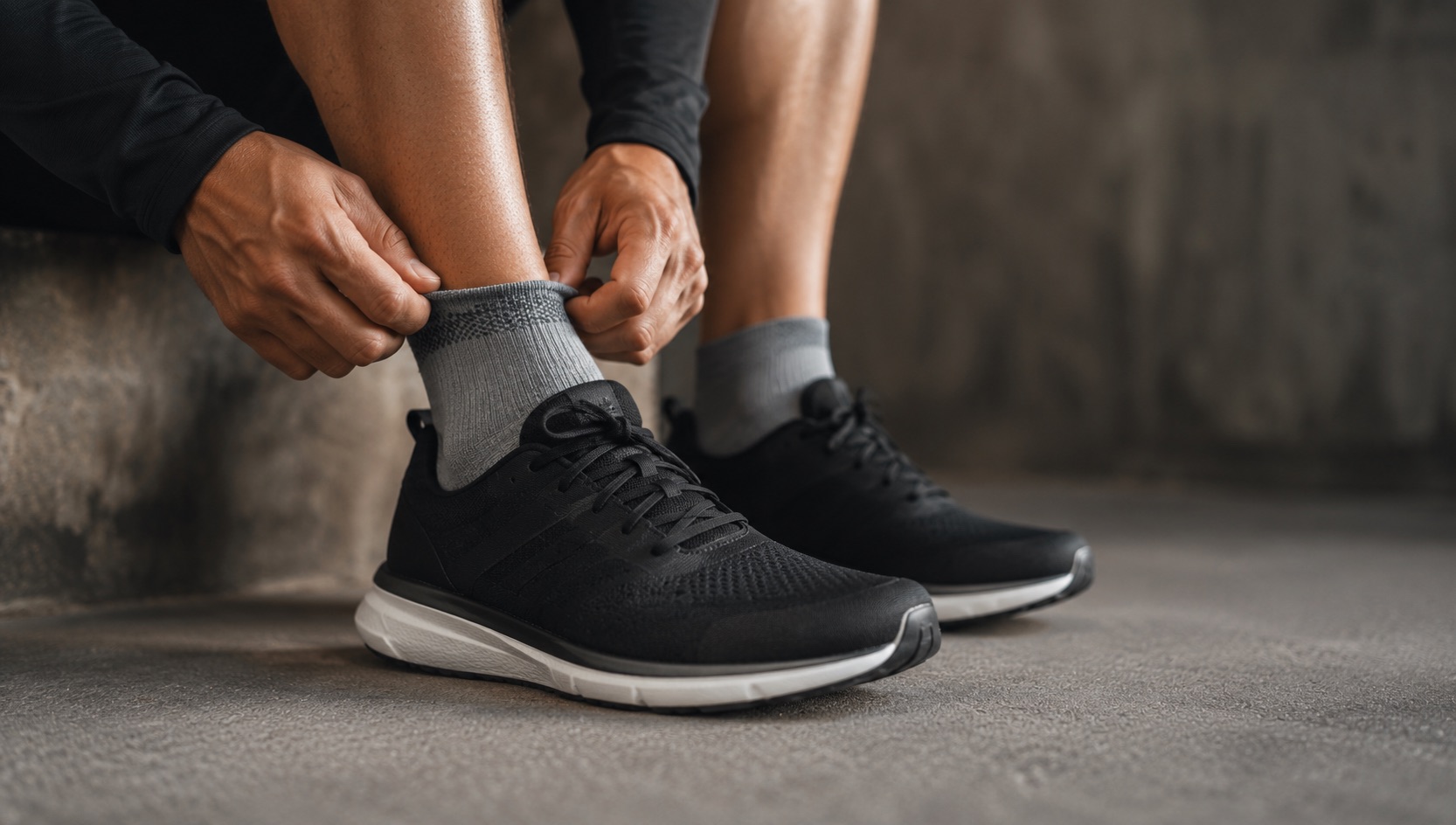
Couch to 5K: Gear I Actually Needed vs What I Wasted Money On
Before I ran my first Couch to 5K session, I went shopping. Not just a little shopping. Full-on “I am going to be a runner now and I need ALL the things” shopping. I watched YouTube videos about running gear essentials. I read blog posts about what every new runner needs. I scrolled through running Instagram accounts and added things to my cart based on what fit, fast people were wearing.
The result: I spent over 400 euros on gear before I could even run for 5 minutes straight.
Six months later, I can tell you exactly what mattered and what is currently collecting dust in my closet. Some purchases were genuinely essential. Others were aspirational at best and completely useless at worst. If you are about to start Couch to 5K and feeling the urge to gear up, please read this first. I am going to be painfully honest about what a beginner actually needs versus what the running industry wants you to think you need.
What I Actually Needed
Let me start with the good news. The list of genuinely essential gear for starting C25K is short. Embarrassingly short, given how much I spent.
Good Running Shoes (Essential from Day 1)
This is the one thing you cannot skip. I wrote a whole article about my shoe buying journey because I got it wrong twice before finding the right pair. But the principle is simple: you need one pair of proper running shoes that fit your feet and provide adequate cushioning.
Budget: 100-140 euros. Do not go cheaper. Do not go much more expensive either, because at this stage you do not need performance technology.
Comfortable Sports Bra (Essential from Day 1)
If you have breasts, a proper high-impact sports bra is non-negotiable. I started in a cheap bralette from H&M and everything hurt by minute 3. A good sports bra (I bought the Shock Absorber Ultimate Run for 55 euros) made running physically possible. Without proper support, the bouncing is painful and distracting and can cause long-term tissue damage.
Basic Running Tights or Shorts (Essential from Day 1)
You need something that does not chafe, stays up while you move, and does not ride up between your thighs. I bought basic Decathlon running tights for 25 euros and they have been perfect. No inner thigh chafing, a pocket for my phone, and they have survived 50+ washes.
That is it. That is the essential list. Shoes, bra (if applicable), and bottoms that do not chafe. Everything else can wait.
What I Wasted Money On
Here comes the honest part. These are the things I bought because I thought I needed them, but absolutely did not for at least the first three months of running.
GPS Watch (250 euros): Did Not Need It Starting Out
I bought a Garmin Forerunner 265 before my first C25K session. A 250-euro GPS watch. For someone who was running 1-minute intervals separated by 2-minute walks.
My phone (which I carried anyway for the C25K app and music) tracked distance perfectly well through Strava. The watch gave me data I did not understand (VO2 max estimates, training load, recovery time) and honestly made me anxious. I would stare at my heart rate during runs and panic that it was “too high” without knowing what that even meant.
Did the watch eventually become useful? Yes, around month 4, when I started caring about pace consistency and heart rate zones. But for the first 12 weeks of C25K? My phone did everything I needed.
Expensive Earbuds (130 euros): Cheap Ones Worked Fine
I bought AirPods Pro 2 specifically for running. They are great earbuds. They are also wildly unnecessary for someone jogging around the block. My old wired earbuds (the ones that came free with my phone) worked perfectly for the first two months. They stayed in my ears fine at my slow pace and the sound quality was adequate for podcasts while running.
The AirPods became more useful when I started running in rain (water resistance) and for longer runs where the cable would bounce annoyingly. But at the C25K stage, any earbuds you already own will work.
Foam Roller (35 euros): Did Not Know How to Use It
Every running gear guide mentions foam rolling for recovery. So I bought a fancy textured foam roller. It sat under my bed for two months because I had no idea what to do with it, and when I did try, it just hurt without any clear benefit.
I eventually learned proper foam rolling technique from a physiotherapist (not YouTube), and now I use it regularly. But buying it before I even had a running routine to recover from? Premature.
Hydration Vest (65 euros): For 3km Runs?!
This one embarrasses me the most. I bought a running hydration vest because a YouTube video said “hydration is essential for runners.” I pictured myself out on long runs needing water access.
My longest run during C25K was 3.1 kilometers. You do not need to carry water for a 3km run. You just do not. Drink before you go and drink when you get home. The vest still has its tags on.
Running Belt (25 euros): Phone Already Fit in Tights Pocket
I bought a FlipBelt for my phone. My running tights already had a perfectly functional pocket that held my phone securely. The belt was redundant from day one.
The Full Breakdown
| Item | Needed It? | When It Became Useful | What I Would Tell Past Me |
|---|---|---|---|
| Running shoes (Brooks Ghost) | Yes, immediately | Day 1 | Go to a running store, skip the cheap pair |
| Sports bra (Shock Absorber) | Yes, immediately | Day 1 | Do not cheap out on this |
| Running tights (Decathlon) | Yes, immediately | Day 1 | Basic is fine, just avoid cotton |
| GPS watch (Garmin 265) | Not at first | Month 4+ | Wait until you have a routine, use phone first |
| AirPods Pro 2 | Not at first | Month 3+ | Use whatever earbuds you already own |
| Foam roller | Not at first | Month 4+ | Learn technique from a physio first |
| Hydration vest | No | Still unused at 5K level | You do not need this until 10K+ in heat |
| Running belt | No | Never (tights have pockets) | Check your pocket situation first |
| Reflective vest | Not at first | When I started running before dawn | Buy when you actually run in the dark |
| Running socks | Nice to have | Week 3 | Basic synthetic socks work, avoid cotton |
What I Should Have Done Instead
If I could restart my C25K journey with the budget knowledge I have now, here is exactly what I would buy and when:
Week 1: Running shoes (125 euros) + sports bra (55 euros) + basic running tights (25 euros). Total: 205 euros. That is it. Run in whatever old t-shirt you own.
Month 2: Running socks if you are getting blisters (15 euros for a 3-pack). Maybe a cheap headband if sweat in your eyes is annoying.
Month 3-4: Consider a GPS watch if you find yourself wanting pace data and heart rate info. By now you know you are sticking with running and the investment makes sense.
Month 5+: Upgrade earbuds if yours are failing. Consider a foam roller. Think about reflective gear if you run in darkness.
This staged approach would have saved me roughly 200 euros and eliminated the guilt of unused gear sitting in my closet.
The Psychology of Gear Buying
I want to be honest about why I over-bought. It was not stupidity. It was anxiety. Starting something new and hard felt less scary when I was “prepared.” Buying gear felt like commitment. Like if I had all the right stuff, I would definitely stick with it.
The truth is simpler and harder: the only thing that made me stick with running was lacing up my shoes and walking out the door. The watch did not help with that. The vest did not help with that. Only the shoes and the decision to move helped.
If you are using gear-buying as a way to feel ready, I get it. But you are ready with just shoes, a bra, and tights. Everything else is just your brain looking for reasons to delay the hard part.
The Gear That Surprised Me
A few things I did not buy but wish I had earlier:
Body Glide (anti-chafe stick): Cost 8 euros, would have prevented the inner thigh chafing I experienced in week 4 during my first longer interval. I did not know chafing was a thing until it happened.
A simple running app (free): The NHS Couch to 5K app is free and tells you exactly when to run and walk. I spent 20 minutes researching paid apps before realizing the free one was perfect. For more on what gear beginners actually need from day one, see the complete C25K gear guide.
Dry-fit t-shirt (15 euros): I ran in cotton for three weeks and it was miserable when wet. A basic polyester running shirt from Decathlon solved the problem immediately. Sometimes the cheapest upgrade is the most impactful.
Do You Need a GPS Watch for Running?
I get asked this a lot by friends who are starting C25K, so I want to address it directly. The short answer is no, not at first. Your phone does everything a watch does for a beginner: tracks distance, shows your route, measures time.
A GPS watch becomes genuinely useful when you start training with intention: targeting specific paces, monitoring heart rate zones, or wanting real-time data without pulling out your phone. That is typically month 3-4 for most people.
If you want the full breakdown on whether a watch is worth it at your stage, I wrote more about this in do you need a GPS watch for running. And if you decide you want one, the cheap running earbuds guide covers affordable audio options too.
FAQ
What is the absolute minimum gear needed to start Couch to 5K?
Running shoes, a supportive sports bra (if applicable), and bottoms that do not chafe. You can run in any old t-shirt and with any earbuds you already own. Total minimum investment: around 150-200 euros for shoes and bra. Everything else is optional for the first 8 weeks.
Should I buy gear before or after starting C25K?
Buy shoes before you start (you need them from day one). Buy everything else after you have been running for at least 4-6 weeks. By then, you know what is actually bothering you and can buy solutions instead of hypothetical preparations.
Is it worth buying expensive running socks?
Running-specific socks help prevent blisters due to seamless construction and moisture-wicking material. But you do not need 30-euro socks. A 12-euro 3-pack of basic synthetic running socks from Decathlon or similar works perfectly well for beginners. Just avoid cotton, which holds moisture and causes friction.
When does a hydration vest actually become necessary?
When you are running for 60+ minutes in warm weather. For C25K (runs of 20-30 minutes max), you do not need to carry water. Drink before and after. Even when you progress to 5K, most people finish in under 35 minutes and a pre-run glass of water is sufficient.
I bought too much gear and feel guilty. Is that normal?
Completely normal. Almost every new runner I have met has done the same thing. Do not feel bad about it. Use what works, return what you can, and donate or sell the rest. The important thing is that you are running, not that your gear closet is optimally curated.
The Takeaway
You need less than you think. The running industry makes money by selling you solutions to problems you do not have yet. A complete beginner needs shoes, minimal clothing, and the willingness to start. Everything else can wait until you have identified an actual problem that gear can solve. Save your money, start your program, and buy things only when you feel their absence.