Best Running Shoes for Complete Beginners (I Tried 3 Pairs)
Six months ago, I could not run for five minutes without stopping. I had never owned a pair of running shoes in my life. The closest thing I had was a pair of old Nike sneakers I wore to the grocery store. When I decided to start Couch to 5K for weight loss, the very first question that hit me was: what shoes do I need?
And honestly? I got it wrong. Twice.
I am writing this because I wish someone had given me this article before I spent money on shoes that hurt my feet, made me think running was supposed to be painful, and nearly convinced me to quit before I even finished week 3 of C25K. If you are a complete beginner standing in front of a wall of running shoes wondering what on earth to buy, this is for you.
I tried three pairs. One was terrible. One was fine but overkill for my budget. One was perfect. Here is the full story.
Pair 1: Decathlon Kalenji Run Cushion (39 euros)
I started where most beginners start: the cheapest option that looked like a running shoe. The Decathlon Kalenji Run Cushion was 39 euros, looked sporty, and the reviews on the Decathlon website said they were great for beginners.
They were not great for me.
The first two runs (which were mostly walking with short jogging intervals) felt fine. By run three, I started noticing a dull ache on the outside of my left foot. By run five, my knees hurt after every session. The cushioning, which felt adequate when I tried them on in the store, completely flattened under my body weight during actual running.
Here is what I did not understand at the time: at 82kg, I needed more support and cushioning than what a budget shoe provides. The foam in cheap shoes compresses quickly, especially if you are heavier. What feels cushioned during a 30-second test in the shop feels like concrete during a 25-minute run-walk.
I used these for three weeks before the knee pain made me stop and research what was going wrong.
What I Learned From Pair 1
The biggest lesson: cheap running shoes are not “beginner running shoes.” They are shoes with less material, less cushioning, and less support. Beginners, especially heavier beginners, arguably need more cushioning than experienced runners because our form is less efficient and we land harder.
I also learned that trying shoes on in a store by walking around for 2 minutes tells you almost nothing about how they will feel at kilometer 3 of a run. The problems only show up under repetitive impact.
Pair 2: Nike Pegasus 41 (130 euros)
After the Decathlon disaster, I did what most people do: I went to the other extreme. I Googled “best running shoes” and the Nike Pegasus appeared on every single list. It is probably the most recommended running shoe in the world. So I went to a Nike store and bought them.
The good news: they were significantly better than the Kalenji. The cushioning (Nike React foam) actually held up during runs. My knee pain disappeared within a week of switching. The shoe felt responsive and bouncy, and for the first time, running felt like something my body could handle.
The less good news: at 130 euros, they were a big investment for something I was not sure I would stick with. Also, the fit was slightly narrow for my wider foot. Not painful, but after 30+ minutes I noticed pressure on my pinky toe area.
I ran in the Pegasus for about six weeks. They were good shoes. But during a conversation with a woman at parkrun who noticed I was new, she suggested I go to an actual running specialty store and get properly fitted.
Pair 3: Brooks Ghost 16 (125 euros)
The running store experience changed everything. I went to a local shop where they watched me walk, asked about my training, looked at my old shoes’ wear pattern, and had me jog on a treadmill with a camera pointed at my feet.
They recommended three options. I tried all three. The Brooks Ghost 16 felt right from the first step. It was wider than the Pegasus, with a plush cushion that did not bottom out under my weight. The heel collar fit snugly without rubbing, and the toe box gave my toes room to spread.
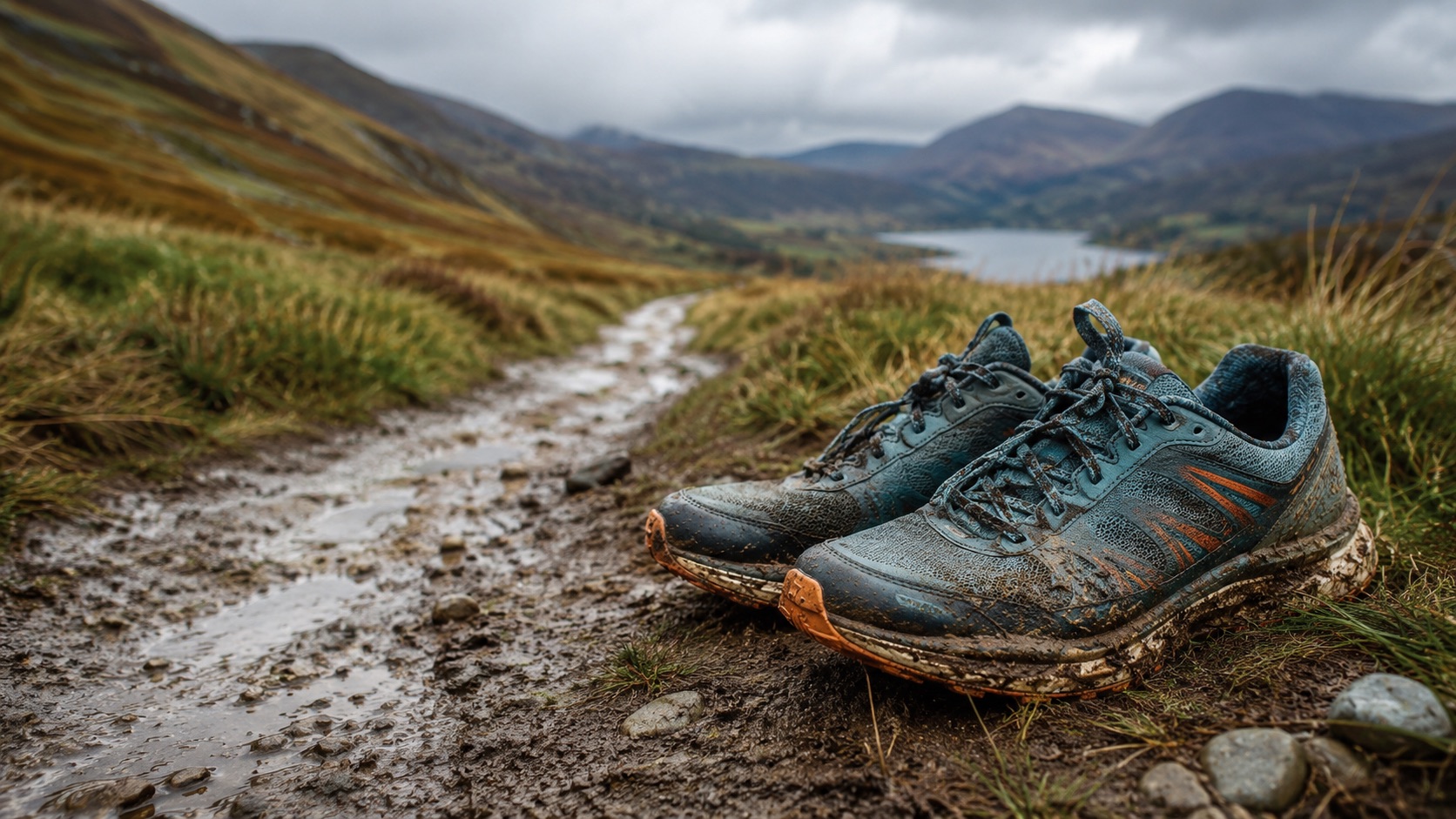
I have now run in the Ghost for four months. Through rain, through mud, through those awful early morning sessions where everything in me screamed to stay in bed. Not a single blister. Not a single joint complaint. These shoes made running feel possible for someone like me.
The Comparison
| Shoe | Price | What I Liked | What Hurt | Verdict |
|---|---|---|---|---|
| Decathlon Kalenji | 39 euros | Cheap, looked nice | Knee pain after week 2, zero cushion at my weight | Avoid if over 70kg |
| Nike Pegasus 41 | 130 euros | Great cushion, responsive | Slightly narrow, expensive for a maybe-hobby | Good but not perfect fit |
| Brooks Ghost 16 | 125 euros | Perfect width, plush, zero pain | Nothing so far | My recommendation |
What I Wish Someone Told Me
Looking back, here is the advice I needed before buying my first pair:
Go to a running store first. Not a sports megastore. Not online. An actual running specialty shop where someone watches you move. The 15 minutes they spend analyzing your gait saves you weeks of pain and wasted money. You can read more about this process in how to choose running shoes.
Your weight matters for shoe choice. No one told me this. Heavier runners need more substantial cushioning. Shoes that work beautifully for a 55kg experienced runner might collapse under an 82kg beginner. Be honest about your weight when asking for recommendations.
Try at least 3 pairs in the store. Do not buy the first shoe that feels okay. Your feet need to compare options. The Ghost felt obviously better than the other two I tried in the running store, but I would not have known that without the comparison.
The most expensive shoe is not necessarily the best shoe for you. The Pegasus costs more than the Ghost and was worse for my feet. Price indicates technology and brand positioning, not personal fit.
Do not buy shoes based on looks. I am guilty of this with the Decathlon pair. They looked sleek and matched my outfit. My knees did not care about aesthetics.
For Fellow Beginners Who Are Heavier
If you are starting to run at a higher body weight (and there is absolutely no shame in that, it is literally why I started), please hear me: you deserve shoes that support you properly. Do not punish yourself with bargain shoes because you feel like you have not “earned” proper gear yet.
Running at 82kg with poor shoes is painful. Running at 82kg with proper shoes is challenging but manageable. The shoes are the difference between “I hate this, my body is not built for running” and “this is hard but I can do this.”
The best running shoes for beginners guide has more options specifically chosen for new runners. And if budget is tight, check out the affordable running shoes for new runners list, which has solid options under 100 euros.
How I Know the Ghost Is Working
Four months in, here is what I notice:
- Zero knee pain (compared to constant pain in the Kalenji)
- No blisters or hot spots (compared to pinky toe pressure in the Pegasus)
- I can run for 35 minutes continuously now (up from 1 minute when I started)
- My legs feel tired after runs, but it is muscle fatigue, not joint pain
That distinction between muscle fatigue and joint pain is important. Muscle fatigue means your body is adapting. Joint pain means something is wrong, usually your shoes.
When to Replace and What to Watch For
I asked the running store guy how long my Ghost would last. He said 600-800km for someone my size. Since I am currently running about 15-20km per week, that gives me roughly 8-12 months before I need a new pair.
Signs it is time to replace: the cushioning feels noticeably flatter than when new, you start getting aches you had not experienced before, or you can see visible compression lines in the midsole foam.
For more on understanding when shoes are done, the running shoes under 100 euros guide also covers lifespan expectations for budget-friendly options.
My Advice: Spend on Shoes, Save on Everything Else
If I could go back six months, I would skip the Decathlon shoes entirely, go straight to the running store, and spend the 125 euros on the Ghost from day one. That saves me three weeks of knee pain, the 39 euros wasted on shoes that now live in the back of my closet, and the frustration of thinking my body just was not made for running.
Shoes are the one piece of gear where cutting corners costs you. Everything else (clothes, watch, accessories) can be cheap or borrowed or skipped entirely when you start. But shoes need to be right.
The Confidence Factor
This might sound silly, but having shoes that work properly gave me confidence to keep going. When you are a beginner and everything is hard, the last thing you need is your equipment making it harder. The Ghost let me focus on the actual challenge of building fitness instead of worrying about whether my feet would hurt today.
Every time I lace them up now, I trust that my body is protected. That trust lets me push a little further each week. From 1 minute of running to 35 minutes. From thinking I would never be a runner to signing up for my first 5K race in September.
Good shoes did not make me a runner. But bad shoes almost stopped me from becoming one.
FAQ
How much should a beginner spend on running shoes?
Between 100-140 euros gets you a quality shoe from a reputable brand. Below 80 euros, you start sacrificing meaningful cushioning and durability. You do not need the most expensive option (200+ euros racing shoes are overkill for beginners), but do not go bargain-basement either.
Should I buy running shoes online or in a store?
For your first pair, absolutely go to a physical running store with gait analysis. Once you know your size, fit preferences, and what works for your foot shape, you can buy subsequent pairs online (often cheaper). But that first fitting is invaluable.
Do I need different shoes for walking versus running?
Yes. Walking shoes and running shoes are designed for different impact forces and foot mechanics. Running generates 2-3 times your body weight in impact force per step. Walking shoes are not built to handle that repeatedly. If you are doing Couch to 5K (which involves running intervals), get running shoes.
My friend recommended their shoes. Should I buy the same ones?
Maybe, but probably not without trying them. Feet are incredibly individual. Your friend might have narrow feet, neutral pronation, and weigh 60kg. If you have wide feet, mild overpronation, and weigh 80kg, their perfect shoe could be your injury shoe. Use recommendations as a starting point, but always try before buying.
Can I run in my regular gym trainers?
For a week or two of very short run-walk intervals, you probably will not get hurt. But gym shoes (cross-trainers, lifting shoes, general fitness shoes) lack the heel-to-toe transition and impact cushioning specific to running. They are designed for lateral movement and stability, not forward repetitive impact. Switch to running-specific shoes as soon as possible.
Final Note
Starting to run is vulnerable. You feel slow, heavy, out of place. The last thing you need is equipment working against you. Get proper shoes. Go to a running store. Try multiple pairs. Your knees, your motivation, and your future running self will thank you.