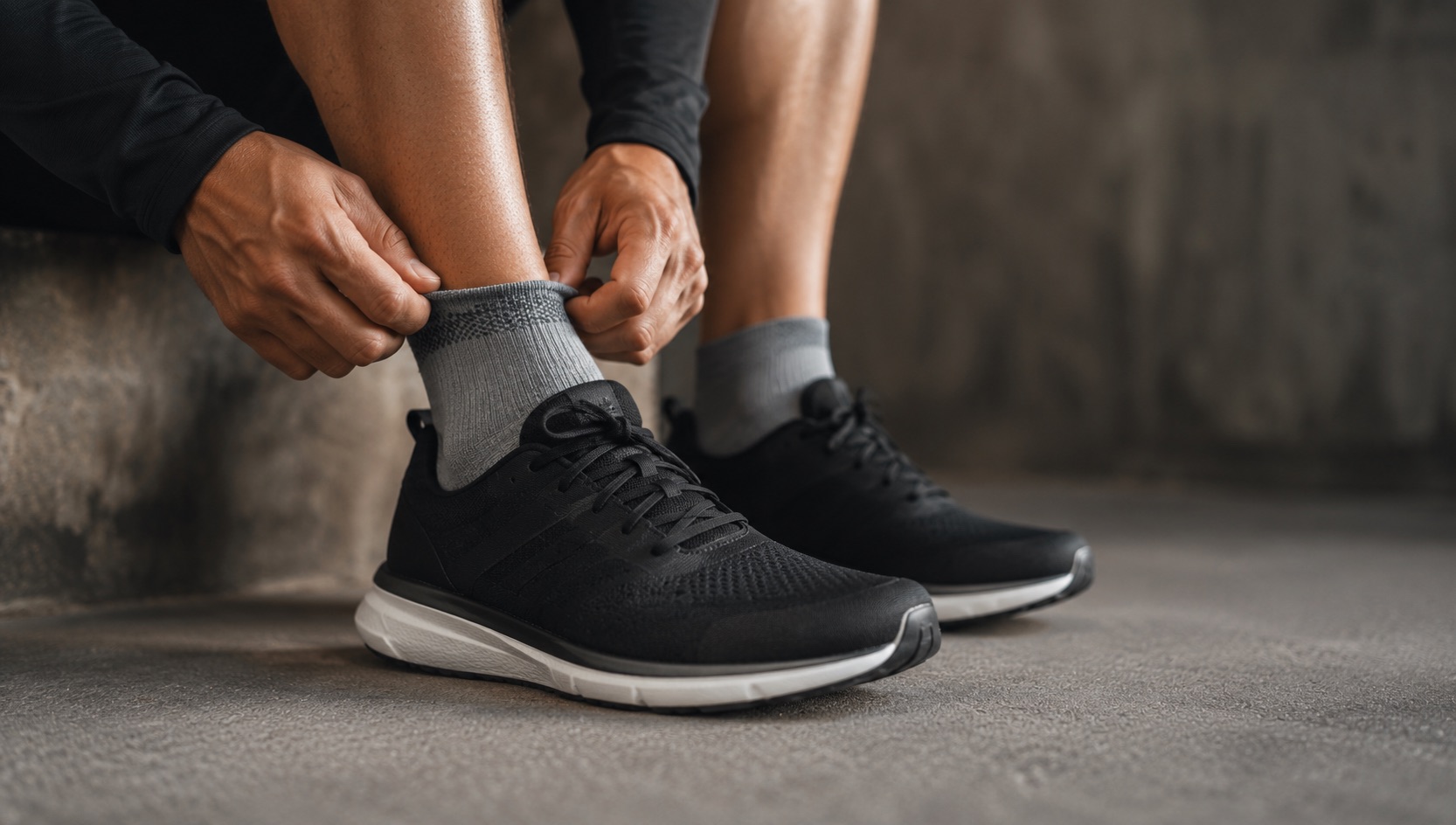
I Spent 500 Euro on Running Gear as a Beginner: What Was Worth It
Let me tell you a number that makes me cringe: 537 euros. That is how much I spent on running gear in my first four months as a beginner. For context, I was doing Couch to 5K. My longest run during that period was 5 kilometers. I could not run for more than 30 minutes continuously.
537 euros to jog slowly around my neighborhood.
Now, six months into my running journey, I can look back at every purchase with clear eyes. Some of that money was well spent. Some of it was wasteful. And some of it fell into a weird middle ground where the item became useful later, but buying it at the start was premature.
I am writing this because I know other beginners are sitting in front of their laptops right now, adding running gear to their shopping cart, wondering what is actually worth buying. I was you. Let me save you from my mistakes.
The Complete Purchase List
Here is everything I bought, in the order I bought it, with brutal honesty about its value:
| Item | Price | Value Rating | Hindsight Verdict |
|---|---|---|---|
| Decathlon Kalenji shoes (first pair) | 39 euros | 1/5 stars | Waste. Caused knee pain. Replaced in 3 weeks. |
| Nike Pegasus 41 (second pair) | 130 euros | 3/5 stars | Good shoe, wrong fit for me. Should have gone to a running store first. |
| Brooks Ghost 16 (third pair) | 125 euros | 5/5 stars | Perfect. Still wearing them. Worth every cent. |
| Shock Absorber sports bra | 55 euros | 5/5 stars | Essential. Life-changing difference from my old bralette. |
| Decathlon running tights | 25 euros | 5/5 stars | Cheap, functional, indestructible. Best value purchase. |
| Garmin Forerunner 265 | 250 euros | 3/5 stars | Great watch, but bought 3 months too early. Phone was fine initially. |
| AirPods Pro 2 | 130 euros | 2/5 stars | Did not need them. Old earbuds worked fine for C25K pace. |
| Running socks (3-pack Stance) | 32 euros | 4/5 stars | Helped prevent blisters. Could have bought cheaper ones though. |
| FlipBelt running belt | 25 euros | 1/5 stars | Never use it. My tights have a phone pocket. |
| Hydration vest (Decathlon) | 65 euros | 1/5 stars | Still has tags on it. You do not need water for 3km. |
| Foam roller | 35 euros | 2/5 stars | Eventually useful, but bought too early without knowing technique. |
| Body Glide anti-chafe | 8 euros | 5/5 stars | Cheap and essential once longer runs started. |
| Reflective clip light | 12 euros | 4/5 stars | Needed once I started running before sunrise. |
| Decathlon dry-fit shirt | 15 euros | 5/5 stars | Simple, cheap, massive upgrade from cotton. |
Total: 537 euros (if I had done it right from the start, I could have spent 260 euros and had everything I needed)
The Purchases That Were Worth Every Euro
Brooks Ghost 16 (125 euros)
My third pair of shoes and the first one that actually worked. I went to a running specialty store, got fitted properly, and walked out with shoes that transformed my experience. Zero knee pain, zero blisters, four months of daily use and still going strong.
The lesson was expensive (I wasted 169 euros on two previous pairs first), but the Ghost itself was worth every cent. If you are looking for beginner shoe recommendations, check out the best running gear for beginners guide where I go deeper on what to look for.
Shock Absorber Sports Bra (55 euros)
I cannot overstate how important this was. Running in a regular bra or cheap sports bralette is painful if you are above a B cup. The difference was immediate and dramatic. I went from dreading the bouncing to not thinking about my chest at all during runs. That mental freedom alone was worth the price.
Decathlon Running Tights (25 euros)
Proof that expensive does not mean better. These 25-euro tights have outlasted items costing four times as much. The waistband stays up, the fabric does not pill, and the phone pocket actually holds my phone securely during running. I bought a second pair in a different color and they are all I wear for running.
Body Glide (8 euros)
Eight euros. That is what it cost to solve inner thigh chafing that was making every run miserable from minute 15 onward. I should have bought this in week one. Instead, I suffered for a month thinking chafing was just “part of running.” It is not. Anti-chafe products are magic.
Decathlon Dry-Fit Shirt (15 euros)
I ran in a cotton t-shirt for three weeks and it was horrible. The fabric gets heavy when wet, sticks to your skin, and takes forever to dry. A basic polyester running shirt solved everything. You do not need a 60-euro brand-name shirt. The 15-euro Decathlon version performs identically.
The Purchases That Were Questionable
Garmin Forerunner 265 (250 euros)
This is complicated because the watch is genuinely excellent. The screen is beautiful, the GPS is accurate, and the training features are comprehensive. But I bought it before my first run. At that point, all I needed was a timer and distance tracker, both of which my phone provided for free through the Strava app.
The watch became useful around month 4 when I started paying attention to heart rate zones, wanted real-time pace data during runs, and stopped carrying my phone. But spending 250 euros before knowing whether I would stick with running was a gamble. I got lucky that I kept going. Many C25K starters quit in week 3.
My advice: wait at least 8-12 weeks before buying a GPS watch. If you decide you want one, the best GPS watch under 200 euros guide has options that offer everything a beginner needs without the premium price.
Running Socks (32 euros for 3 pairs)
Good running socks do help prevent blisters. But 32 euros for three pairs of Stance socks was unnecessary when Decathlon sells functional running socks for 12 euros for three pairs. The padding placement and moisture-wicking are similar. I paid a premium for a brand name and colorful designs that nobody sees inside my shoes.
Foam Roller (35 euros)
Eventually useful. But when I bought it, I watched one YouTube video, rolled aggressively on my IT band, and decided it was torture with no benefit. It sat unused for two months. Only after a physiotherapist showed me proper technique and appropriate pressure did foam rolling become a regular part of my routine. The tool was fine. My timing and knowledge were wrong.
The Purchases That Were Pure Waste
Decathlon Kalenji Shoes (39 euros)
I have already written about this at length, but these caused knee pain, offered almost no cushioning at my weight, and were abandoned after three weeks. Thirty-nine euros thrown away because I prioritized price over function.
AirPods Pro 2 (130 euros)
Genuinely good earbuds, but I already had perfectly functional wired earbuds. At C25K pace (which involves a lot of walking), you do not need noise cancellation, active transparency mode, or water resistance. I bought these because I wanted to feel like “a runner with proper gear.” That is not a need. It is an insecurity.
FlipBelt Running Belt (25 euros)
Completely redundant because my 25-euro running tights already have a phone pocket that works perfectly. I never once used the FlipBelt for running. It now holds random chargers in my desk drawer.
Hydration Vest (65 euros)
The most embarrassing purchase on this list. I bought a hydration vest for runs that lasted 15-25 minutes. You cannot even get properly dehydrated in that time unless it is 40 degrees outside. This purchase was pure aspiration. I was buying gear for the runner I imagined becoming, not the runner I actually was.
What 537 Euros Taught Me
The biggest lesson: gear does not make you a runner. Running makes you a runner. I know that sounds obvious, but when you are a beginner feeling insecure and out of place, buying gear feels like progress. It feels like you are doing something productive toward your goal even on rest days.
But it is not progress. It is shopping. Progress is putting on your shoes (whichever shoes) and going outside.
The second lesson: buy solutions, not aspirations. Every useful purchase I made solved an existing problem. The Brooks solved my knee pain. The sports bra solved the bouncing. The Body Glide solved the chafing. Every wasteful purchase was buying for a hypothetical future version of myself.
What I Would Buy Differently
If I could restart with the same budget and current knowledge:
Month 1 (200 euros): Brooks Ghost 16 (125 euros, from a running store), sports bra (55 euros), Decathlon tights (25 euros). Start running in any old t-shirt.
Month 2 (25 euros): Dry-fit shirt (15 euros), Body Glide (8 euros), cheap running socks if getting blisters (12 euros).
Month 4 (200 euros): GPS watch (I would buy the Garmin Forerunner 165 at 200 euros instead of the 265 at 250 euros. The cheaper model has everything a beginner needs).
Total: 425 euros spread over 4 months instead of 537 euros dumped in the first two weeks.
For more ideas on smart budget gear choices, the budget running gear guide for 2026 is what I wish I had read before opening my wallet. And the Reddit running gear regrets thread is full of people who made the exact same mistakes I did.
For Beginners About to Buy
Here is my challenge to you: buy only shoes, a bra (if applicable), and non-cotton bottoms. Run for four weeks. Then write down what is actually bothering you during runs. Only buy gear that directly solves the problems you have written down.
You will spend less. You will waste less. And most importantly, you will prove to yourself that running is about effort, not equipment. The gear can come later, once you have earned the knowledge of what you actually need through experience rather than Instagram aspiration.
FAQ
Is 500 euros normal spending for a beginner runner?
It is more common than you might think. Running brands market heavily to beginners because they know new runners are eager to buy their way into the identity. Forums are full of people who spent 300-600 euros before their first month was done. Normal does not mean necessary though. You can start for under 200 euros easily.
What single purchase had the biggest impact on your running?
The Brooks Ghost 16, without question. Proper shoes that fit my feet and supported my weight transformed running from a painful obligation into something manageable. If you can only afford one good item, make it shoes.
Do you regret buying the Garmin watch?
Not anymore, because I use it daily now. But I regret buying it before week one. If I had waited until month 3-4, I would have bought it with more knowledge about what features I actually needed and possibly chosen a less expensive model. The timing was wrong, not the purchase itself.
How do I avoid over-buying as a beginner?
Implement a 30-day rule for anything beyond shoes and basics. If you want something, put it on a list and wait 30 days. If you still want it and can identify a specific problem it solves, buy it. Most items will fall off the list as the impulse fades.
Should I buy gear on sale to save money?
Yes, but only if you actually need the item. A 40% discount on something you do not need is still wasted money. What works better: identify what you need first, then look for sales on that specific item. End-of-season sales (January for winter gear, July for summer gear) are great for planned purchases.
Closing Thoughts
I do not regret starting my running journey. I do slightly regret how I started my shopping journey. But every unnecessary purchase taught me something about what I actually value as a runner, which is simplicity. Shoes that work, clothes that do not hurt, and the freedom to just go run without fussing over technology and accessories.
537 euros lighter and considerably wiser. I hope this saves you some of both.