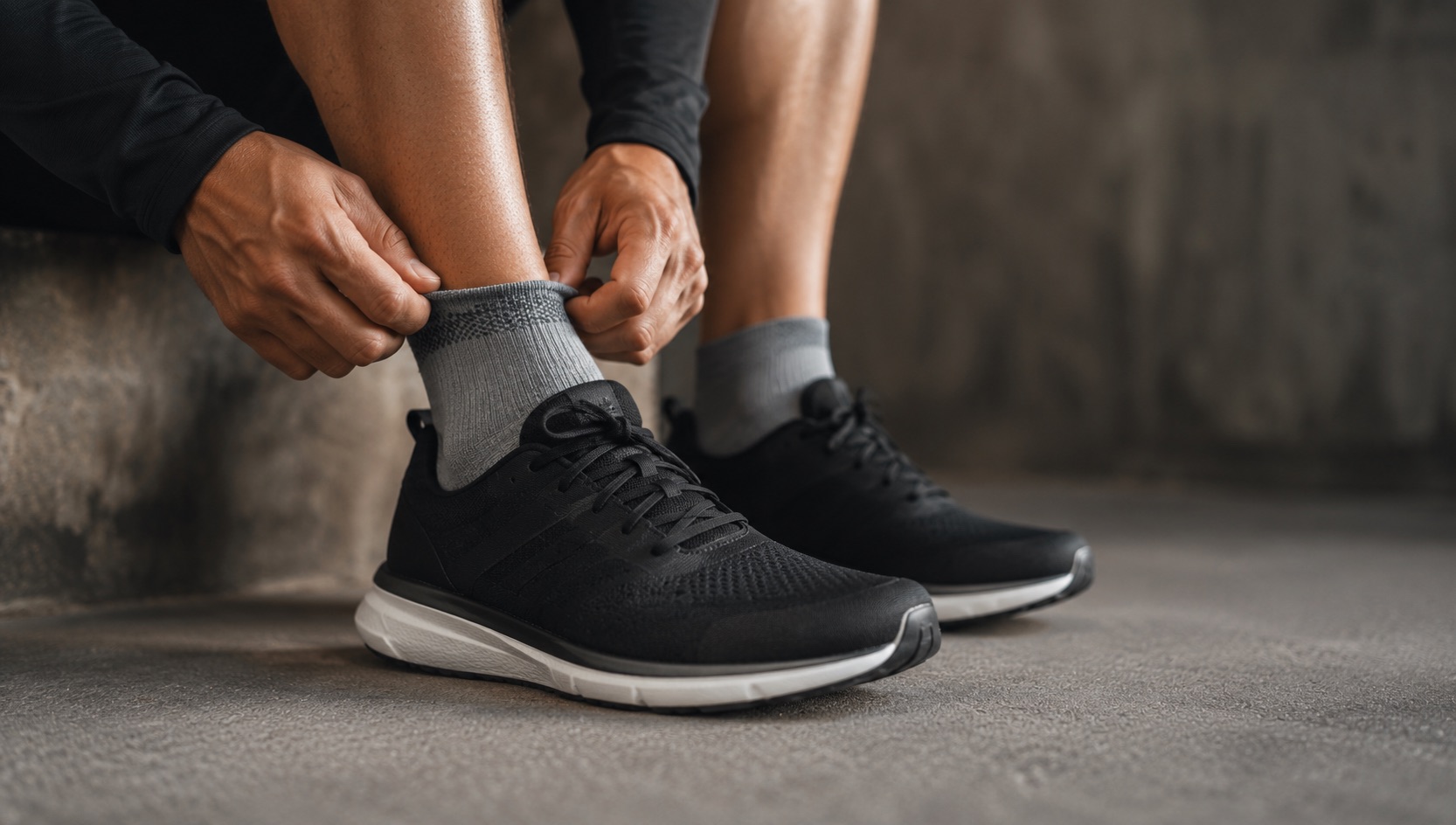
Starting Running After 50: Gear That Made the Difference
I started running at 48 years old. Not because I had some grand athletic ambition or wanted to run a marathon. I started because my doctor said my bone density was declining, my energy was low, and walking was not enough anymore. She suggested jogging. Just easy jogging.
Two years later, I run three to four times per week. Nothing fast, nothing far by most standards. Thirty to forty minutes at a comfortable pace. But it changed my life. My energy is better than it has been in a decade. My sleep improved. My mood stabilized. I lost weight without dieting. Running became the anchor of my week.
But getting here was not straightforward. I bought the wrong things. I bought unnecessary things. I dealt with blisters, shin pain, and a confusing world of GPS watches and training apps that seemed designed for twenty-somethings chasing personal records. None of that was meant for me.
Here is what actually helped, what I wasted money on, and what I wish someone had told me before that first hesitant jog around the block.
The Gear That Actually Mattered
1. Maximum Cushion Shoes (Hoka Bondi 9)
This is the single most important purchase I made. Before the Bondi, I was running in general athletic shoes from a department store. My knees ached after every run. My feet hurt. I thought running was just painful for someone my age.
Then a friend who is also a later-in-life runner suggested I go to a proper running store and get fitted. They put me in Hoka Bondi 9. The difference was immediate. The thick, soft cushioning absorbs impact before it reaches my joints. The rocker shape rolls me forward with each step so I do not have to push off as aggressively.
At 50+, your joints have decades of wear. They do not recover like they did at 25. Cushioning is not a luxury at this age; it is a necessity. I would rather spend more on shoes and less on everything else. The shoes keep me running. Everything else is secondary.
For a complete rundown of beginner-friendly shoe options at various price points, the best running shoes for beginners guide covers the market well.
2. A Simple GPS Watch (Garmin Venu 3S)
I did not buy this myself. My husband researched it, bought it for my birthday, synced it to my phone, and set it up with two screens: one showing time and distance, another showing pace and heart rate. I press one button to start, one button to stop. That is all I need to know.
The Garmin Venu 3S is smaller than most running watches, which matters for my wrist. The display is beautiful and easy to read. It tells me how far I ran and how long it took. That information keeps me motivated without overwhelming me.
I do not use training plans on it. I do not follow the recovery advisor. I do not look at VO2 max estimates. Those features exist, but they are not for me. I just want to see my distance after each run and feel good about it.
If you are looking for a watch that prioritizes simplicity for older runners, this guide covers the best options with readability and ease of use in mind.
3. A Foam Roller (Daily, Non-Negotiable)
At this age, you cannot just run and do nothing else. Your muscles tighten faster, release slower, and complain louder than they did twenty years ago. My foam roller is the tool that keeps me running.
I spend ten minutes every evening rolling my calves, quads, IT band, and glutes. It is not pleasant. Sometimes it is quite uncomfortable. But the morning after foam rolling, my legs feel ready for the next run. Without it, I feel stiff and heavy.
I bought a basic textured foam roller for about $25. Nothing fancy. It sits in my living room and I use it while watching television. It has become as automatic as brushing my teeth. At 50+, recovery is not optional. It is the thing that determines whether you can keep running or not.
For different foam roller options and what to look for, this guide covers the best foam rollers for runners at every price point.
4. Good Running Socks
This sounds trivial. It is not. In my first month of running, blisters ended three of my runs early. I was wearing cotton socks. Cotton absorbs moisture, holds it against your skin, and creates friction. By kilometer three, I had raw spots on my heels and toes.
I switched to proper running socks (moisture-wicking synthetic material with light cushioning and no seams in the toe area) and blisters vanished overnight. A $15 pair of running socks saved me more grief than any other purchase.
If you are getting blisters, change your socks before you change anything else. It is almost always the socks.
What I Wasted Money On
Carbon Plate Racing Shoes
A sales assistant at a running store suggested carbon plate shoes because they “make you faster.” They cost $250. I wore them three times. They felt stiff, unstable, and aggressive. They are designed for people running sub-4 minute kilometers in races. I run 6:30 per kilometer on a good day. Carbon shoes did nothing for me except make my wallet lighter.
If you are a recreational runner over 50 who is not racing competitively, you do not need carbon plate shoes. Save that money for a second pair of cushioned trainers instead.
A Chest Strap Heart Rate Monitor
Someone online said wrist heart rate is inaccurate and I should get a chest strap for “proper training.” So I bought one. It was uncomfortable, slipped down during runs, and the data it gave me was only marginally different from my watch’s wrist sensor. For someone running easy efforts three times a week, wrist heart rate is perfectly fine. The chest strap lives in a drawer now.
Complex Training Apps
I downloaded three paid training apps in my first year. TrainingPeaks ($20/month), a 10K plan app ($10/month), and a running form analysis subscription ($15/month). I used each for about two weeks before feeling overwhelmed and inadequate.
These apps are built for competitive runners who want to optimize every aspect of performance. I just want to run comfortably three times a week. A simple watch that shows distance and time is all the “training technology” I need. The apps made running feel like homework instead of freedom.
The Complete Picture: What My Running Kit Costs
| Item | What I Use | Cost | Essential? |
|---|---|---|---|
| Running shoes | Hoka Bondi 9 | $165 | Yes, absolutely |
| GPS watch | Garmin Venu 3S | $450 (gift) | Very helpful but not mandatory |
| Foam roller | Basic textured roller | $25 | Essential for recovery |
| Running socks (3 pairs) | Moisture-wicking, cushioned | $45 | Essential |
| Running leggings | Basic moisture-wicking | $35 | Nice to have |
| Sports bra | Medium support | $40 | Essential |
| Light jacket | Wind/rain resistant | $50 | Seasonal essential |
Total essential cost: ~$360 (shoes, roller, socks, sports bra) Total with nice-to-haves: ~$810
The expensive stuff (watch, jacket, leggings) is helpful but not required to start. You can begin with just cushioned shoes, good socks, a sports bra, and any comfortable clothing you already own.
What I Wish Someone Told Me Before Starting
It is supposed to feel hard at first. My first run was 2 minutes of jogging and 3 minutes of walking, repeated four times. I thought I was failing because it felt so difficult. I was not failing. That is simply what the first weeks feel like when your body is not conditioned for running. It gets easier. It took me about six weeks before a 20-minute run felt manageable.
Your joints need time to adapt. Muscles adapt quickly. Tendons, ligaments, and cartilage adapt slowly. Even if your cardiovascular system can handle more running, your joints might not be ready. Three runs per week with rest days between them is enough at our age. Never run two days in a row in the first year.
Other runners are not judging you. I was self-conscious about being slow, about walking during runs, about not looking like a runner. Nobody cares. Every runner you pass was once a beginner too. The running community is overwhelmingly supportive of people starting later in life.
The foam roller matters more than the watch. If I had to choose between my GPS watch and my foam roller, I would keep the roller. Tracking is motivating, but recovery is what keeps you injury-free. At 50+, the limiting factor is rarely fitness. It is recovery.
If you are over 40 and thinking about starting, this complete guide to running after 40 covers the progression from first steps to consistent runner with age-appropriate advice.
Two Years Later
I run about 15-20 kilometers per week now. Nothing impressive by running community standards. But for a 50-year-old woman who could barely jog for two minutes two years ago, it feels like an achievement worth celebrating.
My gear is simple. My cushioned shoes protect my joints. My foam roller keeps my muscles supple. My watch shows me I am making progress. My good socks prevent blisters. That is the whole system.
I do not track pace obsessively. I do not follow training plans. I do not care about personal records. I run for health, for mental clarity, and for the quiet satisfaction of proving to myself that it is never too late to become someone who runs.
The gear that made the difference was not expensive or complicated. It was the right shoes for aging joints, a recovery tool I use daily, and the wisdom to ignore everything the running industry told me I needed but did not.
Start simple. Stay consistent. The rest takes care of itself.
FAQ
What shoes do you recommend for someone over 50 who is just starting?
Maximum cushion shoes from Hoka (Bondi or Clifton), Brooks (Glycerin), or ASICS (Gel Nimbus). Go to a running store and get fitted. Tell them you are a new runner over 50 and you want maximum cushion. They will find the right shoe for your foot shape. Expect to spend $150-170.
Do I really need a GPS watch to start running?
No. You can start with nothing but a regular watch to track time. A phone app works too if you want distance. A GPS watch is a nice motivational tool once you are committed, but it is not required in the first weeks or months. Start with the shoes. Add the watch later if you enjoy running.
How often should someone over 50 run?
Three times per week is a great target. Never on consecutive days in the first year. Your body needs 48 hours between runs for joint recovery. If you feel good and want more movement on rest days, walk or swim instead. Rest days are not wasted days; they are building days.
Is foam rolling really necessary or just trendy?
For runners over 50, it is genuinely necessary in my experience. Our muscles lose elasticity with age. They tighten faster after exercise and release slower. Foam rolling maintains the suppleness that lets you run again in two days instead of being stiff for four. Ten minutes daily makes an enormous difference. It is not trendy; it is maintenance.
What if running hurts my knees even with good shoes?
If knee pain persists with proper cushioned shoes, see a physiotherapist who works with runners. Pain is a signal worth investigating. Common causes in older runners include weak glutes, tight IT bands, or running too much too soon. Most knee issues in new runners are fixable with targeted strengthening and better pacing, not by stopping running entirely.