How to Run Your First 5K - Complete Beginner's Guide 2026
How to Run Your First 5K - Complete Beginner’s Guide 2026
Running a 5K is one of the most achievable and rewarding fitness goals you can set. It’s 3.1 miles - far enough to feel like an accomplishment, short enough that almost anyone can get there with 8 weeks of consistent training. You don’t need to be fast. You don’t need fancy gear. You just need to show up and follow a simple plan.
I remember my first 5K vividly. I was nervous, overdressed, went out too fast, and walked more than I planned. I also crossed that finish line grinning like an idiot. That feeling - of doing something you weren’t sure you could do - is why millions of people sign up for 5Ks every year.
This guide covers everything you need: a proven 8-week training plan, the gear that actually matters, what to expect on race day, and the mistakes every beginner makes so you can avoid them.
The 8-Week Walk/Run Training Plan
This plan assumes you can currently walk for 30 minutes without difficulty. If that feels hard, add 2-4 weeks of walking-only preparation first. The goal is to finish the 5K - speed is completely irrelevant right now.
Train 3 days per week with at least one rest day between sessions. Each session includes a 5-minute walking warm-up and 5-minute walking cool-down (not shown in the table).
| Week | Session Format | Total Active Time | Notes |
|---|---|---|---|
| 1 | Run 1 min / Walk 2 min × 8 | 24 min | Keep the run very easy - conversational pace |
| 2 | Run 2 min / Walk 2 min × 6 | 24 min | Same effort as Week 1, just longer intervals |
| 3 | Run 3 min / Walk 2 min × 5 | 25 min | You’re now running more than walking |
| 4 | Run 4 min / Walk 1 min × 5 | 25 min | Walking breaks get shorter |
| 5 | Run 5 min / Walk 1 min × 5 | 30 min | Focus on steady breathing |
| 6 | Run 8 min / Walk 1 min × 3 | 27 min | Approaching continuous running |
| 7 | Run 12 min / Walk 1 min × 2 | 26 min | You can do this |
| 8 | Run 20 min continuous, then run/walk | 30 min | Race week - one session only, then rest |
Key rules:
- If a week feels too hard, repeat it. There’s no shame in that.
- Run slow enough to hold a conversation. If you’re gasping, you’re going too fast.
- Walk breaks are a strategy, not a failure. Even experienced runners use walk/run methods.
For app-based alternatives to this plan, check out our roundup of the best Couch to 5K apps and plans for 2026.
Essential Gear for Your First 5K
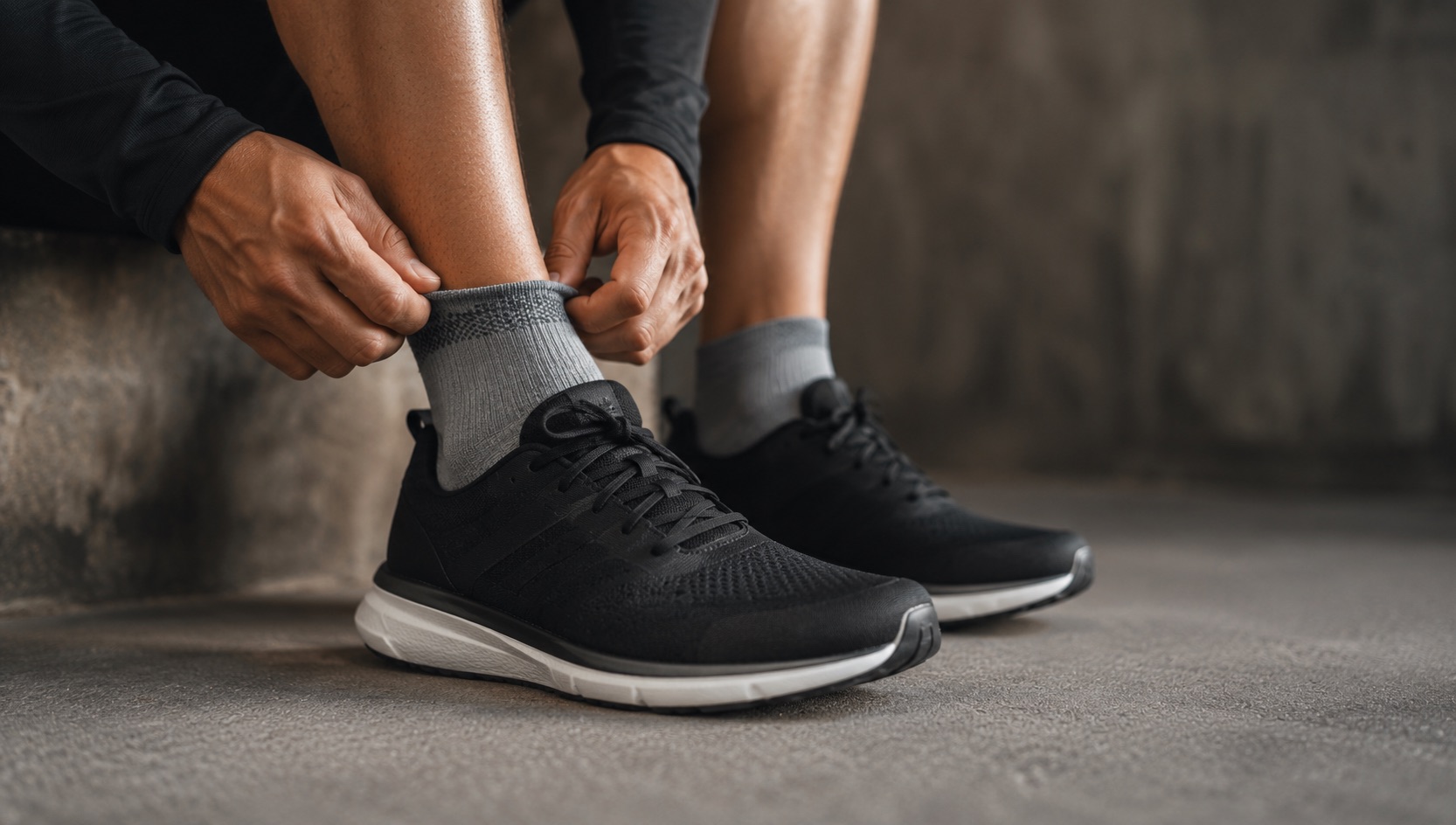
The good news: you don’t need much. The bad news: the one thing you do need - proper running shoes - is non-negotiable.
Running shoes: Go to a local running store and get fitted. Tell them you’re training for your first 5K. They’ll watch you walk or run, check your foot shape, and recommend options. Expect to spend $120-160. Don’t run in old tennis shoes, basketball shoes, or fashion sneakers. Your joints will thank you.
For specific shoe recommendations, see our guide to the best running shoes for beginners in 2026.
Moisture-wicking clothes: Cotton holds sweat and causes chafing. Any synthetic running shirt and shorts will work. They don’t need to be expensive - discount stores sell perfectly good moisture-wicking gear for under $20.
Sports bra (if applicable): This is as important as shoes. Get fitted at a running store for high-impact support.
That’s it. You don’t need a GPS watch, a hydration vest, energy gels, compression socks, or any of the other gear you’ll see at races. Those can come later if you catch the running bug. For a fuller beginner gear breakdown, see our best running gear for beginners guide.
Choosing Your First Race
Pick a race that’s beginner-friendly. Here’s what to look for:
- Large events: More runners means more people at your pace. You won’t feel alone at the back.
- Flat courses: Save the hills for later. A flat park loop or waterfront path is ideal.
- Charity or community events: These tend to have the friendliest atmosphere and least competitive pressure.
- No cutoff time: Some races have pace cutoffs. Your first 5K shouldn’t have one.
Sign up at least 6 weeks before the event. Having a date on the calendar creates accountability that nothing else can match.
Training Tips That Actually Matter
Run by effort, not pace. Forget about speed. If you’re running easy enough to chat with a friend or sing along to your podcast, you’re at the right effort. Most beginners run way too fast, get exhausted, and quit. Slow down.
Consistency beats intensity. Three easy 25-minute sessions per week will get you to the finish line. Two hard 40-minute sessions with missed days in between won’t. Show up regularly at an easy effort.
Rest days are training days. Your body adapts during rest, not during runs. Take at least one full rest day between running days. Walking, swimming, or gentle yoga on rest days is fine.
Don’t add extra distance. Follow the plan. Running extra miles because you feel good is how beginners get injured in week 4. Trust the progressive overload built into the schedule.
Find a running buddy. Accountability is powerful. A friend, a local running club beginner group, or even an online community can keep you on track during weeks when motivation drops.
The Week Before Your Race
The week before your 5K, you should:
- Run only once: A short, easy 15-20 minute run early in the week. Then rest.
- Don’t try anything new: No new shoes, socks, clothes, or food. Race day is not experiment day.
- Pick up your race number: Most events have packet pickup the day before. Know where and when.
- Plan logistics: How are you getting there? Where do you park? What time should you arrive? Aim for 45-60 minutes before the start.
- Lay out everything the night before: Shoes, socks, clothes, number, pins, phone, water bottle.
- Sleep well two nights before: The night before a race, adrenaline often disrupts sleep. That’s fine - it’s the sleep two nights prior that matters more.
Race Day - What to Expect
Before the start: Arrive early. Use the bathroom (the line will be long - go twice). Do a 5-minute walk to warm up. Find a position toward the back of the starting pack. Fast runners start at the front; you want to be behind them.
The first mile: You will feel amazing and want to sprint. Don’t. The adrenaline of race day makes everything feel easier than training. Start slower than you think you should. If you run your first mile too fast, miles 2 and 3 will be miserable.
The middle: This is where it gets honest. Your legs might feel heavy, your breathing harder. This is normal. Stick to your walk/run intervals if you’re using them. Focus on the next lamppost, the next turn, the next person ahead of you.
The finish: Once you see the finish line, you’ll find energy you didn’t know you had. Enjoy that moment. You earned it.
After the finish: Walk for 5-10 minutes. Drink water. Eat whatever free snacks are available. Collect your medal if there is one. Text everyone you know. You’re a runner now.
Common Beginner Mistakes
Starting too fast on race day. This is universal. The excitement, the crowd, the music - it all makes you feel faster than you are. Commit to starting slow.
Wearing brand-new shoes to the race. Break in any new shoes for at least 2-3 weeks before the event. Blisters at mile 1 will ruin your day.
Skipping the warm-up walk. Five minutes of brisk walking before running prepares your muscles and joints. It makes the first few minutes of running feel dramatically better.
Comparing yourself to others. The runner next to you might be on their 50th 5K. The person who passes you might be running a 5K as a recovery run during marathon training. Your only competition is the version of you that was sitting on the couch 8 weeks ago.
Overcomplicating nutrition. For a 5K, you don’t need gels, electrolyte drinks, or a pre-race nutrition strategy. Eat a normal meal 2-3 hours before, have some water, and you’re fine.
What Comes After Your First 5K
Most people who complete a 5K do one of two things: they immediately sign up for another one hoping to go faster, or they set their sights on a 10K. Both are great choices.
If you want to get faster at 5K, the answer is surprisingly simple: keep running easy miles, add one day per week, and slowly build your weekly volume. Speed comes from consistency and aerobic development, not from running hard every session.
If you want to try 10K, you’re already most of the way there. A progression from your current fitness would take another 6-8 weeks of gradual building.
Related reading: Best Interval Training Workouts for 5K Speed 2026
FAQ
How long does it take to train for a 5K from zero?
Most complete beginners can prepare for a 5K in 8-10 weeks with three training sessions per week. If you’re already somewhat active (regular walking, gym workouts, cycling), you might be ready in 6 weeks. The key variable is your current cardiovascular fitness. If 30 minutes of brisk walking feels easy, you’re ready to start an 8-week plan. If it doesn’t, add a few weeks of walking first.
Can I walk during the 5K if I need to?
Absolutely. Many people walk portions of their first 5K, and many experienced runners use walk/run strategies intentionally. Run/walk methods (like running 4 minutes, walking 1 minute) are proven to reduce injury risk and often produce faster finish times than running continuously at a hard effort. No one at the finish line checks whether you walked.
What time should I aim for in my first 5K?
Don’t aim for a time. Aim to finish. That said, most beginner runners finish between 30-40 minutes, and walk/runners typically finish in 35-50 minutes. These are all perfectly respectable times. The average 5K finish time across all participants is around 33-35 minutes. But truly - for your first race, the clock doesn’t matter. Finishing is the achievement.
Do I need to see a doctor before starting to run?
If you’re under 40, generally healthy, and have no known heart or joint conditions, you can likely start a gentle walk/run program without medical clearance. However, if you have any pre-existing conditions (heart disease, diabetes, joint problems, significant overweight), if you’re over 40 and sedentary, or if you experience chest pain, dizziness, or unusual shortness of breath during exercise, see a doctor first. When in doubt, get checked - it’s a quick appointment for significant peace of mind.
What should I eat before my first 5K race?
Keep it simple and familiar. Eat a normal, easily digestible meal 2-3 hours before the race - toast with peanut butter, oatmeal with banana, or a bagel with cream cheese are classic choices. Avoid high-fiber, high-fat, or spicy foods that might cause stomach issues. Have some water but don’t over-hydrate. For a 5K, you don’t need gels, sports drinks, or special nutrition. Your body has plenty of stored energy for 30-50 minutes of effort.
You’ve Got This
A 5K is not about being a runner. It’s about becoming one. Eight weeks from now, you’ll cross a finish line, and something will shift. You’ll realize that you’re capable of more than you thought - and that’s the real prize. Lace up, start with Week 1, and trust the process.