Couch to 5K - Best Apps and Plans for Beginners 2026
So you want to start running. Maybe you haven’t exercised in years. Maybe the last time you ran was chasing a bus. That’s completely fine - Couch to 5K programs exist precisely for people like you, and they work ridiculously well.
The idea is simple: start with walking, add short bursts of running, and within a few weeks you’re running 5 kilometres without stopping. Millions of people have done it. You absolutely can too.
But with so many apps and plans available in 2026, which one should you actually use? I’ve broken down the best options so you can pick the right fit and get moving.
How Couch to 5K Works
Every C25K program follows the same proven principle: run/walk intervals that gradually shift the balance from walking to running.
In week one, you might run for 60 seconds and walk for 90 seconds, repeating that pattern for 20–30 minutes. Each week, the running intervals get a little longer and the walking breaks get a little shorter. By the final weeks, you’re running continuously.
Your body adapts surprisingly fast when you give it consistent, progressive stimulus without overdoing it. That’s the genius of C25K - it holds you back just enough to avoid injury while pushing you forward enough to build real fitness.
Most programs ask for three sessions per week. That’s it. Three times, 20–30 minutes each. You don’t need to rearrange your life.
The Best C25K Apps and Plans Compared
| App / Plan | Price | Duration | Coaching Style | Flexibility | Watch Sync | Best For |
|---|---|---|---|---|---|---|
| NHS Couch to 5K | Free | 9 weeks | Audio coaching with celebrity narrators | Low - fixed schedule | No | Absolute beginners who want structure |
| None to Run | Free | 12 weeks | Written plan with audio cues | Medium - can repeat weeks | No | Slower starters or injury-prone runners |
| Nike Run Club | Free | Guided runs (flexible timeline) | Audio-guided by Nike coaches | High - pick your own runs | Apple Watch, Wear OS | People who hate rigid schedules |
| Runna C25K | $15/mo | 8–12 weeks (adaptive) | Adaptive plan with real coach input | High - adjusts to feedback | Apple Watch, Garmin, Wear OS | Tech-savvy runners who want personalization |
| Garmin Coach 5K | Free with Garmin | 12–16 weeks (adaptive) | Adaptive with wrist-based feedback | High - adjusts to performance | Garmin watches | Anyone who already owns a Garmin |
Which App Matches Your Fitness Level
If you’re a true beginner (haven’t exercised in 6+ months): Start with NHS Couch to 5K. It’s free, the structure is clear, and the audio coaching removes all guesswork. You press play and do what the voice tells you. Nine weeks later, you’re a runner.
If you’re worried about going too fast or have joint concerns: None to Run takes 12 weeks instead of 9, with a gentler progression in the early weeks. There’s no shame in going slower - arriving healthy matters more than arriving fast.
If you travel a lot or your schedule is unpredictable: Nike Run Club doesn’t lock you into a rigid weekly plan. Pick a guided run when you have time. The flexibility means you’re less likely to “fall behind” and quit.
If you already own a Garmin watch: Use Garmin Coach. It’s free, it lives on your wrist, and it adapts based on your actual performance data. No phone needed during runs.
If you want the most personalized experience: Runna costs money, but it adjusts your plan week to week based on how you’re feeling and performing. If you can afford it, the adaptive coaching is excellent.
Pros and Cons: Top 3 Apps
NHS Couch to 5K
Pros:
- Completely free, no upsells
- Dead simple - zero decision fatigue
- Audio coaching keeps you on pace
- Huge community for accountability
Cons:
- No watch sync - phone required
- Fixed 9-week structure with no adaptation
- Can feel too fast for some in weeks 5–6
None to Run
Pros:
- Gentler progression reduces injury risk
- Free and well-designed
- Great for people with higher body weight or joint issues
- 12 weeks gives your body more time to adapt
Cons:
- No audio coaching built in
- No app - it’s a written plan you follow manually
- Less community support than NHS version
Nike Run Club
Pros:
- Beautiful app with excellent audio coaching
- Completely flexible - no rigid weekly structure
- Syncs with Apple Watch and Wear OS
- Free with no premium tier
Cons:
- Requires more self-discipline to stay consistent
- Not a true structured C25K - more “guided runs for beginners”
- Can be overwhelming with too many run options
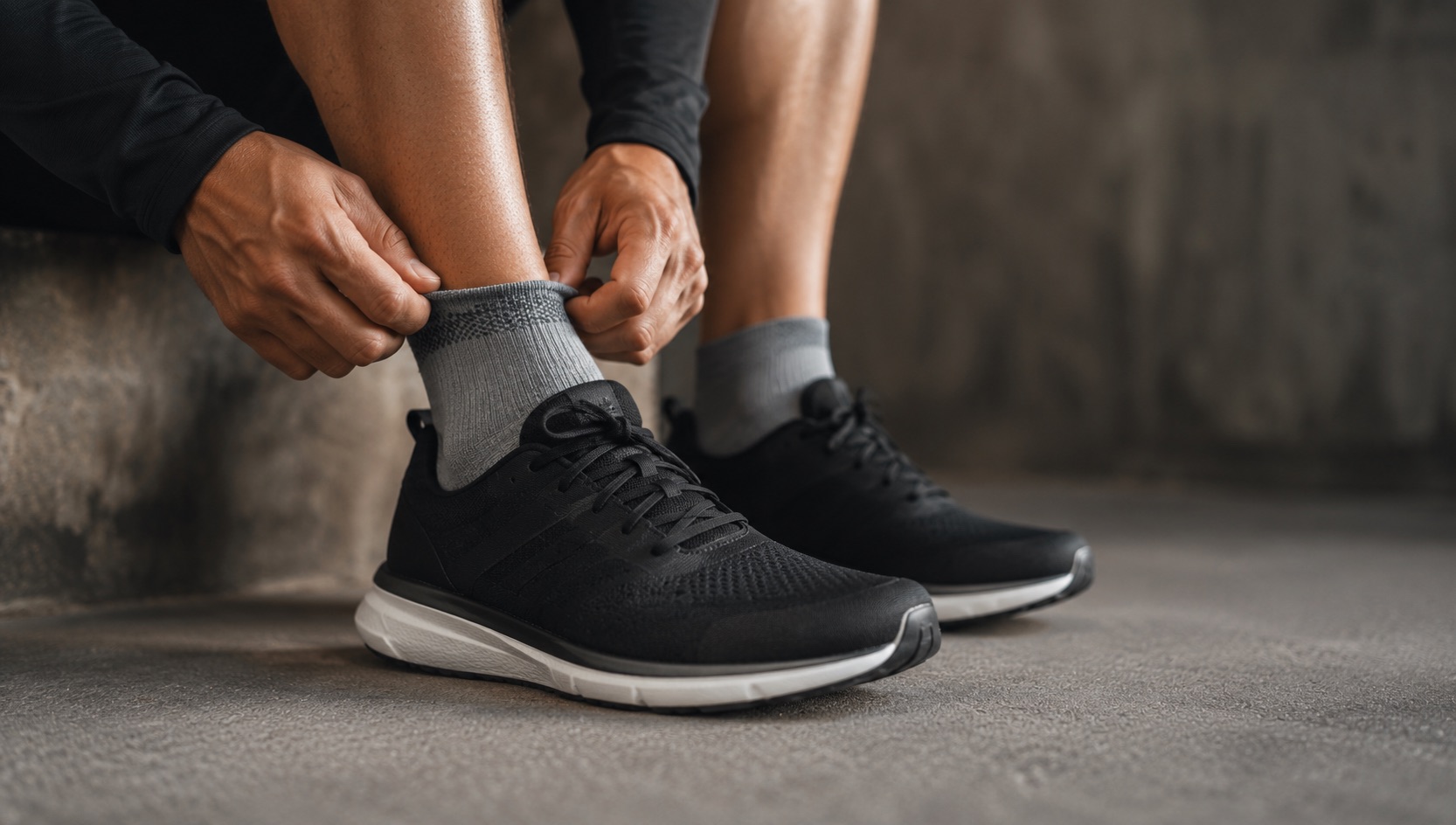
What Gear You Actually Need to Start
Here’s the good news: you need almost nothing.
Essential:
- A pair of running shoes that fit well (they don’t need to be expensive - check our guide to the best running shoes for beginners)
- Comfortable clothes you can move in
- Your phone (for the app)
Nice to have but not required:
- A running watch (any basic one works)
- Wireless earbuds
- Moisture-wicking socks
You do NOT need:
- Expensive compression gear
- A GPS watch with 47 metrics
- Special running shorts with pockets for gels
- Anything from a “marathon essentials” list
For a full breakdown of what’s worth buying and what’s marketing nonsense, check out our complete beginner gear guide.
Common Mistakes Beginners Make
Running too fast. The number one mistake. Your easy runs should feel easy. If you can’t hold a conversation, slow down. Yes, even slower than that. C25K intervals should feel manageable, not like you’re sprinting for your life.
Skipping rest days. Rest is when your body actually gets stronger. Three runs per week means four rest days. Use them. Walk, stretch, do yoga - but don’t add extra runs because you feel motivated. Motivation fades; consistency built on recovery doesn’t.
Repeating week one forever. Some people feel like they’re “not ready” to move to week two. Trust the program. It’s designed to progress you safely. If you completed the session, move on.
Comparing yourself to others. Someone on Reddit finished C25K running 5K in 25 minutes. Good for them. Your only job is to finish YOUR run today. Speed is completely irrelevant at this stage.
Quitting after a bad run. Every runner - including elites - has bad days. A rough session doesn’t mean you’re failing. It means you’re human. Show up for the next one.
What Comes After 5K
You crossed the finish line. You can run 5K. Now what?
Option 1: Get faster at 5K. Keep running three times a week but add variety - one easy run, one with intervals, one slightly longer. You’ll be surprised how quickly your pace drops.
Option 2: Go longer. Bridge to 10K programs pick up right where C25K leaves off. Same run/walk philosophy, just building toward 10 kilometres.
Option 3: Just keep running. Not everything needs to be a structured program. Many people finish C25K and simply run 3–4 times a week at whatever pace feels good. That’s a perfectly valid approach to lifelong fitness.
Whatever you choose, explore the best free running apps for 2026 to find tools that grow with you beyond the beginner stage.
Related reading: Best Running Training Apps 2026
FAQ
How long does Couch to 5K take?
Most programs run 9–12 weeks with three sessions per week. Some adaptive plans like Garmin Coach may take up to 16 weeks depending on your starting fitness. There’s no rush - finishing healthy matters more than finishing fast.
Can I do Couch to 5K on a treadmill?
Absolutely. The run/walk intervals work identically indoors. Set the treadmill to a slight incline (1–2%) to better simulate outdoor running. Many people start on a treadmill and transition outside later.
What if I can’t finish a week’s sessions?
Repeat the week. Every program allows this, and many runners repeat weeks 4–6 at least once. It’s not failure - it’s your body asking for a bit more time. Listen to it.
Do I need to run fast during the running intervals?
No. Run at a pace where you could still talk in short sentences. For most beginners, this feels embarrassingly slow. That’s perfect. Speed comes later; right now you’re building the habit and the aerobic base.
Is Couch to 5K safe for overweight beginners?
Yes, with one caveat: if you’re significantly overweight, consider starting with None to Run (12 weeks, gentler progression) rather than the standard 9-week plans. The slower build-up gives joints and connective tissue more time to adapt. If anything hurts beyond normal muscle soreness, see a physiotherapist before pushing through.
Starting is the hardest part. Picking the “perfect” app doesn’t matter nearly as much as lacing up your shoes and walking out the door. Every single one of these programs works if you show up consistently. Choose one, start this week, and trust the process. Nine weeks from now, you’ll be a runner.