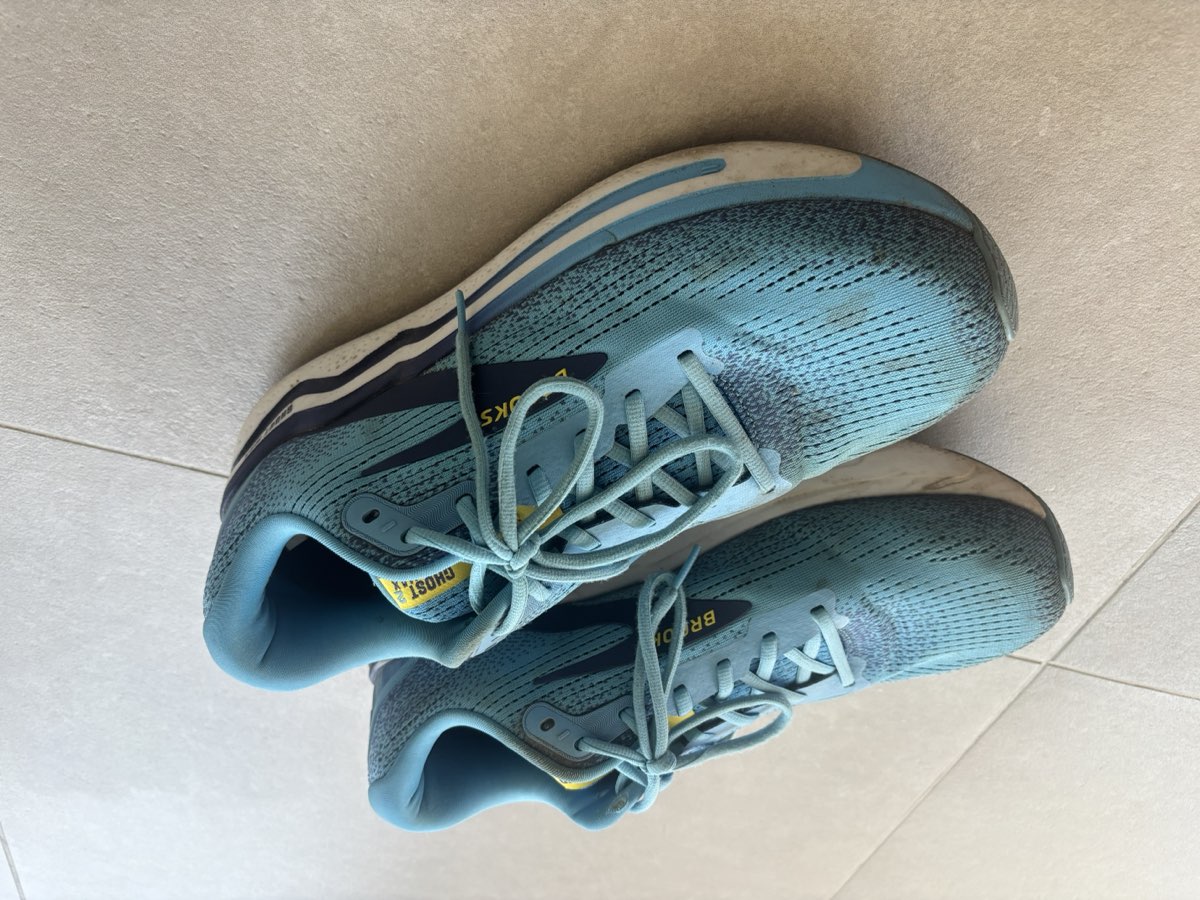
Brooks Ghost Max 2: Why I'm Disappointed (400km Review)
August 26 update: My original verdict below reflects the Ghost Max 2 with its stock footbed. During a later independent test, replacing that footbed with the VALSOLE Heavy Duty changed the underfoot feel enough that I started enjoying the shoe more. The midsole did not change; the replacement insole added structure and felt softer underfoot. Read the full VALSOLE Heavy Duty insole review for the test details and supplied-product disclosure.
Brooks Ghost Max 2: Why I’m Disappointed (400km Review)
I have owned the Brooks Ghost Max 2 for over a year. I have only put 400km on them. For a daily trainer that is supposed to be your go-to shoe, that number is embarrassingly low. It tells you everything you need to know before I even get into the details. But let me get into the details anyway, because I think it is important to be honest about shoes that do not work for you.
Why I Bought Them
The Ghost Max 2 arrived with solid reviews across the running media. Max cushion, smooth ride, DNA Loft v2 foam, rocker geometry. It sounded like a great easy day shoe for someone who runs 40 to 50km per week and needs something comfortable for recovery runs. I was looking for a complement to my rotation, specifically for those days when my legs were tired and I just needed to shuffle through easy kilometers.
On paper, it checked every box. In practice, it checked none.
The Problem: It Is Just No Fun to Run In
Let me be direct: it is just no fun to run in. I always get the impression they are too hard and the outside of my lower legs get a beating every time. That is my consistent experience across 400km and dozens of runs over more than twelve months.
The “max cushion” marketing suggests a plush, comfortable ride. What I get instead is a firm, almost harsh landing that transmits more impact to my lower legs than shoes with half the stack height. I do not understand how a shoe with this much foam can feel this hard. But it does. Every single time.
After every run in the Ghost Max 2, the outside of my lower legs feel beaten up. It is not sharp pain. It is more like a dull fatigue and soreness that should not happen on a 6km recovery run. My other shoes do not create this sensation. It is specific to this model.
400km in a Full Year: The Damning Statistic
Let me put 400km in context. In a year of running approximately 2,400km total (averaging 46km per week), only 400km went into these shoes. That means they accounted for about 17% of my total mileage despite being marketed as a daily trainer meant to handle the majority of your weekly volume.
Compare that to shoes I actually enjoy: my preferred easy day shoe sees 60 to 70% of my weekly mileage. When a shoe works, you reach for it without thinking. When it does not, it sits in the closet while you find excuses to wear something else.
I only pull out the Ghost Max 2 when my Evo SL needs a rest day (rotating cushioned shoes between runs to let foam recover). That is their only role. Last resort backup. Not because they cannot handle more mileage physically, but because I simply do not want to run in them.
What I Expected vs What I Got
Expected: A soft, cushioned ride that would pamper tired legs on recovery days. Something that would make easy runs feel effortless and comfortable.
Got: A firm, harsh ride that creates lower leg fatigue even on short, slow runs. A shoe that makes me dread the runs I put them on for.
The disconnect is frustrating. I have run in genuinely cushioned shoes that deliver what the Ghost Max 2 promises. The Triumph 21 did it. The Evo SL does it. But the Ghost Max 2? Despite all that foam, it rides hard and punishing.
Potential Explanations
I have thought about why this shoe feels so wrong for me:
Geometry mismatch: The rocker and stack height combination might not suit my footstrike pattern. I land with a mild heel strike at easy paces, and the Ghost Max 2’s rocker transition might be creating an awkward loading pattern for my specific mechanics.
Foam firmness vs volume: Brooks may have prioritized durability over softness in the DNA Loft v2 compound. More foam does not automatically mean softer ride if the foam itself is dense and firm.
Width and fit: The shoe fits my foot adequately in terms of length and width, but the internal shaping might be creating pressure points on the lateral side that contribute to the lower leg fatigue.
Whatever the cause, the result is the same: this shoe does not work for my body.
Durability at 400km
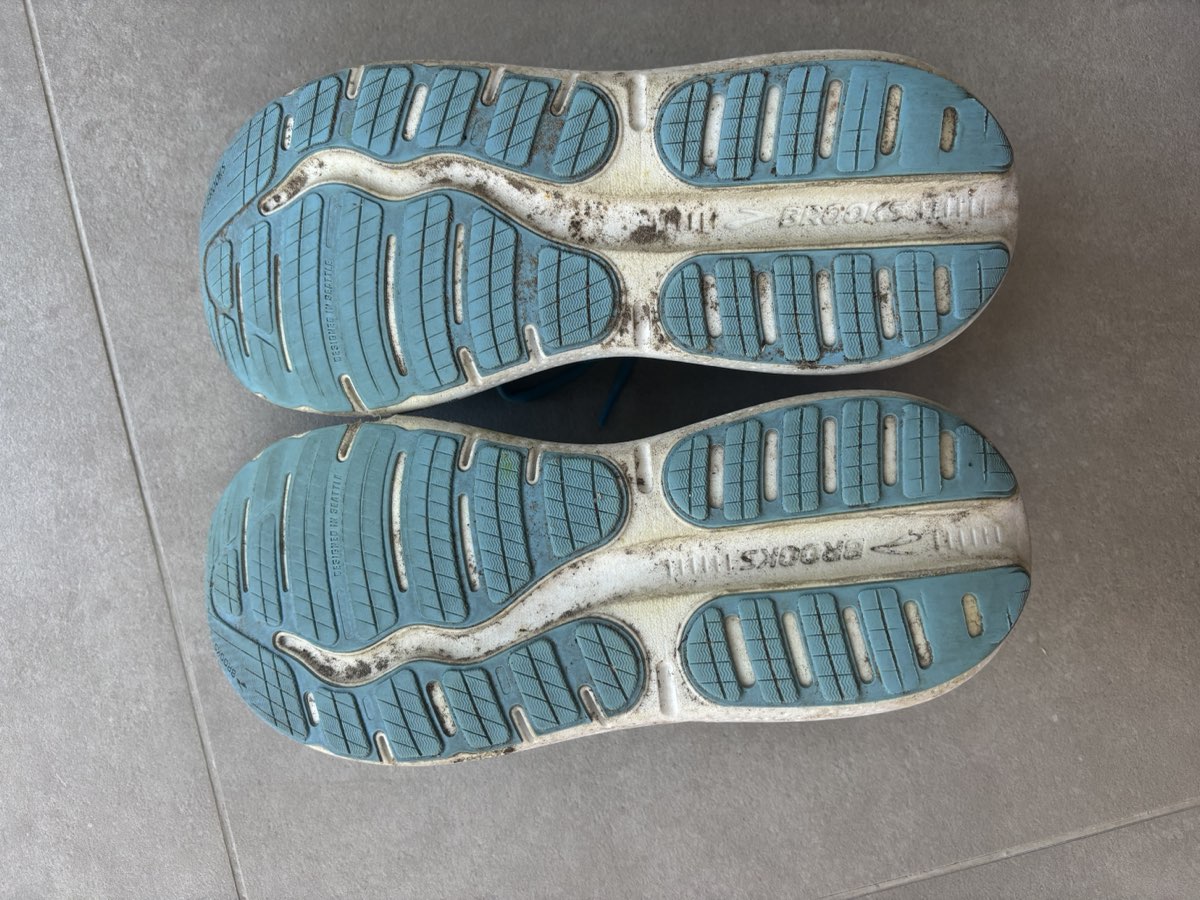
I will give the Ghost Max 2 credit for one thing: it is well built. At 400km, the outsole shows minimal wear. The foam has not compressed visibly. The upper is intact with no signs of deterioration. If I enjoyed running in them, they would probably last 800km+ easily.
But durability means nothing if you do not want to put the shoe on. A shoe that lasts forever but feels terrible is just a very durable disappointment.
My Rating: 3/10
I rate the Brooks Ghost Max 2 a 3 out of 10. The only points it earns are for build quality and durability. As a running shoe that is supposed to make running enjoyable, it fails completely for me.
For how this compares to my other shoes, check my complete shoe ratings with photos. And if you are considering Brooks versus other major brands, I compare them head-to-head in my Hoka vs Brooks vs ASICS breakdown.
Would I Recommend the Ghost Max 2?
No. I would not recommend this shoe to anyone based on my experience. There are too many better options in the max cushion category that actually deliver a soft, comfortable ride without beating up your lower legs.
That said, running shoes are deeply personal. My biomechanics, weight, foot shape, and running style all influence how a shoe feels. What is terrible for me might be perfect for you. But I can only share my honest experience, and my honest experience is that this is the most disappointing shoe I own.
For alternatives that actually deliver on the comfortable daily trainer promise, check my best daily training shoes guide and what I would buy again vs regret.
The Bigger Lesson
Not every well-reviewed shoe works for every runner. The Ghost Max 2 has plenty of positive reviews from runners who love it. I am not one of them. This is why trying shoes (ideally with a return policy) matters more than reading reviews. What works biomechanically for one person can be completely wrong for another.
I have learned to trust my own experience over consensus opinion. When a shoe does not feel right after 50km of giving it chances, it is probably not going to magically improve at 100km or 200km. Cut your losses and move on. I should have moved on sooner with the Ghost Max 2 instead of stubbornly accumulating 400km of unenjoyable runs.
Who Might Like This Shoe
Despite my personal experience, the Ghost Max 2 might work for:
- Heavier runners who need the structural support of firmer foam
- Runners with a very neutral, midfoot landing pattern
- People who find typical max cushion shoes TOO soft and want more ground feel
- Walkers or very slow joggers who do not generate high impact forces
If you fall into those categories, it might be worth trying with a return policy. For everyone else, I would look at alternatives that actually feel soft when they claim to be soft.
FAQ
Is the Brooks Ghost Max 2 a good daily trainer?
Not for me. In over a year of ownership, I only ran 400km in them because they feel too hard and cause lower leg fatigue. I use them as an absolute last resort when my preferred shoes need a rest day. There are much better options in this category.
Why does the Ghost Max 2 feel hard despite having max cushion?
The foam compound (DNA Loft v2) appears to prioritize durability over softness. Having a tall stack height does not automatically mean a soft ride. The foam density and the rocker geometry create a ride that feels firmer than the “max cushion” marketing suggests, at least for my biomechanics and running style.
How long does the Brooks Ghost Max 2 last?
Based on my pair at 400km, it could easily last 800km or more. The outsole and foam show minimal wear. Durability is genuinely impressive. But lasting a long time does not help if you do not enjoy running in the shoe.
What shoe should I get instead of the Ghost Max 2?
That depends on what you want. For a genuinely soft max cushion shoe that still has some versatility, I loved the Saucony Triumph 21 (if you can find it). For daily easy runs with proper cushioning, check my current rotation and daily trainer recommendations.
Is this a bad shoe or does it just not work for you?
I want to be fair: this might be a shoe that works well for different biomechanics than mine. It has positive reviews from other runners. But my experience over 400km and 12+ months is consistently negative. For my body, it is a bad shoe. For yours, it might be fine. This is why return policies matter when buying running shoes.