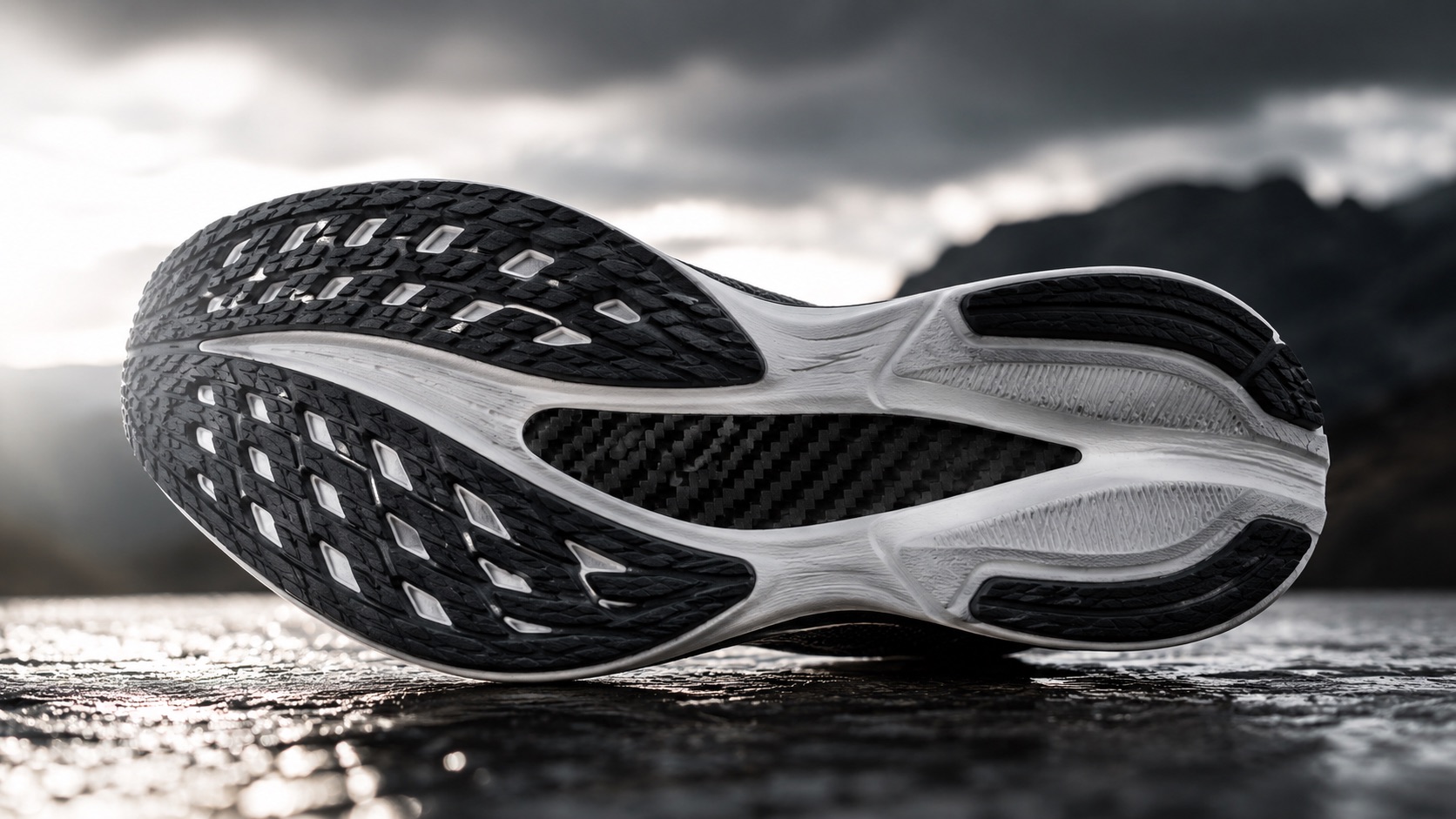
HOKA vs Brooks vs ASICS - Running Shoe Brand Comparison 2026
Choosing between HOKA, Brooks, and ASICS is one of the most common dilemmas runners face. All three brands make excellent shoes, but they approach running footwear from fundamentally different angles. Whether you’re training for your first 5K or lacing up for ultra distances, understanding these differences will help you land on the right shoe.
I’ve run thousands of kilometres in shoes from all three brands, and here’s what I’ve learned about how they compare in 2026.
Brand Comparison at a Glance
| Brand | Cushion Style | Price Range | Weight Range | Durability | Best Model | Drop Range | Fit |
|---|---|---|---|---|---|---|---|
| HOKA | Max cushion, meta-rocker geometry | $130–$250 | 200–310g | 500–700 km | Clifton 10 | 4–6mm | Wide toe box, snug midfoot |
| Brooks | Balanced cushion, DNA foam | $110–$170 | 230–300g | 500–800 km | Ghost 16 | 8–12mm | True to size, medium width |
| ASICS | GEL cushion, FlyteFoam | $100–$250 | 210–320g | 600–900 km | Gel-Nimbus 26 | 8–13mm | Slightly narrow, structured |
Cushioning Philosophy
This is where the three brands differ most dramatically, and it’s the main reason runners tend to gravitate toward one over the others.
HOKA: Maximum Cushion with Forward Roll
HOKA built its reputation on oversized midsoles that look like platform shoes but feel surprisingly light and nimble. The secret is their meta-rocker geometry - a curved sole profile that guides your foot through the gait cycle rather than letting it sink into cushion. The result is a shoe that feels soft at landing but keeps you moving forward with minimal effort.
HOKA’s cushioning tends to be firm-yet-plush. It’s not a marshmallow feel - it’s more like running on a thick yoga mat. You get protection from impact without losing ground feel entirely.
Brooks: The Balanced Middle Ground
Brooks takes a “just right” approach. Their DNA foam adapts to your stride by responding to the force you put into it - land harder, get more cushion; run lighter, get more response. It’s a versatile system that works across different paces and distances.
Brooks shoes generally feel the most “traditional” of the three. If you’ve been running for years and have a mental model of what a running shoe should feel like, Brooks probably matches it. There’s nothing extreme here, and that’s the point.
ASICS: Structured Support with GEL
ASICS combines their signature GEL technology (silicone-based inserts at impact zones) with FlyteFoam midsoles. The GEL absorbs shock at heel strike, while FlyteFoam provides a responsive, bouncy platform for toe-off. It’s a dual-system approach that gives ASICS shoes a distinctive two-phase feel.
ASICS also tends to build more structure into their midsoles. Even their neutral shoes have a slightly guided feel, which is why the brand is often recommended for runners who need mild stability without going full motion-control.
Fit & Sizing
HOKA
HOKA shoes typically run true to size in length but offer a wider-than-average toe box. The midfoot and heel tend to be snug and locked-in. This combination works well for runners who want toe splay without a sloppy fit. If you have narrow feet, some HOKA models may feel cavernous up front.
Brooks
Brooks is the most consistent for sizing. Their shoes run true to size with a medium width that suits the majority of feet. They also offer wide (2E) and narrow options across most models. The fit is straightforward - no quirks, no surprises.
ASICS
ASICS tends to run slightly narrow, particularly in the midfoot and toe box. Runners with wider feet often need to size up half a size or opt for wide versions. The structured upper provides a locked-in feel that stability-seekers appreciate, but it can feel restrictive if you prefer a relaxed fit.
Durability Comparison
Durability matters - nobody wants to replace shoes every 300 km.
HOKA shoes historically wore out faster than the competition due to their softer foam compounds. Recent models have improved significantly, with most lasting 500–700 km before the midsole loses noticeable responsiveness. The outsole rubber on trail models is excellent; road models are average.
Brooks sits in the middle at 500–800 km for most models. The Ghost and Adrenaline lines are known for going the distance. DNA foam holds its structure well over time, and the outsole rubber is hard-wearing without being heavy.
ASICS wins the durability contest. FlyteFoam maintains its properties longer than most foam compounds, and ASICS uses AHAR+ rubber on high-wear outsole areas. Many runners report getting 600–900 km from their ASICS trainers before retirement. For high-mileage runners on a budget, this longevity is a real advantage.
Best Models from Each Brand
HOKA
- Clifton 10 - The everyday workhorse. Lightweight, well-cushioned, smooth ride. Great for easy runs and long runs alike.
- Bondi 9 - Maximum cushion for runners who want the plushest ride possible. Heavier but incredibly comfortable.
- Speedgoat 6 - The trail king. Aggressive grip, protective sole, and that signature HOKA cushion for long days on technical terrain.
- Mach 6 - The uptempo option. Lighter, snappier, still cushioned enough for daily use.
Brooks
- Ghost 16 - The best-selling neutral trainer for a reason. Does everything well, nothing badly. A safe bet for most runners.
- Glycerin 21 - Brooks’ premium cushion shoe. Softer and more plush than the Ghost, ideal for easy-day comfort.
- Adrenaline GTS 24 - The go-to stability shoe. GuideRails technology prevents excessive inward roll without feeling intrusive.
- Hyperion Elite 4 - Brooks’ carbon racer. Lighter and faster than you’d expect from the brand.
ASICS
- Gel-Nimbus 26 - The premium cushion trainer with PureGEL technology. Plush, durable, built for high mileage.
- Gel-Kayano 31 - The stability flagship. Decades of refinement make this one of the most trusted support shoes on the market.
- Novablast 5 - The fun one. Bouncy, energetic, surprisingly versatile from easy pace to tempo.
- Metaspeed Sky Paris - ASICS’ elite carbon racer. One of the fastest shoes in any brand’s lineup.
Pros and Cons
HOKA
Pros:
- Unmatched cushioning volume without excessive weight
- Meta-rocker promotes efficient forward motion
- Excellent trail running lineup
- Wide toe box accommodates most foot shapes
Cons:
- Softer foams wear out faster than competitors
- Thick soles reduce ground feel
- Higher price point on average
- Styling is polarising (though that’s changing)
Brooks
Pros:
- Consistent, predictable fit across the lineup
- Excellent width options
- DNA foam adapts to different running styles
- Most affordable of the three on average
- Strong durability
Cons:
- Less innovation compared to HOKA and ASICS
- Limited trail options
- No standout carbon racer (Hyperion Elite is good, not elite-level)
- Can feel “boring” if you want a distinctive ride
ASICS
Pros:
- Best durability and foam longevity
- Excellent stability options without sacrificing speed
- Top-tier racing shoes (Metaspeed line)
- Wide price range from budget to premium
Cons:
- Tends to run narrow - fit issues for wider feet
- GEL technology adds weight in some models
- Some models feel overly structured for neutral runners
- Inconsistent quality across the range (budget vs premium gap)
Which Brand for Your Running Style?
Best for maximum cushion: HOKA. No brand does high-volume cushioning as well. If you want to feel protected on long runs without a heavy shoe, HOKA is the move. Check out the Clifton or Bondi.
Best for traditional feel: Brooks. If you want a shoe that just feels like a running shoe - no gimmicks, no extreme geometry - Brooks delivers. The Ghost is a masterclass in balance.
Best for stability: ASICS. The Gel-Kayano has decades of refinement behind it, and ASICS builds subtle guidance into even their neutral shoes. Runners who overpronate or want structured support will feel at home here.
Best for speed: ASICS. The Metaspeed line is genuinely world-class. ASICS has invested heavily in their racing technology and it shows - multiple world records have been set in their shoes.
Best for trail running: HOKA. The Speedgoat remains one of the most popular trail shoes for good reason. HOKA’s cushioning translates brilliantly to rough terrain, absorbing rocks and roots. For more trail options, see our best trail running shoes for 2026.
If you’re just getting started with running, any of these brands will serve you well. Our guide to the best running shoes for beginners in 2026 breaks down specific models for new runners.
For everyday training - the shoes you’ll wear most often - check out our roundup of the best daily training shoes for 2026.
Related reading: How to Choose Running Shoes - Complete Buyer’s Guide 2026
See how we compare products for our full research methodology.
FAQ
Are HOKA shoes good for heavy runners?
Yes. HOKA’s high-volume midsoles provide excellent impact protection for heavier runners. The Bondi is particularly popular for this because it offers maximum cushion without bottoming out. The meta-rocker also helps maintain efficiency regardless of weight.
Do Brooks shoes last longer than HOKA?
Generally, yes. Brooks shoes (especially the Ghost and Adrenaline) tend to last 500–800 km, while most HOKA models show noticeable wear at 500–700 km. The difference isn’t dramatic, but cost-conscious runners will get slightly more mileage from Brooks.
Are ASICS good for flat feet?
ASICS is one of the best brands for flat feet thanks to their stability lineup. The Gel-Kayano and GT-2000 offer medial post support and structured guidance that helps control excessive pronation associated with flatter arches. Start with the Kayano if budget allows.
Can I use HOKA shoes for walking?
Absolutely. HOKA’s cushioning and rocker geometry work beautifully for walking. The Bondi is a favourite among people who spend long hours on their feet. Many healthcare workers and travellers swear by them for all-day comfort.
Which brand has the best value for money?
ASICS offers the best value when you factor in durability. Their shoes last the longest, and models like the Gel-Cumulus and GT-2000 deliver excellent performance at lower price points. Brooks comes close with the Ghost, which balances price and longevity well. HOKA tends to be the most expensive per-kilometre option due to higher prices and slightly lower durability.
Choosing the right brand is personal - it depends on your feet, your pace, and your priorities. If possible, try on shoes from all three before committing. Most specialty running stores carry all three brands and can help you find the right fit.