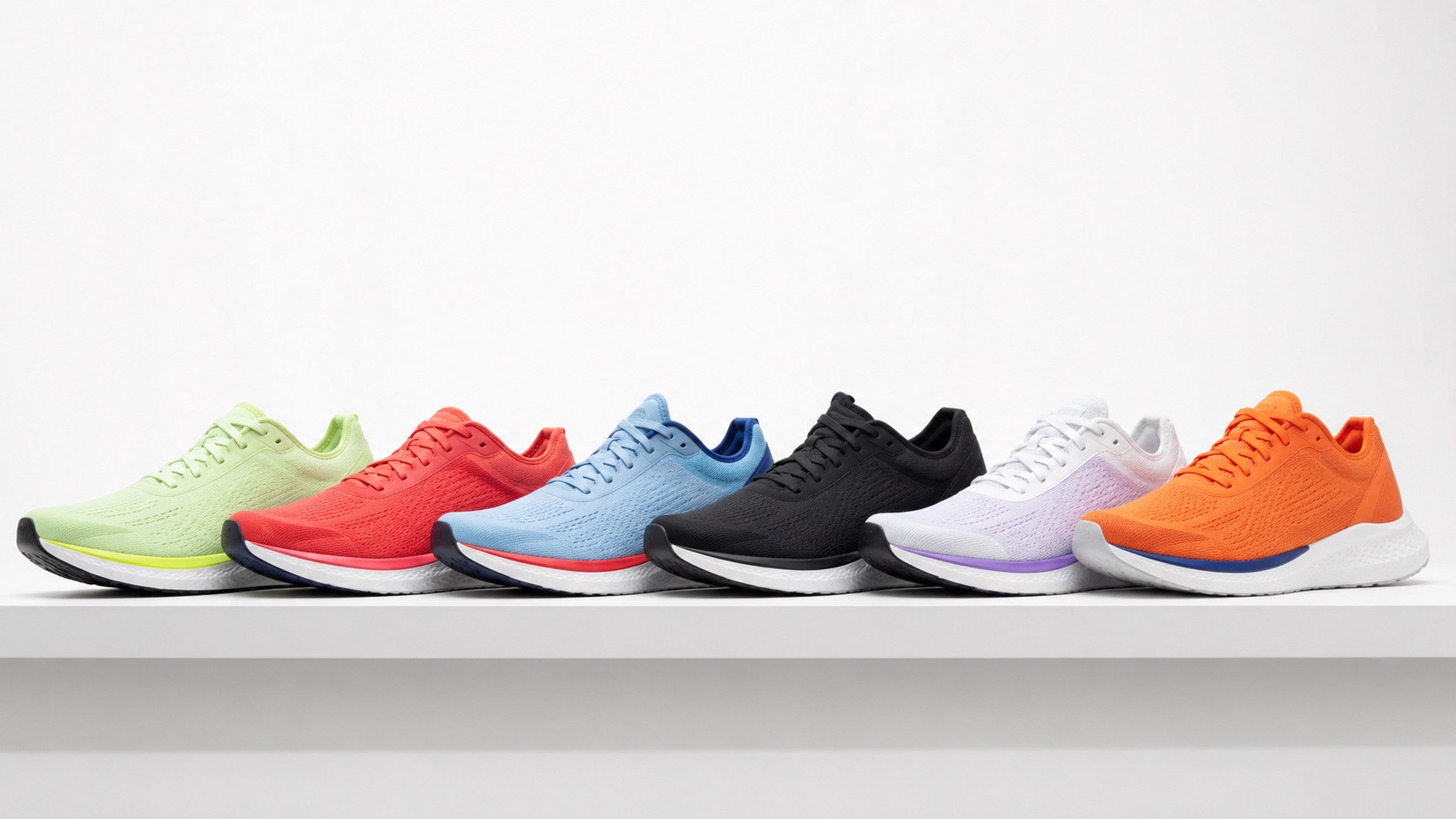
Nike Pegasus 42 vs Brooks Ghost 16 vs ASICS Gel Nimbus - Daily Trainers Compared
Every runner needs a reliable daily trainer - the shoe that handles your easy runs, recovery jogs, and the occasional tempo session without complaint. The Nike Pegasus 42, Brooks Ghost 16, and ASICS Gel Nimbus 26 are the three best-selling daily trainers in the world, and for good reason. They’ve each been refined over decades of iterations to do one thing really well: be comfortable for a lot of miles.
But they’re not the same shoe. They ride differently, fit differently, and suit different types of runners. I’ve put 200+ miles on each pair and I’ll break down exactly where each excels and where it doesn’t.
The Daily Trainer Sweet Spot
A good daily trainer needs to be versatile - soft enough for easy days, responsive enough that you don’t feel like you’re running in sand on faster efforts. It needs to be durable enough to last 400–500 miles. And critically, it needs to fit your foot well enough that you forget you’re wearing it.
These three shoes all nail the basics. The differences come down to cushioning philosophy, ride feel, fit profile, and how each brand approaches the balance between softness and energy return.
Nike Pegasus 42
The Pegasus is Nike’s longest-running shoe franchise for a reason. Version 42 continues the formula: React X foam that’s responsive and bouncy without being mushy, a Zoom Air unit in the forefoot for a snappy toe-off, and a fit that works for a wide range of foot shapes.
Ride feel: The Pegasus 42 has a firm-ish platform compared to the other two. It’s not a cloud shoe - there’s ground feel, and the transitions are quick. The 10mm drop creates a slightly forward-leaning geometry that rewards midfoot and forefoot strikers. It picks up speed easily for a daily trainer.
Cushioning: React X foam is dense and responsive. It doesn’t have the plush “sink in” feeling of the Nimbus, but it has better energy return. After 200 miles, the foam still feels lively. The forefoot Zoom Air unit adds pop during push-off.
Fit: True to size for most runners. The midfoot is slightly narrow (standard Nike trait), but the toe box has improved in version 42. Runners with wide feet may want to go half a size up or look at the wide option.
Durability: The outsole rubber is excellent. I’ve seen minimal wear after 200 miles, and the foam hasn’t compressed noticeably. This shoe should comfortably reach 500 miles.
Weight: 9.2 oz (men’s size 10) - the lightest of the three.
Best for: Runners who want a versatile shoe that can handle everything from easy miles to faster efforts. Those who prefer a firmer, more responsive ride over pure plushness.
Brooks Ghost 16
The Ghost is the people’s shoe - the one running stores put on beginners’ feet because it works for almost everyone. It’s neutral, cushioned, and inoffensive in the best possible way. Version 16 uses Brooks’ DNA LOFT v2 foam, which adapts to your stride and body weight.
Ride feel: Balanced and smooth. The Ghost doesn’t have extreme softness or extreme responsiveness - it sits perfectly in the middle. The 12mm drop makes it friendly for heel strikers, and transitions feel natural regardless of where you land. It’s the shoe you don’t think about.
Cushioning: DNA LOFT v2 is soft but not marshmallow-soft. It’s a medium-density foam that provides comfort without feeling unstable. Compared to the Pegasus, it’s slightly cushier. Compared to the Nimbus, it’s slightly firmer. The Goldilocks zone.
Fit: This is where the Ghost really shines. The fit is accommodating - slightly wider in the toe box than Nike, with a secure heel counter and a midfoot that doesn’t squeeze. Most runners find it comfortable out of the box without break-in.
Durability: Excellent. Brooks’ outsole rubber is hard-wearing, and the DNA LOFT foam holds up well over time. 450–500 miles is realistic for most runners.
Weight: 9.5 oz (men’s size 10) - slightly heavier than the Pegasus but not noticeably so during runs.
Best for: Runners who want a no-drama daily shoe that works for all paces. Particularly good for beginners and heel strikers.
ASICS Gel Nimbus 26
The Nimbus has leaned fully into the plush comfort camp. Version 26 uses ASICS’ FF BLAST PLUS ECO foam - a lightweight, incredibly soft midsole material that makes this shoe feel like a cushioned slipper. It’s the softest of the three by a significant margin.
Ride feel: Pillowy and protective. The Nimbus absorbs impact like nothing else in this category. The 8mm drop is lower than the other two, promoting a more midfoot-oriented landing. On easy days and recovery runs, this shoe is pure luxury. On faster efforts, the softness means less energy return - you’re working slightly harder to push off.
Cushioning: Maximum. There’s a thick stack of FF BLAST PLUS foam plus the traditional GEL cushioning units in the heel and forefoot. If impact protection is your priority - maybe you’re heavier, injury-prone, or running on concrete - the Nimbus delivers more than the other two.
Fit: ASICS has widened the fit in recent versions, but the Nimbus 26 still runs slightly narrower in the midfoot than the Ghost. The toe box is adequate. The knit upper is comfortable but less structured than the Pegasus or Ghost.
Durability: Good but not quite as long-lasting as the other two. The softer foam compresses slightly faster under heavier runners. Budget for 350–450 miles depending on your weight and running surface.
Weight: 9.6 oz (men’s size 10) - the heaviest, though only marginally.
Best for: Runners who prioritize maximum cushioning and comfort, especially on easy and long run days. Great for heavier runners or those with joint concerns.
Comparison Table
| Feature | Nike Pegasus 42 | Brooks Ghost 16 | ASICS Gel Nimbus 26 |
|---|---|---|---|
| Price | $130 | $140 | $160 |
| Weight (men’s 10) | 9.2 oz | 9.5 oz | 9.6 oz |
| Drop | 10mm | 12mm | 8mm |
| Cushioning | Medium-firm | Medium | Maximum |
| Responsiveness | High | Medium | Low-Medium |
| Durability | 450–500 mi | 450–500 mi | 350–450 mi |
| Best For | Versatile paces | All-rounder beginners | Easy/long runs |
| Fit Width | Standard-narrow | Standard-wide | Standard |
| Foam | React X + Zoom Air | DNA LOFT v2 | FF BLAST PLUS + GEL |
| Outsole | Waffle rubber | Segmented crash pad | AHAR+ rubber |
| Available Widths | Regular, Wide | Regular, Wide, Narrow | Regular, Wide |
How They Compare on Different Run Types
Easy runs: All three work, but the Nimbus is the most comfortable. If you want to float through recovery miles, ASICS wins. If you want a shoe that can also pick up the pace, the Pegasus is more versatile.
Long runs: The Ghost and Nimbus are better for long runs where comfort over hours matters more than speed. The Pegasus works fine but its firmer platform can feel less forgiving after mile 18.
Tempo and threshold runs: The Pegasus wins clearly here. Its responsive foam and lighter weight make it capable of handling faster workouts. The Ghost can manage tempo pace but doesn’t encourage speed the way the Pegasus does. The Nimbus is too soft for tempo work - get a separate shoe.
Treadmill running: All three work well on treadmills, but the Ghost’s smooth transitions and neutral ride feel make it particularly good on the belt.
The Verdict
There’s no single winner - it depends on what you prioritize:
- Nike Pegasus 42 if you want one shoe that can do everything from easy runs to tempo sessions, prefer a responsive ride, and like Nike’s fit
- Brooks Ghost 16 if you want the most universally comfortable fit, a perfectly balanced ride, or you’re new to running
- ASICS Gel Nimbus 26 if maximum cushioning and impact protection are your top priorities, and you’ll use a separate shoe for faster work
If you’re looking for a broader roundup of daily trainers including newer options, check out our best daily training shoes 2026 guide. New to running and unsure where to start? Our best running shoes for beginners 2026 breaks down what to look for. And for another three-way comparison in the cushioned category, see our Hoka vs Brooks vs ASICS showdown.
Related reading: How to Choose Running Shoes - Complete Buyer’s Guide 2026
See how we compare products for our full research methodology.
FAQ
Which shoe is best for heavy runners (over 200 lbs)?
The ASICS Gel Nimbus 26 provides the most cushioning and impact protection, making it the best choice for heavier runners. The extra foam thickness and GEL units handle high-impact forces better than the firmer Pegasus. The Ghost is also a solid option - its DNA LOFT foam adapts to body weight, providing proportionally more cushioning for heavier runners.
Can any of these shoes handle speed workouts?
The Nike Pegasus 42 is the most capable at speed. Many runners use it for everything including intervals and tempo runs up to around 5:30/mi pace. It’s not a racing shoe, but it’s responsive enough to handle faster work. The Ghost can handle moderate tempo runs. The Nimbus is not ideal for speed - its soft cushioning absorbs energy rather than returning it.
How often should I replace these shoes?
Most runners should replace daily trainers every 400–500 miles. With the Pegasus and Ghost, you can usually push toward the 500-mile mark. The Nimbus may feel dead closer to 350–400 miles for heavier runners, as its softer foam compresses more over time. Track your mileage in your running app and pay attention to new aches or loss of cushioning feel.
Do I need a wide version?
If your current running shoes feel tight in the toe box or midfoot - especially on longer runs when your feet swell - try the wide version. The Brooks Ghost has the most accommodating standard fit of the three, so you may not need wide in Brooks even if you do in Nike. ASICS falls in between. Visit a running store and try both if possible.
Is it worth spending $30 more on the Nimbus over the Pegasus?
Only if maximum cushioning is your priority. The extra $30 buys you significantly more foam and a softer ride - which matters for joint protection and comfort on long runs. If you prefer a more versatile, faster-feeling shoe, the Pegasus at $130 is actually the better value. You’re not getting a “better” shoe with the Nimbus - you’re getting a different type of shoe.