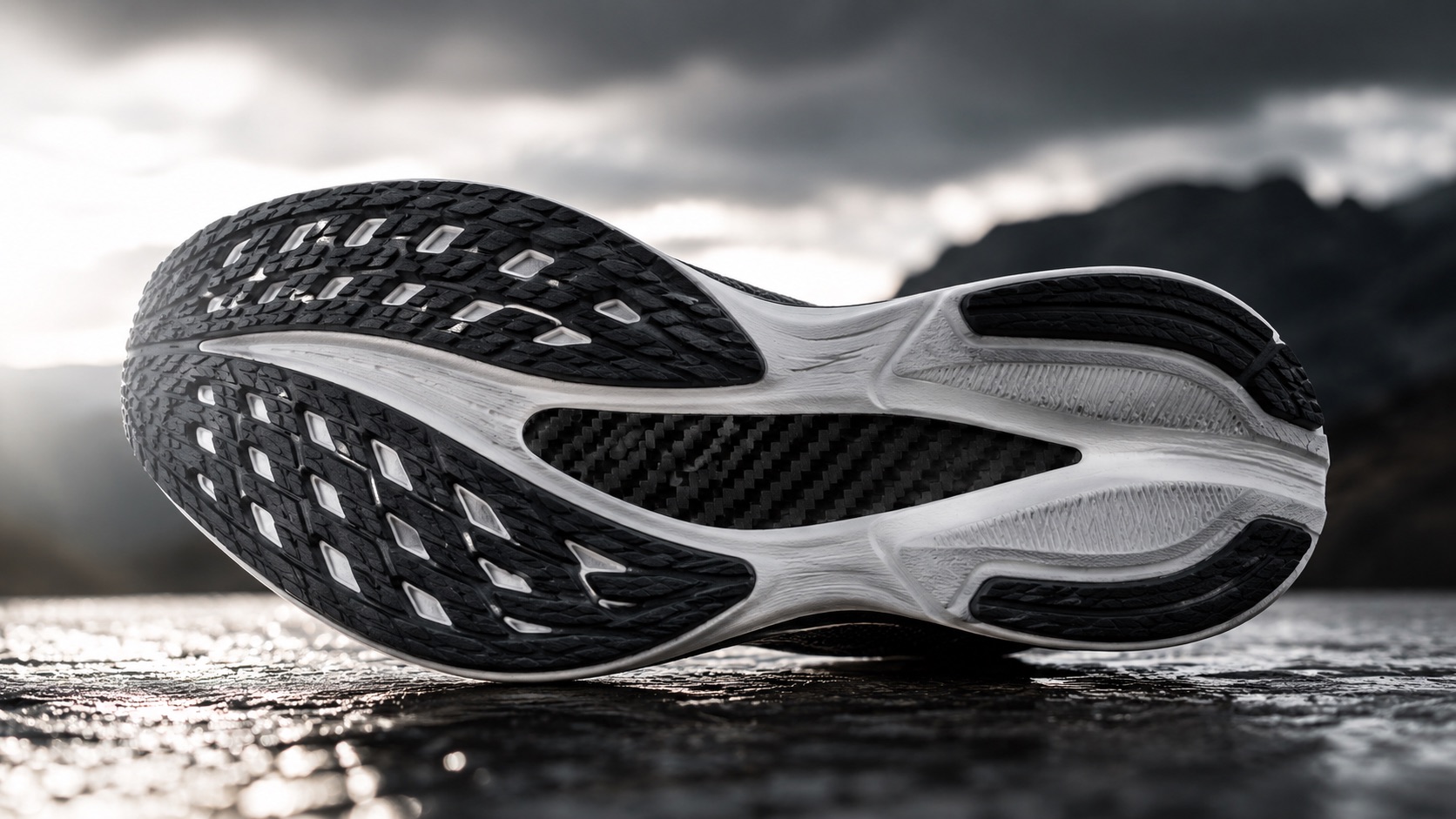
HOKA Clifton 10 vs Brooks Glycerin 22 - Max Cushion Compared
Two of the most popular max-cushion daily trainers on the market, one head-to-head comparison. The HOKA Clifton 10 and Brooks Glycerin 22 both promise plush, comfortable miles - but they take fundamentally different approaches to delivering that softness. After putting significant mileage on both, here’s how they actually stack up.
The Quick Answer
The Clifton 10 is lighter, lower to the ground feeling (despite the stack height), and more responsive. The Glycerin 22 is softer, more traditional in geometry, and better for heavier runners who want maximum impact protection. Your choice depends on whether you prioritize efficiency or pure cushion.
HOKA Clifton 10 vs Brooks Glycerin 22 - Comparison Table
| Feature | HOKA Clifton 10 | Brooks Glycerin 22 |
|---|---|---|
| Price | $145 | $160 |
| Weight (Men’s 9) | 8.9 oz | 10.1 oz |
| Drop | 5mm | 10mm |
| Midsole | Compression-molded EVA | DNA LOFT v3 |
| Stack Height | 32mm/27mm | 38mm/28mm |
| Outsole | Durabrasion rubber | Multi-zone rubber |
| Upper | Engineered mesh | Engineered mesh with stretch |
| Rocker | Early-stage Meta-Rocker | Soft transitions, no aggressive rocker |
| Width Options | Regular, Wide | Regular, Wide, Narrow |
| Best For | Lightweight daily miles | Max cushion, heavier runners |
Cushioning: Different Philosophies
HOKA Clifton 10
HOKA uses compression-molded EVA in the Clifton 10 - a step up from basic EVA but different from the PEBA-based foams in their premium models. The feel is supportive rather than squishy. You compress into the foam on landing and get a smooth transition forward thanks to the Meta-Rocker geometry.
The Clifton has never been about sink-in softness. It’s about high-volume cushioning that still moves efficiently. You feel protected without feeling disconnected from the ground. At 8.9 oz, it’s remarkably light for the amount of foam underfoot.
Brooks Glycerin 22
The Glycerin takes a different approach with DNA LOFT v3 - a nitrogen-infused foam that’s noticeably softer and more plush than the Clifton’s EVA. When you step into the Glycerin, you immediately feel that sinking-into-a-cloud sensation. It’s unmistakably cushioned.
The 10mm drop creates a more traditional heel-to-toe transition compared to the Clifton’s lower drop and rocker geometry. For runners used to conventional training shoes, the Glycerin will feel more familiar right out of the box.
Ride Feel and Transitions
This is where these shoes diverge most dramatically.
The Clifton 10 uses HOKA’s Meta-Rocker - a curved sole geometry that promotes a rolling motion from landing through toe-off. Combined with the low 5mm drop, it encourages a midfoot strike and efficient forward momentum. You don’t push off the ground as much as you roll over it. Some runners love this; others find it takes their natural gait to an unfamiliar place.
The Glycerin 22 lets your foot do what it naturally does. No rocker, no aggressive geometry - just a thick layer of soft foam that absorbs impact and lets you transition at your own pace. The 10mm drop supports heel-strikers without punishing midfoot runners. It’s a more passive approach to cushioning.
For tempo days or when you want some pop, the Clifton wins. For pure recovery miles where you want zero demands on your body, the Glycerin’s softness edges ahead.
Fit and Upper
Both shoes use engineered mesh uppers, but they fit differently.
The Clifton 10 runs slightly narrow through the midfoot with a roomy toe box - a common HOKA fit profile. The tongue is thin and well-padded, and the heel collar grips without excessive bulk. Runners with average-to-narrow midfoot width and normal-to-wide toes will find it comfortable. If you have genuinely wide feet, size up or go for the wide version.
The Glycerin 22 has a more accommodating fit throughout. The stretch-woven upper adapts to foot shape, the midfoot isn’t constricting, and Brooks offers narrow, regular, and wide options. The internal bootie-style construction reduces potential for hot spots. For runners who find HOKA’s fit too snug, the Glycerin is often the answer.
If you have wider feet or need more accommodation, check our guide on the best shoes for heavy runners which covers fit considerations in detail.
Durability
The Clifton line has historically been criticized for outsole durability, and while the Clifton 10 improved with expanded rubber coverage, it still wears faster than the Glycerin. Expect 350-400 miles from the Clifton before the foam compresses and outsole wears through in high-contact zones.
The Glycerin 22’s multi-zone rubber outsole is more substantial. Combined with the denser DNA LOFT v3 foam that resists compression well, you can reasonably expect 450-500 miles. For runners logging 40+ miles per week, that durability difference adds up financially.
Weight and Performance
At 8.9 oz vs 10.1 oz, the Clifton is 1.2 oz lighter per shoe - and you genuinely feel that difference over longer runs. The Clifton’s lighter weight combined with its rocker geometry makes it the better option if you occasionally want to push the pace on your “easy” days (we’ve all done it).
The Glycerin, at 10.1 oz, isn’t heavy by any means - but it’s clearly a shoe designed for absorbing miles rather than chasing paces. It doesn’t fight you if you speed up, but it doesn’t particularly help you either. It’s happy at whatever pace you give it.
For a deeper dive into how both brands compare across their full lineups, see our HOKA vs Brooks vs ASICS comparison.
Who Should Choose the Clifton 10?
- Runners who value lightweight feel in a cushioned shoe
- Those who prefer lower drop (5mm) and rocker geometry
- Midfoot strikers looking for efficient transitions
- Runners who use their daily trainer for easy runs AND occasional tempo efforts
- Those on a slightly tighter budget ($145 vs $160)
Who Should Choose the Glycerin 22?
- Runners who want maximum plush softness underfoot
- Heavier runners (180+ lbs) who compress lighter foams too quickly
- Those who prefer traditional 10mm drop geometry
- Heel strikers who want substantial impact protection
- Runners who need wider fit options including narrow sizing
- Those prioritizing durability (higher expected mileage)
Both Shoes Work For
- Daily training miles at easy pace
- Long runs (15+ miles)
- Recovery days
- Beginners wanting comfortable first shoes
- Runners transitioning to higher-cushion shoes
Value Comparison
The Clifton 10 at $145 offers slightly better value per mile despite lower durability. The $15 savings plus the lighter, more versatile ride make it the better deal for most runners. However, if you’re over 180 lbs or consistently get 500 miles from your trainers, the Glycerin 22’s durability at $160 evens out the cost-per-mile equation.
Both are available at most daily training shoe retailers with frequent sales dropping prices 20-30% on previous colorways.
The Verdict
Choose the Clifton 10 if you want a lighter, more versatile daily trainer that can handle everything from recovery jogs to moderate tempo efforts. Its rocker geometry and low weight make it feel faster than it has any right to at this cushion level.
Choose the Glycerin 22 if you want pure plush comfort and don’t care about a few extra ounces. If you’re heavier, run high mileage, or simply prefer that sink-in soft feeling, the Glycerin delivers what no HOKA currently matches in terms of raw softness.
Neither is a wrong choice. They’re both excellent daily trainers - just tuned for different priorities.
See how we compare products for our full research methodology.
FAQ
Is the HOKA Clifton 10 good for long runs?
Yes. The Clifton 10 handles long runs well thanks to its cushion volume and efficient rocker geometry. The 8.9 oz weight means less fatigue over 15+ miles compared to heavier shoes. The main caveat is for heavier runners (190+ lbs) who may compress the EVA foam more aggressively over long distances - if that’s you, the Glycerin’s denser foam holds up better toward the end of marathon-distance runs.
Does the Brooks Glycerin 22 work for speed work?
It can handle faster efforts, but it’s not ideal. At 10.1 oz with a soft, plush midsole, the Glycerin absorbs energy rather than returning it. You can certainly do strides or pick up the pace for tempo segments, but dedicated speed work is better served by a lighter, more responsive shoe. The Glycerin excels at easy, moderate, and long-run paces.
Which shoe is better for plantar fasciitis?
Both provide excellent cushioning, but the Glycerin 22’s softer foam and higher drop (10mm) typically works better for plantar fasciitis sufferers. The heel elevation reduces strain on the plantar fascia during landing. The Clifton’s lower 5mm drop puts more demand on the arch and Achilles, which can aggravate plantar fascia issues in some runners.
Can beginners use either of these shoes?
Absolutely. Both are popular first running shoes. The Glycerin 22 is slightly more beginner-friendly because its higher drop and softer cushioning are more forgiving of inefficient running form. The Clifton 10’s rocker geometry has a slight learning curve but most beginners adapt within a few runs. Neither requires any specific running experience to enjoy.
How do these compare to the ASICS Gel Nimbus?
The Gel Nimbus 26 sits between these two in ride character - softer than the Clifton, firmer than the Glycerin, heavier than both. The Nimbus uses GEL technology for impact absorption plus FF BLAST foam for energy return. If you find the Clifton too firm and the Glycerin too soft, the Nimbus might split the difference. See our broader brand comparison for full details across all three lineups.