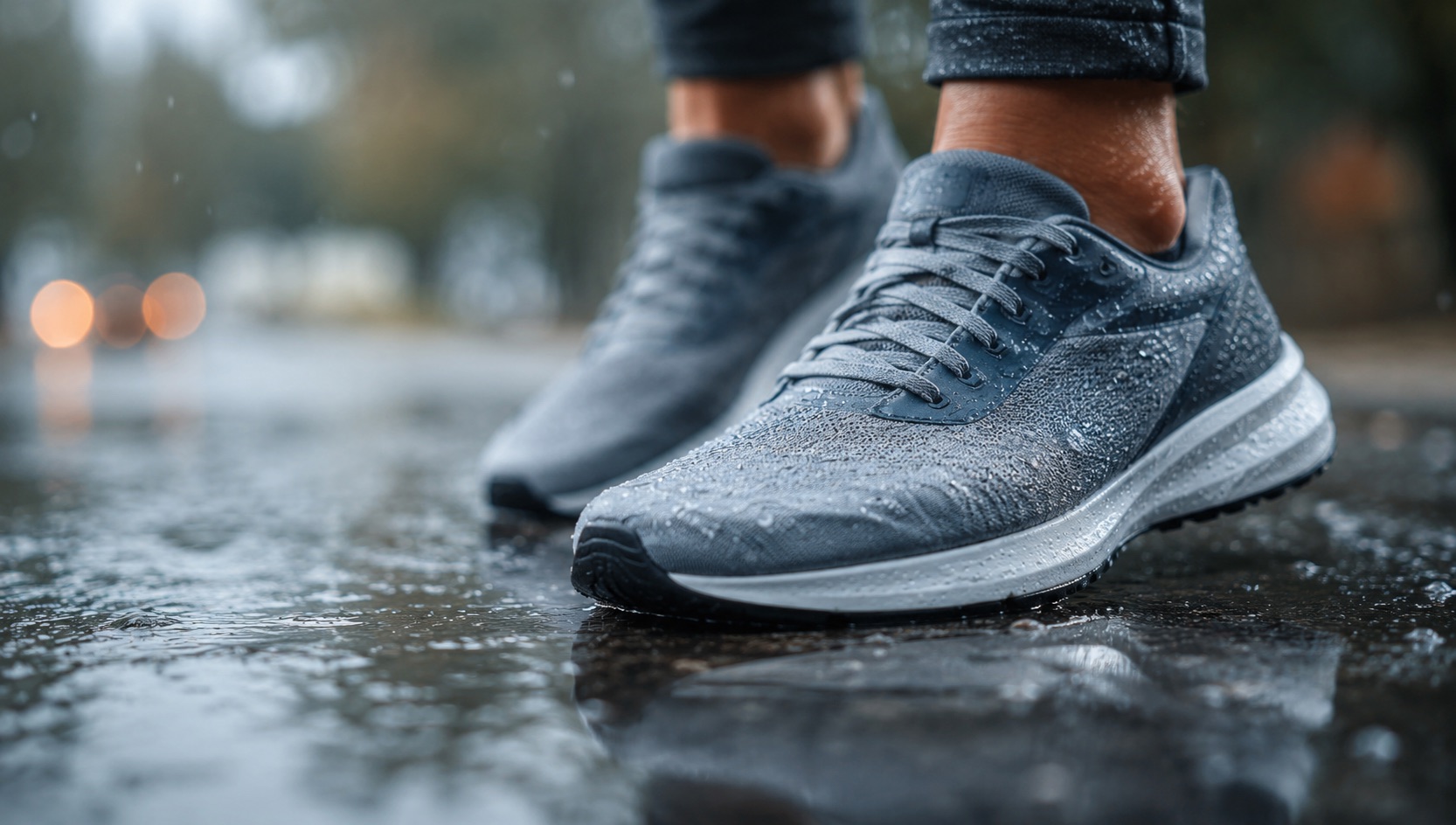
HOKA Clifton 10 vs Nike Pegasus 42 - Daily Trainer Comparison
The HOKA Clifton 10 and Nike Pegasus 42 are probably the two most recommended daily trainers on the internet right now. If you’ve asked for shoe advice in any running group, forum, or subreddit in the past year, at least one person has told you to buy one of these. Maybe both.
They take completely different approaches to the same job. We also compared the On Cloudmonster vs Hoka Clifton if you’re curious how HOKA stacks up against On’s maximalist option. The Clifton is lighter, lower to the ground, and uses that signature meta-rocker to roll you through each stride. The Pegasus is heavier, more traditional in shape, and relies on proven React X foam with a higher drop that works for a wider range of runners. Both cost around $140 to $145, both are built to handle daily mileage, and both have massive followings for good reason.
I’ve run in both. Here’s what actually matters when deciding between them.
Spec Comparison
| Feature | HOKA Clifton 10 | Nike Pegasus 42 |
|---|---|---|
| Price | $145 | $140 |
| Weight | 8.9 oz (men’s US 9) | 10.1 oz (men’s US 9) |
| Drop | 5mm | 10mm |
| Stack Height | 33mm heel / 28mm forefoot | 33mm heel / 23mm forefoot |
| Midsole | CMEVA foam | React X foam |
| Outsole | Rubber lugs | Waffle-pattern rubber |
| Upper | Engineered mesh | Flyknit-style mesh |
| Toe Box | Standard to slightly narrow | Standard, roomier fit |
| Best For | Easy runs, long runs | Mixed training, versatility |
| Durability | 400-500 miles | 400-500 miles |
Cushioning and Ride
This is where these two shoes diverge the most.
The Clifton 10 uses HOKA’s compression-molded EVA (CMEVA) foam, which sits on the softer end of the spectrum. It’s not marshmallow-soft like some maximalist shoes, but it definitely prioritizes comfort over responsiveness. The meta-rocker geometry is the real story here. That curved sole profile naturally rolls you forward through each step, which reduces the work your ankles and calves have to do. On easy runs and long runs, this is fantastic. Your legs feel less beat up at the end.
The trade-off: the Clifton doesn’t give much back. If you try to pick up the pace for a tempo segment or a strides workout, the shoe feels flat. There’s no pop, no spring. It’s designed to cruise, not to race.
The Pegasus 42 takes the opposite approach. Nike’s React X foam is firmer and more responsive than HOKA’s CMEVA. You feel more ground contact, more feedback from the road. The 10mm drop puts you in a more traditional running position, which many runners (especially those coming from older Nike or ASICS models) find familiar and comfortable. The forefoot has a bit of flex that the Clifton lacks, making the Pegasus feel more natural when you accelerate.
The downside: at 10.1 oz, the Pegasus is over an ounce heavier than the Clifton. That doesn’t sound like much, but after 10 miles, you notice it. The ride also feels less cushioned on pure easy runs. The React X foam is good, but it’s not as plush as what HOKA offers.
My take: If 80% of your running is easy pace, the Clifton is the better cushioning choice. If you want one shoe that handles easy days and the occasional tempo run, the Pegasus is more versatile.
Fit and Upper
The Clifton 10 runs slightly narrow through the midfoot and has a tapered toe box. HOKA improved the fit over the Clifton 9, adding a bit more room up front, but it’s still not a wide-foot-friendly shoe. If you have wider feet, you’ll probably need the wide version (which HOKA does offer). The engineered mesh upper is breathable and lightweight, with minimal overlays. It fits like a sock, which is great for comfort but means there’s less structure for runners who need it.
The Pegasus 42 has a more generous fit overall. Nike’s mesh upper is slightly more structured than HOKA’s, with better lockdown through the midfoot. The toe box is roomier out of the box, and Nike offers standard, wide, and extra-wide options. For runners with wider feet or anyone who likes a bit more wiggle room for their toes, the Pegasus is the easier shoe to fit.
Both shoes have padded heel collars that hold your foot in place. Neither has a major heel slip issue if you size correctly. The Clifton’s heel collar is a bit more plush, which some runners love and others find excessive.
My take: The Pegasus wins on fit for most foot types. If you need extra support, our best stability running shoes 2026 guide covers options for overpronators. It’s more accommodating, has more width options, and doesn’t require a break-in period. The Clifton fits well if you have a standard or narrow foot, but it’s less forgiving if you’re between sizes.
Outsole and Durability
Both shoes use rubber outsoles, but the designs are different.
The Clifton 10 has strategic rubber placement in high-wear zones with exposed foam elsewhere. This saves weight but means the foam in non-rubbered areas wears down faster. Expect 400 to 500 miles before the cushioning feels dead, with the outsole rubber lasting a bit longer than the midsole foam. The exposed foam also picks up small rocks and debris, which can be annoying on gravel paths.
The Pegasus 42 has a more traditional full-coverage rubber outsole with Nike’s waffle pattern. It grips better on wet surfaces, lasts longer on abrasive roads, and doesn’t pick up debris the way the Clifton does. The React X foam also holds its shape better over time than HOKA’s CMEVA, so the ride stays more consistent through the life of the shoe.
My take: The Pegasus is the more durable shoe, both in outsole longevity and midsole resilience. If you’re logging 40+ mile weeks on roads, you’ll get more consistent miles from the Pegasus before it needs replacing.
Versatility
This is the Pegasus’s strongest argument.
The Clifton is an easy-run specialist. It does that job extremely well, but it’s not built for speed work, tempo runs, or anything that requires a responsive push-off. If you try to run a 5K time trial in Cliftons, you’ll feel like you’re running in slippers. Soft, comfortable slippers, but slippers.
The Pegasus handles a wider range of paces. It’s not a racing shoe, but it can manage easy runs, moderate efforts, tempo segments, and even the occasional interval workout without feeling out of place. For actual race day, check out our best running shoes for 5K racing and best 10K racing shoes guides. The firmer React X foam and 10mm drop give it enough structure to handle pace changes, while still providing enough cushioning for daily mileage.
If you’re only going to own one pair of running shoes, the Pegasus is the safer bet. If you already have a rotation with a dedicated speed shoe, the Clifton fills the easy-day role perfectly. For more on building a shoe rotation, check out my running shoe rotation for sub-20 5K training.
Who Should Buy the HOKA Clifton 10
- Runners who do mostly easy and long runs
- Anyone who prioritizes cushioning and leg protection over responsiveness
- Runners with standard or narrow feet
- People recovering from injuries who need a softer ride
- Runners who already have a separate shoe for speed work
Who Should Buy the Nike Pegasus 42
- Runners who want one shoe for everything
- Anyone with wider feet (Nike’s width options are better)
- Runners who do mixed training: easy runs, tempo, occasional intervals
- People who prefer a more traditional running shoe feel
- Budget-conscious runners who need durability and versatility from a single pair
The Bottom Line
The Clifton 10 is the better easy-run shoe. The Pegasus 42 is the better all-around shoe. That’s the simplest way to put it.
If you’re a newer runner buying your first real pair of running shoes, I’d point you toward the Pegasus. Our ASICS vs Nike running shoes brand comparison gives you a broader look at what Nike offers across its lineup. It does more things well, fits more foot types, and lasts longer. You won’t regret it.
If you’re an experienced runner building a rotation, the Clifton earns its spot as the dedicated easy-day shoe. The cushioning and rocker geometry genuinely reduce leg fatigue on recovery runs and long runs, and that’s worth the $145.
Both shoes made our list of the best daily training shoes for 2026, and both are frequently mentioned in discussions about Reddit’s favorite running shoes this year. You’re not making a bad choice either way. The question is just which one fits how you actually run.
FAQ
Is the HOKA Clifton 10 good for wide feet?
The standard Clifton 10 runs slightly narrow. HOKA offers a wide version, but even that is not as roomy as Nike’s wide option in the Pegasus 42. If you have genuinely wide feet, the Pegasus is the safer choice.
Can I use the Nike Pegasus 42 for tempo runs?
Yes. The Pegasus handles tempo runs and moderate-effort workouts reasonably well. It’s not a racing shoe, but the React X foam is responsive enough for uptempo work. The Clifton, by contrast, struggles at faster paces.
Which shoe lasts longer?
The Nike Pegasus 42 generally lasts longer. The React X foam maintains its cushioning properties better over time, and the fuller rubber outsole resists wear better than the Clifton’s partial rubber coverage. Expect 400 to 500 miles from both, but the Pegasus will feel more consistent through its lifespan.
What’s the main difference between a 5mm and 10mm drop?
A 5mm drop (Clifton) puts your foot in a more natural, midfoot-strike position. A 10mm drop (Pegasus) shifts more load to your knees and hips but takes stress off your calves and Achilles. If you’ve always run in traditional shoes, the 10mm drop will feel familiar. The 5mm drop works well for runners who want to transition toward a more natural running gait.
Are either of these shoes good for trail running?
No. Both are road shoes with outsoles designed for pavement and packed paths. Neither has the aggressive tread or upper protection needed for technical trails. If you run on trails, look at dedicated trail shoes from HOKA (like the Speedgoat) or Nike (like the Wildhorse). For cold-weather road running, our best winter running shoes guide covers options with better grip.