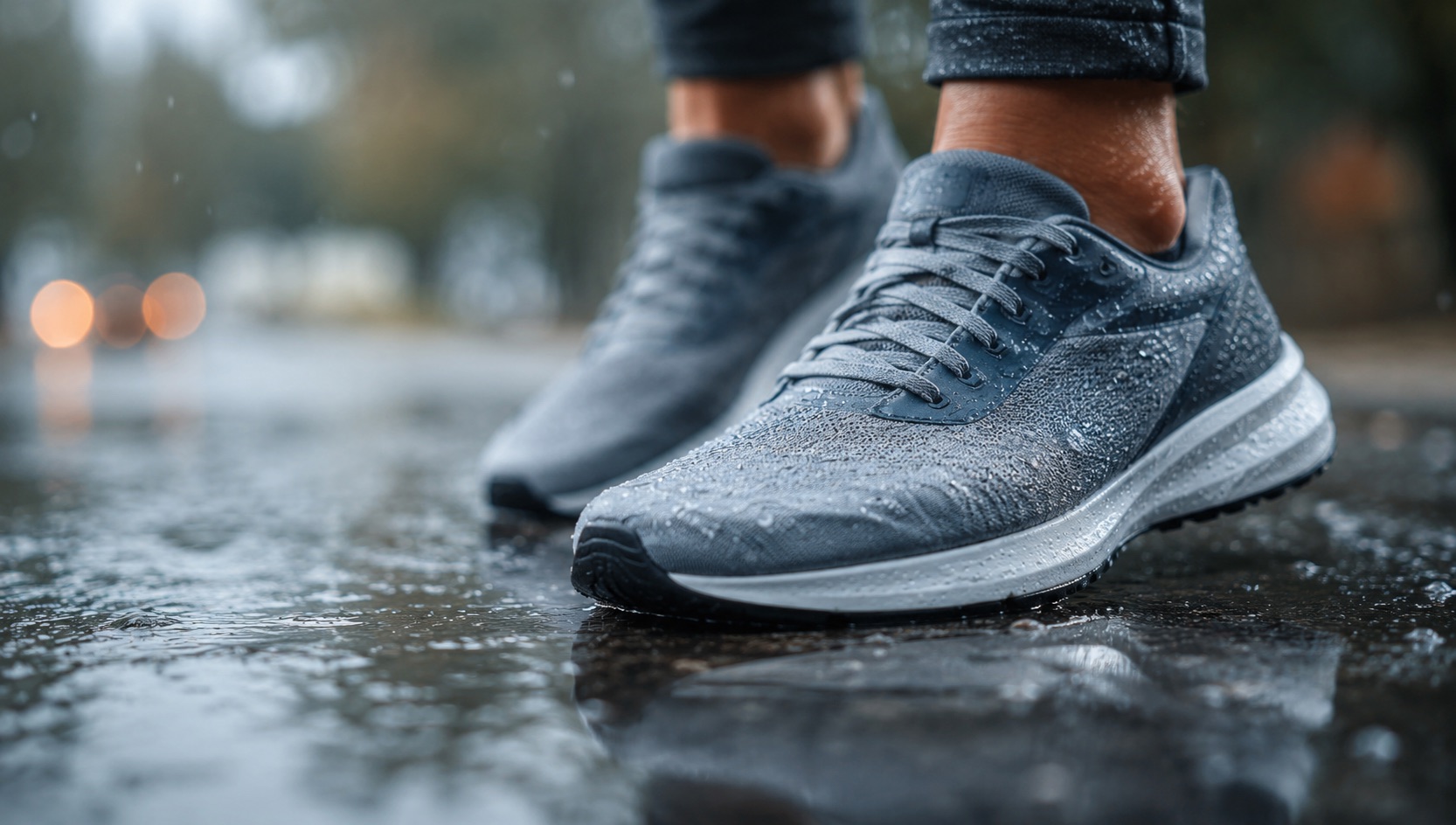
Nike Vaporfly vs Adidas Adios Pro vs Saucony Endorphin Pro - Super Shoe Showdown
If you’re lining up for a race in 2026, chances are you’ve stared at these three shoes more times than you’d like to admit. The Nike Vaporfly 4, Adidas Adios Pro 4, and Saucony Endorphin Pro 5 represent the best carbon plate racing shoes on the market - but they’re not all built for the same runner or the same race.
I’ve logged serious miles in all three, from tempo runs to full marathons, and I’m breaking down exactly how they compare so you can pick the right super shoe for your next PR. No affiliate links here - just honest takes from someone who’s worn through the foam.
For a broader look at the category, check out our full carbon plate racing shoe roundup for 2026.
At a Glance: Comparison Table
| Feature | Nike Vaporfly 4 | Adidas Adios Pro 4 | Saucony Endorphin Pro 5 |
|---|---|---|---|
| Price | $260 | $250 | $200 |
| Weight | 6.5 oz | 6.9 oz | 7.6 oz |
| Stack Height | 40mm | 39.5mm | 40mm |
| Drop | 8mm | 6.5mm | 8mm |
| Foam | ZoomX | Lightstrike Pro | PWRRUN PB |
| Plate Type | Full-length carbon | Carbon EnergyRods 2.0 | S-curve carbon |
| Best Distance | 5K–10K | Marathon | All distances (budget pick) |
Foam & Ride Feel
Let’s start with what matters most in a super shoe - the foam.
Nike Vaporfly 4 uses ZoomX, Nike’s lightest and bounciest foam. It’s soft, responsive, and has a distinctly “poppy” feel underfoot. You notice it most at faster paces - the foam almost pushes you into your next stride. The ride is aggressive and forward-rolling, which is why it excels at shorter racing distances where you’re really hammering the pace. The downside? ZoomX compresses noticeably over time. More on that in the durability section.
Adidas Adios Pro 4 takes a different approach with Lightstrike Pro. It’s slightly firmer than ZoomX but delivers an incredibly smooth, stable ride. The EnergyRods 2.0 system (five carbon-infused bars rather than a single plate) creates a more guided toe-off that feels less aggressive but more efficient over long distances. If ZoomX is a trampoline, Lightstrike Pro is a well-tuned spring - controlled, predictable, and relentless.
Saucony Endorphin Pro 5 runs PWRRUN PB foam, which lands somewhere between the other two. It’s bouncier than Lightstrike Pro but not quite as soft as ZoomX. The S-curve carbon plate gives it a snappy feel, though the overall sensation is more “versatile workhorse” than “specialized rocket.” It’s comfortable from mile one through mile twenty-six, which makes it a solid all-rounder.
Energy Return
This is where lab data and real-world feel diverge a bit.
The Vaporfly 4 consistently tests highest for raw energy return - Nike claims around 85% and independent labs largely back that up. You feel it in your legs at the end of a hard 10K: they’re fresher than they have any right to be.
The Adios Pro 4 might test slightly lower in pure bounce-back metrics, but the EnergyRods system channels energy more efficiently in the forward direction. For marathon pace (say, 5:30–7:00 per mile), many runners find the Adios Pro actually feels more efficient than the Vaporfly because it wastes less energy on vertical oscillation.
The Endorphin Pro 5 sits in third place here, but not by a huge margin. PWRRUN PB delivers solid return - you’ll still feel the carbon plate doing its job. The gap between this shoe and the other two is smaller than the price gap suggests.
Fit & Upper
Nike Vaporfly 4 uses a lightweight VaporWeave upper that’s breathable and minimal. It runs slightly narrow through the midfoot, which works great for slim feet but can feel constricting if you’re wider. The heel counter is snug and locked-in. Sizing runs true for most people.
Adidas Adios Pro 4 features a thin, barely-there mesh upper. It’s incredibly light and breathable - almost too minimal for cold weather racing. The fit is more accommodating through the midfoot than the Vaporfly, making it friendlier for average-to-wide feet. The internal heel counter provides solid lockdown without excessive bulk.
Saucony Endorphin Pro 5 has the most substantial upper of the three. It’s still lightweight, but offers slightly more structure and padding. This makes it the most comfortable shoe out of the box - less break-in time, fewer hot spots. It accommodates a wider range of foot shapes without feeling sloppy.
Durability
This is where super shoes traditionally struggle, and these three are no exception - though some hold up better than others.
Nike Vaporfly 4: Plan on 150–200 miles before the ZoomX foam loses its pop. The midsole visibly compresses, and you’ll feel the difference. The outsole rubber is thin. This shoe is designed to be fast, not long-lasting. At $260, that’s a tough pill to swallow.
Adidas Adios Pro 4: Lightstrike Pro holds up better than ZoomX. Expect 200–250 miles before significant degradation. The Continental rubber outsole also provides better grip and longevity on pavement. For a marathon shoe, this durability window gives you several training runs plus race day.
Saucony Endorphin Pro 5: The PWRRUN PB foam shows less compression over time, and you can reasonably get 250–300 miles from this shoe. At $200, the cost-per-mile equation tips heavily in Saucony’s favor. If you want a super shoe you can use for workouts and racing, this is the one.
Race Day Performance
Here’s where I get opinionated.
For 5K–10K races, the Vaporfly 4 is king. Its aggressive rocker geometry and lightweight build shine at faster paces. The energy return at high cadences is unmatched. If you’re running sub-40 for a 10K, this shoe will reward every ounce of fitness you bring.
For the marathon, the Adios Pro 4 edges ahead. The smoother, more stable ride pays dividends over 26.2 miles. The EnergyRods guide your stride without demanding perfect form when you’re fatigued at mile 22. It’s the shoe that won’t punish you for slowing down slightly - it just keeps rolling forward.
For budget-conscious racers or those who want one super shoe for everything, the Endorphin Pro 5 is the smart choice. It’s $50–60 cheaper, significantly more durable, and still delivers genuine carbon-plate performance. It won’t be the fastest option on any single day, but it’s the best overall value in the category.
If you’re training for your first marathon, check out our marathon shoe guide for more options at different price points.
Pros & Cons
Nike Vaporfly 4
Pros:
- Lightest shoe in the comparison (6.5 oz)
- Highest energy return at fast paces
- Aggressive rocker propels you forward
- Proven race day pedigree
Cons:
- Most expensive at $260
- Worst durability (150–200 miles)
- Narrow fit won’t work for everyone
- Overkill for marathon pace for most runners
Adidas Adios Pro 4
Pros:
- Best marathon-pace efficiency
- EnergyRods create smooth, guided toe-off
- Better durability than Vaporfly
- Continental rubber outsole grips well
Cons:
- $250 is still steep
- Minimal upper can feel flimsy
- Not as responsive for short, fast races
- Takes a few runs to dial in the feel
Saucony Endorphin Pro 5
Pros:
- Best value at $200
- Most durable (250–300 miles)
- Comfortable fit accommodates more foot shapes
- Versatile across all race distances
Cons:
- Heaviest of the three (7.6 oz)
- Doesn’t match Vaporfly’s top-end speed
- Less specialized - jack of all trades
- S-curve plate feels less aggressive
Who Should Buy What?
- Competitive 5K–10K racers chasing every second: Nike Vaporfly 4
- Marathoners who want efficiency over 26.2 miles: Adidas Adios Pro 4
- Runners who want value and versatility without sacrificing performance: Saucony Endorphin Pro 5
If you’re newer to running and not sure you need a carbon plate shoe yet, our beginner’s running gear guide covers what you actually need starting out.
Related reading: Best Daily Training Shoes for Runners 2026
See how we compare products for our full research methodology.
FAQ
Are carbon plate shoes worth the money?
For racing, yes - if you’re at a fitness level where seconds matter to you. Studies consistently show 2–4% energy savings from carbon plate super shoes. But for easy training runs? Save your money and your shoe’s limited lifespan.
Can I use these shoes for training too?
You can, but you’ll burn through them fast. The Endorphin Pro 5 is the most viable training option thanks to its durability. For the Vaporfly and Adios Pro, I’d reserve them for workouts and race day only.
How do I know which size to get?
The Vaporfly runs true to size but narrow - go half up if you’re between sizes or have wider feet. The Adios Pro fits true to size with a slightly more accommodating midfoot. The Endorphin Pro fits true to size and works for most foot shapes without adjustment.
Do these shoes work for heavier runners?
Yes, but the experience differs. Heavier runners (180+ lbs) tend to compress ZoomX faster, shortening Vaporfly lifespan. The Adios Pro’s firmer foam handles heavier loads better, and the Endorphin Pro’s durability makes it the safest bet for bigger runners.
How often should I replace my carbon plate racing shoes?
Track your mileage. Once you notice the foam feeling flat or dead - usually 150–300 miles depending on the shoe - it’s time. Some runners keep a “race day only” pair and a separate pair for workouts to extend the life of their fastest shoe.
The Verdict
There’s no single “best” super shoe - only the best one for your race, your pace, and your budget. The Vaporfly 4 is the fastest short-distance racer. The Adios Pro 4 is the most efficient marathon machine. The Endorphin Pro 5 is the smartest buy for runners who want performance without burning cash.
All three will make you faster. The question is which trade-offs matter most to you.