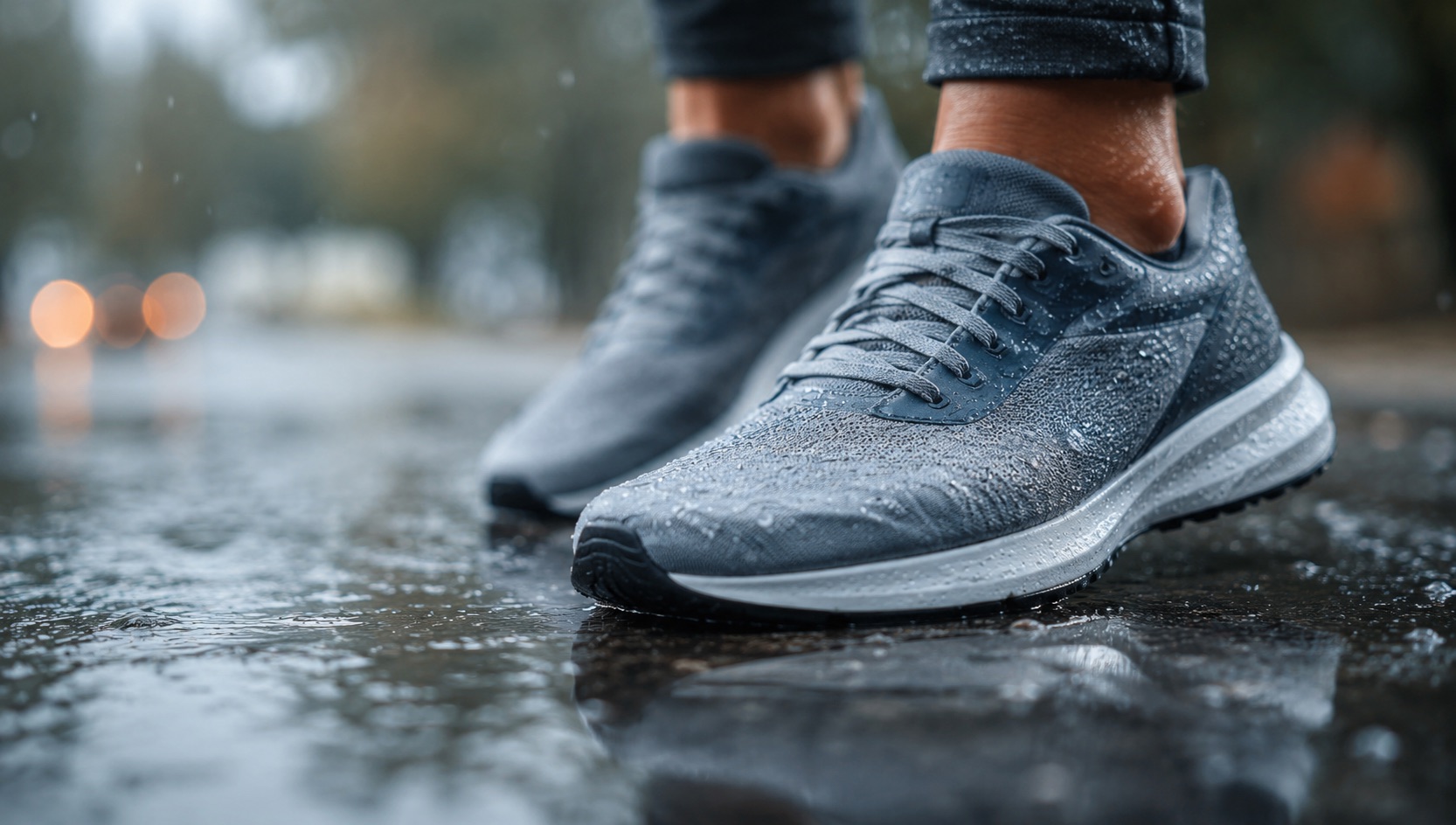
Adidas Boston 12: When Does the Bounce Die? (300km vs 600km Photos)
Adidas Boston 12: When Does the Bounce Die? (300km vs 600km Photos)
The Adidas Boston 12 was my go-to tempo and interval shoe for eight months. It earned an 8/10 in my rotation for its snappy Lightstrike Pro foam and versatile pace range. But here is the thing about responsive shoes: they do not age gracefully. The bounce that makes them special is also the first thing to go.
I documented this shoe at 300km and again at 600km with photos. The difference is dramatic, and it illustrates exactly when a performance shoe transitions from “great” to “done.”
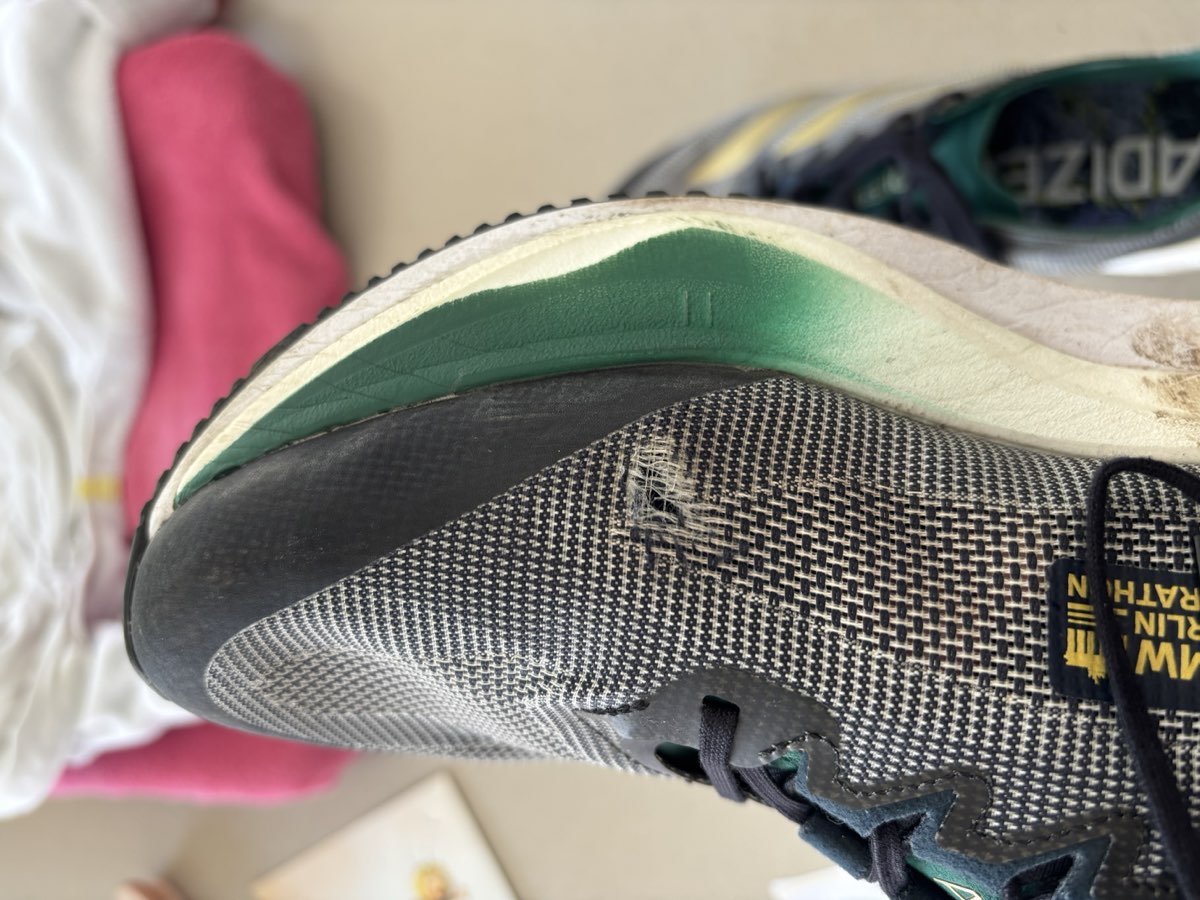
The Rating: 8/10 (When It Works)
Let me be clear about what the Boston 12 does well. During its performance window (roughly 0-400km), this shoe is excellent for:
- Tempo runs at 4:00-4:30/km
- Interval sessions (800m-2000m repeats)
- Uptempo long runs
- As a secondary race option for shorter distances
The Lightstrike Pro foam is genuinely responsive. Not in the vague marketing-speak way, but in the tangible “I can feel energy coming back on each stride” way. Combined with the EnergyRods in the midsole (Adidas’s version of a plate system), the Boston 12 propels you forward at pace.
The shoe sits in my speed work rotation alongside the Endorphin Speed, and both serve the same purpose from different angles. The Boston is firmer and snappier. The Speed is bouncier and more versatile.
300km: Still Great, But Problems Appearing
At 300km, the Boston 12 still felt responsive. The Lightstrike Pro foam had softened from its initial firmness (which takes about 50km to break in) into a sweet spot of cushion plus return. Tempo sessions felt natural. The shoe was doing everything right on the ride front.
But the upper had a different story.
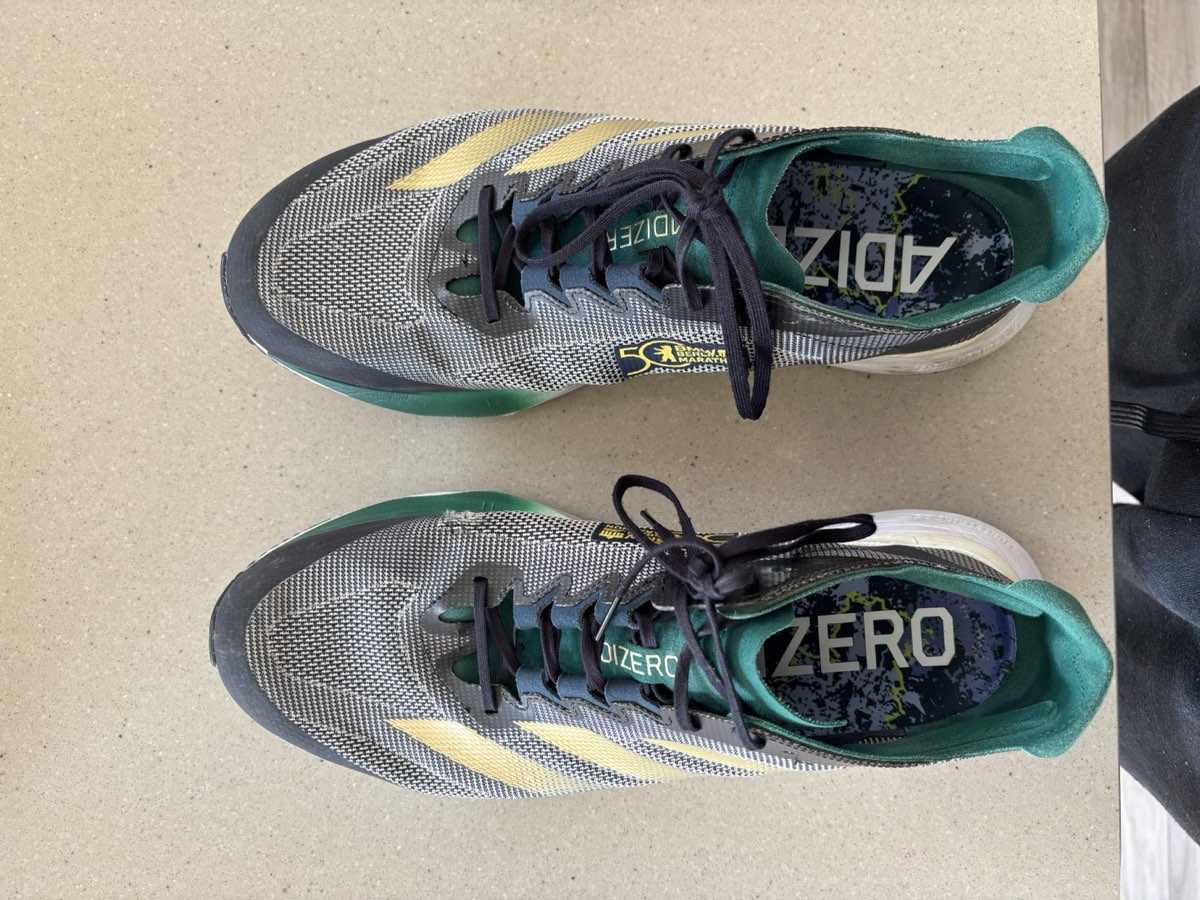
A hole appeared on the lateral forefoot at 300km. Right where my pinky toe sits and where the mesh is thinnest. Not a small wear spot. An actual hole through the upper material. This is earlier than any shoe I have owned has developed structural upper damage.
The mesh Adidas used on the Boston 12 is thin and lightweight, which helps with breathability and weight. But it clearly sacrificed durability for those benefits. At 300km in a shoe that costs EUR 140 retail, an upper failure is disappointing.
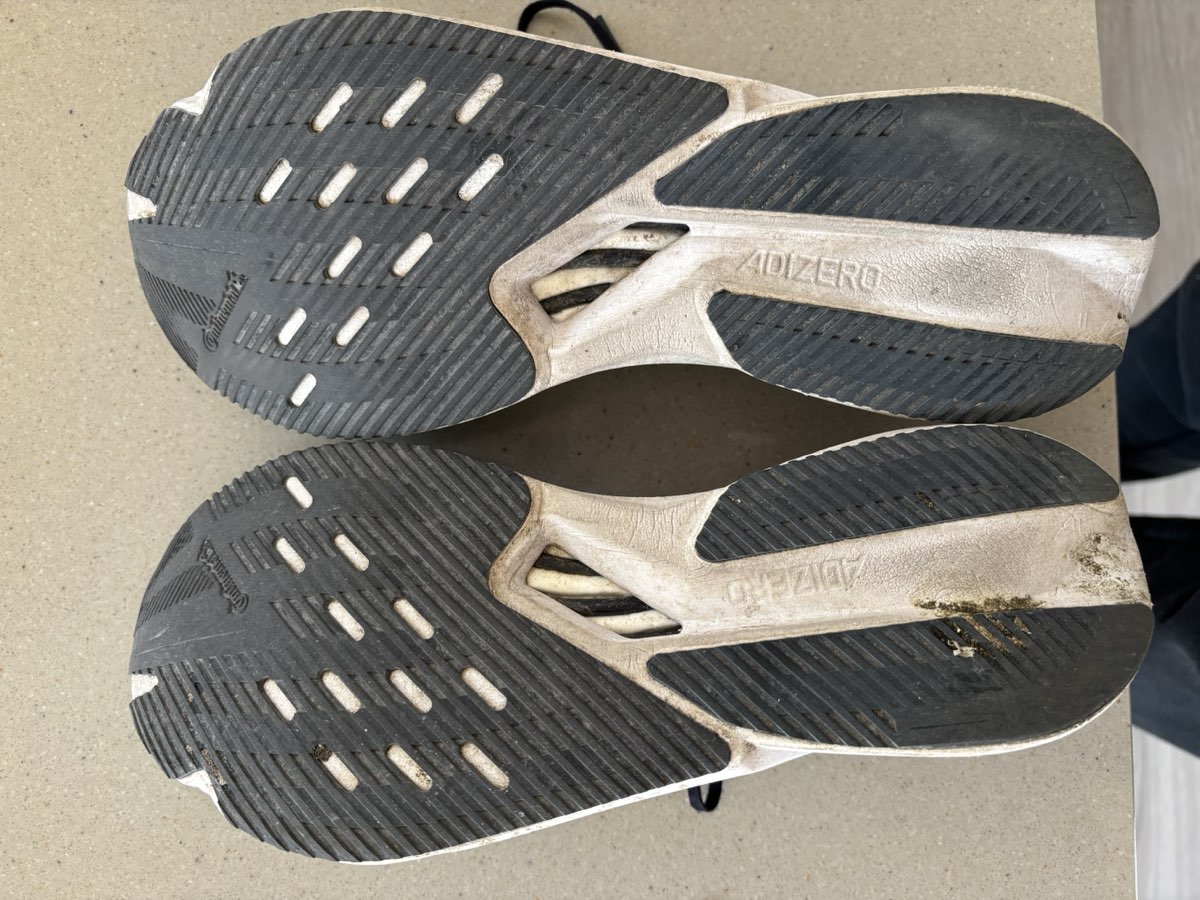
The outsole at 300km told a better story. Continental rubber (Adidas’s signature outsole partner) was wearing normally. Heel showing expected patterns, forefoot still well-covered. No concerning wear-through points. This is where Adidas excels: their outsoles are consistently among the most durable in the industry.
400-500km: The Transition Zone
Between 400-500km, something shifted. The “pop” on toe-off started feeling muted. Not gone, but reduced. Tempo sessions that felt effortless at 300km required slightly more conscious effort at the same pace. My heart rate at the same paces ticked up by 2-3 bpm, which is small but measurable.
This is the frustrating zone with performance shoes. You cannot point to a single run and say “the shoe died here.” It is a gradual dimming. Like a light bulb slowly fading rather than burning out. Each run is slightly less responsive than the last, but the day-to-day change is imperceptible.
600km: The Bounce Is Dead
At 600km, the Boston 12 feels like a completely different shoe from the one I bought. The Lightstrike Pro has lost its energy return. Landing feels cushioned (the foam still absorbs impact), but there is no spring-back sensation. It just… absorbs. And stops.
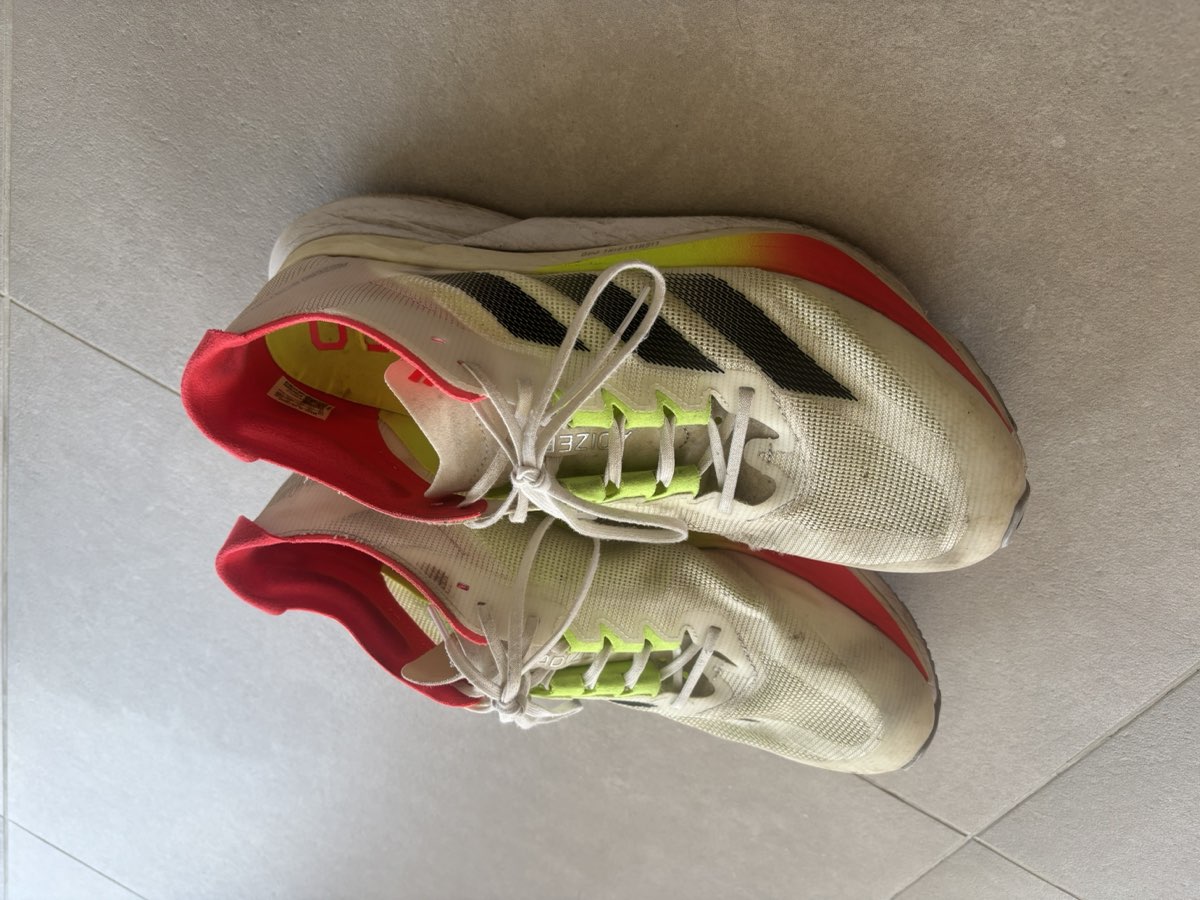
The difference is most obvious on intervals. At 300km, I could hit 3:40/km for 1000m repeats and the shoe felt like it was contributing. At 600km, the same pace feels like I am fighting the shoe. It is dead weight under my feet rather than an active partner.
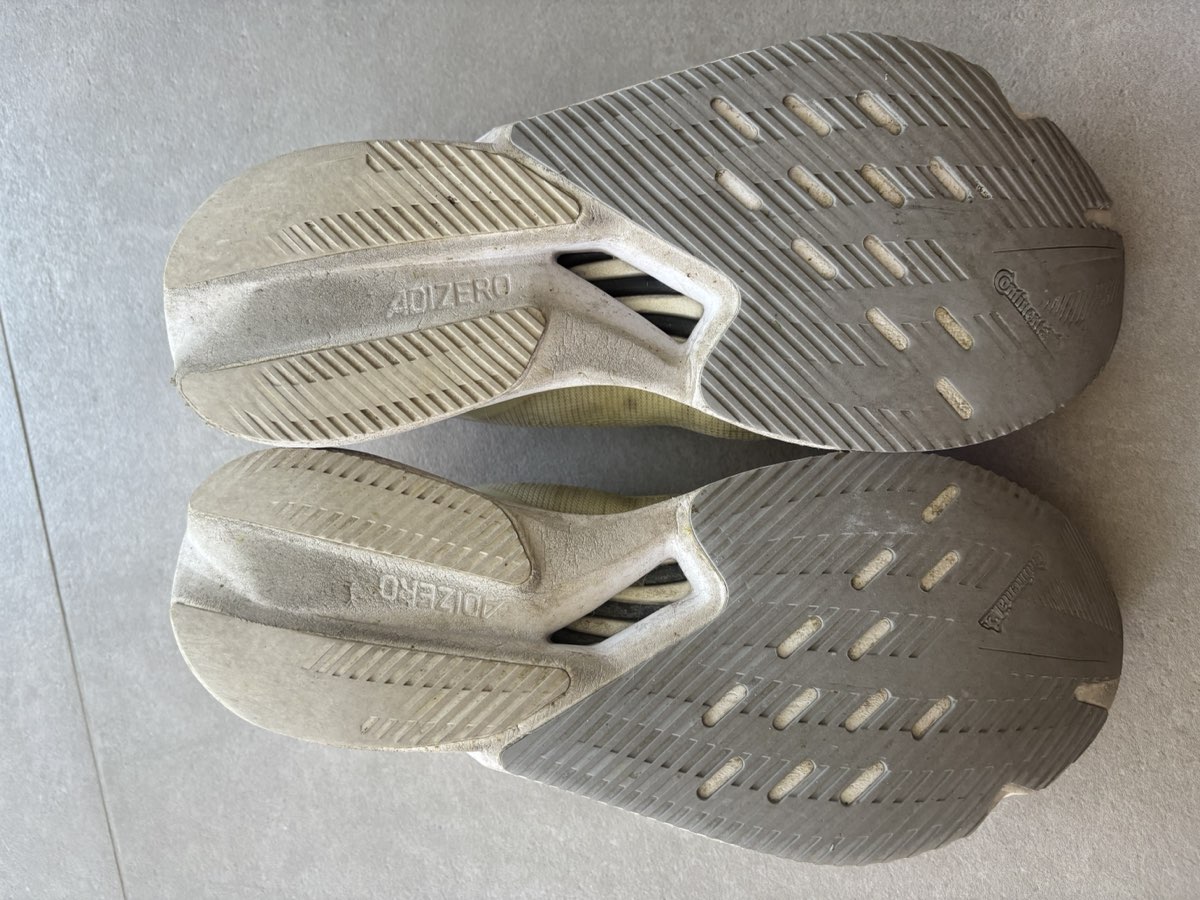
Ironically, the outsole at 600km is still in decent shape. Continental rubber continues to perform even as the foam above it dies. This creates an odd situation: the shoe looks wearable and the grip is fine, but the performance foam that justified its price is functionally spent.
The Visual Comparison: What Degradation Looks Like
Putting 300km and 600km photos side by side, you can see:
Midsole creasing: Visible compression lines at 600km that were not present at 300km. The foam is permanently deformed.
Stack height reduction: Approximately 2mm lower at the heel at 600km. The foam has compressed and not recovered.
Overall shape: The shoe at 600km has a slight inward lean (medial compression) that was not there earlier. This affects biomechanics and can contribute to injury if you keep running on degraded foam.
Upper hole: Still there from 300km, slightly larger at 600km. Not getting worse rapidly, but not something you can ignore for moisture or debris protection.
When to Retire a Tempo Shoe
Based on this experience, here is my guideline for the Boston 12 specifically:
- 0-100km: Breaking in. Foam is firm but responsive.
- 100-400km: Peak performance window. This is when the shoe earns its 8/10.
- 400-500km: Transition. Still usable for tempo but noticeably declining.
- 500-600km: Done for speed work. Relegatable to easy runs only.
- 600km+: Retire for running. Walking, gym, gardening shoe at best.
For comparison, the Saucony Endorphin Speed 4 maintains its performance window longer (to about 500-550km in my experience). The trade-off is the Speed has a slightly less durable outsole. Pick your priority: longer top performance (Speed) or better ground grip in the later stages (Boston).
Cost Per Performance Kilometer
This is the math that matters for tempo shoes. You do not just want cost per total kilometer. You want cost per kilometer where the shoe actually performs its intended purpose.
Boston 12 performance window: 100-500km = 400km of good tempo performance Price paid: EUR 75 (clearance) Cost per performance kilometer: EUR 0.19/km
That is reasonable. At full retail (EUR 140), it would be EUR 0.35/km, which is steep for a training shoe you cannot race in. This is why I always buy on sale. The Boston 12 at full price is a tough sell when the performance window is only 400km.
What Replaces the Boston 12 in My Rotation
The Boston 12 is now retired. For its slot (tempo and intervals), I am looking at:
Saucony Endorphin Speed 4/5: The obvious replacement. Similar purpose, slightly more versatile, longer performance window.
Adidas Adizero SL 2: Cheaper than the Boston, less responsive but more durable. Good for runners who want a tempo shoe without the premium price.
Adidas Boston 13 (when released): If Adidas fixes the upper durability and maintains the ride, the next generation is an automatic buy for me.
I am leaning toward the Speed 4 because it fills the same rotation slot while offering more range. The Boston 12 was a specialist. The Speed is a Swiss Army knife.
Lessons for Buying Tempo Shoes
1. Budget for shorter lifespan. Tempo shoes with responsive foam (Lightstrike Pro, PWRRUN PB, ZoomX) degrade faster than daily trainers with standard EVA or basic foam. Plan for 400-500km of peak use, not 800km.
2. The upper might fail first. In the Boston 12’s case, the upper hole at 300km was annoying but not shoe-ending. The foam death at 600km was the actual endpoint. Check both components when assessing shoe condition.
3. Rotation extends life. My Boston 12 saw 2 tempo sessions per week at most. If I had used it daily, the foam would have compressed faster without recovery time. Dedicate tempo shoes to tempo days only.
4. Trust feel over appearance. At 600km, my Boston 12 looks runnable. The outsole has life, the upper (besides the hole) is intact. But the foam is dead. If your tempo shoe stops feeling responsive, it is done regardless of how it looks.
FAQ
How long does Adidas Lightstrike Pro foam last compared to Nike ZoomX?
In my experience, both degrade on similar timelines: 400-500km of peak performance. Nike ZoomX (used in Vaporfly/Alphafly) might degrade slightly faster because it is softer and more compressible, but the difference is marginal. Both are premium performance foams designed for responsiveness, not longevity.
Is the hole in the upper a common Boston 12 problem?
Based on community feedback, yes. Multiple runners report upper mesh failure between 200-400km, particularly on the lateral forefoot. It appears to be a design choice (thin mesh for weight) with a durability consequence. The Boston 13 reportedly addresses this with a reinforced mesh panel.
Can I still use the Boston 12 for easy runs after the bounce dies?
Technically yes. The shoe still cushions impact and the outsole still grips. But running in degraded foam increases impact stress on your joints and can contribute to fatigue and injury over time. If you have other options for easy runs, use those instead. Keep the dead Boston 12 for walking or gym use.
Is the Adidas Boston 12 better than the Saucony Endorphin Speed for intervals?
The Boston 12 is firmer and snappier, which some runners prefer for short, sharp intervals (400m-800m). The Endorphin Speed is bouncier and more versatile, better for longer repeats (1000m-2000m) and as a race shoe. For pure interval training, both work well. The Speed lasts longer and handles more workout types.
Should I buy the Boston 12 on clearance now or wait for the Boston 13?
At clearance prices (40-50% off), the Boston 12 is excellent value for its performance window. Buy it if you need a tempo shoe now. The Boston 13 will be full price at launch and only marginally improved. Getting two pairs of Boston 12 on clearance gives you more performance kilometers per euro than one pair of Boston 13 at retail.