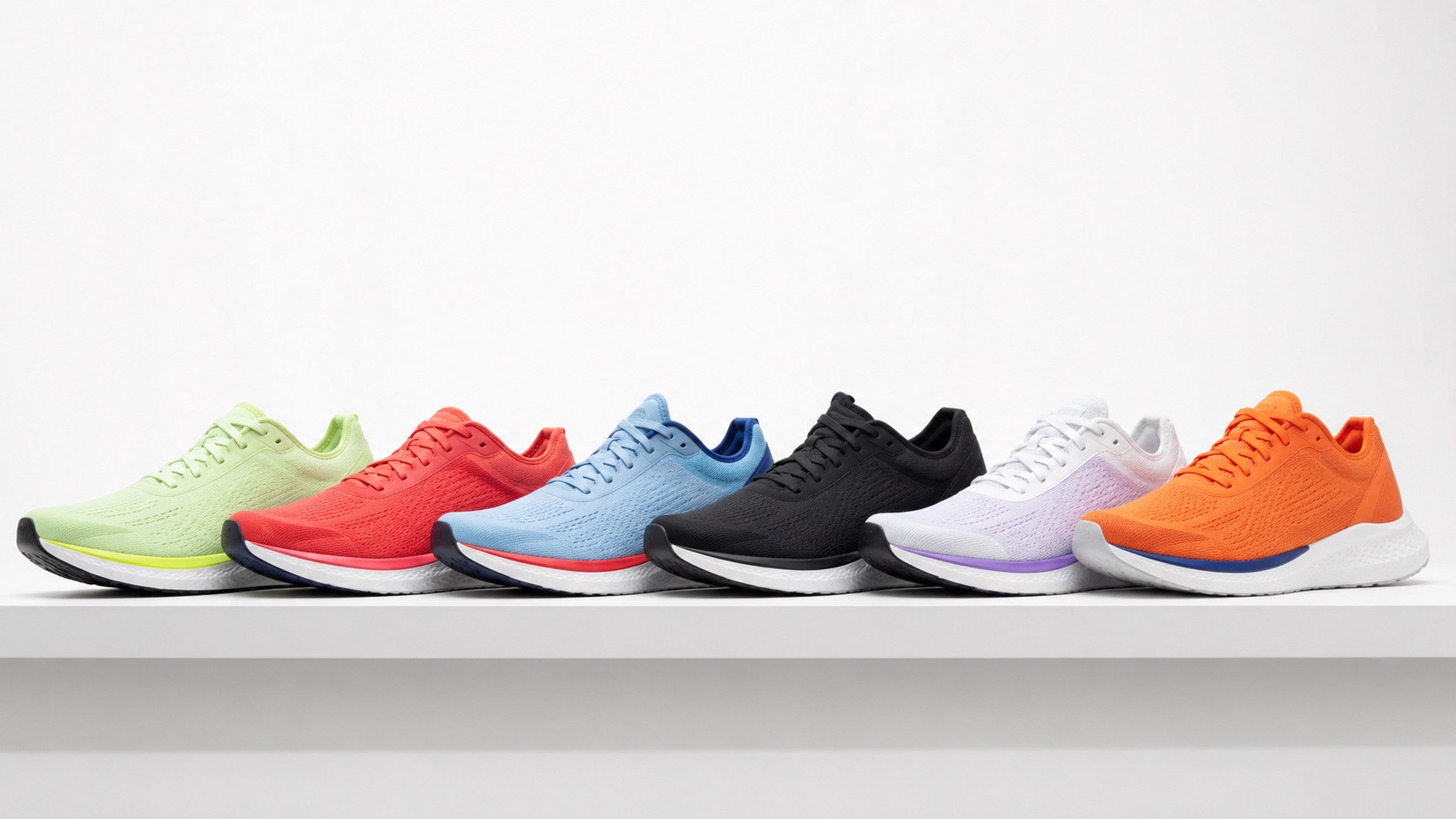
Saucony Endorphin Speed 4 Review for Runners (2026)
Saucony Endorphin Speed 4 Review for Runners (2026)
The Saucony Endorphin Speed line has always occupied an interesting space. It’s not a full carbon-plated racer, but it’s not a standard daily trainer either. It sits in between - a nylon-plated tempo shoe that many runners end up using for everything from easy days to race day.
The Speed 4 continues that tradition while refining the formula. Saucony has tweaked the foam, updated the upper, and adjusted the geometry slightly. The result is a shoe that feels familiar to Speed 3 fans but noticeably improved in a few key areas.
I’ve put over 200 miles on the Endorphin Speed 4 across tempo runs, interval sessions, long runs, and even a few easy days when I was too lazy to swap shoes. Here’s my full breakdown.
Saucony Endorphin Speed 4 Specifications
| Spec | Endorphin Speed 4 |
|---|---|
| Price | $170 |
| Weight | 7.6 oz (men’s size 9) |
| Drop | 8mm |
| Midsole | PWRRUN PB foam |
| Plate | Nylon plate |
| Stack Height | 35mm |
| Upper | Engineered mesh |
| Outsole | Rubber pods |
| Category | Tempo / workout trainer |
How It Compares to the Speed 3 and Rivals
| Feature | Speed 4 | Speed 3 | Adidas Boston 12 | Hoka Mach 6 |
|---|---|---|---|---|
| Price | $170 | $160 | $140 | $140 |
| Weight | 7.6 oz | 7.8 oz | 8.1 oz | 7.7 oz |
| Drop | 8mm | 8mm | 6.5mm | 5mm |
| Foam | PWRRUN PB | PWRRUN PB | Lightstrike Pro | PEBA foam |
| Plate | Nylon | Nylon | Glass fiber rods | No plate |
| Stack | 35mm | 35.5mm | 39.5mm | 37mm |
| Best For | Tempo/intervals | Tempo/intervals | Tempo/long runs | Daily/speed |
First Impressions and Fit
The Speed 4 fits true to size for me. The upper is slightly more structured than the Speed 3’s thin mesh, which means better lockdown at faster paces without sacrificing breathability. The heel counter is firm enough to prevent slippage but doesn’t dig in during long runs.
One thing I noticed immediately: the tongue is now gusseted. This was my biggest complaint with the Speed 3 - the tongue would slide sideways during intervals. That problem is gone. Small change, big quality-of-life improvement.
The toebox has adequate room without being sloppy. If you have wide feet, you might find it a touch narrow, but for standard to slightly wide feet it works well. Saucony offers a wide option if you need it.
The Ride: What It Feels Like on the Road
The PWRRUN PB foam hasn’t changed dramatically from the Speed 3, but the geometry tweaks make the shoe transition more smoothly. There’s a slightly more pronounced rocker that helps propel you forward without requiring you to actively push off as aggressively.
At easy pace (8:00–9:00/mi), the shoe feels snappy but not harsh. You can definitely feel the plate underneath - it adds a subtle pop at toe-off that makes easy runs feel slightly faster than they should. This is both a blessing and a curse, because it can tempt you into running easy days too fast.
At tempo pace (6:00–6:30/mi), the Speed 4 comes alive. This is clearly the shoe’s sweet spot. The plate engages fully, the foam compresses and rebounds efficiently, and you feel like you’re riding a wave of energy return. Transitions are smooth and the shoe encourages a midfoot-to-forefoot strike.
At interval pace (sub-5:30/mi), the shoe still performs well but starts to feel slightly less responsive compared to a true racing shoe. The nylon plate doesn’t provide quite the same snap as a full carbon plate, and the extra cushioning means slightly less ground feel. Still very capable for 400m repeats and 1K intervals.
Durability and Outsole
The rubber outsole pods cover the high-wear areas - forefoot and heel - while the exposed foam in between saves weight. After 200+ miles, the pods show moderate wear but the foam hasn’t broken through anywhere. I’d estimate 350-450 miles of life, which is solid for a plated shoe.
The foam itself hasn’t lost noticeable responsiveness yet, which was an issue with some early PWRRUN PB shoes that would pack out by 250 miles. Saucony seems to have improved the foam density for longevity.
Who Is This Shoe For?
The Endorphin Speed 4 works best for runners who want a single versatile shoe that handles workouts and up-tempo running without being too harsh for moderate-effort days. It’s an excellent choice if you’re building a rotation for racing goals and need something between your daily trainer and your race-day shoe.
It’s not the best choice as your only shoe for high mileage - the plate makes it slightly less forgiving on easy days compared to a dedicated daily trainer. Check out my best daily training shoes list if you need something softer for recovery runs.
If you’re looking for a pure race-day shoe, the Endorphin Pro 4 with its carbon plate is the step up, and I’ve compared it against other super shoes in my carbon plate racing shoe roundup.
Speed 4 vs Speed 3: Should You Upgrade?
If your Speed 3s still have life in them, there’s no urgent reason to replace them. The Speed 4 is better, but it’s an iterative improvement rather than a revolutionary one. The gusseted tongue, slightly improved upper lockdown, and minor geometry updates make it the better shoe, but the ride character is fundamentally the same.
If you’re buying fresh and choosing between discounted Speed 3s and full-price Speed 4s, the $30–40 savings on the Speed 3 is reasonable. But if budget isn’t the primary concern, the Speed 4 is the more polished package.
Speed 4 vs Boston 12 vs Mach 6
The Boston 12 is the closest rival in concept - a plated trainer for workouts. It uses glass fiber rods instead of a full plate, which creates a different (slightly more flexible) propulsion feel. The Boston 12 has more stack and is better for long tempo runs, while the Speed 4 feels more nimble for shorter intervals.
The Hoka Mach 6 takes a different approach entirely - no plate, just incredibly light and responsive foam. It’s slightly less structured and more versatile as a daily trainer, but doesn’t have that same “kick” at tempo pace. If you want one shoe for everything, the Mach 6 is more forgiving. If you want a dedicated workout shoe, the Speed 4 is more purposeful.
For more shoe comparisons including race-day options, see my super shoe comparison.
What I’d Improve
The outsole coverage could be more comprehensive. The exposed foam sections between rubber pods will wear faster on abrasive surfaces. If you run primarily on concrete, you’ll see wear there sooner.
The price increase to $170 (up from $160) isn’t huge, but it edges the shoe closer to entry-level carbon racers on sale. Saucony needs to be careful about pricing the Speed line too close to the Pro line.
I’d also like to see a slightly wider platform option that doesn’t require going up to the wide size. The forefoot could be 2-3mm wider for better stability at speed without adding a full width size.
Final Verdict
The Saucony Endorphin Speed 4 remains the benchmark for plated training shoes. It does what it does extremely well - make tempo runs and intervals feel fast and fun - while being versatile enough for other training days. The improvements over the Speed 3 are meaningful but not dramatic.
If you’re building a rotation and need a shoe that bridges daily training and racing, this is the one. At $170, it’s not cheap, but you get a shoe that genuinely performs at a level above standard trainers.
Rating: 9/10 - Best-in-class plated trainer with minor improvements that add up to a more polished experience.
Frequently Asked Questions
Is the Saucony Endorphin Speed 4 good for daily training?
It can work for daily training, but it’s optimized for faster-paced runs. The nylon plate adds propulsion that makes easy runs feel quicker than intended, which can interfere with recovery. Most runners get better results using it 2-3 times per week for workouts and tempo runs, paired with a softer daily trainer for easy days.
How does the Endorphin Speed 4 compare to a carbon racing shoe?
The Speed 4 uses a nylon plate instead of carbon fiber, which provides less aggressive propulsion but more durability and versatility. Carbon racers like the Endorphin Pro 4 are lighter, more responsive, and designed for race-day performance at the cost of durability (150-200 miles vs 350-450 miles). The Speed 4 is your training tool; the Pro is your race weapon.
What type of runner benefits most from the Endorphin Speed 4?
Runners training for 5K through marathon distances who do structured speedwork benefit most. If you run tempo sessions, threshold intervals, or progression runs regularly, this shoe makes those workouts more enjoyable and effective. Casual joggers who never run faster than easy pace won’t get much benefit from the plate.
Does the Endorphin Speed 4 work for half marathon racing?
Absolutely. Many runners race half marathons in the Speed rather than the Pro because the extra cushioning at 35mm stack handles the distance well, and the nylon plate provides enough energy return for 13.1 miles without the diminishing returns of a carbon plate at slower-than-elite paces. For runners finishing between 1:25 and 2:00, it’s an excellent race option.
How long does the Endorphin Speed 4 last?
Expect 350-450 miles depending on your weight, foot strike, and running surfaces. The PWRRUN PB foam holds up better than previous versions, and the rubber outsole pods protect high-wear areas. You’ll likely notice the foam losing some pop around 300 miles, but the shoe remains functional well beyond that point.