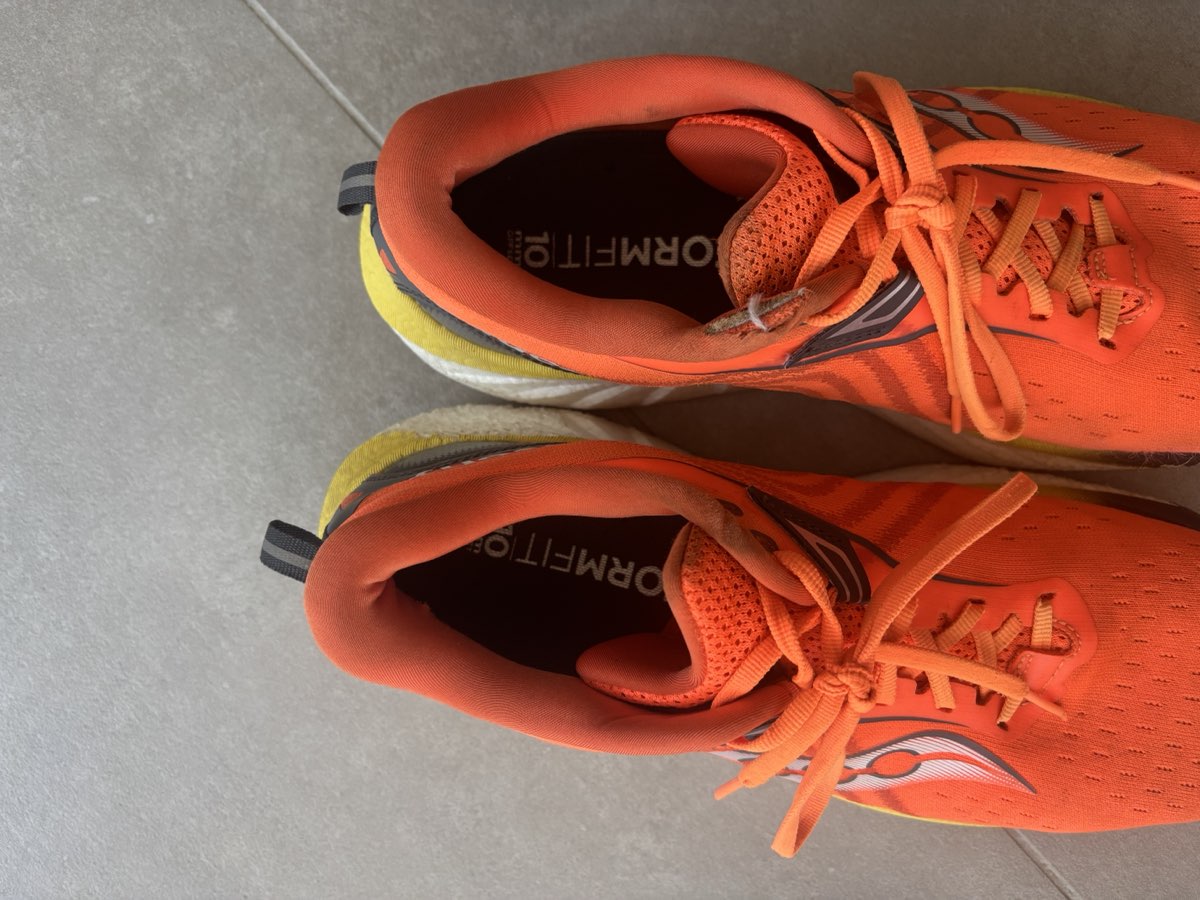
Saucony Triumph 21 vs 22: Why the Update Ruined My Favorite Shoe
Saucony Triumph 21 vs 22: Why the Update Ruined My Favorite Shoe
I loved the Saucony Triumph 21. I loved it so much that I ran through two pairs, accumulating 821km before both retired with torn uppers. It was the shoe that made long runs feel effortless. Then Saucony released the Triumph 22, and I have never been more disappointed by an update. I own both versions. I tested both extensively. Here is exactly what went wrong.
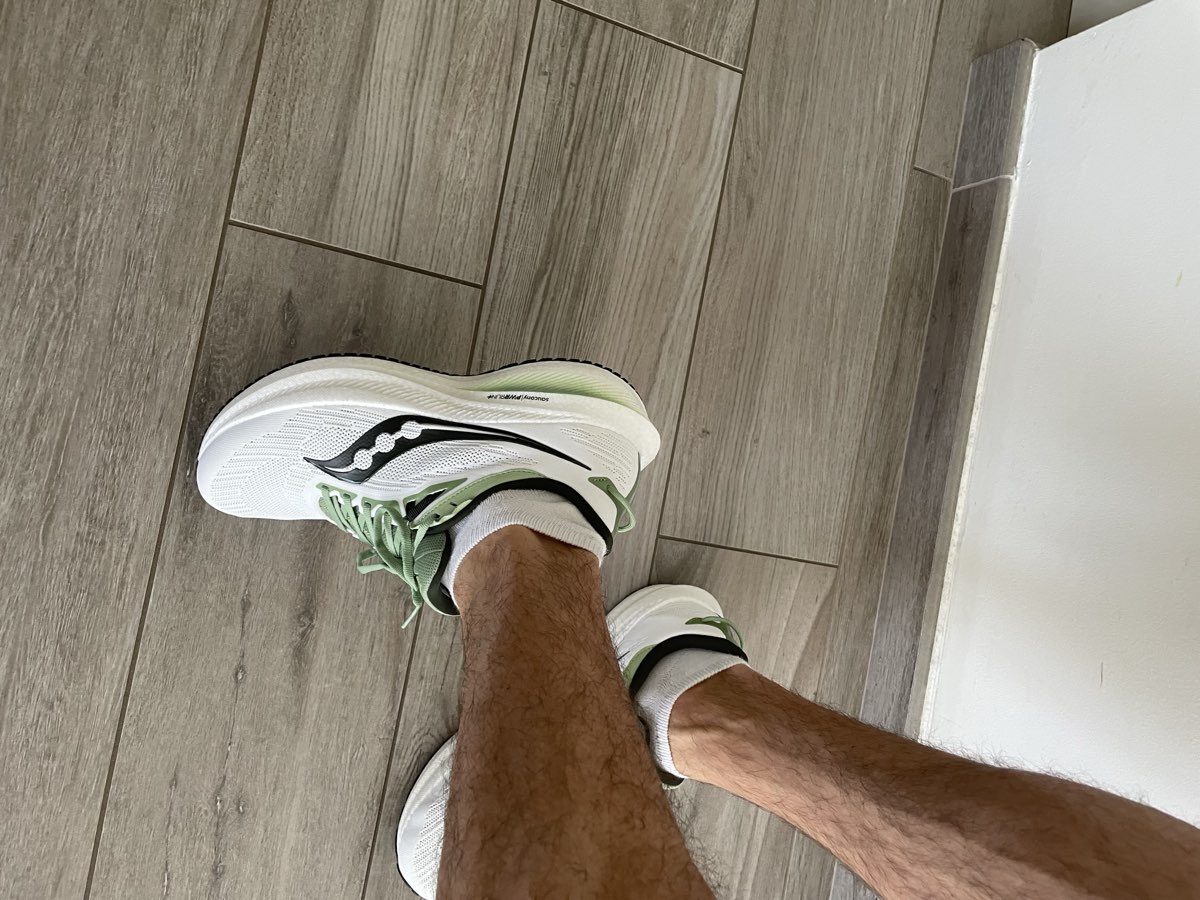
The Triumph 21: A Near-Perfect Long Run Shoe
The Triumph 21 was a soft, versatile shoe that would make you forget you were wearing them during long runs. It could handle basic tempo as well. That combination is rare. Most max-cushion shoes are too mushy for anything faster than easy pace. The Triumph 21 somehow balanced plush comfort with enough responsiveness to pick up the pace when you wanted.
I rated it 8/10 in my complete shoe ratings. For context, that is one of the highest scores I give. The only reason it did not hit 9 was the upper durability issue, which I will get to.
What made it special:
- Disappears on your feet during long runs (18km+ felt effortless)
- Enough structure to handle 4:40 to 5:00/km tempo without feeling unstable
- PWRRUN+ foam that was soft without being bottomless
- Wide toe box that gave my feet room without sloppy fit
- Smooth heel-to-toe transition at any pace
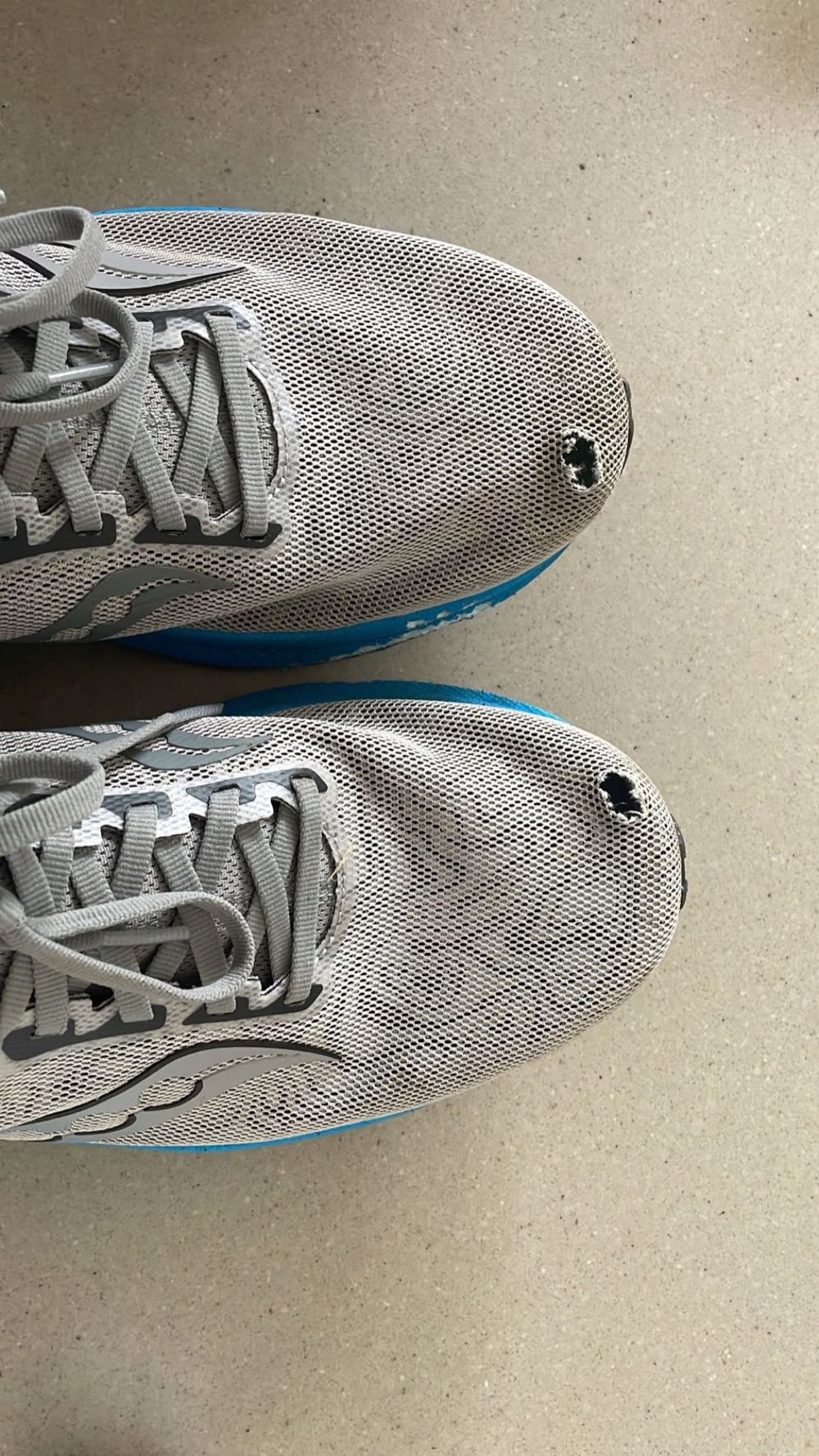
I ran 821km across two pairs. Both pairs retired for the same reason: the upper material developed gaps and tears around the 400km mark. Not the foam. Not the outsole. The upper just could not handle the stress.
Saucony Customer Service: Actually Impressive
When my first pair of Triumph 21s developed upper tears at around 400km, I contacted Saucony customer service. I expected the standard response: “normal wear and tear, sorry.” Instead, they sent me a completely new replacement pair free of charge. When the second pair developed the exact same issue at a similar mileage, they replaced that one too.
That is genuine customer service. They recognized a material defect, took responsibility, and made it right without hassle. I have enormous respect for Saucony as a company because of how they handled this. Two free replacement pairs. No arguments. No hoops to jump through.
It made the Triumph 22 disappointment hit even harder. I trusted the brand completely after that experience.
The Triumph 22: Too Much of a Good Thing
When the Triumph 22 launched, I bought it immediately. Same shoe, updated, from a brand I loved. Easy decision. Except it was not the same shoe. Saucony made the foam even softer. On paper, that sounds like an upgrade. In reality, it broke everything that made the 21 special.
The Triumph 22 is too soft, which made my knees hurt when going over 12km and I could not speed up with them. That is my honest assessment after 750km of trying to make them work.
The increased softness creates two problems:
Problem 1: Knee pain on longer runs. The foam compresses too much under load over time. By kilometer 12 or 13, my landing mechanics start compensating for the instability, and my knees take the hit. This never happened in the 21. I could cruise to 20km+ without a single joint complaint.
Problem 2: Cannot speed up. The foam is so soft that when you try to push off with any force, it just absorbs the energy instead of returning it. In the 21, you could drop from 5:30 to 4:50 pace and the shoe responded. In the 22, anything under 5:15 feels like running in sand.
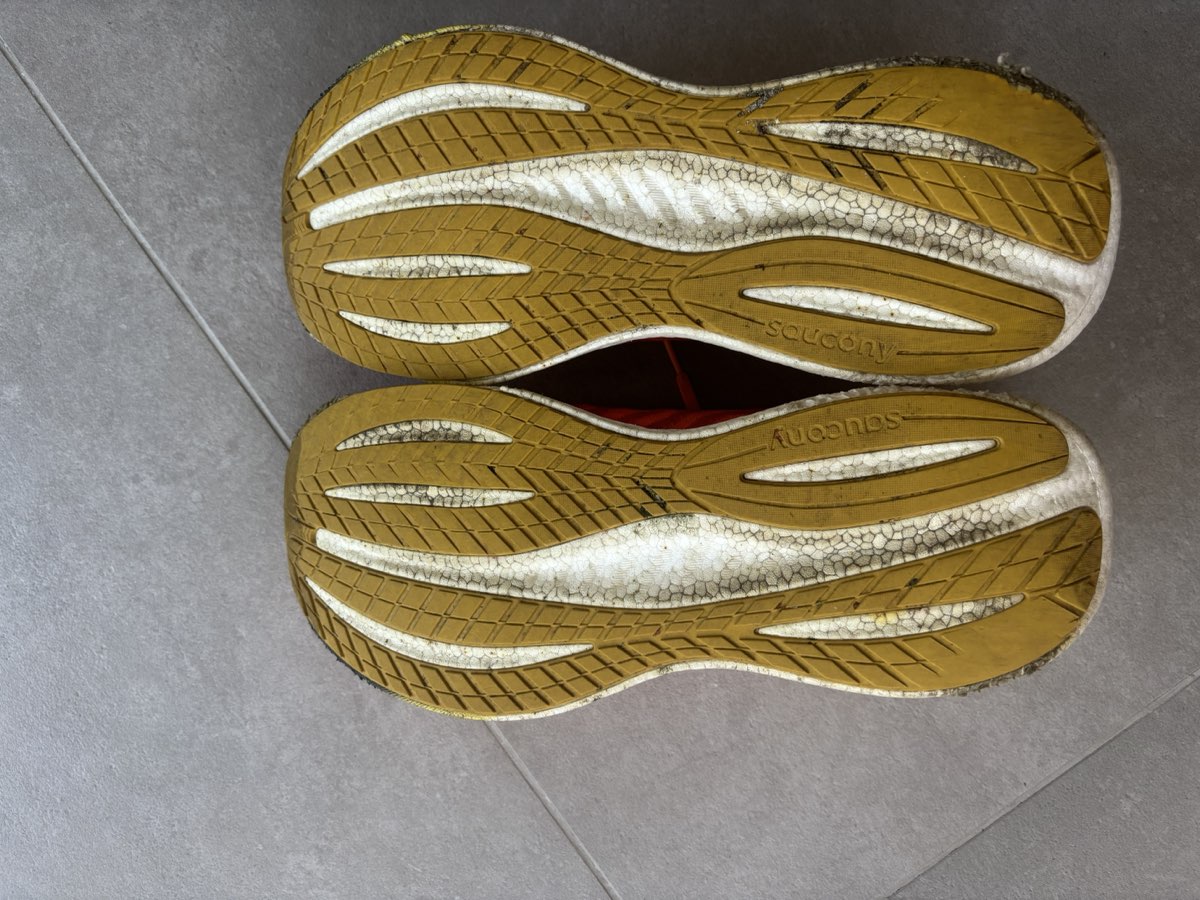
Direct Comparison: 21 vs 22
| Feature | Triumph 21 | Triumph 22 |
|---|---|---|
| Rating | 8/10 | 5/10 |
| Total km | 821 (2 pairs) | 750 (1 pair, ongoing) |
| Best use | Long runs + moderate tempo | Recovery only |
| Foam feel | Soft but responsive | Too soft, unstable |
| Knee comfort | Excellent at all distances | Pain after 12km |
| Speed capability | Good up to 4:40/km | Struggles under 5:15/km |
| Upper durability | Poor (tears at 400km) | Better (still intact at 750km) |
| Would repurchase | Absolutely (if available) | Never |
The irony is that Saucony fixed the upper durability issue in the 22. My pair at 750km has no tears, no separation, nothing. They solved the one problem the 21 had while creating two bigger problems in the process.
Why I Still Have 750km on the 22
You might wonder: if I dislike them, why run 750km in them? Fair question. The answer is that I use them exclusively for short recovery runs under 10km, and only when my preferred easy day shoe (the Evo SL) needs a rest day. At short distances and very easy paces, the knee issue does not manifest. They are fine for 6 to 8km shuffle runs. Just fine. Not good. Fine.
I also kept using them because throwing away a $160 shoe after a few runs felt wasteful. I wanted to give them every possible chance. After 750km of chances, my verdict has not changed. They are a downgrade in every way that matters for my running.
What Saucony Got Wrong
The running shoe industry has a softness arms race problem. Every year, brands make their cushioned shoes softer, assuming more cushion equals better ride. The Triumph 21 proved that there is an optimal softness level. Go beyond it and you lose stability, responsiveness, and the ability to run at a range of paces.
Saucony took a shoe that nailed the balance and pushed it past the tipping point. The Triumph 22 is technically more cushioned. It is technically softer. But it is a worse running shoe because of it. Sometimes “more” is not “better.”
I talk about this pattern across multiple brands in my guide to daily training shoes. It is not just Saucony. Several brands have fallen into this trap.
What I Run In Now Instead
The Triumph 21 shaped my understanding of what a great long run shoe should be. Since I cannot buy it anymore, I have adjusted my rotation. For how my current shoes compare and what replaced the Triumph, check what I would buy again and what I regret.
My current shoe rotation reflects lessons learned from the Triumph saga. I now prioritize shoes that balance cushion with structure rather than chasing maximum softness.
Should You Buy the Triumph 22?
If you only run short distances (under 10km) at very easy paces, the Triumph 22 is acceptable. The cushioning is comfortable for recovery shuffles. But if you want a shoe that handles long runs AND has some versatility for moderate tempo work, the Triumph 22 is not it.
If you can still find Triumph 21 stock anywhere, buy it. Buy two pairs. You will not regret it (just accept the upper might tear around 400km). If the 21 is gone, look elsewhere entirely. The 22 is not a worthy successor.
The Lesson
Trust your own feet over marketing copy. “More cushioning” and “softer foam” sound like improvements on paper. In practice, there is a sweet spot, and going past it creates problems. The Triumph 21 hit that sweet spot perfectly. The 22 overshot it. I learned to be skeptical of updates to shoes I love, because brands do not always improve what already works.
FAQ
Is the Saucony Triumph 22 good for long runs?
In my experience, no. After 12km the excessive softness caused knee pain that I never experienced in the Triumph 21. The foam compresses too much over longer distances, creating instability that my joints had to compensate for. For long runs, I would look at other options.
What happened to the Triumph 21 upper?
Both pairs I owned developed tears and gaps in the upper material around the 400km mark. The mesh could not handle the repetitive stress. Saucony acknowledged this and replaced both pairs for free, which was excellent customer service. The 22 fixed this issue but created others.
Can you still buy the Saucony Triumph 21?
Stock is extremely limited since the 22 replaced it. Check discount retailers and clearance sections. If you find your size, I would recommend buying immediately. It is genuinely one of the best daily trainers I have ever worn, despite the upper durability issue.
Is the Triumph 22 durable?
Yes, ironically. My pair has 750km with no structural issues to the upper or outsole. Saucony fixed the durability problem from the 21. The foam is still providing cushioning (arguably too much). If durability is your primary concern, the 22 delivers. But performance and comfort over distance are separate questions.
What shoe replaced the Triumph 21 in my rotation?
No single shoe has perfectly replicated what the Triumph 21 offered. I now use different shoes for the different jobs the 21 used to handle alone. My long run shoe, tempo shoe, and recovery shoe are all separate now. Check my current rotation post for the full breakdown.