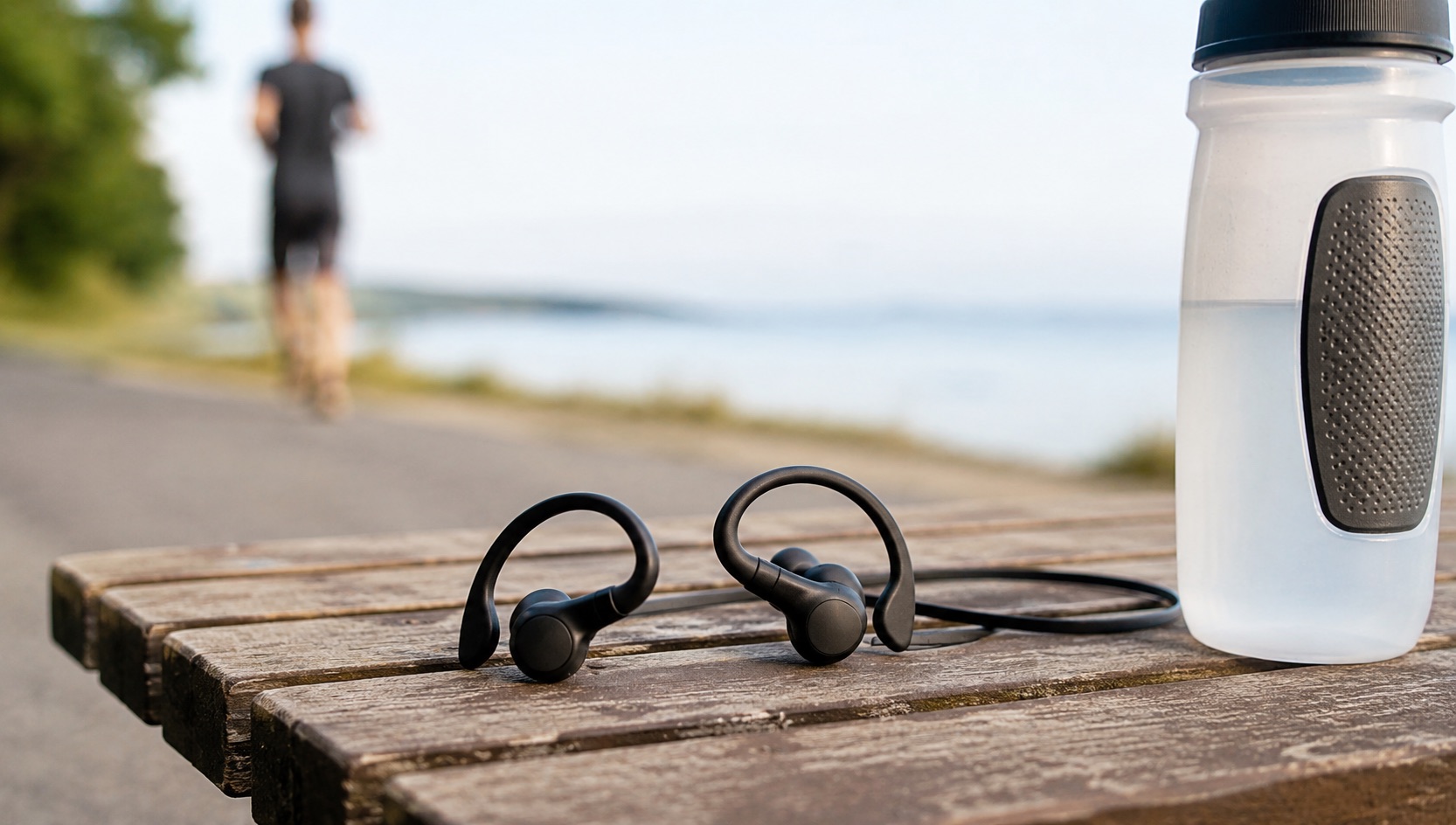
Shokz OpenRun: 3 Years Later (Still My Only Running Headphones)
Shokz OpenRun: 3 Years Later (Still My Only Running Headphones)
I have owned my Shokz OpenRun for about three years. They are the only running headphones I own. They are the only running headphones I have needed. After roughly 800+ runs, thousands of kilometers, rain, sweat, summer heat, and winter cold, they still work perfectly. Here is my honest long-term review of what I think is the best running audio purchase I have ever made.
The Model I Own
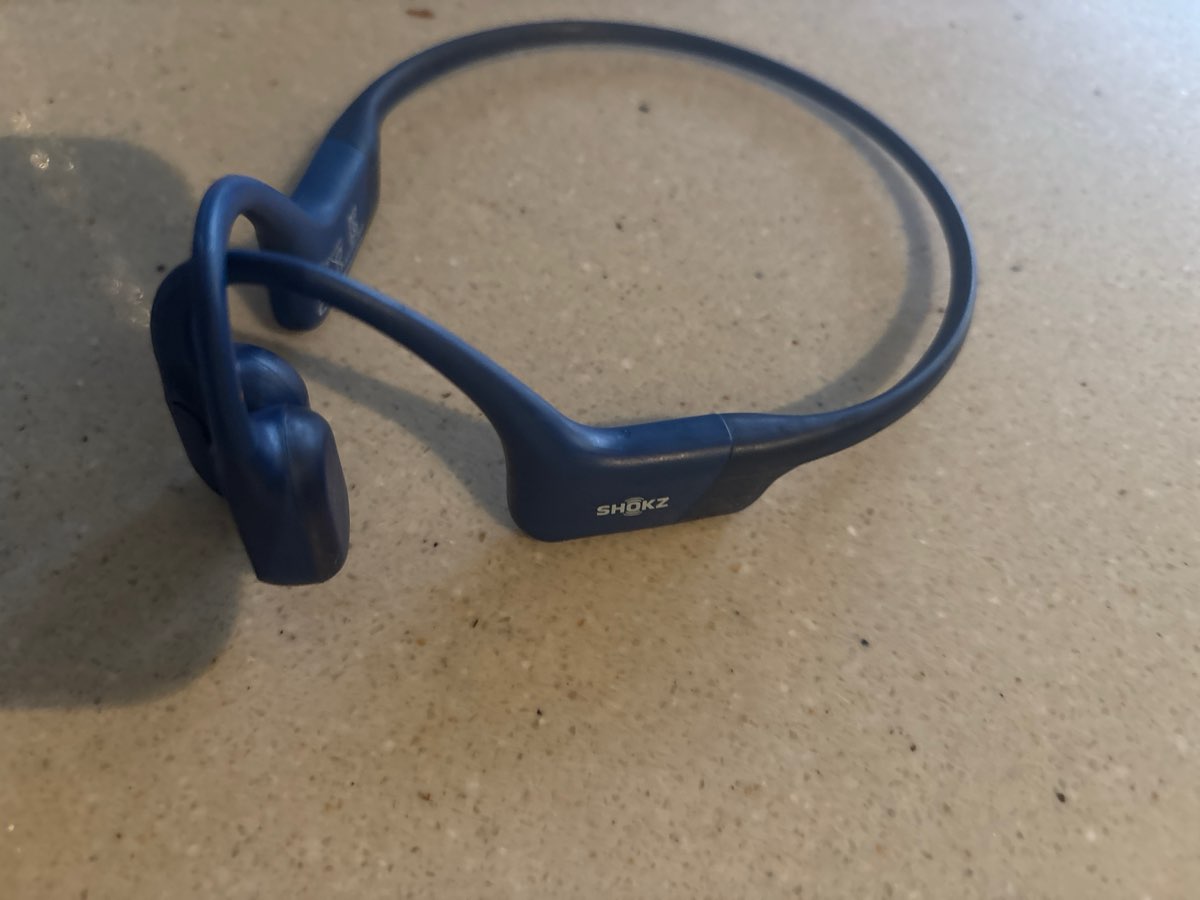
Let me be specific: I own the standard Shokz OpenRun. Not the Pro. Not the Mini. The regular OpenRun. I think this is important to mention because Shokz has expanded their lineup significantly, and the standard model sometimes gets overlooked between the budget options and the premium ones.
I paid somewhere around EUR 100 to 120 for them (I honestly do not remember the exact price after three years). At the time, it felt like a significant purchase for headphones. In hindsight, it is the cheapest cost-per-use tech purchase I have ever made.
Why Bone Conduction for Running
Before the Shokz, I ran with traditional in-ear buds. They fell out during intervals. They got disgusting with sweat. Wind noise was terrible because the seal against your ear canal amplifies wind buffeting. And most importantly, I could not hear traffic, other runners, or cyclists approaching.
Bone conduction solved all of these problems simultaneously. The transducers sit on your cheekbones, not inside your ear canal. Your ears remain completely open. You hear your audio AND your surroundings. This is not just a convenience feature. For road running, it is a genuine safety feature.
I will never go back to in-ear buds for running. The bone conduction approach is fundamentally better suited to the activity. For my full comparison of running audio options, check my best running earbuds guide.
Fit and Stability: Zero Issues in 3 Years
The OpenRun wraps around the back of your head with a titanium band that holds the transducers against your cheekbones. Once on, they do not move. Period.
I run intervals where I am sprinting at full effort. I do hill repeats with aggressive head movement. I have done long runs where my head bobs and shakes for 2+ hours straight. Never once have the Shokz shifted, slipped, or bounced. The fit is simply rock solid.
This was my primary concern when buying them. Would they stay put during speed work? The answer is an unequivocal yes. They stay put during everything. Sprints, hills, turns, looking down at my watch, toweling off sweat mid-run. Nothing dislodges them.
The band sits far enough back that it does not interfere with sunglasses. It does not interfere with hats or caps. It does not rub against shirt collars. The design just works without requiring any thought or adjustment.
Sound Quality: Good Enough for the Job
Let me be honest: the OpenRun do not sound as good as proper over-ear headphones or even decent in-ear buds. That is the tradeoff of bone conduction. Bass is thinner. Stereo separation is less distinct. At maximum volume in noisy environments, clarity drops.
But here is the thing: I primarily use them for podcasts. And for podcast audio (spoken word), they are excellent. Voices come through clearly. I can adjust volume easily with the physical buttons. I can follow complex podcast discussions even while running at tempo effort.
For music, they are acceptable. Not audiophile quality, but sufficient to enjoy a playlist during a long run. I notice the bass limitation most with electronic music. For pop, rock, and anything vocal-forward, they sound perfectly fine.
The key advantage over in-ear buds for audio quality: wind does not bother them the way it does with in-ear buds. With in-ear options, wind creates an annoying low-frequency rumble that drowns out audio. With bone conduction, wind passes by your open ears without affecting the audio transmission through your cheekbones. This alone makes them superior for outdoor running audio.
Battery Life: Once Every Two Weeks
The battery on my three-year-old OpenRun still lasts impressively long. I charge them approximately once every two weeks. My typical usage is 4 to 5 runs per week, averaging 45 to 70 minutes per run.
That works out to roughly 5 to 6 hours of use per charge after three years of ownership. The rated battery life when new was 8 hours. So there has been some degradation, but it is still more than adequate for my usage pattern.
Charging takes about 90 minutes from empty. The proprietary magnetic charger is slightly annoying (you cannot use a generic USB-C cable), but it connects securely and I have never had a failed charge. I keep the charger in my running drawer and plug them in whenever I notice the battery warning.
Durability After 3 Years
This is where I am genuinely impressed. Three years of heavy use, sweat exposure, occasional rain runs, being tossed in gym bags, and general lack of careful handling. They still work perfectly.
No cracking on the titanium band. No degradation of the transducers. Buttons still click reliably. Bluetooth connection still pairs instantly with my phone. IP67 water resistance has clearly held up because they have survived countless sweat-soaked summer runs and a few accidental rain sessions.
The only visible wear is slight discoloration on the silicone coating where they contact my skin. Purely cosmetic. Zero functional impact.
For a deep dive into how the OpenRun compares to the newer Pro 2 and OpenFit 2 models, check my Shokz model comparison.
What I Would Change
After three years, I have a short list of improvements I would want:
- USB-C charging: The proprietary connector works fine but it is one more cable to keep track of. Everything else in my life charges via USB-C.
- Slightly more bass: For the occasional music run, I wish the low end had more presence. Not audiophile bass, just a bit more body to the sound.
- Multipoint Bluetooth: Being able to connect to my phone and watch simultaneously would be convenient (newer Shokz models have this).
None of these are dealbreakers. They are “nice to haves” for the next time I eventually need to replace these, which based on current trajectory might not be for another few years.
Would I Buy Again: Absolutely Yes
If my OpenRun died tomorrow, I would buy bone conduction headphones again immediately. Whether I would get the same model or upgrade to the Pro 2 depends on pricing, but the format is non-negotiable for me. In-ear buds and over-ear headphones simply do not work as well for running.
The Shokz OpenRun at the price I paid has been one of my best value running purchases. Cost per use is genuinely pennies at this point. They outlasted multiple running shoes. They outlasted my Garmin Venu SQ. They have been the most consistent piece of running gear I own.
This is why I included them in my what I would buy again roundup. Some gear is worth every cent. The OpenRun is at the top of that list.
Who Should Buy the Shokz OpenRun
Ideal for:
- Runners who want awareness of their surroundings (traffic, other people)
- Podcast listeners (spoken word sounds great)
- Anyone who has struggled with in-ear buds falling out during speed work
- Runners who deal with wind noise issues with traditional buds
- People who want headphones that last years with minimal care
Not ideal for:
- Audiophiles who demand premium music quality
- Runners who want complete noise isolation
- Pool swimmers (not waterproof enough for submersion)
For more bone conduction options beyond the standard OpenRun, see my best bone conduction headphones for running guide.
The Three-Year Verdict
My Shokz OpenRun just work. They work every single time I put them on. They stay put through every type of run. They sound good enough for podcasts and acceptable for music. They last two weeks between charges after three years of use. They have survived everything I have thrown at them without showing any signs of failing.
That is what great running gear should be: reliable to the point of being invisible. You stop thinking about them and just run. After three years, I still feel the same way about them as day one. That says everything.
FAQ
Do Shokz OpenRun stay on during fast running and intervals?
Absolutely. I have done hundreds of interval sessions, sprints, and hill repeats with them. They never move, shift, or bounce regardless of intensity. The titanium band holds them securely against your cheekbones without any adjustment needed during runs.
How is the sound quality for music on the Shokz OpenRun?
Acceptable but not exceptional. Bass is thinner than in-ear buds and the stereo separation is less distinct. For spoken word (podcasts, audiobooks), they sound excellent. For music, they are good enough to enjoy but audiophiles will notice limitations. The trade-off is worth it for the safety and comfort benefits.
Do Shokz OpenRun work in rain and heavy sweat?
Yes. Mine have survived three years of sweat-soaked summer runs and occasional rain without any issues. The IP67 rating means they handle water exposure well. I would not submerge them (no swimming), but normal running conditions including heavy rain are completely fine.
How long do Shokz OpenRun last before needing replacement?
Mine are going strong after 3 years of heavy use (4 to 5 runs per week). Battery has degraded slightly but still provides 5 to 6 hours per charge. All mechanical and electronic components work perfectly. Based on current trajectory, I expect them to last at least another year or two before replacement becomes necessary.
Are Shokz OpenRun worth it over cheaper bone conduction options?
In my experience, yes. The build quality, water resistance, comfort, and durability justify the price over budget alternatives. At 3 years of daily use, the cost per run is negligible. Cheaper options often have worse fit, shorter battery life, and lower water resistance that leads to earlier failure.