Best Reflective Running Gear 2026
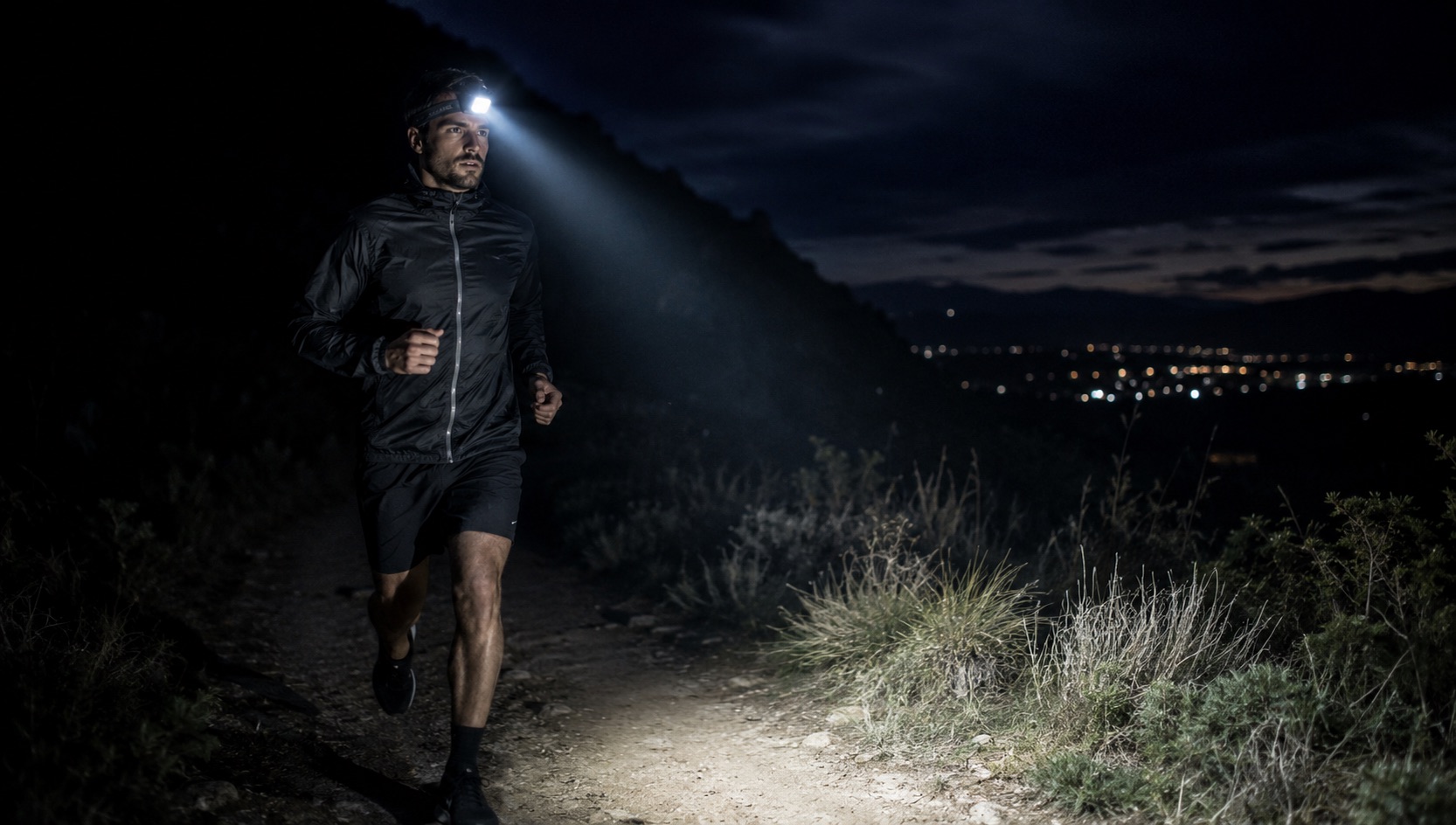
Running in the dark is a reality for most of us. Early morning runs before work, evening runs after the kids are in bed, winter training where the sun sets at 4:30 PM. And the uncomfortable truth is: drivers don’t see you nearly as well as you think they do. Dark clothing on a dark road makes you essentially invisible until headlights are dangerously close.
Reflective gear fixes this. Not high-vis yellow (which is useless at night without light hitting it) - actual retroreflective material that bounces headlight beams back toward drivers. The difference is dramatic. A runner in black clothing is visible at about 50 feet. A runner in quality reflective gear is visible at 500+ feet. That’s the difference between a driver swerving at the last second and seeing you from two blocks away.
Here’s what works best in 2026 for staying alive on dark roads.
Comparison Table
| Product | Price | Type | Reflective Coverage | Breathability | Best For |
|---|---|---|---|---|---|
| Brooks Carbonite Jacket | $150 | Jacket | 360° full coverage | High | All-weather night running |
| Nathan Reflective Vest | $30 | Vest | 360° strips | N/A (mesh) | Budget visibility boost |
| Proviz REFLECT360 | $100 | Jacket | 360° full coverage | Moderate | Maximum visibility |
| Amphipod Xinglet | $25 | Vest/sash | Front + back strips | N/A (minimal) | Minimal, lightweight option |
| Reflective Shoe Clips | $15 | Accessory | Ankle-level blink | N/A | Added lower-body visibility |
Brooks Carbonite Jacket - Best Overall Reflective Jacket
The Brooks Carbonite line takes a different approach than most reflective gear: instead of adding reflective strips to a jacket, the entire fabric is reflective. In daylight, it looks like a normal running jacket. At night, when headlights hit it, the whole jacket lights up like a beacon. The effect is genuinely startling the first time you see it in action.
For runners, the Carbonite jacket is well-designed beyond just visibility. It’s lightweight, breathable, and fits without flapping in wind. The hood stashes away cleanly, pockets are minimal but functional, and it layers well over a singlet or long-sleeve base. Weather resistance is decent - it handles light rain and wind but isn’t a full waterproof shell.
At $150, it’s the most expensive option here, but it’s both a functional running jacket and best-in-class reflective gear in one piece. If you run in the dark regularly and want one piece that handles everything, this is it.
Best for: Runners who want a real jacket (not just a vest) with maximum 360° reflective coverage and genuine running performance.
Nathan Reflective Vest - Best Budget Option
If you already have running clothes you like and just need visibility, Nathan’s reflective vest is the practical choice at $30. It’s a lightweight mesh vest with wide reflective strips on the front, back, and shoulders - providing 360° coverage when headlights hit from any angle.
The vest goes over whatever you’re already wearing. It adjusts to fit different body sizes, weighs almost nothing, and doesn’t restrict movement or trap heat. It’s not a fashion statement - it looks like a safety vest. But it works extremely well for the price.
Best for: Budget-conscious runners who want reliable visibility without buying new running-specific clothing. Also great as a lending piece for group runs when someone shows up in all black.
Proviz REFLECT360 - Maximum Visibility
Proviz has built their entire brand around reflective running gear, and the REFLECT360 jacket is their flagship. Like the Brooks Carbonite, the entire jacket surface is reflective - but Proviz achieves an even more dramatic effect with their proprietary material. In photos with flash, runners wearing this look like they’re glowing from outer space.
The trade-off is breathability. The REFLECT360 runs slightly warmer than the Brooks Carbonite, making it better suited for cooler weather (under 50°F / 10°C). In summer heat, you’ll overheat. The fit is slightly bulkier than pure running jackets, but still comfortable for moderate-paced runs.
At $100, it’s excellent value for 360° reflective coverage in a functional jacket. It also comes in a vest version if you want the reflective coverage without the sleeves.
Best for: Runners in cooler climates who want the absolute maximum visibility possible and don’t mind slightly reduced breathability.
Amphipod Xinglet - Most Minimal Option
The Amphipod Xinglet is barely there - a simple crossbody sash with reflective strips. It weighs a few ounces, takes up no space, and provides front-and-back reflective coverage without changing your outfit or adding warmth.
It’s not 360° coverage like a full vest or jacket, but it puts a reflective strip across your chest and back where drivers’ eyes naturally look. For runners who hate wearing extra layers or find vests annoying, this is the minimum viable visibility option.
At $25, it’s cheap enough to toss in your running bag as a “just in case” option for when a run starts in daylight and ends in dark.
Best for: Runners who want the absolute minimum additional gear while still being visible. Great for summer when any extra layer causes overheating.
Reflective Shoe Clips - Best Add-On Accessory
LED shoe clips attach to the back of your shoes and provide moving, blinking lights at ankle level. They’re not reflective in the traditional sense (they’re active LED lights), but they serve the same purpose: making you visible to approaching cars.
The advantage of ankle-level lights is the motion. Your feet moving up and down creates a distinctive pattern that’s immediately recognizable as a pedestrian or runner, even from a distance. Drivers can identify what you are (not just that something is there) which leads to better reactions.
At $15, these are a no-brainer add-on to any reflective setup. They supplement reflective gear rather than replacing it - headlights still need reflective material to work, but shoe clips provide visibility even when no headlights are directly hitting you. For a complete safety setup including lights, check our best running lights for night safety guide.
Where Reflective Gear Matters Most
Not all dark running is equally dangerous. Focus your reflective gear investment on the scenarios with highest risk:
- Roads without sidewalks - where you share space with cars
- Intersections and crossings - where drivers are making turns and may not check for pedestrians
- Dawn and dusk - when sun glare makes visibility even worse than full dark
- Rain and fog - when visibility distances shrink dramatically
- Curves and hills - where drivers have less reaction time
If you run on well-lit bike paths or tracks, reflective gear is less critical (though still smart). If you’re on rural roads sharing the shoulder with cars, it’s non-negotiable.
The Science of Reflective Visibility
Retroreflective material works by bouncing light back toward its source. When a car’s headlights hit reflective tape or fabric, the light returns directly to the driver’s eyes. This is why reflective gear only works when headlights (or other light sources) are pointed at you - it’s not self-illuminating.
This means: reflective gear is most effective when you’re facing or have your back to approaching traffic. It’s less effective from the side. For 360° protection, you want reflective material on your front, back, and sides - or combine reflective upper-body gear with ankle-level LED clips that are visible from any angle.
For runners who also need broader safety gear, our best safety gear for solo runners 2026 guide covers lights, personal alarms, and GPS sharing devices. And if you’re building a running kit from scratch, our best running gear for beginners guide includes visibility recommendations.
Tips for Maximum Visibility
-
Layer your reflective zones. Upper body (jacket/vest) plus lower body (shoe clips or reflective tights) creates two distinct visible areas that help drivers identify you as a runner.
-
Put reflective material on moving parts. Reflective strips on wrists, ankles, and shoes catch attention faster than static chest reflectors because the motion is distinctive.
-
Don’t rely on one piece. A single reflective strip on the back of a shoe is not enough. You need visibility from multiple angles.
-
Replace worn reflective gear. Reflective material degrades with washing and wear. If your 3-year-old vest doesn’t light up in photos anymore, replace it.
-
Supplement with active lights. Reflective gear works when headlights hit it. Active LED lights (chest lamp, shoe clips) work regardless of external light sources. Use both for maximum safety.
High-Vis vs Reflective - They’re Not the Same
Fluorescent yellow/green (high-vis) gear is visible in daylight and low-light conditions because it absorbs UV light and re-emits it as visible light. But in full darkness, high-vis offers no advantage over any other color - it needs ambient light to work.
Reflective gear is invisible in daylight but lights up dramatically when headlights hit it at night. It works specifically in the dark.
The ideal setup is gear that’s both: fluorescent high-vis material with reflective elements. This covers dawn, dusk, and full darkness. The Brooks Carbonite and Proviz REFLECT360 both combine these properties.
See how we compare products for our full research methodology.
Frequently Asked Questions
Is a reflective vest really necessary if I run on sidewalks?
Sidewalks are safer than roads, but you still cross intersections, driveways, and parking lot entrances where drivers may not expect pedestrians. Reflective gear helps at every crossing point, especially at dawn/dusk when driver visibility is worst. If your route crosses any roads, reflective gear matters.
How do I wash reflective jackets without ruining the reflective properties?
Most reflective jackets (including Brooks and Proviz) are machine washable on a gentle cycle with cold water. Avoid fabric softener, which can coat the reflective beads and reduce performance. Hang dry rather than tumble dry. Check the manufacturer’s care instructions - some recommend washing inside-out.
Do reflective strips work in rain?
Wet reflective material is slightly less effective than dry, but still works. Water on the surface can scatter some light rather than bouncing it back cleanly. This is another reason to supplement reflective gear with active LED lights on rainy nights - they don’t depend on dry surfaces to work.
Should I wear reflective gear if I’m running on well-lit streets?
Streetlights help drivers see you, but they also create shadows and glare that can hide runners between light pools. Reflective gear catches headlight beams even in areas between streetlights. It’s less critical than on dark roads, but still beneficial - especially at crossings. The gear is lightweight enough that there’s no downside to wearing it.
What color is best for night running - white, yellow, or reflective silver?
In total darkness, none of these colors matter without reflective treatment. A white shirt is only slightly more visible than a black one to approaching headlights. The reflective material (usually silver or grey in daylight) is what creates visibility at night. For dawn/dusk when some ambient light exists, fluorescent yellow or green offers the best contrast. The ideal is fluorescent yellow with reflective trim - visible in all conditions.
Related reading: Best Running Belts and Vests 2026