Best Running Shoes for Treadmill 2026
The short answer: you don’t need special treadmill shoes. Your regular daily trainers work perfectly fine on a treadmill belt. But some shoes do feel noticeably better indoors, and if you’re running 50%+ of your miles on a treadmill, it’s worth knowing which ones and why.
The longer answer involves understanding what’s different about treadmill running versus road running, and it’s less than you think.
What’s Different About Treadmill Running (Shoe-Wise)
Three things change when you move from road to belt:
1. No pavement impact. Treadmill belts absorb some shock. The deck flexes slightly, and the belt has cushion built in. This means you don’t need as much shoe cushioning as you do on concrete. Lighter, less-cushioned shoes feel fine indoors when they might feel harsh on roads.
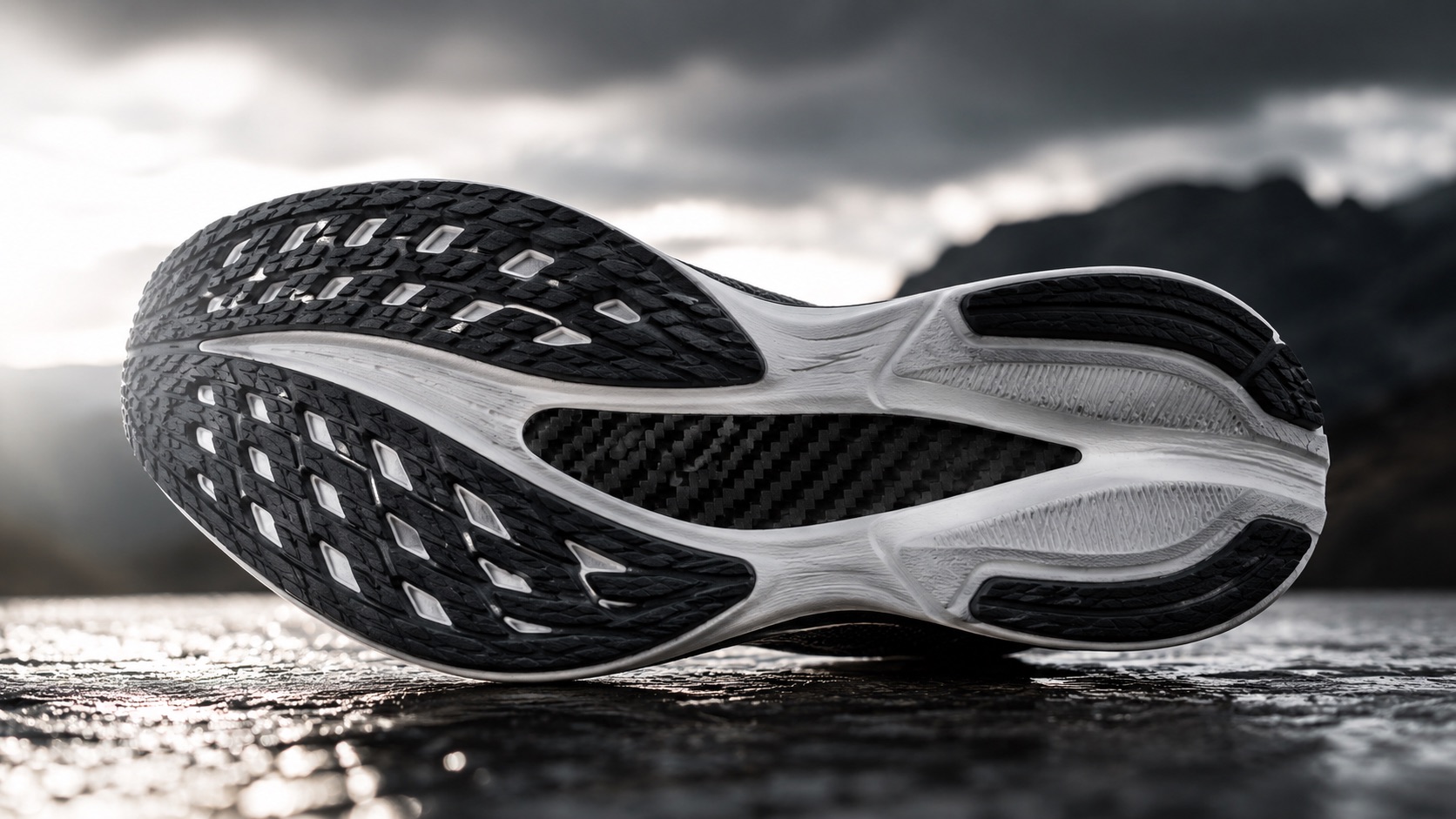
2. No need for outsole grip. Road shoes need durable rubber to grip asphalt and survive abrasion. On a treadmill, you’re running on a smooth belt that never wears your outsole. You could run in shoes with zero rubber and be fine. This means your treadmill shoes will last significantly longer than outdoor shoes (the outsole barely wears).
3. More heat buildup. No wind cooling your feet when you’re stationary relative to the air. Shoes with good ventilation become more important on treadmills. Mesh uppers and breathable construction make a difference during 30+ minute indoor sessions.
What doesn’t change: the need for proper fit, good heel lockdown, and foam that matches your pace. A shoe that gives you blisters outdoors will give you blisters indoors too.
Best Treadmill Running Shoes Compared
| Shoe | Price | Weight | Why It Works on Treadmill | Best For |
|---|---|---|---|---|
| Nike Pegasus 41 | $130 | 9.2 oz | All-rounder, breathable upper, durable foam | Most treadmill runners |
| HOKA Clifton 9 | $145 | 9.1 oz | Maximum cushion for belt impact, smooth ride | Longer treadmill runs, joint protection |
| Saucony Ride 18 | $140 | 9.3 oz | Smooth heel-to-toe transition, neutral ride | Consistent-pace treadmill miles |
| Nike Free RN | $110 | 7.4 oz | Minimal, lightweight, gym-to-treadmill | Short runs, gym multi-use |
| Any daily trainer | Varies | Varies | Your road shoes work fine | Everyone |
Nike Pegasus 41 ($130)
The Pegasus is the default answer to “what shoe for treadmill?” because it’s the default answer to “what shoe for running?” It’s a well-cushioned, breathable, versatile daily trainer that works on every surface including treadmill belts.
React X foam provides enough cushion without being overly soft. The mesh upper is breathable (important for indoor heat). It’s stable through the midfoot, transitions smoothly, and you can use it for everything from easy jogs to faster intervals on the treadmill.
At $130 it’s reasonable value, and because treadmill running doesn’t wear outsoles, a pair dedicated to indoor use will last 800+ miles easily. That’s over a year of regular use for most people.
If you already own Pegasus 41s for outdoor running, just use them on the treadmill too. Don’t buy a separate pair unless your outdoor pair is trashed and you’re looking for dedicated indoor shoes.
HOKA Clifton 9 ($145)
The Clifton 9 is for runners who want maximum cushion on the treadmill. The thick EVA foam and wide base create a plush, stable ride. If you’re doing longer treadmill sessions (45-60+ minutes) or you’re heavier and want extra joint protection, the Clifton delivers.
Treadmills already soften impact, so the Clifton on a treadmill is an extremely low-impact combination. This makes it ideal for injury-prone runners, those coming back from injury, or anyone doing high-volume treadmill miles where cumulative impact matters.
The rocker geometry keeps the ride moving forward even at slower paces, which helps prevent that “plodding” feeling some runners get on treadmills. The breathability isn’t the best in the HOKA lineup, but it’s adequate.
Compared to other daily training options, the Clifton is the cushion-forward pick.
Saucony Ride 18 ($140)
The Ride 18 is the smoothest shoe on this list. PWRRUN+ foam transitions seamlessly from heel to toe without any abrupt flex points. On a treadmill where you’re running at a constant pace without terrain changes, that smooth transition is deeply satisfying.
It’s the “set pace and zone out” shoe. During those 45-minute tempo runs or easy zone-2 sessions where you’re watching TV or listening to podcasts, the Ride 18 just disappears. It doesn’t demand attention. It doesn’t feel unstable. It doesn’t create hot spots.
Weight and cushion are right in the middle of this group: enough protection for long runs, light enough for faster workouts. If you only own one pair of running shoes and want it to work everywhere (road, treadmill, track), the Ride 18 is an excellent jack-of-all-trades.
Nike Free RN ($110)
A completely different philosophy. The Nike Free RN is minimal, flexible, and lightweight. It’s designed for natural foot movement rather than cushioned protection. On a treadmill (where impact is already reduced), that minimal approach works well.
At 7.4 oz it’s significantly lighter than the other options. The flexible sole lets your foot move naturally. If you’re a gym runner who does 20-30 minutes on the treadmill before or after weights, the Free RN lets you do both without changing shoes.
Not recommended for long treadmill sessions (45+ minutes) or heavier runners who need more cushion. The minimal foam doesn’t provide much protection, and even with the belt’s cushioning, fatigue builds faster without shoe support.
Best for: gym multi-use, shorter treadmill runs, runners who prefer minimal shoes.
Do You Actually Need Dedicated Treadmill Shoes?
Honestly? No. Here’s my framework:
Just use your existing daily trainers if:
- You run indoors less than 3x/week
- You have road shoes that still have life in them
- You’re not bothered by wearing the same shoes inside and outside
Consider a dedicated indoor pair if:
- You run 50%+ of your miles on a treadmill
- Your outdoor shoes are muddy/dirty and you don’t want to mess up the belt
- You want to extend the life of both pairs (indoor pair for treadmill, outdoor pair for roads)
- Your gym doesn’t allow dirty outdoor shoes on their treadmills
The economics actually work out if you’re a heavy treadmill user. A $130 pair dedicated to indoor use will last 800-1000 miles because the belt doesn’t abrade the outsole. That’s potentially 18+ months of use.
Want to compare indoor versus outdoor running itself? Our treadmill vs outdoor running comparison covers the biomechanical differences.
Treadmill-Specific Tips
Rotate your shoes anyway. Even though treadmill running is lower impact, foam compression still happens. Alternating between two pairs extends both their lifespans and gives the foam time to recover between sessions.
Consider dropping half a size. Some runners find their feet swell less on treadmills (less sun, climate-controlled environment). If your treadmill shoes feel loose, try your true size instead of the half-up sizing you might use for outdoor running.
Keep them dry. Indoor running generates more foot sweat (no cooling wind). Remove insoles after runs and let shoes air out. A shoe dryer or newspaper inside the shoe helps. Wet foam breaks down faster than dry foam.
Don’t need outsole grip? Save money. Shoes with less durable rubber outsoles (which cost less to produce) are perfectly fine for treadmill use since grip doesn’t matter on a belt.
For tracking your indoor runs accurately, a running pod for treadmill accuracy can sync with your watch and give better pace data than the treadmill’s built-in sensors.
What About Stability Shoes on Treadmill?
If you wear stability shoes outdoors (for overpronation), wear them on the treadmill too. The treadmill doesn’t change your gait enough to suddenly make neutral shoes appropriate. Your biomechanics are your biomechanics regardless of surface.
The one exception: some runners find they pronate less on treadmills because the flat, consistent surface doesn’t trigger the same compensations as uneven roads. If you’ve been told you need stability shoes but they feel overly corrective indoors, it’s worth getting a gait analysis on the treadmill specifically.
For Treadmill Selection Advice
If you’re looking at buying a treadmill for home use, our guide to the best treadmills for runners in 2026 covers what matters: belt length, motor power, cushioning system, and incline capability.
See how we compare products for our full research methodology.
FAQ
Can I use racing shoes on a treadmill?
You can, but it’s wasteful. Racing shoe foam (like Nike’s ZoomX or Asics FF Turbo) degrades with mileage regardless of surface. Using your Vaporflys on a treadmill wears them out just as fast as roads. Save race shoes for races and speed workouts. Use daily trainers on the treadmill.
Do shoes wear out faster or slower on treadmills?
Slower, primarily because the outsole doesn’t abrade. The belt is smooth rubber, not rough asphalt. Midsole foam still compresses with use (that’s unavoidable), but the overall shoe lasts 20-40% longer on treadmill versus road. Expect 500-800+ miles from a treadmill-dedicated daily trainer.
Should I run barefoot on a treadmill?
Some runners do this successfully, especially for short sessions. The belt provides some cushioning and there’s no debris risk. But treadmill belts can generate friction burns if your foot slides, and the repetitive impact without any shoe cushioning can stress your feet over longer distances. If you try it, start with 10-minute sessions and increase gradually.
Does the treadmill’s built-in cushioning replace shoe cushioning?
Partially. Treadmill decks with suspension systems absorb some impact, reducing the need for maximal shoe cushioning. You can comfortably run in lighter, less-cushioned shoes on a treadmill than you would on concrete. But the treadmill doesn’t replace shoe cushioning entirely, especially for longer sessions or heavier runners.
Can I use trail running shoes on a treadmill?
Technically yes, but the aggressive lugs on trail shoes will feel weird on a smooth belt and may wear oddly. Trail shoes are also often stiffer and heavier than road shoes. Use road shoes or daily trainers on the treadmill. Save your trail shoes for actual trails.