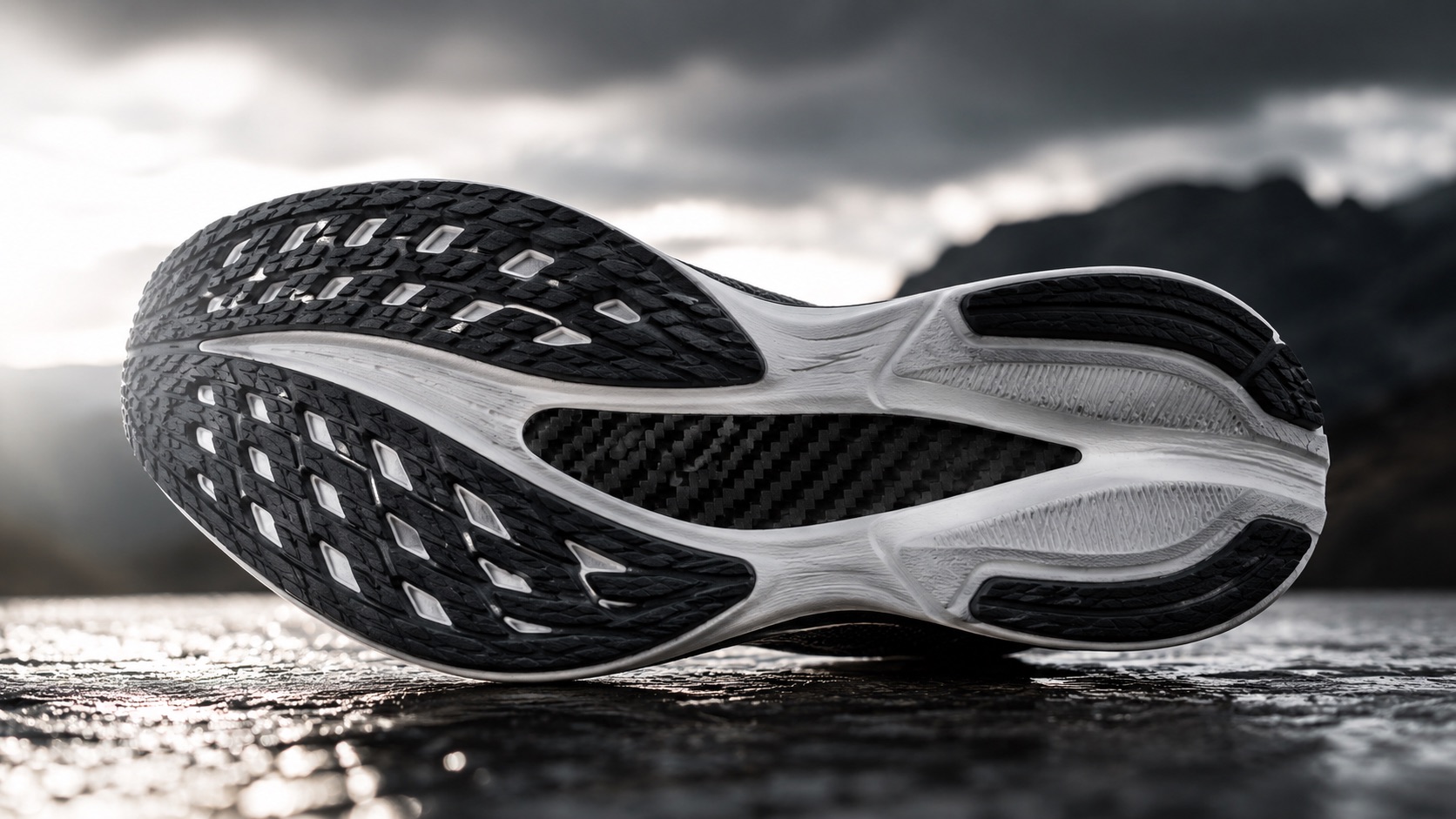
Best Marathon Racing Shoes 2026: Full Comparison
Seven carbon plate marathon racers, ranging from $200 to $350, all claiming to be the fastest thing you can put on your feet. Based on specs, owner reviews, and community feedback across r/running and r/RunningShoeGeeks, here’s how they actually compare.
If you’re shopping for a marathon racer specifically, this is the comparison you need. We also have a broader carbon plate racing shoe roundup that covers options across all distances.
Marathon Racing Shoes 2026: Quick Comparison
| Shoe | Price | Weight | Stack Height | Drop | Plate | Best For |
|---|---|---|---|---|---|---|
| Nike Vaporfly 4 | $260 | 6.6 oz | 40mm/32mm | 8mm | Carbon | All-around marathon racing |
| Nike Alphafly 3 | $350 | 7.8 oz | 39.5mm/35mm | 4mm | Carbon + Air pods | Max cushion, heavier runners |
| Adidas Adios Pro 4 | $250 | 7.0 oz | 39.5mm/31.5mm | 8mm | Carbon EnergyRods | Efficient stride, midfoot strikers |
| Saucony Endorphin Pro 4 | $200 | 6.9 oz | 39.5mm/31.5mm | 8mm | Carbon | Best value, first carbon racer |
| ASICS Metaspeed Sky Paris | $250 | 6.5 oz | 39.5mm/34mm | 5mm | Carbon | Cadence runners, light and fast |
| New Balance SC Elite v4 | $250 | 7.0 oz | 40mm/32mm | 8mm | Carbon | Wider feet, comfortable fit |
| HOKA Cielo X1 | $250 | 7.2 oz | 40mm/32mm | 7mm | Carbon | Max stack height fans |
Individual Breakdowns
Nike Vaporfly 4 ($260, 6.6 oz)
The gold standard. Every other shoe on this list gets compared to the Vaporfly, and for good reason. The fourth generation sticks with the formula that works: ZoomX foam, full-length carbon plate, and a weight that makes you forget you’re wearing a shoe with 40mm of stack.
Owner reports consistently highlight how the Vaporfly 4 feels fast from the first step. The 8mm drop suits most running gaits, and the energy return is genuinely noticeable at marathon pace. Community feedback across Reddit suggests the Vaporfly remains the safest pick if you’ve never owned a carbon racer. It works for forefoot strikers, midfoot strikers, and heel strikers.
The downside? At $260, you’re paying the Nike tax. And the outsole durability is still poor. Expect 150-200 miles of racing life before the foam starts losing its pop. For more budget-friendly carbon options, our Vaporfly alternatives guide covers shoes that get close for less money.
Who should buy it: Runners who want the proven, no-surprises marathon racer. If you’re unsure what to get, get this.
Nike Alphafly 3 ($350, 7.8 oz)
The Alphafly 3 is Nike’s maximalist marathon racer, and it’s the most expensive shoe in this comparison by $90. The two Air Zoom pods in the forefoot add cushioning that heavier runners or those with joint issues appreciate over 42.2 km.
At 7.8 oz, it’s the heaviest shoe here. That weight matters less in a marathon than a 5K, but it’s still noticeable compared to the Vaporfly’s 6.6 oz. The 4mm drop is lower than most options, which shifts load toward the calves and Achilles. If you’re used to 8mm drop shoes, the Alphafly takes some adjustment.
Owner reviews are polarized. Some runners swear it’s the most comfortable marathon racer ever made. Others find the Air pods create an unstable, wobbly feeling at slower paces. The consensus on r/RunningShoeGeeks: the Alphafly 3 shines for runners who weigh over 175 lbs or who have a history of knee/hip issues during marathons.
Who should buy it: Heavier runners or anyone who prioritizes cushioning over weight. Not worth $350 if the Vaporfly fits you fine.
Adidas Adios Pro 4 ($250, 7.0 oz)
Adidas redesigned the Adios Pro for version 4, and the changes are significant. The new Lightstrike Pro foam is bouncier than previous versions, and the carbon EnergyRods (five carbon rods mimicking metatarsal bones) create a unique rolling sensation through toe-off.
The 8mm drop matches the Vaporfly, making it an easy transition. At 7.0 oz, it’s 0.4 oz heavier than the Vaporfly but still light enough that you won’t notice during a marathon. The fit runs slightly narrow through the midfoot, which is worth knowing if you have wider feet.
Community feedback suggests the Adios Pro 4 works best for runners with an efficient, midfoot-striking gait. The EnergyRods system rewards a smooth stride more than a heavy heel strike. If your form breaks down in the late miles of a marathon, the Adios Pro can feel harsh compared to the more forgiving Vaporfly.
Who should buy it: Efficient runners with a midfoot strike who want something different from Nike. Also check our Vaporfly vs Adios Pro vs Endorphin Pro comparison for a deeper three-way breakdown.
Saucony Endorphin Pro 4 ($200, 6.9 oz)
Best value in this comparison, and it’s not close. At $200, the Endorphin Pro 4 gives you 90-95% of the Vaporfly’s performance for $60 less. The PWRRUN PB foam is genuinely excellent, the carbon plate provides snappy propulsion, and at 6.9 oz it’s one of the lightest options here.
The ride is slightly firmer than the Vaporfly, which some runners actually prefer. You get more ground feel and a more connected sensation without sacrificing energy return. The 8mm drop is standard, and the fit is accommodating for most foot shapes.
Where the Endorphin Pro 4 falls short is in the “magic” factor. The Vaporfly’s ZoomX foam has a bouncy, almost springy quality that PWRRUN PB doesn’t quite match. For a 3:30 marathon runner, the time difference between these shoes might be 1-2 minutes. For a 4:30 runner, it’s probably under a minute.
Who should buy it: Anyone who doesn’t want to spend $260+ on a carbon racer. This is the shoe I’d recommend to runners buying their first marathon racer. It’s also a great option for 10K racing and tempo work.
ASICS Metaspeed Sky Paris ($250, 6.5 oz)
The lightest shoe in this comparison. At 6.5 oz, the Metaspeed Sky Paris feels almost weightless on your feet. ASICS uses their FF Turbo Plus foam with a carbon plate, and the result is a shoe that feels snappy and responsive without the bulk.
The Sky Paris is designed for “cadence runners,” which ASICS defines as runners who increase their cadence (steps per minute) when speeding up rather than lengthening their stride. If that describes your running style, this shoe will feel like it was made for you. If you’re a stride-length runner, the Metaspeed Edge Paris (not included here) is the better ASICS option.
The fit is slightly narrow, especially in the toe box. Wide-footed runners should look at the New Balance SC Elite v4 or consider sizing up. The 5mm drop is lower than most competitors, which loads the calves more. If you’re not used to low-drop shoes, ease into this one.
Who should buy it: Light, efficient runners with a cadence-based gait who want the lightest option available. Pair it with a good GPS watch to track your cadence on race day.
New Balance SC Elite v4 ($250, 7.0 oz)
The most comfortable shoe in this comparison. The FuelCell foam is plush without being mushy, and the fit accommodates wider feet better than any other option here. If you’ve struggled with narrow racing shoes in the past, the SC Elite v4 is worth serious consideration.
At 7.0 oz, it’s middle of the pack for weight. The carbon plate provides solid propulsion, and the 8mm drop is standard. The ride is smooth and consistent, lacking the aggressive snap of the Vaporfly but also lacking the harshness that some runners feel in the Adios Pro.
The main knock against the SC Elite v4 is that it doesn’t excel at anything specific. It’s not the lightest (ASICS), not the most cushioned (Alphafly), not the best value (Endorphin Pro), and not the gold standard (Vaporfly). It’s a very good marathon racer that does everything well without being the best at anything.
Who should buy it: Runners with wider feet who find Nike and ASICS too narrow. Also a solid choice for runners who prioritize comfort over maximum speed over the marathon distance.
HOKA Cielo X1 ($250, 7.2 oz)
HOKA’s entry into the elite marathon racing space. The Cielo X1 has the tallest stack in this comparison at 40mm, staying right at the World Athletics legal limit. The PEBA foam is bouncy, and the carbon plate provides a smooth rocker sensation through toe-off.
At 7.2 oz, it’s on the heavier side, but the cushioning payoff is real. For runners who beat up their legs over 42.2 km, the extra foam helps preserve your quads in the final 10K. The 7mm drop is close to the standard 8mm, making the transition from training shoes easy.
HOKA’s reputation is built on cushioning, and the Cielo X1 delivers that in a racing package. It doesn’t feel as “fast” as the Vaporfly or Metaspeed Sky, but it feels sustainable. If your marathon strategy is even pacing rather than aggressive negative splits, this shoe supports that approach.
Who should buy it: HOKA fans who want a marathon racer from the brand they already trust. Also good for runners who prioritize leg preservation over raw speed.
The Verdict
Best overall: Nike Vaporfly 4. It’s the most proven, most versatile, and most widely recommended marathon racer for a reason. If you can afford $260, this is the one to get.
Best value: Saucony Endorphin Pro 4. At $200, you’re getting legitimate carbon plate performance for significantly less than the competition. This is the smart buy.
Best for heavy runners: Nike Alphafly 3. The extra cushioning from the Air pods makes a real difference if you’re over 175 lbs or have joint issues.
Best for wide feet: New Balance SC Elite v4. Finally, a carbon racer that doesn’t squeeze your toes.
Lightest: ASICS Metaspeed Sky Paris. At 6.5 oz, nothing else comes close.
Looking at how these fit into a broader marathon training plan, the shoe matters less than the miles you put in. But on race day, having the right carbon racer under your feet can save you 2-5 minutes over 42.2 km. Pick based on your foot shape, running style, and budget. See how we compare products for our methodology.
FAQ
How long do carbon plate marathon racing shoes last?
Most carbon plate racers last 150-250 miles before the foam loses its responsiveness. The carbon plate itself lasts much longer, but the PEBA-based foams compress faster than training shoe foams. Use your racers for races and 2-3 key workouts per training cycle to maximize their lifespan. The Saucony Endorphin Pro 4 and Adidas Adios Pro 4 tend to last slightly longer than the Nike Vaporfly based on owner reports.
Can I use a marathon racer for shorter races like 10K and half marathon?
Absolutely. Every shoe in this comparison works for distances from 5K to the marathon. The main difference is that shorter races put less stress on the foam, so your shoes will last longer if you use them across multiple distances. Our 10K racing shoes guide covers some options that are better suited for shorter, faster efforts.
Is the Nike Alphafly 3 worth $90 more than the Vaporfly 4?
For most runners, no. The Alphafly 3 is specifically designed for heavier runners or those who need extra joint protection. If you weigh under 175 lbs and don’t have knee or hip issues, the Vaporfly 4 at $260 is the better buy. The weight savings alone (1.2 oz lighter) makes the Vaporfly faster for the majority of runners.
Do carbon plate shoes actually make you faster?
Yes. Multiple studies confirm 2-4% energy savings from carbon plate technology. For a 3:30 marathon runner, that translates to roughly 4-8 minutes. For a 4:00 runner, expect 5-10 minutes. The benefit is real and measurable. The key is that the shoes enhance your existing fitness rather than creating speed from nothing. You still need the training and the fueling strategy to perform well.
What’s the best marathon racing shoe for a first-timer?
The Saucony Endorphin Pro 4 at $200. It’s the most forgiving carbon racer in this comparison, the price is reasonable for a shoe you’ll only use on race day and a few training runs, and the 8mm drop is easy to transition to from most training shoes. Save the Vaporfly for your second marathon when you know you love the sport enough to spend $260 on a single pair of shoes.