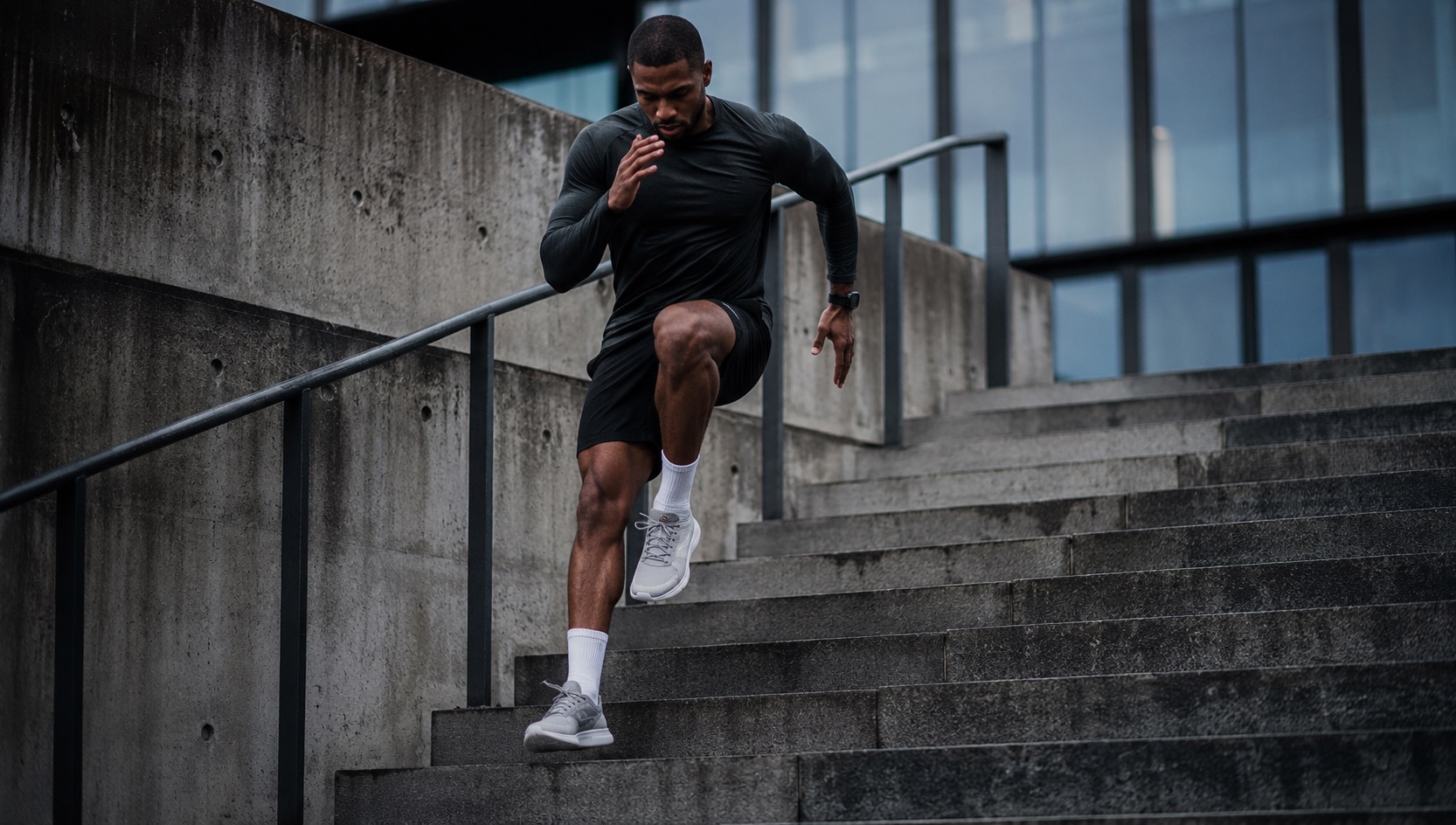
Best Smart Water Bottles and Handhelds for Runners 2026
Carrying water while running is one of those things that sounds simple until you’ve actually tried it. A regular water bottle bounces, sloshes, cramps your hand, and generally makes you regret not just planning your route around water fountains. Fortunately, running-specific handhelds and soft flasks have gotten genuinely good in 2026 - light enough to forget you’re holding them, ergonomic enough that your hand doesn’t cramp at mile 8.
I’ve researched dozens of handheld bottles and soft flasks over years of training, from 5K shakeout runs in summer heat to 20-mile long runs where dehydration wasn’t optional. Here’s what works, what doesn’t, and which bottle matches your running style.
Why Runners Need Specialized Bottles
A regular Nalgene or grocery store water bottle isn’t designed for running. The problems:
- Weight distribution: Round bottles create a pendulum effect that fights your arm swing
- Grip fatigue: Smooth cylindrical bottles require constant squeezing, which fatigues your forearm
- Sloshing: Half-full hard bottles create momentum shifts that throw off your rhythm
- No storage: You often need to carry keys, gels, or a phone alongside your water
Running handhelds solve these with contoured shapes, adjustable hand straps, and integrated pockets. Soft flasks go further - they collapse as you drink, eliminating sloshing entirely and reducing weight progressively.
The Best Handheld Water Bottles Compared
| Product | Price | Capacity | Weight (empty) | Type | Best For |
|---|---|---|---|---|---|
| Nathan SpeedDraw Plus | $30 | 18 oz | 4.2 oz | Hard handheld w/ strap | Road runners, storage needs |
| Salomon Soft Flask 500ml | $15 | 17 oz | 1.0 oz | Collapsible soft flask | Ultrarunners, vest users |
| CamelBak Quick Grip | $25 | 21 oz | 3.8 oz | Hard handheld w/ strap | Larger capacity needs |
| Ultimate Direction Body Bottle | $20 | 14 oz | 2.5 oz | Curved soft bottle | Ergonomic grip, short-medium runs |
| HydraPak UltraFlask | $20 | 17 oz | 1.1 oz | Collapsible soft flask | Fast runners, race day |
Nathan SpeedDraw Plus - Best All-Around Handheld
The Nathan SpeedDraw Plus is the handheld I recommend to most runners. It does everything well: the insulated bottle keeps water cool for about an hour, the adjustable hand strap fits any hand size, and the zippered pocket holds your phone, keys, and a couple of gels.
The grip design is what sets it apart. The strap wraps around the back of your hand so you’re not actively squeezing the bottle - your hand stays relaxed. This matters enormously on runs over 45 minutes when grip fatigue becomes real.
At 18 oz capacity, it’s enough for runs up to 90 minutes in moderate weather. The insulation is a nice touch in summer - nobody wants to drink warm water at mile 6. The only downside is that it’s a hard bottle, so you’ll get some sloshing when it’s half-empty. Not terrible, but noticeable if you’re sensitive to it.
Salomon Soft Flask 500ml - Best for Minimalists
If weight is everything to you, the Salomon Soft Flask is absurdly light at just 1 ounce empty. It’s the standard flask that comes with most Salomon hydration vests, and for good reason - it works brilliantly.
The soft material collapses as you drink, so there’s zero sloshing regardless of how much water is left. The bite valve is intuitive (squeeze and sip) and doesn’t leak in your pack. And because it’s so light and compact when empty, you barely notice it.
The tradeoff: there’s no hand strap. You’ll need to pair it with a vest or belt, or just grip it (which works fine for faster efforts where you’re drinking quickly). It also has no insulation, so water warms up fast in summer heat.
For runners who use hydration vests, the Salomon flask is the default choice. If you’re looking at full vest setups, check out our best hydration vests for ultrarunning in 2026.
CamelBak Quick Grip - Best for Long Runs
When you need more water and don’t want to stop, the CamelBak Quick Grip delivers 21 oz in a well-designed handheld package. That extra 3 oz over the Nathan might not sound like much, but it’s the difference between running 90 minutes and running 2 hours without refilling.
The hand strap is comfortable and adjustable, and CamelBak’s self-sealing JetValve means you can drink without opening or squeezing anything - just bite and sip. The small pocket fits a key and a gel or two, though it won’t accommodate a phone.
The weight when full is the main consideration. At 21 oz of water plus the bottle weight, you’re carrying over a pound in one hand. Some runners find this causes slight shoulder fatigue on very long runs. If that’s you, alternating hands every mile or switching to a belt or vest might work better.
Ultimate Direction Body Bottle - Best Ergonomic Design
The Body Bottle from Ultimate Direction has a curved shape that contours to your hand’s natural grip. It’s a soft bottle (not fully collapsible like the Salomon flask, but pliable) that reduces sloshing while being more comfortable to hold than rigid bottles.
At 14 oz, it’s designed for shorter to medium runs - think 30-60 minutes. The smaller size means less weight and less hand fatigue, which makes it feel almost invisible while running. The bite valve is easy to use one-handed.
The limitation is obvious: 14 oz isn’t enough for runs over an hour in warm weather. But if you’re the type who only carries water in summer or on tempo runs, the lighter weight and better ergonomics make it worth the capacity tradeoff.
HydraPak UltraFlask - Best for Racing
The HydraPak UltraFlask is what you see at the front of ultramarathon packs. At 1.1 oz empty with a 17 oz capacity, it offers an incredible weight-to-capacity ratio. The soft material collapses completely, the high-flow bite valve delivers water fast, and it fits in most vest chest pockets.
For race day - whether it’s a half marathon with no aid stations or an ultra where you need to carry between checkpoints - the UltraFlask is the lightest way to carry meaningful hydration. It’s also great for runners who hate the feeling of carrying anything heavy.
Like the Salomon flask, there’s no hand strap or insulation. It’s pure function, stripped to the minimum. Pair it with a vest or running belt for hands-free carrying. Speaking of which, our best running belts and vests for 2026 covers all the carrying options.
Hard Bottles vs. Soft Flasks - Which Is Right for You?
Choose a hard handheld if:
- You want a hand strap for effortless carrying
- You need a pocket for phone/keys/gels
- You prefer insulation to keep water cold
- You’re running roads and don’t mind a little extra weight
Choose a soft flask if:
- You hate sloshing
- Weight is a priority
- You already use a vest or belt
- You’re racing or running fast
Many runners end up owning both - a handheld for everyday training runs and soft flasks for their vest on long runs and races.
How Much Water Should You Carry?
A rough guideline:
- Under 45 minutes: You probably don’t need to carry water (unless it’s very hot)
- 45-75 minutes: 14-18 oz is sufficient for most conditions
- 75-120 minutes: 18-21 oz, or plan a refill stop
- Over 2 hours: Consider a vest with 1-1.5 liters, or plan multiple refill points
These numbers increase significantly in heat. On hot days (above 80°F), add 50% more water than you’d normally carry. You’re sweating more, losing more electrolytes, and dehydration compounds quickly. For electrolyte strategies, see our best electrolyte mixes for runners in 2026.
Care and Cleaning Tips
Soft flasks and handheld bottles can develop mold and odors if you don’t clean them properly:
- Rinse immediately after every run - don’t let residue sit
- Weekly deep clean: Bottle brush + mild dish soap, or a denture tablet soaked overnight
- Dry completely: Leave caps off, store upside down with airflow
- Bite valves: Pull them apart and clean separately - this is where mold hides
- Replace soft flasks every 6-12 months if they develop odors that won’t clean out
Related reading: Best Running Gear for Beginners - Complete Starter Kit 2026
See how we compare products for our full research methodology.
FAQ
Can I put electrolyte drinks in soft flasks? Yes, but rinse them thoroughly after every use. Sugary drinks and electrolyte powders leave residue that grows mold faster than plain water. Some runners use one flask for water only and a separate one for electrolyte mix to extend the lifespan of both.
Do soft flasks affect the taste of water? New soft flasks can have a slight plastic taste for the first few uses. Soak them overnight in a baking soda solution before first use to minimize this. After a few runs, the taste disappears. Higher-quality flasks (Salomon, HydraPak) have less taste than budget alternatives.
Is a handheld better than a running belt with bottles? It depends on your preferences. Handhelds give you instant access to water without reaching behind you, but occupy one hand. Belt bottles free your hands but can bounce and require reaching back to drink. For runs under 90 minutes, most runners prefer handhelds. For longer efforts, vests or belts make more sense.
How do I prevent hand cramps when carrying a bottle? Use a handheld with an adjustable strap so you’re not gripping the bottle - your hand stays relaxed. Switch hands every 10-15 minutes to prevent one-sided fatigue. Some runners also find that lighter soft flasks in a vest pocket eliminate hand issues entirely.
Are insulated bottles worth the extra weight? In summer, absolutely. Drinking 90°F water at mile 8 is miserable and can cause nausea. Even a basic insulated handheld keeps water noticeably cooler for 45-60 minutes. In cooler weather (below 65°F), insulation isn’t necessary and you can save the weight.
Final Thoughts
The best running bottle is the one you’ll actually carry consistently. If you hate the feeling of something in your hand, get a soft flask for a vest. If you value convenience and storage, a handheld with a strap is the move. The key is matching the bottle to your typical run length, weather conditions, and personal preferences.
Don’t overthink it - grab one, test it on a few runs, and you’ll quickly know whether it works for you. Hydration gear is personal, and the “best” option is simply the one that disappears into your routine.