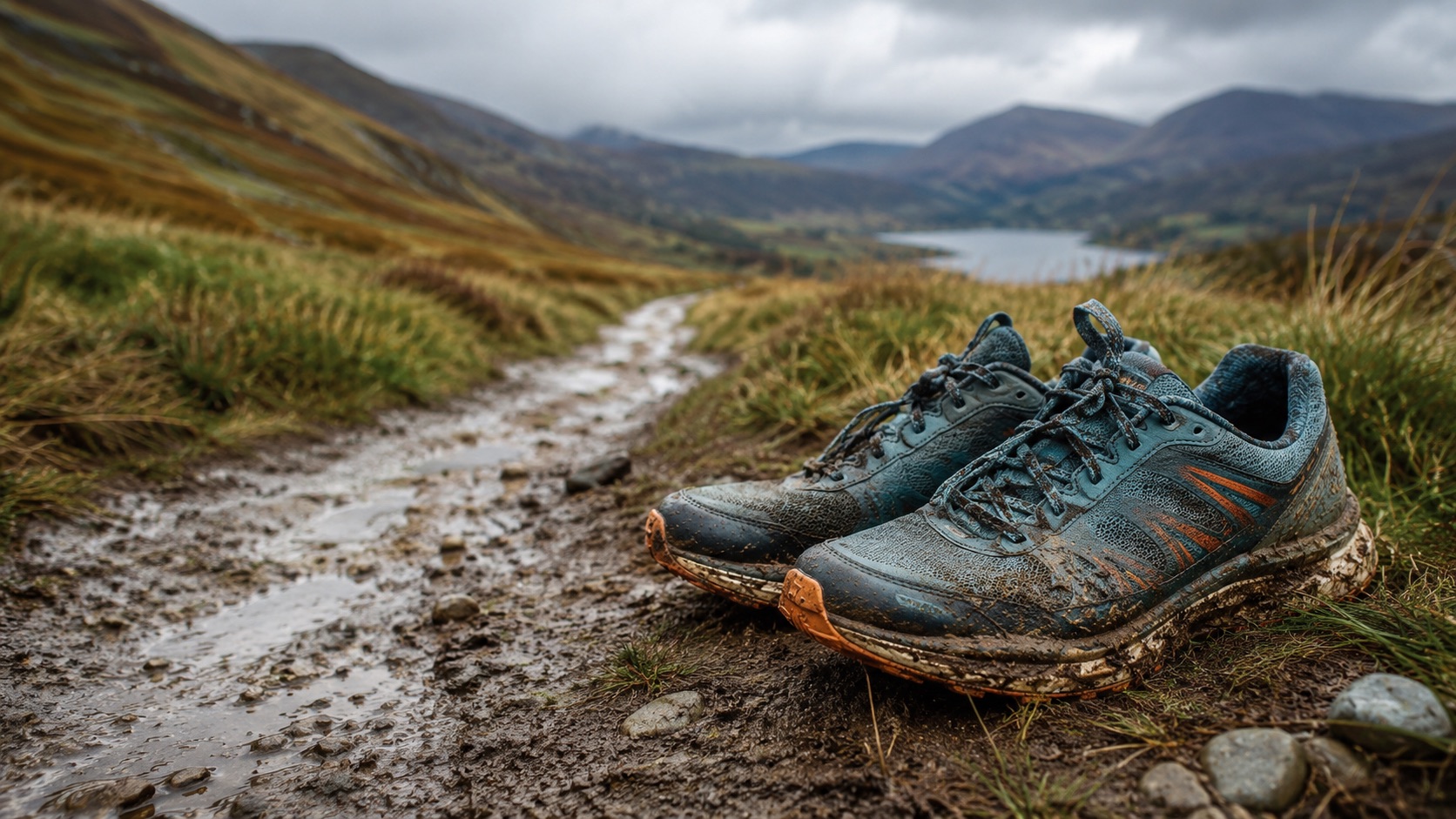
Chinese Running Shoes Cost $50+ Less Than Nike: Here's What's Actually Good
Chinese running brands make carbon plate shoes for $100-$160 that use the same PEBA foam and full-length plates as $260 Vaporflys. Some of them are genuinely competitive. Here’s what’s worth your money in 2026.
Why Chinese Running Shoes Deserve Your Attention
The performance gap between Chinese and Western running shoes has been shrinking for years, and in 2026 it’s basically gone for certain models. Xtep, Li-Ning, and 361 Degrees have been dominating Chinese marathon circuits with shoes that use the exact same foam technologies and plate constructions as Nike, Adidas, and Saucony.
The price difference isn’t because the materials are worse. It’s because these brands don’t have Nike’s marketing budget, US retail distribution costs, or Western labor expenses. They sell direct from China to your door for $100-$160, while Nike charges $260 for a Vaporfly that uses essentially the same combination of PEBA foam and carbon fiber plate.
That said, buying Chinese running shoes isn’t as simple as clicking “add to cart” on Amazon. You’re ordering from international sellers, sizing can differ, returns are complicated, and some models have limited English-language reviews. We’ve covered this category extensively in our Chinese carbon running shoes guide, but here’s the 2026 update on what’s actually good.
The Best Chinese Carbon Plate Shoes in 2026
Xtep 160X 6.0 Pro ($160)
The 160X line is Xtep’s flagship racing shoe and the one you’ve probably heard about if you follow running shoe discourse at all. The 6.0 Pro is the latest version, featuring PEBA foam, a full-length carbon plate, and the aggressive rocker geometry that makes these super shoes feel like they’re running for you.
This shoe gets used by competitive runners in Chinese marathons regularly. It’s not an experimental product or a budget imitation. It’s a battle-tested racing shoe that happens to cost $100 less than the Nike Vaporfly 4.
At $160, it’s the most expensive Chinese option on this list, but it’s also the most proven. If you want a direct Vaporfly alternative and don’t mind ordering from shopnings.com, this is the safest bet. The foam compound and plate rigidity are genuinely comparable to what Nike and Adidas offer in their top-tier racers.
Xtep 160X 5.0 SE ($160)
The slightly older 5.0 SE model is still widely available and uses the same core technology as the 6.0 Pro. Differences are mostly in upper construction and minor geometry tweaks. Some runners actually prefer the 5.0’s fit, particularly those with wider feet who found the 6.0’s upper slightly more restrictive.
At the same $160 price point, choosing between the 5.0 SE and 6.0 Pro comes down to availability and personal preference. If you can find the 6.0 Pro, get it. If not, the 5.0 SE is still an excellent racing shoe that competes with shoes costing $100 more.
Li-Ning Feidian 6 Elite
The Feidian line is Li-Ning’s answer to the Alphafly, not the Vaporfly. It’s a maximalist racing shoe with stacked foam, a carbon plate, and a more aggressive stance than the Xtep options. RTINGS reviewed the Feidian 6 Elite with a direct comparison against the Nike Alphafly 3, which tells you exactly where Li-Ning is positioning this shoe.
The Feidian 6 Elite is the choice if you prefer an Alphafly-style ride (more stack, more bounce, slightly heavier) over a Vaporfly-style ride (lighter, more responsive, less cushioning). It’s a proper race-day weapon for half marathons and marathons where you want maximum energy return over long distances.
For our full breakdown of how these compare to Western racing shoes, see our best carbon plate racing shoes 2026 roundup.
Li-Ning Feidian 6 Challenger ($100-$130)
Here’s where the value gets ridiculous. The Feidian 6 Challenger is the “budget” version of the Elite, and reviews from weeviews.com describe it as “strongly in the favor of this shoe” for value. You’re getting carbon plate performance for marathon racing at $100-$130.
The Challenger makes some compromises. The foam compound isn’t quite as premium as the Elite, and the upper uses less refined materials. But the carbon plate is still there, the geometry is still designed for fast running, and the price is nearly half what you’d pay for a Vaporfly.
For runners who race 2-3 times per year and can’t justify $260 on a shoe they’ll wear 5 times, the Feidian 6 Challenger is a revelation. It’s not quite as fast as a Vaporfly, but it’s fast enough to PR in, and you can afford to replace it without guilt. We’ve covered more options in this price range in our Nike Vaporfly alternatives under $200 guide.
Comparison Table: Chinese vs Western Carbon Shoes
| Shoe | Price | Foam Type | Plate | Weight (approx.) | Comparable To |
|---|---|---|---|---|---|
| Xtep 160X 6.0 Pro | $160 | PEBA | Full carbon | ~185g | Nike Vaporfly 4 ($260) |
| Xtep 160X 5.0 SE | $160 | PEBA | Full carbon | ~190g | Nike Vaporfly 4 ($260) |
| Li-Ning Feidian 6 Elite | ~$160-180 | PEBA blend | Full carbon | ~210g | Nike Alphafly 3 ($285) |
| Li-Ning Feidian 6 Challenger | $100-130 | TPU/PEBA mix | Full carbon | ~215g | Saucony Endorphin Pro 4 ($225) |
| Nike Vaporfly 4 | $260 | ZoomX (PEBA) | Full carbon | 186g | - |
| Adidas Adios Pro 4 | $250 | Lightstrike Pro (PEBA) | Carbon rods | 215g | - |
The weight figures are approximate because Chinese brands aren’t always consistent with which size they measure, and availability of specific colorways can affect the upper weight slightly. But the general picture is clear: comparable performance, $100 less.
Where to Buy Chinese Running Shoes
This is the tricky part. You can’t walk into a running store and try these on. Your main options:
shopnings.com is the most commonly recommended retailer for Xtep shoes specifically. They ship internationally from China, and their pricing is straightforward. Shipping takes 2-3 weeks typically, and returns are possible but more complicated than domestic purchases.
chinasportshop.com carries Li-Ning, Xtep, and 361 Degrees shoes with international shipping. Similar shipping timelines and return policies.
Neither of these is Amazon Prime. You’re accepting longer shipping, potentially difficult returns, and the need to get your sizing right on the first try. Order your normal Nike size as a starting point, but read reviews for specific models since some run narrow or short.
Sizing and Fit Considerations
Chinese running shoes often run slightly small compared to US sizing. Most experienced buyers recommend going up half a size from your Nike or Adidas size. The Xtep 160X specifically tends to run true to Nike sizing, but the Li-Ning Feidian runs narrow in the midfoot.
Width options are limited. If you need a wide fit, the Xtep 160X line is more forgiving than Li-Ning. The Feidian 6 Elite has a fairly snug upper that doesn’t stretch much.
For context on how these shoes fit into the broader racing shoe landscape, see our detailed Vaporfly vs Adios Pro vs Endorphin Pro comparison.
Are They Actually as Fast as Vaporflys?
Let’s be honest: probably not quite. The Nike Vaporfly has years of elite athlete testing, precise geometry tuning, and the most refined PEBA foam compound on the market. A $160 Xtep isn’t going to be identical in performance.
But “not quite as fast” might mean 5-10 seconds over a marathon. For recreational runners racing 3:00-4:00 marathons, that difference is basically unmeasurable amid normal training variation. The 80/20 rule applies here: you get 80% of the performance benefit for 60% of the cost.
Where the Chinese shoes genuinely match or beat Western options is durability. PEBA foam degrades over time regardless of brand, but several reviews note the Xtep 160X holding its responsiveness longer than a Vaporfly does. Nike’s ZoomX foam is notoriously soft and breaks down within 150-200 miles. Some runners report the Xtep lasting 250+ miles before noticeable degradation.
Who Should (and Shouldn’t) Buy Chinese Running Shoes
Buy if: You race 2-4 times per year, you want carbon plate performance without paying $260, you’re comfortable with 2-3 week shipping, you don’t need to try before buying, and you’re OK with limited English-language support if something goes wrong.
Skip if: You need shoes tomorrow, you have unusual sizing needs (very wide or very narrow), you want the security of easy domestic returns, or you’re an elite runner where the last 1-2% of performance matters more than cost.
For most recreational runners who race occasionally, Chinese carbon shoes represent an absurd value proposition in 2026. You can own two pairs of Xtep 160X for the price of one Vaporfly, which means you can have a fresh pair for race day and a training pair for uptempo workouts. That’s a smarter use of $320 than a single pair of Nikes.
The Bigger Picture
The Chinese running shoe market is growing rapidly in Western awareness. As more runners discover these options and share their experiences, expect prices to remain stable (they’re already near cost) while quality continues improving. Xtep and Li-Ning aren’t small companies. They’re billion-dollar brands in China with real R&D budgets.
Five years from now, we might look back at 2024-2026 as the period when Chinese running shoes moved beyond a niche racing audience. This roundup focuses on carbon shoes; the 361 Eleos 2 review covers a max-cushion daily trainer for runners who need an everyday shoe instead. In both categories, sizing, returns and retailer support remain part of the buying decision.
See how we compare products for our full research methodology.
Frequently Asked Questions
Are Chinese carbon plate shoes legal for racing?
Yes. World Athletics rules govern plate thickness and number of plates (one), not the brand or country of origin. The Xtep 160X and Li-Ning Feidian both comply with current regulations. You can race in them at any official event.
How long do Chinese carbon plate shoes last?
Roughly 150-250 miles for optimal performance, similar to Western carbon plate shoes. Some runners report the Xtep 160X lasting slightly longer than Nike ZoomX foam before noticeable degradation. Carbon plates don’t break; it’s the foam that loses responsiveness over time.
Is it safe to buy from shopnings.com or chinasportshop.com?
Both sites have established track records in the running community with years of transactions. Use a credit card for buyer protection. Shipping typically takes 2-3 weeks. They’re legitimate retailers, not scam sites, though the shopping experience is less polished than Amazon.
What if the shoes don’t fit? Can I return them?
Returns are possible but more difficult than domestic purchases. You’ll typically need to ship back to China at your own expense, which can cost $30-$50. This is why getting your size right matters more. Order your standard Nike size or half-size up for Li-Ning. Reading model-specific reviews for sizing advice is essential.
Do Chinese running shoes have good arch support?
Most Chinese racing shoes follow the same neutral-platform design as Vaporflys and Adios Pros. They’re not stability shoes. If you need arch support or motion control, these aren’t the right category regardless of brand. For supported racing options, look at the Brooks Hyperion GTS or Saucony Tempus.