
My Stomach Issues Improved After I Switched Running Gels
My Stomach Issues Improved After I Switched Running Gels
For over a year, I accepted stomach problems as a normal part of racing. Every half marathon and several hard 10K efforts with gels ended the same way. When the symptoms stopped after I changed brands, gels became the strongest suspect—but changing one part of a real-world race routine does not prove a medical cause.
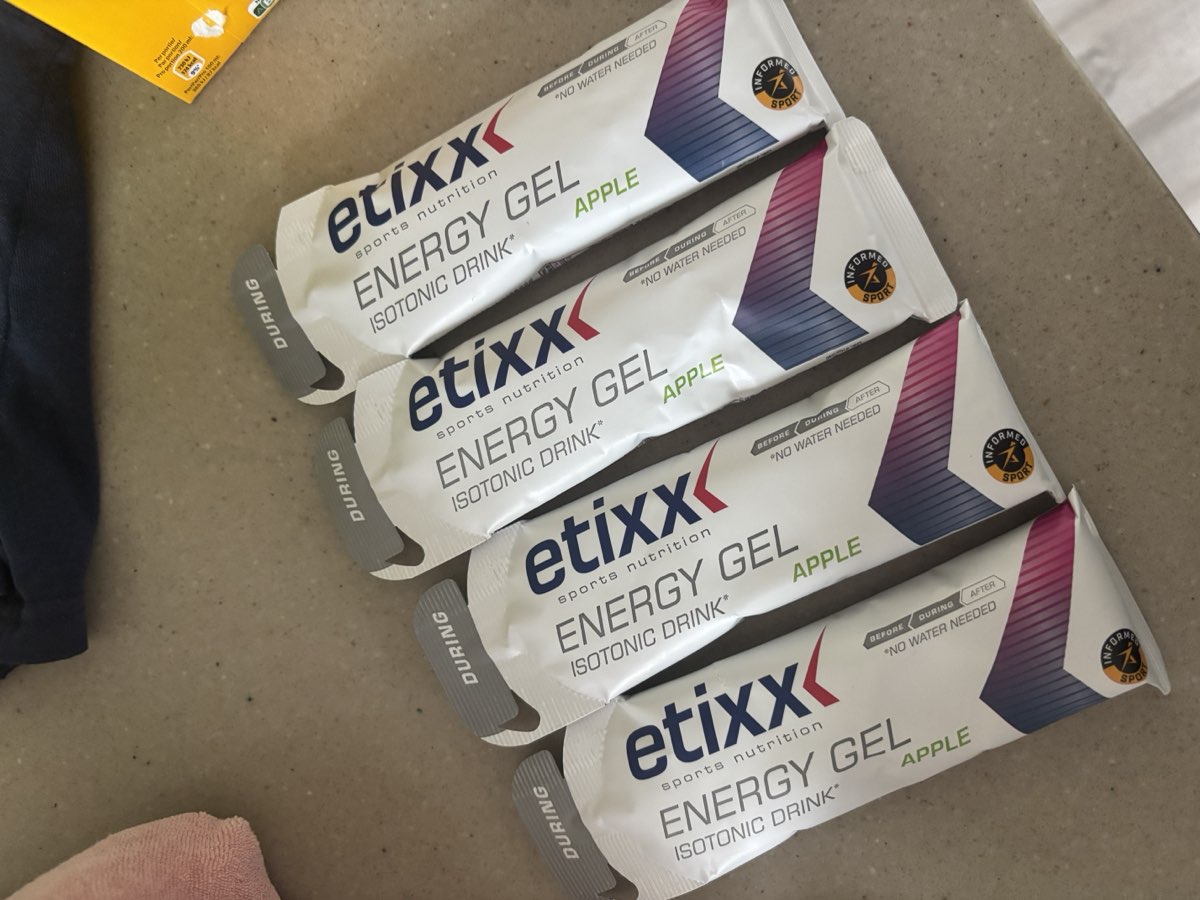
I was using Etixx isotonic gels (apple flavor). They were convenient because you do not need water to take them. The taste was fine. During the race, no issues. But after? Every single time. Cramping, urgency, the full gastrointestinal disaster. I thought this was just what happened when you run hard.
Then I switched to 6D Sports Nutrition gels and did not experience the same problems in the next three races. The distances, intensity and pre-race food were similar, making the former gels a plausible trigger. That is enough for my own product choice, but it does not prove cause or predict another runner’s response.
My Etixx Experience: What Happened
I used Etixx isotonic apple gel for about 14 months. The appeal was straightforward:
- Isotonic formula (no water required)
- Easy to carry
- Available everywhere in Belgium
- Tasted decent
My standard protocol was one gel at 30 minutes and one at 60 minutes for half marathons. During the race, I felt fine. No nausea, no cramping, no sloshing. The gel seemed to work perfectly.
The problem showed up exclusively post-race. Within 20-40 minutes of finishing, I would get intense stomach cramping and urgent bowel issues. It happened after every race where I used gels. I started noticing the pattern but kept blaming other factors: stress, dehydration, eating too soon before the race.
Looking back, the clue was obvious. Training runs without gels? No issues. Easy long runs where I tested gels? Issues every time. But I was slow to connect the dots because the problems never appeared during the effort itself.
Why Some Gels Cause Problems (The Science)
Your gut has a limited capacity to absorb carbohydrates during exercise. Most research points to about 60g per hour as the maximum for glucose alone, or up to 90-100g if you combine glucose and fructose (which use different transport pathways in the intestine).
But absorption capacity is only half the story. What matters equally is:
Concentration and fluid intake: Carbohydrate concentration, dose and the amount of fluid taken alongside a product can affect gastrointestinal comfort. “Isotonic” on a label does not guarantee that an individual runner will tolerate a product.
Ingredients beyond carbs: Preservatives, thickeners, artificial sweeteners, and flavoring agents all interact with your gut differently. What one person tolerates perfectly can wreck someone else.
Individual gut sensitivity: This is the big one. Two people can take the exact same gel at the exact same point in a race and have completely different reactions. Gut tolerance to specific formulations is highly personal. There is no universal “best gel for stomachs.”
The Switch to 6D Sports Nutrition
After connecting the dots, I decided to change everything about my gel strategy for the next training block. I switched to 6D Ultra gels combined with their regular sport gels.
The key differences:
- Different carbohydrate blend (maltodextrin/fructose ratio)
- Designed to be taken with water (not isotonic)
- Different consistency (thicker, which I actually prefer)
- Minimal flavoring and additives
I tested them first on a long training run. Then a tempo session. Then a 10K race effort. Each time: zero stomach issues afterward. Not reduced issues. Zero.
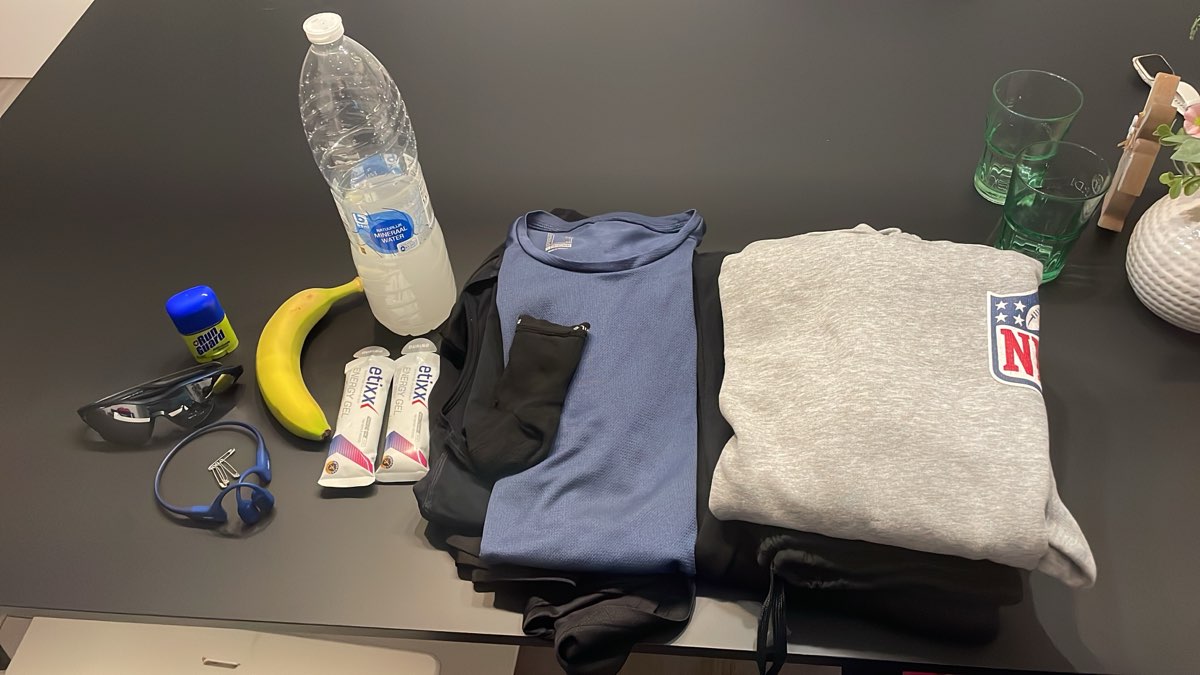
My current race day setup includes two 6D Ultra gels and a regular 6D sport gel for shorter efforts. I take them with a sip of water at aid stations, which is slightly less convenient than the old isotonic system, but infinitely better than spending 30 minutes in a porta-potty after crossing the finish line.
What I Learned About Gel Tolerance
Lesson 1: “Works during” does not mean “works for you.” A gel can fuel your muscles perfectly while simultaneously irritating your gut. The effects might not show up until blood flow returns to your digestive system post-exercise. During hard running, your gut is getting minimal blood flow, which masks the irritation.
Lesson 2: Test in training, but also test the aftermath. I was testing gels in training and concluding they worked because I did not cramp mid-run. I should have been paying attention to the 1-2 hours after the run as well.
Lesson 3: Isotonic is not automatically better. The marketing around isotonic gels (“no water needed!”) makes them sound superior. For some people they are. For me, they were the problem. Having to carry or find water is a minor inconvenience compared to GI distress.
Lesson 4: Brand matters more than type. I did not just switch from isotonic to non-isotonic. I switched brands entirely. The specific formulation, ingredients, and ratios are what your gut reacts to. Two “isotonic” gels from different brands can have completely different effects.
How to Figure Out Your Own Gel Tolerance
If you are dealing with stomach issues during or after runs, here is the process I wish I had followed from the start:
Step 1: Isolate the variable. Do a long easy run with no gels. Then the same run with one gel. Compare. Do this multiple times to confirm.
Step 2: Try a completely different brand. Not just a different flavor of the same brand. A different manufacturer with a different formulation. Check the gel comparison guide for options.
Step 3: Test during hard efforts. Easy runs do not stress your gut the same way. Your gel needs to work when blood is diverted away from digestion, which only happens at race intensity.
Step 4: Monitor post-run. Give yourself 2 hours after a gel-fueled session before concluding it worked. The problems often appear with a delay.
Step 5: Once you find what works, do not change it. I am sticking with 6D until it fails me. The temptation to try every new gel that launches (Maurten, Spring Energy, whatever is trendy) is not worth the risk of discovering another formula my gut hates.
The “Gel Type Is Personal” Reality
I cannot tell you which gel will work for you. That is frustrating to hear, but it is the honest truth. I know runners who thrive on Etixx (the exact gel that destroyed my stomach). I know others who swear by Maurten, and some who say Maurten caused them issues that cheaper gels never did.
The common advice of “train your gut” is partially valid. You can improve gut tolerance through consistent practice. But there are limits. Some formulations will never agree with certain people, no matter how much you train. If something consistently causes problems after 4-5 attempts, it is not a training issue. It is a compatibility issue.
My Current Nutrition Protocol
For races 10K and longer:
- Pre-race (3 hours before): Light breakfast, nothing experimental
- 60 min before: Small banana or white bread with honey
- During (every 30-35 min): 6D Ultra gel + sip of water
- Hydration: Plain water at aid stations, separate from gels
For long training runs (90+ min):
- One 6D sport gel around 50-60 minutes
- Water as needed
I have now used this protocol in five races without the same stomach issue. That repeat experience is meaningful for my own choice, but it remains a personal observation with several possible confounding factors.
When to See a Doctor Instead
Not all GI issues during running are gel-related. If you experience problems even without any nutrition, or if changing brands multiple times does not help, talk to a sports medicine doctor. Conditions like runner’s colitis, IBS, and food intolerances can all manifest during exercise.
The red flags that suggest something beyond gel intolerance:
- Blood in stool after running
- Problems on every run regardless of nutrition
- Symptoms that persist for hours or days after
- Worsening over time despite changes
For me, the pattern was clear and isolated: gels in, problems out. But your situation might be different, and proper hydration strategy plays a role too.
The Bottom Line
Switching gels cost me EUR 15 for a box of 6D samples. The year I spent dealing with stomach issues because I assumed it was “normal” cost me enjoyable post-race experiences, confidence going into events, and probably some performance too (running scared of your stomach is not conducive to PBs).
If you have mild post-race GI issues and use gels, changing one variable at a time during training may help identify a trigger. Do not use a race as the first test. Persistent, severe or worrying symptoms deserve medical advice rather than repeated nutrition experiments.
FAQ
Can you train your gut to tolerate any gel brand?
To a degree, yes. Gut training (consistently practicing with nutrition during runs) improves absorption and reduces symptoms for most people. But some formulations will never agree with certain individuals regardless of practice. If you have tried a gel 5+ times with consistent problems, switch rather than persist.
Why do stomach issues often appear after the race rather than during?
During intense exercise, blood flow is diverted away from your digestive system to your working muscles. Your gut essentially goes into a dormant state. When you stop running and blood flow returns to your intestines, that is when the irritated gut lining makes itself known. The gel was causing problems the whole time, but you could not feel it until the blood came back.
Is isotonic better than non-isotonic for running gels?
Neither is universally better. Isotonic gels offer convenience (no water needed) and theoretically faster absorption. Non-isotonic gels give you more control over dilution and may be gentler on sensitive stomachs when taken with water. The best type is whichever one your individual gut tolerates without issues.
How many gels should I take during a half marathon?
There is no single gel count that suits every half-marathon runner: duration, product carbohydrate content, other drinks or foods and individual tolerance all matter. Build and test a complete fueling plan in training; a sports dietitian can help when needs or symptoms are complex.
Should I switch gels if I only have problems occasionally?
If problems happen more than once with the same gel under similar conditions, that is a pattern worth addressing. Occasional issues (once out of ten uses) might be related to other factors: heat, anxiety, hydration, pre-race food. Consistent issues (more than 30% of the time) strongly suggest the gel itself is the problem.