Reddit's Biggest Running Gear Regrets: What Runners Wish They Never Bought
Every runner has that one piece of gear sitting in the back of a closet, still with tags on, collecting dust. Maybe it was a flash sale impulse buy. Maybe someone on YouTube convinced you it was the missing piece. Either way, it didn’t work out.
I reviewed regret and purchase-discussion threads across r/running, r/RunningShoeGeeks, r/AdvancedRunning, r/Garmin and r/runningfashion and grouped recurring themes by category. This was a qualitative editorial review, not a systematic survey: I did not count every mention, verify every anonymous anecdote or establish how representative the commenters were. The examples below are warning signs to consider before buying, not proof that a product will be a bad purchase for you.
Method and freshness: I looked across several communities rather than relying on a single viral thread. Product names and availability were rechecked in August 2026; quoted price bands are approximate and may vary by market.
Here are the biggest running gear regrets on Reddit, what to buy instead, and how to avoid making the same mistakes.
Running Shoes: The Single Biggest Source of Regret
Running shoes produced many of the clearest recurring regret themes in the threads reviewed.
Buying Race Shoes for Daily Training
This is the single most common shoe regret on r/RunningShoeGeeks. Runners buy a carbon-plated racer like the Nike Vaporfly 3, Adidas Adios Pro 4, or Saucony Endorphin Pro because the reviews are glowing, then try to use them for everyday training. The foam breaks down fast. The plate loses its snap. A $250 shoe is dead in 200 miles when it could have lasted 8 to 10 races.
The recurring theme is clear: race shoes are for race day and maybe the occasional speed session. They are not daily trainers. If you want a shoe that feels fast but holds up to daily abuse, look at something like the Nike Pegasus 41 or the Saucony Ride 17. Save the carbon for when the clock matters.
Buying the Wrong Shoe for Your Foot
A close second is the “everyone loves this shoe so I bought it” regret. The HOKA Clifton is a frequent example. It gets recommended constantly on r/running, but the meta-rocker geometry and narrow midfoot don’t work for every runner. The same goes for the Brooks Ghost, which is beloved by many but causes heel slippage and blisters for runners with narrow heels.
The pattern on Reddit is that runners who buy shoes based solely on online hype, without trying them on or understanding their foot type, end up disappointed. The most common advice from experienced runners on r/running is to visit a specialty running store for a gait analysis before committing to a model. If you’re shopping online, at minimum know your arch type and whether you need a wider toe box.
Buying Too Many Shoes at Once
This one is surprisingly common on r/RunningShoeGeeks. Runners discover the shoe rotation concept, get excited, and buy four or five pairs in a month. Six months later, three of them are barely worn because they don’t actually fit into the runner’s routine. The regret isn’t about the individual shoes, it’s about the volume. A two-shoe rotation (one daily trainer, one speed/tempo shoe) covers 95% of runners’ needs. You don’t need a “recovery shoe,” a “long run shoe,” a “tempo shoe,” a “race shoe,” and a “rain shoe” unless you’re running 80+ miles a week.
What to consider instead: Our guide to recurring Reddit running-shoe favorites for 2026 can help build a shortlist, but fit and intended use still need to decide the purchase.
GPS Watches: Feature Overload and Brand FOMO
GPS watches are the second most regretted category, and the patterns are different depending on experience level.
Buying Too Much Watch
The most frequent watch regret on r/Garmin and r/running is buying a top-of-the-line watch when a mid-range model would have been perfect. Runners buy the Garmin Fenix 8 ($800+) or the Apple Watch Ultra 3 ($800) when they really only need GPS tracking, heart rate, and basic workout data. The Fenix 8 is a fantastic watch, but if you’re not doing multi-day ultra events or open-water swimming, the Garmin Forerunner 265 does 90% of the same running-specific stuff for half the price.
A recurring theme on r/AdvancedRunning is that experienced runners eventually realize they only look at three or four data fields during a run: pace, distance, heart rate, and maybe cadence. All those training readiness scores, body battery metrics, and recovery advisors are nice on paper but rarely change what the runner actually does. If you know you’re tired, you don’t need a watch to confirm it.
Switching Brands for Minor Upgrades
The Garmin vs. Coros vs. Polar brand-switching regret shows up constantly. A runner has a perfectly good Garmin Forerunner 255, sees a review of the Coros Pace Pro, gets FOMO, sells the Garmin at a loss, buys the Coros, and then misses features they didn’t realize they used (like Garmin’s structured workout builder or the Connect IQ app ecosystem). Three months later they’re back on Garmin.
The common complaint is that the differences between mid-range GPS watches from major brands are smaller than the internet makes them seem. Unless there’s a specific feature you need that your current watch genuinely lacks, switching brands almost never solves a real problem.
Not Understanding What You’re Buying
A less common but still notable regret is buying a smartwatch when you wanted a running watch, or vice versa. The Apple Watch is the biggest example. Runners buy it for the “smart” features (texts, apps, Apple Pay) and then complain that the GPS accuracy is mediocre, the battery dies mid-long-run, and the native workout app is basic. If running is the priority, a dedicated running watch from Garmin or Coros is almost always a better choice.
What to buy instead: For most runners, a mid-range GPS watch hits the sweet spot. The Garmin Forerunner 265 is the most commonly recommended “no regrets” watch on Reddit. If you’re on a budget, the Coros Pace 3 gets strong marks for value.
Recovery Gear: Expensive Tools That Collect Dust
Recovery gear has the highest regret-to-usage ratio of any category. The tools work, but most runners don’t use them enough to justify the cost.
Percussive Massage Guns
The Theragun and Hypervolt are the most frequently mentioned recovery regrets across r/running and r/AdvancedRunning. The common complaint: they’re loud, they’re heavy, they cost $300 to $600, and most runners use them enthusiastically for two weeks before relegating them to a drawer. The science on percussive therapy for recovery is mixed, and most runners get the same benefit from a $15 foam roller and five minutes of stretching.
The runners who do get value from massage guns tend to be high-volume athletes running 60+ miles per week who use them consistently for specific muscle groups. For the average recreational runner doing 20 to 35 miles per week, it’s hard to justify the cost.
Compression Boots
NormaTec and similar pneumatic compression boots are another frequent regret. At $800 to $1,500, they’re one of the most expensive pieces of recovery gear you can buy. The recurring theme on Reddit is that they feel great while you’re wearing them, but the measurable recovery benefits for non-elite runners are minimal. Many runners report buying them after seeing pros use them on Instagram, using them a handful of times, and then letting them gather dust.
What Actually Works for Recovery
A recurring theme was that basic recovery habits were used more consistently than expensive gadgets. That does not establish comparative medical effectiveness, and anonymous reports should not replace professional advice for pain or injury.
What to buy instead: Our guide to the best recovery tools for runners in 2026 focuses on gear that actually gets used, not gear that looks impressive in an unboxing video. Spoiler: a lacrosse ball and a foam roller top the list.
Clothing: Cheap Stuff and Overpriced Stuff
Running clothing regrets fall into two camps: buying too cheap and buying too expensive.
Cheap Amazon Shorts and Tights
The most common clothing regret on r/running is buying budget running shorts and tights from Amazon brands. They’re $15 to $20, they look fine in the product photos, and they fall apart after five washes. The liner chafes. The waistband rolls. The fabric holds sweat and smells terrible by mile 2.
Experienced runners on Reddit consistently recommend spending $40 to $60 on shorts from brands like Brooks, Nike, Rabbit, or Janji. The difference in fabric quality, liner comfort, and durability is massive. A good pair of running shorts lasts two to three years. Five pairs of cheap Amazon shorts that you hate wearing cost more in the long run and generate a lot more frustration.
Overpriced “Lifestyle” Running Gear
On the flip side, runners frequently regret buying premium athleisure brands for actual running. Lululemon, Vuori, and Alo Yoga make comfortable clothes, but their running-specific gear is often overpriced for the performance. The fabrics aren’t as moisture-wicking as dedicated running brands, and the fits are designed for looking good at brunch, not for logging miles.
A recurring complaint is spending $120 on joggers or $80 on a tank top that pills after a few runs and doesn’t handle sweat well. The Reddit recommendation is straightforward: buy running clothes from running brands, and lifestyle clothes from lifestyle brands. Don’t cross the streams.
Race Finisher Jackets and Event Merch
This is a sentimental regret rather than a functional one, but it comes up enough to mention. Runners spend $80 to $150 on a marathon or half marathon finisher jacket at the expo, wear it once or twice, and then realize it’s too loud, too branded, or too warm for regular use. The common advice on r/running is to wait a day after the race before buying any commemorative gear. The post-race endorphins make everything look like a good purchase.
What to buy instead: Check out our Reddit-approved budget running gear picks for clothing and accessories that deliver real value without the markup.
Accessories: The “I’ll Definitely Use This” Hall of Fame
Accessories are where impulse purchases go to die.
Running Vests and Hydration Packs
A frequent regret on r/running and r/trailrunning is buying a full running vest for road running. Vests are essential for trail ultras and long mountain runs, but road runners who buy them for a half marathon training plan end up with an expensive, sweaty, bounce-prone vest that they wear twice. If you need water on your runs, a handheld bottle or a simple running belt is lighter, cheaper, and less annoying for anything under 15 miles.
Bone Conduction Headphones
This one is polarizing. Shokz (formerly AfterShokz) get recommended constantly on r/running for safety and awareness, and many runners love them. But a common complaint is the sound quality. For $130 to $180, runners expect better audio, and the bass is noticeably weak compared to regular earbuds. The runners who regret the purchase are usually those who prioritize music quality over situational awareness. If you run on quiet trails or a treadmill, regular earbuds might make you happier. If you run on roads with traffic, bone conduction is still the safer choice.
Running Belts and Phone Armbands
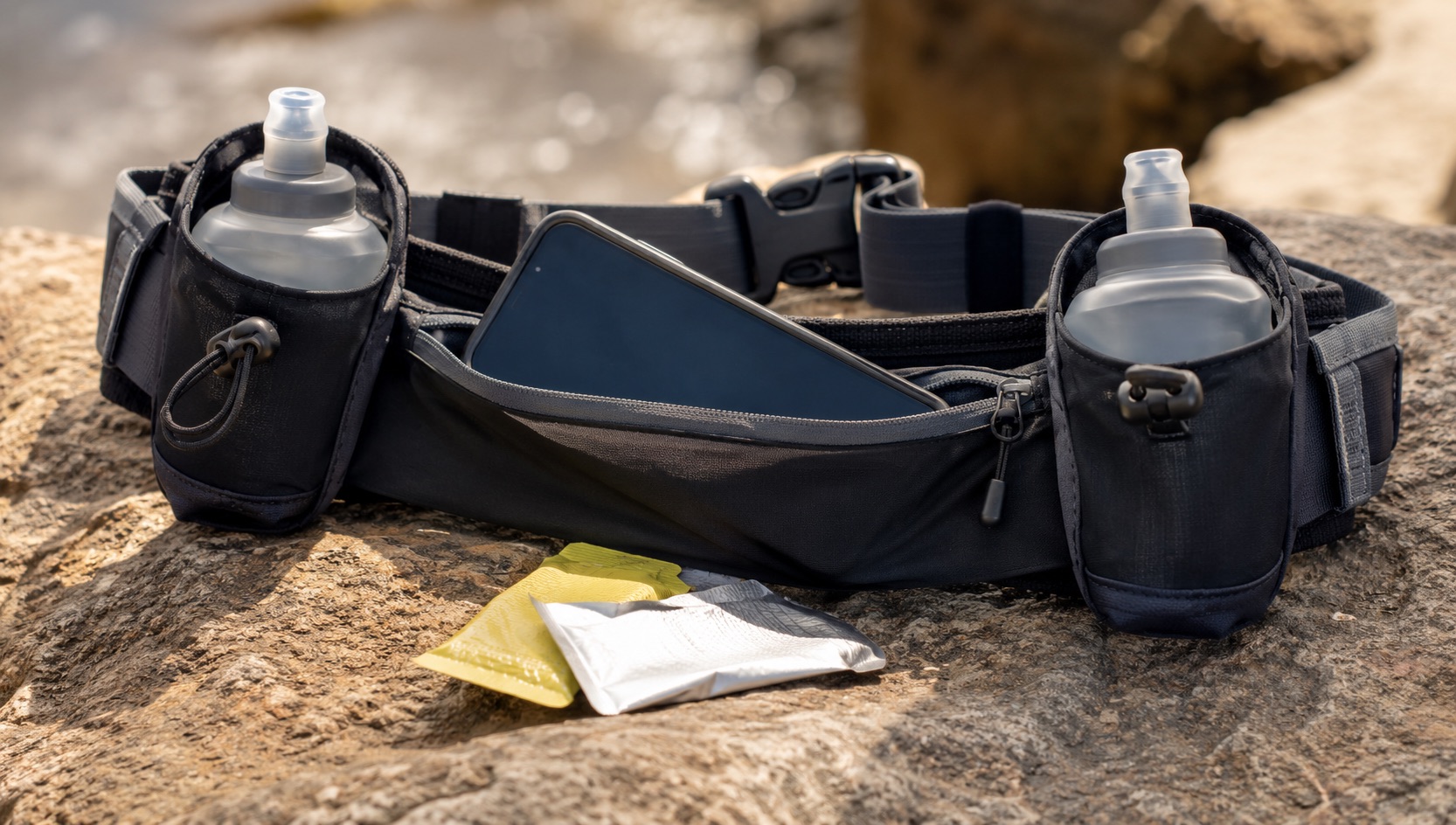
Cheap running belts that bounce and chafe are one of the most common accessory complaints. The $10 Amazon belt sounds like a great idea until you’re holding it in place at mile 3 of a tempo run. The same goes for phone armbands that slide down your arm, trap sweat, and make your phone overheat in summer.
Many commenters preferred a well-fitting running belt to an armband. Comfort and bounce depend on body shape, phone size and fit, so this is a preference pattern rather than a universal result.
Headlamps
Cheap headlamps are a common regret for runners who start doing early morning or evening runs. A $15 headlamp from Amazon has terrible battery life, bounces on your head, and puts out a dim, uneven beam that makes you feel like you’re running in a cave. The good ones (Petzl, Black Diamond, BioLite) cost $40 to $80 but are dramatically better in every way. If you run in the dark regularly, this is one category where spending more upfront saves you from buying twice.
What to buy instead: For accessories, our budget running gear guide covers the sweet spot options that are affordable but actually work. The general Reddit advice is to spend money on shoes and watch first, then allocate whatever’s left to accessories.
The Meta-Regret: Buying Gear Instead of Training
The most interesting pattern across all running subreddits isn’t about a specific product. It’s about the mindset of buying gear to solve problems that training solves.
Runners who buy a new shoe because their current one “feels slow” when they haven’t done speed work in months. Runners who buy a heart rate monitor chest strap because their watch HR “isn’t accurate enough” when they’re running 15 miles per week and the 2 to 3 bpm difference is completely irrelevant to their training. Runners who buy a massage gun because they’re always sore, when the real issue is that they’re increasing mileage too fast.
The experienced runners on r/AdvancedRunning consistently push back against gear-based problem solving. Their advice is almost always the same: run more consistently, sleep more, eat better, and be patient. No gadget fixes a bad training plan.
That doesn’t mean gear doesn’t matter. Good shoes prevent injury. A reliable watch tracks your progress. But gear should support your training, not replace it. The runners with the fewest regrets are the ones who buy less, research more, and only upgrade when there’s a genuine need, not just a want.
How to Avoid Running Gear Regrets: The Reddit Playbook
Based on thousands of threads across running subreddits, here are the rules that prevent regret:
- Never buy race-day shoes for training. Keep carbon plated shoes for races and the occasional workout. Use daily trainers for daily miles.
- Try shoes on before you buy, or at least buy from a retailer with a generous return policy. REI, Running Warehouse, and Fleet Feet all handle returns well.
- Buy the mid-range watch. Unless you’re an ultra runner or a triathlete, the $300 to $400 GPS watch does everything you need.
- Skip the expensive recovery gadgets unless you’re running 50+ miles per week and have a specific, consistent use case. A foam roller and a lacrosse ball cover 90% of recovery needs.
- Spend on quality clothing basics. Good shorts and socks make every run better. You don’t need branded lifestyle gear.
- One purchase at a time. Don’t buy five things at once. Buy one, use it for two weeks, then decide if you need more.
- Ask Reddit before you buy. Seriously. Post your question on r/running or r/RunningShoeGeeks with your budget, your weekly mileage, and what you’re trying to solve. You’ll get honest, specific advice within hours.
FAQ
What is the most regretted running shoe purchase?
The most commonly regretted running shoe purchase on Reddit is buying carbon-plated race shoes (like the Nike Vaporfly or Saucony Endorphin Pro) for daily training. These shoes are designed for racing and break down quickly under daily mileage. The foam loses responsiveness fast, and runners end up with a $250 shoe that’s dead in 200 miles. For daily training, Reddit consensus favors durable, well-cushioned trainers like the Nike Pegasus or Saucony Ride.
Are expensive running watches worth it for casual runners?
The recurring answer was no: many recreational runners said they mainly used pace, distance and heart rate. The useful buying question is which features you will actually use, not whether a premium watch is objectively excessive.
Do massage guns actually help runners recover?
The scientific evidence for percussive massage guns improving recovery is mixed, and the most common Reddit complaint is that runners use them enthusiastically for two to three weeks and then stop. For runners doing moderate mileage (20 to 40 miles per week), a foam roller and basic stretching routine provide equivalent recovery benefits at a fraction of the cost. Massage guns can be useful for high-volume runners who use them consistently on specific muscle groups, but they’re not a necessity.
What running gear do you actually need?
The recurring minimalist list was properly fitted shoes, comfortable clothing and optional basic tracking. Everything beyond that depends on conditions, distance, health and personal preference.
What are the best budget running gear alternatives to expensive products?
For shoes, previous-generation models (like the Nike Pegasus 41 now that the 42 is out) offer 90% of the performance at 40 to 50% of the price. For watches, the Coros Pace 3 provides excellent GPS tracking and heart rate monitoring for under $230. For recovery, a $15 foam roller and a $5 lacrosse ball replace $300 massage guns. For clothing, brands like Decathlon’s Kiprun and New Balance’s budget line offer durable running gear at half the price of premium brands. Check our guide to Reddit’s best budget running gear for detailed picks.