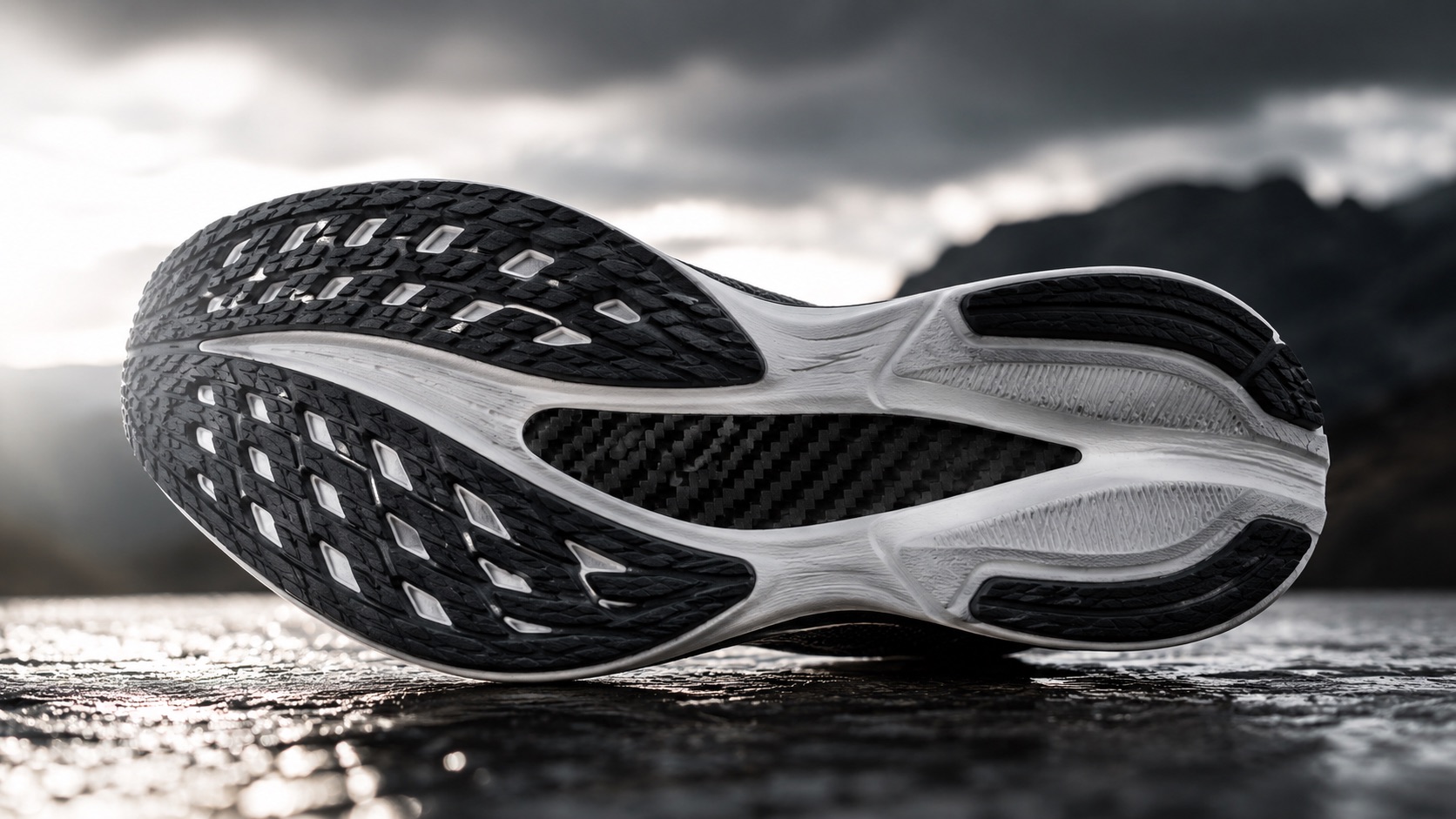
Best Track Spikes for 5K Racing 2026
Track spikes are the closest thing to cheating that’s still legal. When you slip on a pair of proper 5K spikes and hit the track, the difference is immediate - you feel lighter, snappier, and faster than anything your trainers could deliver. The right pair can genuinely shave seconds off your 5K time without any extra fitness.
But the spike market in 2026 is more stratified than ever. You’ve got super-shoes with carbon plates going for $200, budget-friendly options under $100, and everything in between. The question isn’t just “which spike is best” - it’s which spike is best for your speed, your foot, and your budget.
I’ve raced in all of these over the past two track seasons. Here’s the honest breakdown.
Why Track Spikes Make You Faster
Track spikes improve performance through three mechanisms:
-
Weight: At 3.5-4.5 oz, they’re less than half the weight of training shoes. Research shows that every 100g of shoe weight costs about 1% in running economy. That’s real time savings over 12.5 laps.
-
Traction: Metal or ceramic spike pins dig into the track surface, eliminating energy lost to slipping. Your push-off is more direct and efficient.
-
Stiffness: The rigid spike plate prevents energy loss from toe flex. In plated models, the carbon plate adds propulsion through its spring-back effect - the same technology that revolutionized road racing shoes.
The combination means you’re lighter, gripping better, and losing less energy with every stride. Over 5000 meters, that adds up to 10-30 seconds depending on your speed.
Best Track Spikes for 5K Racing Compared
| Spike | Price | Weight | Plate | Stack Height | Best For |
|---|---|---|---|---|---|
| Nike Dragonfly 2 | $150 | 3.5 oz | Carbon | 30mm | Competitive runners, PRs |
| Adidas Adizero Prime SP 2 | $200 | 4.2 oz | Carbon/fiberglass | 28mm | Elite sprinter-distance runners |
| New Balance FuelCell SD-X | $175 | 3.8 oz | Carbon | 26mm | Mid-distance versatility |
| Nike Victory 2 | $90 | 4.0 oz | Pebax plate | 18mm | Budget-friendly racing |
| Puma evoSPEED | $80 | 4.5 oz | Nylon plate | 16mm | Beginners, high school runners |
Nike Dragonfly 2 - Best Overall 5K Spike
The Dragonfly changed track racing when it launched, and version 2 refines what was already dominant. At 3.5 oz with a full-length carbon fiber plate and ZoomX foam, it delivers an absurd combination of light weight, energy return, and propulsion.
The ride is aggressive but not harsh. The 30mm stack height (tall for a spike) provides more cushioning than traditional spikes without sacrificing ground feel. The carbon plate creates a snappy toe-off that feels like the track is pushing you forward.
Who it’s for: any runner racing 1500m-10K on the track who wants maximum performance. It’s the spike of choice for college and professional runners, and it performs just as well for age-groupers chasing PRs.
The downside: at $150, it’s expensive for a shoe you’ll only race in. And the thin upper doesn’t last many races if you’re training in them (don’t - save them for race day). Expect 15-20 races before they’re worn out.
If you’re interested in the road racing equivalent of this technology, check out our best carbon plate racing shoes for 2026.
Adidas Adizero Prime SP 2 - Best for Power Runners
The Prime SP 2 is Adidas’s top-tier distance spike, designed with a more rigid plate and lower stack than the Dragonfly. It rewards runners with a powerful stride - think strong push-off mechanics and aggressive racing style.
At 4.2 oz it’s slightly heavier than the Dragonfly, but the plate feel is different. Where the Dragonfly rolls you forward smoothly, the Prime SP 2 feels more like a launching pad - stiffer underfoot with a more pronounced snap at toe-off. Runners who naturally forefoot strike tend to prefer this sensation.
The Lightstrike Pro foam is responsive without being mushy, and the spike plate accommodates 6 pins for excellent traction. The fit is narrow through the midfoot (typical Adidas), so wider feet may need to go up half a size.
At $200, this is the most expensive spike on the list and really only justified if you’re running sub-16:00 5Ks and can feel the difference between this and less expensive options. For most recreational racers, the price premium over the Dragonfly isn’t worth it.
New Balance FuelCell SD-X - Best Versatility
The SD-X occupies interesting middle ground. Its carbon plate is slightly less aggressive than the Dragonfly or Prime SP, and the 26mm stack gives it a more traditional spike feel while still delivering modern energy return through FuelCell foam.
What makes it shine is versatility. It’s comfortable enough for 5K efforts but stiff enough for 1500m. If you race multiple distances during a track season and want one spike that covers everything from 800m to 5K, the SD-X handles that range better than the purpose-built options above.
Weight is competitive at 3.8 oz, and the upper is slightly more durable than the Dragonfly’s - useful if you’re a high school or college runner who needs one pair to last an entire season. The fit is true-to-size and accommodates moderate width feet well.
Nike Victory 2 - Best Budget Performance
The Victory 2 is Nike’s “accessible” racing spike, and it punches way above its $90 price point. No carbon plate here - it uses a Pebax (plastic) spike plate - but it’s still significantly faster than any training shoe you own.
At 4.0 oz with an 18mm stack height, it’s a more traditional spike. The ride is closer to the ground, the plate is less aggressive, and there’s less cushioning. This makes it feel fast and responsive without the “bouncy” sensation of foam-stacked super spikes.
For runners racing 5Ks in the 17-22 minute range, the Victory 2 delivers 90% of the benefit of the Dragonfly at 60% of the price. You won’t notice the difference between a carbon plate and a Pebax plate as much at moderate speeds - the weight savings and traction are what matter most at that pace.
It’s also a great entry point for runners who’ve never raced in spikes before. Lower cost means less pressure, and the moderate plate stiffness is easier to adapt to than the aggressive carbon options.
Puma evoSPEED - Best for Beginners
At $80 and 4.5 oz, the evoSPEED is the most affordable and approachable spike here. It uses a traditional nylon spike plate - no carbon, no advanced foam - but it’s still dramatically lighter and grippier than any flat or trainer.
The nylon plate is more flexible than carbon or Pebax options, which makes the evoSPEED more comfortable for runners whose feet aren’t used to stiff spike plates. If you’ve never worn spikes before, jumping straight into a rigid carbon plate can cause calf strain or metatarsal discomfort. The evoSPEED is gentler on that transition.
It’s the go-to recommendation for high school runners, new track athletes, or anyone who races a few times a year and doesn’t want to spend $150+ on race-only shoes. You’ll still PR in these compared to running in trainers - the weight savings alone are worth 10-15 seconds over 5K.
How to Choose the Right Spike for You
Your speed matters: Faster runners (sub-17 5K) benefit more from aggressive carbon plates because they generate enough force to compress and spring back from the plate. Slower runners get diminishing returns from expensive plates - weight and traction are more important at moderate speeds.
Your racing frequency matters: If you race 15+ times per season, invest in durability. If you race 3-4 times, even a budget spike will last fine.
Your foot type matters: Narrow feet do well in Nike and Adidas. Wider feet should look at New Balance. Beginners should prioritize comfort over performance - a spike that hurts makes you slower, not faster.
Training in Spikes - How to Break Them In
Never race in brand-new spikes without at least 2-3 sessions to adapt:
- Week 1: Wear them for strides (4-6 x 100m) after an easy run
- Week 2: Do a short interval session (4x200m) in them
- Week 3: Race or simulate race conditions with a hard 1000-1200m effort
This progression lets your calves and feet adapt to the stiffness without risking injury. Spike plates load your calf muscles differently than flexible trainers - jumping straight into a 5K race can leave you crippled for days.
For interval workouts to pair with your new spikes, see our best interval training workouts for 5K.
Spike Pin Selection
Most spikes come with 6-7mm pyramid pins, which work well for most rubber track surfaces. Some considerations:
- Shorter pins (5mm): Better for harder/older track surfaces, feel closer to the ground
- Longer pins (9mm): Better grip on soft or wet surfaces, cross country applications
- Christmas tree pins: Work on both track and light cross country, good all-around option
- Ceramic/needle pins: Lightest option, less grip than pyramids, best for dry tracks
Check your local track’s rules - some facilities restrict pin length to prevent surface damage.
When to Replace Your Spikes
Track spikes don’t have the cushioning that wears out in trainers, so they last longer by mileage. Replace them when:
- The spike plate feels noticeably less stiff (loss of propulsion)
- Pin threads are stripped or worn (pins won’t tighten)
- The upper has holes or tears that affect fit
- You’ve raced 20+ times in them (foam and plate fatigue)
For most seasonal racers, one pair lasts 1-2 years easily. Another reason the budget options make sense for low-volume racers.
GPS Tracking in Spikes
Track racing is measured by time, but a GPS watch with lap tracking helps you monitor your splits. If you race multiple distances on the track, a watch that tracks per-lap pace is invaluable for pacing strategy. Check out our best GPS watch options for 5K and 10K racing for recommendations.
Related reading: Best Daily Training Shoes for Runners 2026
See how we compare products for our full research methodology.
FAQ
Are carbon plate spikes worth the extra money? For competitive runners (sub-17 5K), yes - the energy return difference is measurable and can translate to 5-15 seconds over 5000m. For runners in the 20-25 minute range, the benefit is smaller and a $90 Pebax plate spike delivers most of the performance gain through weight savings and traction alone.
Can I use 5K spikes for cross country? 5K track spikes work on dry, firm cross country courses with longer pins (9mm). However, they offer minimal protection on rocky or muddy terrain. Dedicated cross country spikes have more cushioning, rubber outsoles between pins, and more durable uppers. For one or two XC races, track spikes are fine; for a full XC season, invest in dedicated shoes.
How tight should track spikes fit? Snug but not painful. Your toes should be close to the end (within 5mm) without curling. Track spikes are designed for a locked-in fit - any heel slippage or midfoot movement means energy loss. They should feel tighter than your trainers. Most runners go half a size down from their training shoe size.
Do I need different spikes for 1500m vs 5K? Not necessarily. Most modern distance spikes (like the Dragonfly) work well from 800m to 10K. The exception is pure sprint spikes (100-400m), which are too stiff and uncomfortable for 5K racing. If you primarily race 5K and occasionally drop to 1500m, one pair of distance spikes covers both.
Should I wear socks with track spikes? Personal preference. Many elite runners go sockless for weight savings and better ground feel. Others prefer thin racing socks to prevent blisters. If you go sockless, make sure the upper doesn’t cause hotspots. Test this in practice, not on race day.
Final Thoughts
Track spikes are one of the best performance investments in running - pound for pound, they deliver more time savings than almost any other gear purchase. Whether you spend $80 or $200, the jump from training shoes to spikes is dramatic.
For most runners, the Nike Victory 2 at $90 is the sweet spot of price and performance. For serious competitors chasing every second, the Dragonfly 2 remains the benchmark. And for beginners or budget-conscious runners, the Puma evoSPEED gets you on the track without breaking the bank.
Get a pair, break them in, and go chase that PR. The track is waiting.