My Race Day Gear Checklist for a Sub-3 Marathon
I’ve run 8 marathons. Three were over 3 hours. Five were under. The difference wasn’t always fitness. Twice, gear decisions cost me minutes I couldn’t afford. Once, a fueling mistake cost me 12 minutes in the last 8km. Once, a shoe choice gave me blisters by km 25 that turned the last 17km into a survival exercise.
After 8 marathons, I’ve zeroed in on exactly what I wear, carry, and use on race day. Every item has been tested in training and in races. Nothing on this list is new on race day. That’s rule number one: nothing new on race day. Ever.
This is my exact checklist for a sub-3 marathon attempt. Yours might be slightly different, but the principles are the same: everything is tested, everything serves a purpose, and everything is laid out the night before.
Race Day Gear: What I Wear
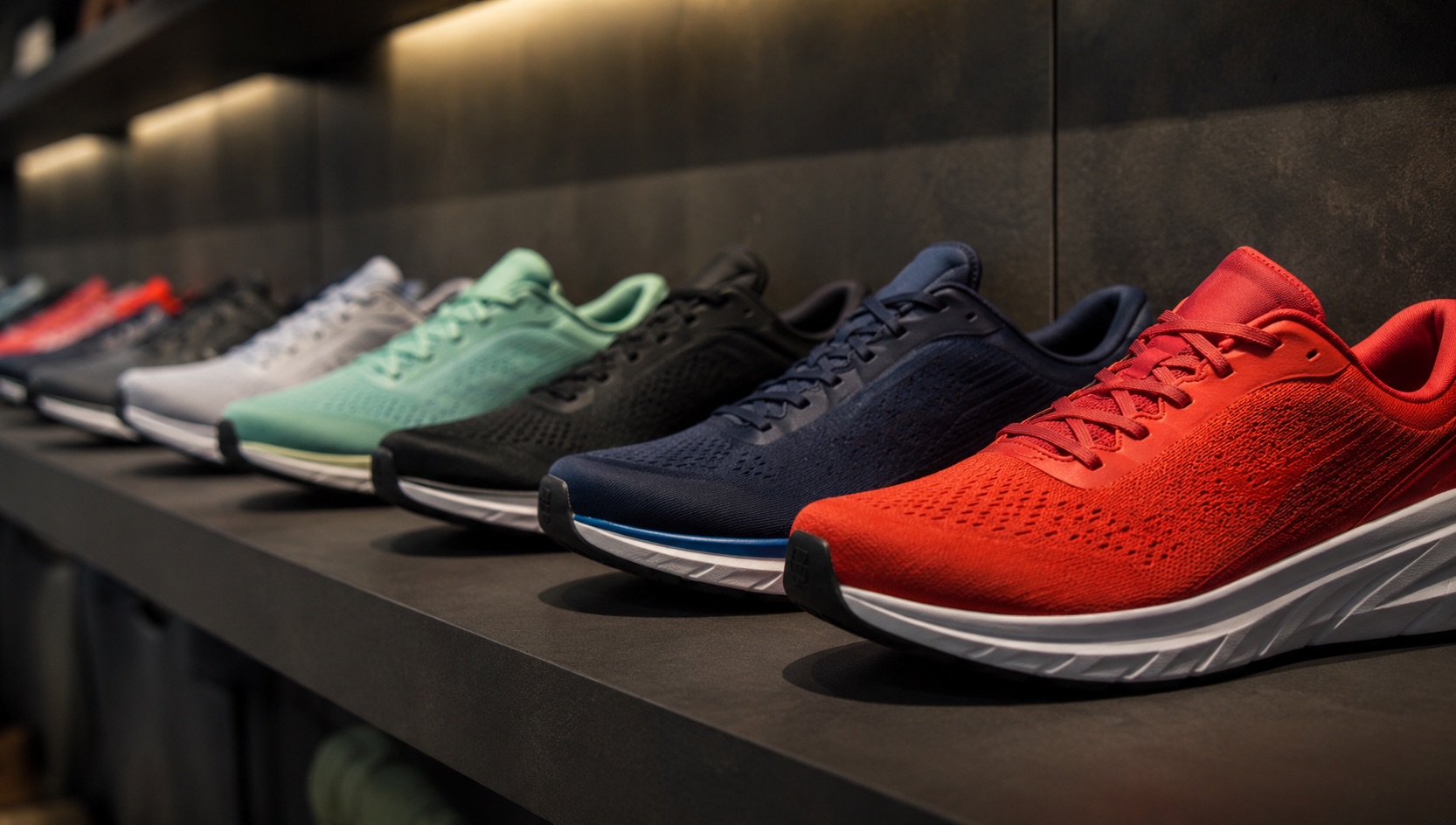
Shoes: Nike Vaporfly 4
I’ve raced in the Vaporfly since the Vaporfly 2 days. The 4 is the current version and it’s what I know. The carbon plate and ZoomX foam genuinely help at marathon pace. I feel the energy return in the last 10km when fatigue sets in and my form starts to break down.
Important details: I size up half a size for marathon distance because feet swell. I’ve tested these in at least three 30km+ training runs before racing in them. The break-in is minimal, but I still put 50-80km on a race pair before using them in a marathon. I keep a dedicated pair only for races and key workouts, so the foam is still fresh.
Singlet: Ultra-Thin Racing Singlet (20-30g)
The thinnest, lightest singlet I can find. No seams in friction areas (nipple line, armpit). I’ve tested multiple brands and landed on a competition-weight singlet that’s essentially mesh. Breathability is the priority. In cooler conditions (under 10°C at the start), I’ll add arm sleeves (see below) rather than a heavier top.
The singlet gets body-glided at every potential friction point before I put it on. Nipple area, underarms, sides. This is non-negotiable after the blood-stained singlet incident at marathon number 2.
Shorts: Split Shorts with Brief Liner
Short split shorts. Not half-tights, not 5-inch inseams. Short, light, with built-in briefs so nothing moves around. The split design allows full range of motion in the hip flexors without fabric catching.
I body-glide the inner thigh area. At marathon distance, chafing is cumulative. What feels fine at km 5 can be raw by km 35.
Socks: Thin Racing Socks
The thinnest performance socks available. No extra cushioning (my shoes handle that). Seamless toe construction is essential. I’ve gotten blisters from sock seams that moved during a marathon, so this is a detail I’ve learned to respect.
Cap: Lightweight Running Flat Cap
A flat cap (not a peaked cap, not a visor) that sits close to my head. Serves two purposes: keeps sun off my face and absorbs sweat before it reaches my eyes. In rain, the brim keeps water off my face. I soak it in water at aid stations when it’s hot. Weighs almost nothing.
Arm Sleeves: For Cold Starts
Most spring marathons start cool (8-12°C) and warm up. I don’t want to overdress for the start and overheat by km 15. Arm sleeves solve this perfectly: warmth at the start, and I can push them down to my wrists or tuck them into my shorts as temperature rises. Much better than a throwaway top because I can adjust without discarding.
Watch: Garmin Forerunner 965
Set up the night before with a dedicated race screen showing: current pace, average pace, lap pace (per km), elapsed time, and heart rate. I don’t need maps, music, or any other data field during a marathon. Those five metrics tell me everything.
The key setting: auto-lap every kilometer with a vibration alert. This gives me per-km pacing feedback without looking at the watch constantly. I glance at it once per km when it buzzes, check if I’m on target (4:12-4:15/km for sub-3), and adjust.
Race Day Gear: What I Carry/Use
Fueling: Maurten Gel 100 (7 gels, specific timing)
This is the area where I made the most expensive mistakes early in my marathon career. I’ve now dialed in a protocol tested across 5 sub-3 attempts:
- Gel 1: 15 minutes before start
- Gel 2: km 8
- Gel 3: km 15
- Gel 4: km 21 (halfway)
- Gel 5: km 27
- Gel 6: km 33
- Gel 7: km 37
That’s approximately every 6km after the initial gel, with slightly closer spacing in the second half when glycogen depletion accelerates. Maurten gels specifically because they don’t cause GI issues for me at race pace (I’ve tested many brands that do). The hydrogel formulation seems to sit better in my stomach when I’m at 85-90% effort.
I carry gels in the waistband of my shorts (3 on each side, tucked between the brief liner and outer short) and one in my hand at the start. For detailed fueling strategy, see my marathon fueling article.
Anti-Chafe: Vaseline
Applied to: nipples, inner thighs, underarms, anywhere the singlet seam touches skin, feet (between toes and on potential blister spots). This takes 3 minutes on race morning and prevents hours of post-race misery. I use actual vaseline, not the “sports” branded versions that cost three times as much for the same product.
Timing Chip
Attached to my shoe the night before using the shoe-lace attachment. I double-check it’s secure because losing a chip means no official time. Some races provide bib-attached chips, in which case I pin my bib with 4 safety pins (not 2, they flap with 2) the night before as well.
The Complete Race Day Gear Table
| Item | Brand/Model | Why This Specific One | Backup Option |
|---|---|---|---|
| Racing shoes | Nike Vaporfly 4 (half size up) | Tested over 8 marathons, carbon plate helps late-race efficiency | Alphafly 3 (heavier but more cushion for bad days) |
| Singlet | Competition-weight mesh singlet | Sub-30g weight, no seams on nipple line, maximum breathability | Any thin, seamless tech singlet tested in training |
| Shorts | Split shorts with brief liner | Full hip ROM, built-in support, lightweight | Tested half-tights if chafing is historically bad |
| Socks | Thin seamless racing socks | Minimal bulk, no seam over toes, proven blister-free | Same brand, spare pair in drop bag |
| Cap | Lightweight flat running cap | Low profile, absorbs sweat, soakable for cooling | Visor (less heat management but lighter) |
| Arm sleeves | Compression arm warmers | Adjustable warmth layer, can remove mid-race without discarding | Throwaway long sleeve from charity shop |
| Watch | Garmin Forerunner 965 | Big screen, accurate GPS, custom race data screen | Any GPS watch with km alerts set up the night before |
| Gels | Maurten Gel 100 x7 | No GI distress at race pace, tested extensively | Maurten Caf 100 for gels 5-7 if caffeine is needed |
| Anti-chafe | Vaseline (small tub) | Reliable, cheap, effective everywhere | Body Glide stick (easier to apply, less effective coverage) |
| Timing chip | Race-issued | Secure with chip band on shoe or bib with 4 pins | N/A (provided by race, but double-check attachment) |
| Race bib | Race-issued | 4 safety pins, attached night before, positioned for chip reading | Bib belt if pins irritate skin (test in training first) |
| Sunglasses (if sunny) | Lightweight sport sunglasses | Reduce squinting, save energy, prevent headache from glare | Cap brim for shade if sunglasses fog or bounce |
The Night-Before Routine
Everything is laid out on a chair or table the night before. Shoes with chip attached. Singlet and shorts body-glided and ready. Gels counted (7, always count them). Watch charged and race screen configured. Cap, sleeves, socks, sunglasses if forecast says sun.
I also set out:
- Post-race: warm layer, slides or flip-flops, recovery drink
- Bag for morning drop: warm tracksuit, extra water, phone charger, cash for parking
- Breakfast items ready: oats, banana, coffee, water (consumed 3 hours before start)
Race Morning Timeline
For a 10:00am start (adjust proportionally):
- 6:30am: Wake up, breakfast (oats with banana, coffee)
- 7:30am: Leave for venue (always earlier than needed, parking is chaos)
- 8:30am: Arrive, find parking, use toilets (queue will be long)
- 9:00am: Warm-up walk, light stretching, find start corral
- 9:30am: Apply vaseline, position gels in shorts, arm sleeves on
- 9:45am: First gel, sips of water, start warm-up jog (5 min easy)
- 9:55am: In start corral, watch set to correct screen, ready
The biggest lesson from 8 marathons: arrive earlier than you think you need to. The stress of rushing, not finding toilets, or missing your corral placement is an energy drain you don’t need before a 3-hour effort.
For a more comprehensive race day checklist covering all marathon distances and goals, see our marathon race day checklist. And for carbon plate shoe options if you’re considering alternatives to the Vaporfly, check our carbon plate racing shoe guide.
What I’ve Learned Across 8 Marathons
Shoes matter most in the last 10km. The carbon plate doesn’t feel different at km 5. It feels different at km 35 when your calves are shot and the plate provides mechanical propulsion that your muscles can no longer generate efficiently.
Fueling mistakes compound. Missing one gel at km 15 doesn’t feel bad at km 15. It feels catastrophic at km 33 when you’ve been running a glycogen deficit for 18km. Stay on schedule even if you don’t feel hungry.
Temperature management is worth the extra items. I’d rather carry arm sleeves I don’t need than wish I had them at km 3 when I’m cold and tense. Cold muscles at the start cost energy. Overheating at km 20 costs more.
Simple gear, zero distractions. I don’t run with music in a marathon. I don’t carry my phone. I don’t check social media at aid stations. For sub-3, every second of attention should be on pacing, fueling timing, and body feedback. There’s nothing on my phone worth 4:15/km focus.
For gel recommendations and how to choose between brands, our running gels guide has the full breakdown.
FAQ
Why 7 gels? Isn’t that too many for a marathon?
At sub-3 marathon effort (approximately 85-90% max HR), you’re burning roughly 700-900 calories per hour, mostly from carbohydrates. Over nearly 3 hours, that’s substantial glycogen depletion. Each gel provides about 25g of carbs. Seven gels gives me 175g total, which combined with pre-race breakfast loading, keeps me fueled to the finish. Research suggests 60-90g of carbs per hour is optimal for marathon effort. My protocol delivers approximately 50-60g/hour, which works for my body.
Do you really need carbon plate shoes for sub-3?
No. I ran 2:57 in non-carbon-plate shoes before the Vaporfly existed. They help, the research suggests 1-3% improvement in running economy, which over a marathon is 2-5 minutes. That’s meaningful when you’re chasing a specific time. But a runner with 2:55 fitness in regular trainers won’t suddenly go sub-3 in Vaporflys. The fitness has to be there first.
What’s your backup plan if it rains on race day?
Cap becomes essential (keeps rain off face and out of eyes). I apply extra vaseline everywhere because wet skin chafes faster. I don’t wear a jacket, the pace keeps me warm enough and jackets restrict movement and cause overheating. Gels go in a small ziplock bag tucked into my shorts to keep the wrappers dry and tearable. Biggest rain risk: slippery road markings and puddles hiding curbs.
How do you carry 7 gels without them bouncing?
Three on each side of my waistband, tucked between the inner brief liner and the outer short fabric. They sit flat against my hips. One gel in hand at the start (consumed before the gun). After each gel is consumed, the remaining ones redistribute. By km 33, I only have two left and they’re barely noticeable. I’ve tested this carry method on every long run over 25km.
Is the Garmin FR965 necessary or would a cheaper watch work?
Any GPS watch with customizable data fields and auto-lap alerts works fine. I use the FR965 because I already own it, the screen is large and readable at pace, and the GPS accuracy is excellent for marathon courses (urban canyons, tunnels). For a sub-3 attempt, you need accurate pace data per km, a heart rate display, and vibration alerts. A Garmin 265 or Coros Pace 3 would do the same job at half the price.