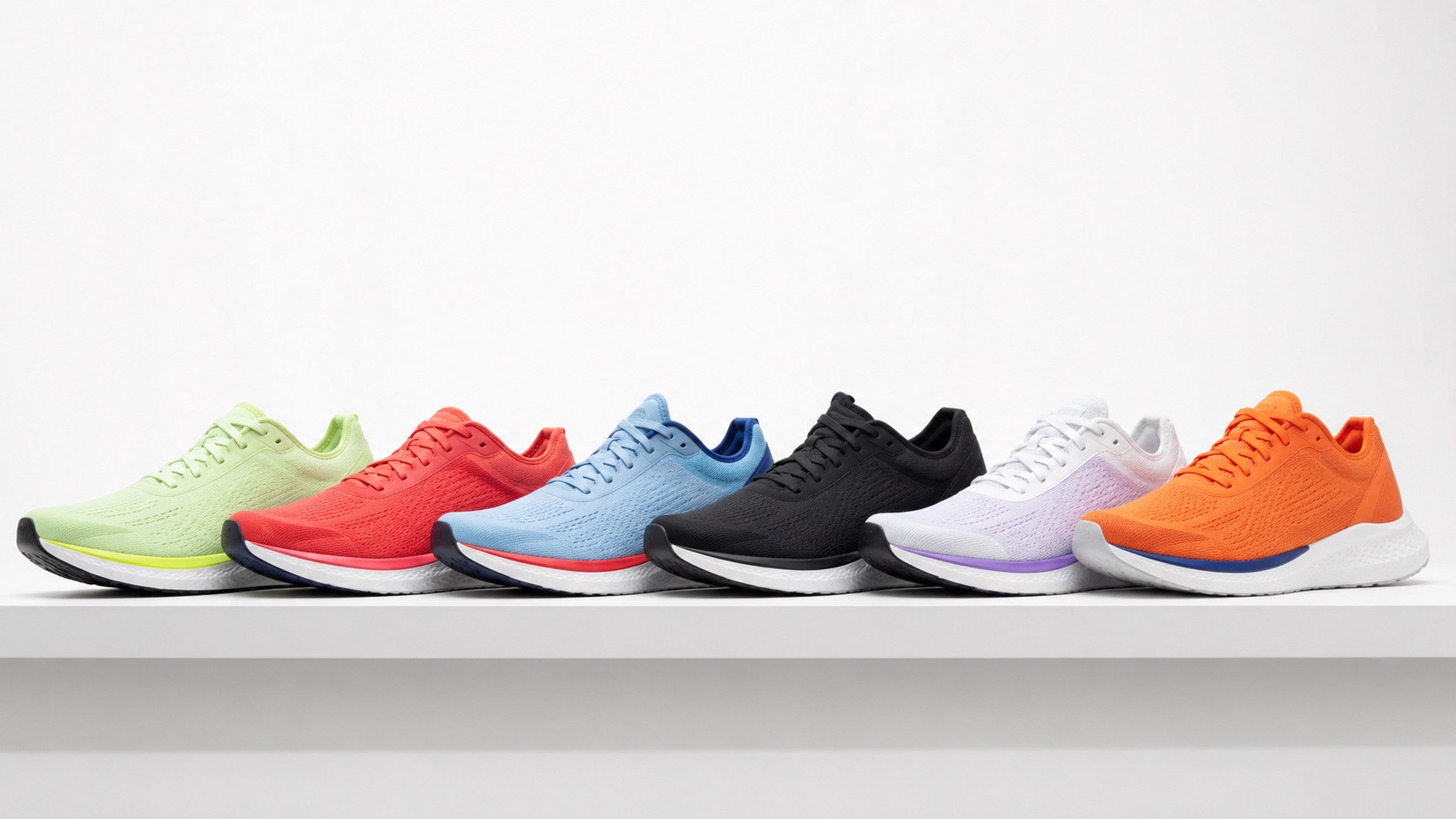
Hoka Bondi 9 After 600km: Honest Long-Term Review
I’ve been running in the Hoka Bondi 9 since early January. It was my first real max cushion shoe, and I bought it specifically for recovery runs and easy long runs after reading all the hype about how plush and protective it is. Six months and 600 kilometers later, I have thoughts. Some good, some less flattering, all honest.
If you’re looking at the Bondi 9 and wondering whether it’s worth $165, or whether it actually holds up past the first 200 km, this is the review for you.
The Basics
The Bondi 9 is Hoka’s max cushion daily trainer. It sits above the Clifton in their lineup, with more stack, more foam, and more of that signature Hoka pillowy feel. Here are the numbers that matter:
| Spec | Detail |
|---|---|
| Price | $165 |
| Weight | 10.8 oz (men’s US 9) |
| Drop | 4mm |
| Stack Height | 38mm heel / 34mm forefoot |
| Midsole | Compression-molded EVA |
| Outsole | Durabrasion rubber |
| Best For | Easy runs, recovery, long runs |
At 10.8 oz, this is not a light shoe. You notice it when you pick it up. You notice it less when you’re actually running, but it’s still there. If you’re coming from something like the ASICS Novablast 5 at 8.9 oz, the Bondi feels like a tank by comparison.
The 4mm drop is low. Lower than most daily trainers. If you’re used to 8mm or 10mm drops, give yourself a week or two to adjust. Your calves will thank you, or more accurately, they won’t punish you if you ease into it.
What I Use It For
I bought the Bondi 9 for two specific jobs: recovery runs the day after hard efforts, and long easy runs on weekends. I don’t use it for tempo work. I don’t use it for intervals. I tried once, at around 150 km, and it was like running in hiking boots. The shoe has zero interest in going fast, and I’ve accepted that.
For recovery runs, which for me are 6 to 8 km at 5:45 to 6:15 min/km pace, the Bondi is genuinely excellent. Your legs feel protected. Your joints feel cushioned. You finish feeling better than you started. That’s the whole point, and the shoe delivers.
For long easy runs, 15 to 22 km at whatever pace feels comfortable, the Bondi is also good but with a caveat I’ll get into below. Suffice it to say the shoe is at its best in the first 12 to 15 km, and after that things get a bit more complicated.
What’s Good
The cushioning is real. This isn’t marketing fluff. The Bondi 9 has a thick slab of compression-molded EVA that genuinely absorbs impact. On easy runs, you feel the difference versus a regular daily trainer. Landing on concrete feels softer. Your knees and ankles take less punishment. For recovery days, this matters.
The upper is comfortable. The engineered mesh breathes well, fits true to size, and doesn’t create hot spots. I’ve never had a blister in this shoe. The tongue is padded and stays in place. The heel collar locks your foot in without being aggressive. It’s a well-designed upper that prioritizes comfort, which is exactly what a max cushion shoe should do.
The 4mm drop works. I was skeptical at first, coming from 8mm and 10mm drop shoes. But the low drop encourages a midfoot strike that feels natural at easy paces. Your stride shortens slightly, your cadence increases a touch, and the whole gait cycle feels smoother. It took about a week to adjust, and now I prefer it for easy runs.
It’s durable for a Hoka. This might surprise people who’ve owned Hokas before. The Bondi 9 holds up better than the Clifton, which packs out faster. At 600 km, the shoe is still functional. Not at 100%, but functional. More on durability below.
What’s Not Good
It’s heavy. 10.8 oz is heavy for a daily trainer in 2026. Most of the best daily trainers weigh between 8.5 and 9.5 oz. The Bondi is a full ounce or more heavier than most competitors. On short recovery runs, I don’t care. On long runs past the 15 km mark, I start to notice the weight dragging on my legs. By km 18 or 20, the shoe feels heavier than it did at the start, and I’m not sure if that’s the shoe or my fatigue, but it’s consistent enough that I think the shoe contributes.
The midsole compresses unevenly. Around the 300 km mark, I noticed the cushioning felt different under the forefoot versus the heel. The heel still felt plush, but the forefoot started feeling firmer. By 500 km, the difference was obvious. The forefoot cushioning has packed out more than the heel, which changes the ride. It’s not uncomfortable, but it’s not the same shoe it was at 100 km.
Zero energy return. This is not a bouncy shoe. The EVA midsole absorbs impact but doesn’t give anything back. On recovery runs, that’s fine. You don’t want bounce. But on long easy runs, especially when you’re feeling good and want to pick it up slightly in the last 5 km, the Bondi doesn’t cooperate. It just sits there, soft and dead. If you want energy return, look at the Saucony Endorphin Speed 4 or even the ASICS Novablast 5.
The price is high for what it is. $165 for a compression-molded EVA shoe with no plate, no super foam, and no real technology beyond “thick foam” is steep. The Nike Pegasus 42 costs $140 and does more. The Novablast 5 costs $140 and is more fun. The Bondi 9 is a specialist shoe priced like a generalist, and that rubs me the wrong way.
Durability After 600km: The Honest Breakdown
Here’s where I’ll give you the real numbers, because this is what nobody talks about enough.
Cushioning: 65% of original. The heel still feels decent. The forefoot does not. If I had to put a number on it, the heel is at maybe 75% of its original plushness, and the forefoot is at 55%. The overall ride has firmed up noticeably. It’s not dead, but it’s not the cloud it was at 100 km. I think 600 to 700 km is the realistic lifespan for the cushioning before it stops being a max cushion shoe and starts being just a heavy shoe.
Outsole: Holding up well. The Durabrasion rubber on the Bondi 9 is actually decent. I run mostly on roads and concrete paths, and the outsole rubber shows wear but hasn’t worn through anywhere. The high-wear zones under the forefoot and heel are smoothed down but still functional. I’d estimate the outsole has another 200 to 300 km left in it, which means the cushioning will die before the outsole does. That’s backwards from what you’d want.
Upper: Surprisingly good. The mesh hasn’t torn, the heel collar hasn’t collapsed, and the laces are fine. There’s some discoloration from sweat and dirt, but structurally the upper is in great shape. This is honestly the most durable part of the shoe. If the midsole held up as well as the upper, this would be an 800+ km shoe easily.
Insole: Flattened. The stock insole has compressed and lost most of its cushioning. I replaced it with a Superfeet insole around the 400 km mark, which added some life back to the ride. If you’re buying the Bondi 9, budget for an aftermarket insole.
How It Compares to Other Max Cushion Shoes
I’ve run in a few other cushioned shoes, so here’s how the Bondi 9 stacks up.
Vs. Brooks Ghost Max 3: The Ghost Max 3 is heavier (11.2 oz) but has DNA LOFT v3, which is a better foam. It holds its shape longer and provides more consistent cushioning over time. The Ghost Max 3 also has more rubber coverage on the outsole. If durability matters more than the low-drop Hoka fit, the Ghost Max 3 is the better buy. But it’s $160, so the price difference is negligible.
Vs. New Balance Fresh Foam X 1080v14: The 1080v14 at $165 is the same price but lighter at 10.4 oz. The Fresh Foam X midsole has more energy return than the Bondi’s EVA, and the shoe is more versatile. You can actually pick up the pace in the 1080v14. The Bondi is plusher, but the 1080v14 is the better all-around shoe. If you want max cushion that can also handle moderate efforts, the 1080 wins.
Vs. ASICS Gel-Nimbus 27: The Nimbus is the closest competitor in terms of philosophy. Both are max cushion, both prioritize comfort over performance. The Nimbus uses FF Blast Plus Eco, which is bouncier and lasts longer than the Bondi’s EVA. At 10.6 oz, it’s slightly lighter. The Nimbus is the better shoe, honestly. Hoka loyalists will disagree, but the numbers and the ride don’t lie.
If you want a full breakdown of cushioned options, our best daily trainers 2026 guide covers the whole range.
Who Should Buy the Hoka Bondi 9
The Bondi 9 is for a specific runner. Not everyone. Here’s who it works for:
Runners with joint issues who need maximum protection. If your knees, hips, or ankles are beaten up and you need a shoe that absorbs as much impact as possible, the Bondi delivers. The thick EVA midsole genuinely reduces stress on your joints.
Recovery day specialists. If you have a shoe rotation and need one shoe specifically for the day after hard efforts, the Bondi is excellent at that job. It’s a one-trick pony, but it’s a good trick.
Hoka fans who want more cushion than the Clifton. If you love Hoka’s fit and low drop but find the Clifton 10 not cushioned enough, the Bondi is the logical step up.
Runners who log high mileage on hard surfaces. If you’re running 60+ km per week on concrete and asphalt, the cumulative impact adds up. The Bondi helps reduce that load on easy days.
Who Should NOT Buy It
Runners who want one shoe for everything. The Bondi can’t handle tempo work, intervals, or anything faster than easy pace. If you only own one pair of running shoes, buy something more versatile like the Novablast 5 or Saucony Ride 18.
Budget-conscious runners. At $165, you’re paying a premium for a shoe with a limited use case. The best budget running shoes under $100 give you more versatility for less money.
Runners under 70 kg. If you’re lighter, you don’t need this much cushion. A lighter, more responsive shoe will serve you better. The Bondi’s thick midsole doesn’t compress as much under lighter runners, which means you lose the plush feel that makes the shoe worthwhile in the first place.
Speed-focused runners. If you care about pace even a little bit on your easy days, the Bondi will frustrate you. It’s slow. By design.
The Verdict After 600km
The Hoka Bondi 9 is a good shoe that does one thing very well: protect your legs on easy and recovery runs. It’s comfortable, the upper is durable, and the low drop works well at slow paces.
But it’s also heavy, expensive for what it offers, and the midsole compresses faster than it should. After 600 km, I’m getting maybe 100 to 150 more kilometers before the cushioning is too far gone to justify using it. That’s a 700 to 750 km lifespan from a $165 shoe, which works out to roughly $0.22 to $0.24 per kilometer. That’s not terrible, but it’s not great either.
Would I buy it again? Probably not. The New Balance 1080v14 or ASICS Gel-Nimbus 27 offer better cushioning technology, more versatility, and similar or better durability at the same price or less. The Bondi 9 is a solid choice if you’re already in the Hoka ecosystem and love the fit, but it’s not the best max cushion shoe you can buy in 2026.
Rating: 7/10. Good at its specific job, but overpriced and outclassed by the competition.
Frequently Asked Questions
How long does the Hoka Bondi 9 last?
Based on my experience, expect 600 to 750 km before the cushioning degrades enough to notice. The outsole and upper will outlast the midsole, so the cushioning is the limiting factor. If you’re lighter, you might get closer to 800 km. Heavier runners should plan for 600 km or less.
Is the Hoka Bondi 9 good for bad knees?
Yes, this is one of the shoe’s strengths. The thick EVA midsole absorbs significant impact, which reduces stress on knee joints. If you have knee issues and need maximum cushioning for easy runs, the Bondi 9 is a solid option. Just know it’s not a cure, and you should still address the root cause of knee pain through strength training.
Can you use the Hoka Bondi 9 for marathon training?
You can use it for easy and recovery runs within a marathon training plan, but not for tempo runs, intervals, or the marathon itself. The Bondi is too heavy and too slow for any quality work. Pair it with a faster shoe for your marathon training rotation.
What’s the difference between the Hoka Bondi 9 and Clifton 10?
The Bondi 9 has more stack height (38mm vs 33mm heel), more cushioning, and weighs more (10.8 oz vs 8.9 oz). The Clifton 10 is lighter and more versatile but less cushioned. The Bondi is specifically for max cushion easy runs, while the Clifton 10 can handle a wider range of paces and run types.
Is the Hoka Bondi 9 worth $165?
At full price, it’s a tough sell. The cushioning technology is basic compression-molded EVA, which doesn’t justify the premium. Competitors like the New Balance 1080v14 and ASICS Gel-Nimbus 27 offer better foam compounds at similar prices. If you can find the Bondi 9 on sale for $120 to $130, it’s a much better value proposition.