Best Garmin Alternatives for Runners 2026 (Save $200+)
Garmin makes excellent running watches. Nobody’s denying that. But let’s be honest - their pricing has gone bonkers. A Forerunner 265 costs $450 now. The Fenix 8? Over a grand. For what is essentially a wrist computer that tells you how far you ran and how tired you are.
Here’s the thing: in 2026, the competition has caught up. Brands like COROS, Polar, Suunto, and even Apple are shipping watches that match or exceed Garmin’s running features at significantly lower prices. I’m talking $200+ in savings without meaningful sacrifices in GPS accuracy, training metrics, or battery life.
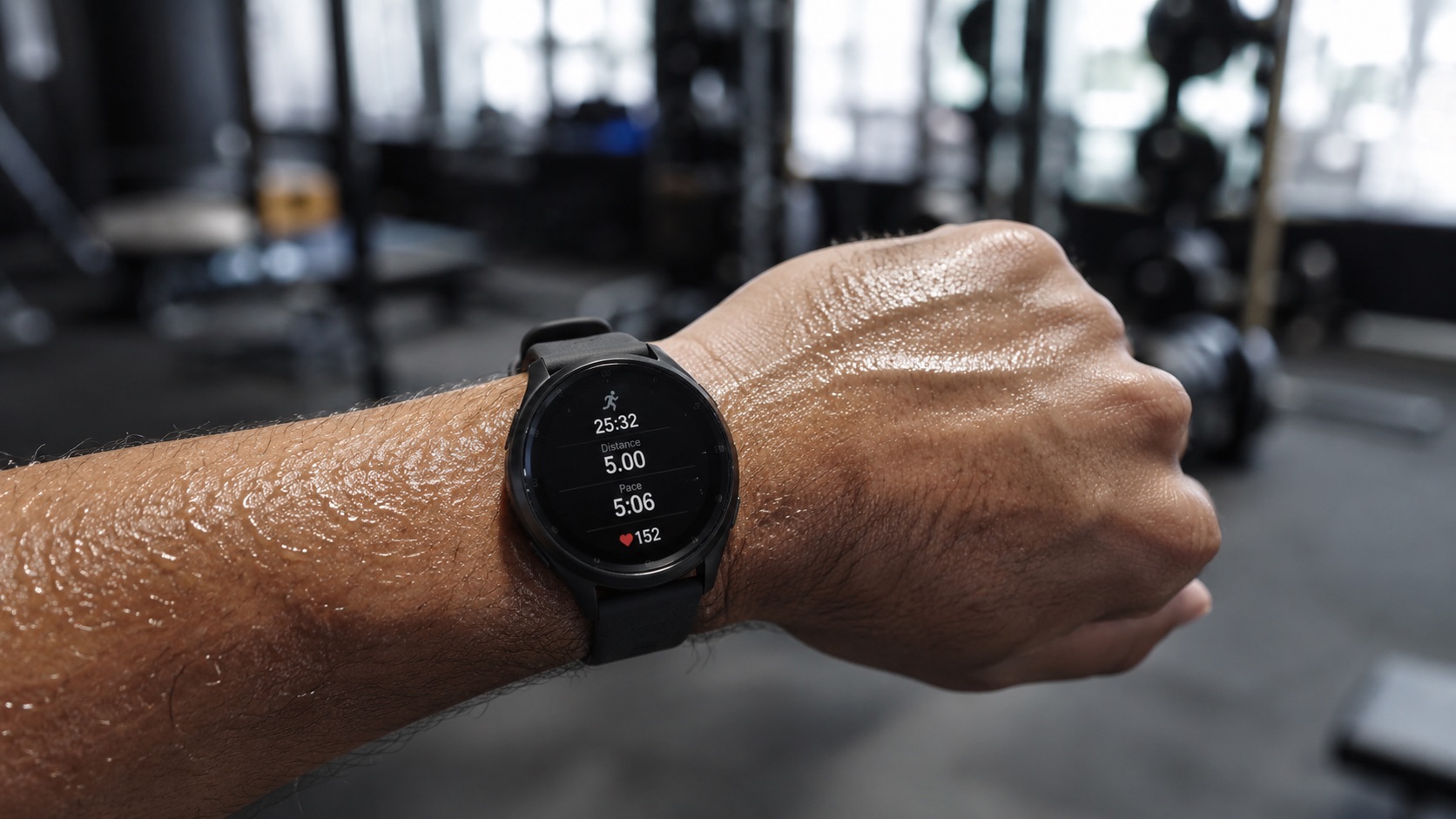
I’ve worn most of these watches on real training runs - tempo workouts, long runs, track sessions - and I’m going to give you the honest breakdown of where they shine and where they fall short compared to Garmin.
Why Look Beyond Garmin?
Don’t get me wrong. If someone handed me a free Garmin Fenix 8, I’d happily wear it. The ecosystem is mature, Connect IQ has apps for everything, and the hardware is built like a tank. But there are legitimate reasons to look elsewhere:
Price creep. Garmin prices have increased 15-25% over the last three years while competitors have held steady or dropped prices. You’re paying for the brand name at this point.
Feature parity. COROS now matches Garmin on training load, recovery metrics, maps, and multi-band GPS. Polar’s training algorithms are arguably better for periodization. Suunto’s hardware rivals Fenix quality.
Subscription concerns. While Garmin hasn’t gone full subscription yet, their recent “Connect+” tier for advanced analytics is a worrying signal. COROS and Polar give you everything upfront.
Simplicity. Some runners don’t need 47 widgets and data screens. A cleaner, focused watch can be a better training partner.
If you’ve been comparing options, you might want to check out our detailed comparison of Garmin vs COROS vs Apple Watch for a deep-dive on ecosystem differences.
The Best Garmin Alternatives for Runners
COROS Pace 4 - Best Overall Alternative ($350 vs Garmin FR265 at $450)
The COROS Pace 4 is the watch I recommend most often to runners switching from Garmin. It’s $100 cheaper than the Forerunner 265 and genuinely matches it feature-for-feature in most areas.
What you get: AMOLED touchscreen, multi-band GPS, full training metrics (Training Load, Recovery, VO2 Max estimation), running power from the wrist, maps with navigation, and 10 days of battery in GPS mode. The running dynamics are solid without needing an external pod, and the EvoLab training platform has matured significantly.
Where it beats Garmin: Battery life (10 days GPS vs 7 on the FR265), price, and the free training platform with no hint of subscriptions. COROS also pushes firmware updates that add meaningful features - they added hill training and altitude performance profiles in late 2025.
Where Garmin still wins: Music storage and streaming integration, third-party app ecosystem (Connect IQ), and the sheer depth of customization options. If you live in Garmin Connect and use its social features, switching takes adjustment.
Who it’s for: Runners who want serious training data without paying Garmin tax. Perfect for 5K to marathon distances.
Polar Pacer Pro - Best for Training Intelligence ($280 vs Garmin FR265 at $450)
Polar doesn’t get the hype COROS does, but runners who care about training smarter rather than just training with more data should pay attention. The Pacer Pro at $280 is a stunning $170 cheaper than the FR265.
What you get: Barometric altimeter, GPS + GLONASS, running power from the wrist, Training Load Pro with cardio/muscle/perceived load breakdown, FitSpark daily training guides, sleep tracking with Nightly Recharge, and Polar’s legendary heart rate accuracy.
Where it beats Garmin: Training Load Pro is genuinely more useful than Garmin’s training status for periodization. It separates cardio load from muscular load, which helps you balance easy runs with speed work. The recovery tracking (Nightly Recharge) is more actionable too. And that $170 savings buys you a lot of race entry fees.
Where Garmin still wins: The Pacer Pro uses a standard LCD display (no AMOLED), has no maps, and limited smart features. Battery is fine (35 hours GPS) but not COROS-level. The Polar Flow ecosystem also has fewer users, meaning less community engagement.
Who it’s for: Data-driven runners focused on periodization and recovery. Especially good for runners following structured plans who want the watch to tell them when to push and when to rest.
Suunto Race - Best Premium Alternative ($449 vs Garmin Fenix 8 at $1000)
If you want the premium multi-sport tank without paying Garmin’s insane Fenix pricing, the Suunto Race delivers flagship quality at less than half the cost of a Fenix 8.
What you get: 1.43” AMOLED display (gorgeous), titanium bezel option, multi-band GPS, offline maps, 40+ hours GPS battery, 100m water resistance, full training metrics with SuuntoPlus integration, and a rugged build that handles ultras and trail running.
Where it beats Garmin: You’re saving over $500 for a watch that matches the Fenix 8 in build quality and outdoor capability. The AMOLED screen is stunning. Suunto’s app has improved dramatically, and their mapping solution is clean and functional.
Where Garmin still wins: Garmin’s ecosystem depth - solar charging options, Connect IQ apps, and the years of refinement in Garmin Connect’s analytics. The Fenix 8 also has a flashlight (surprisingly useful) and more third-party integrations.
Who it’s for: Ultra and trail runners who need a rugged watch with maps and long battery life but refuse to pay $1000 for a Fenix.
Apple Watch SE - Best for Casual Runners ($249 vs Garmin FR165 at $300)
For runners who don’t need 40 hours of GPS battery or training load metrics, the Apple Watch SE does the basics really well and costs less than Garmin’s entry-level option.
What you get: GPS tracking with good accuracy, heart rate monitoring, Apple Fitness integration, basic running metrics (pace, cadence, stride length), crash detection, and all the smartwatch features (notifications, Apple Pay, etc.).
Where it beats Garmin: Smartwatch functionality is miles ahead. Notifications, apps, phone integration - it’s seamless if you’re in the Apple ecosystem. The workout app has improved significantly for runners, and the price at $249 undercuts the FR165 while offering far more daily-use features.
Where Garmin still wins: Battery life (18 hours vs days on Garmin), advanced running metrics, training load tracking, and offline music without your phone. If you run for more than 6 hours without charging, Apple Watch won’t cut it.
Who it’s for: Casual to intermediate runners (under 10 hours/week) who want a great smartwatch that also tracks runs well. Not for ultra runners or those who train by metrics.
If you hate Garmin’s interface but want dedicated running features, check out our guide on the best smartwatch for runners who hate Garmin.
Amazfit T-Rex 3 - Best Budget Option ($180 vs Garmin FR55 at $200+)
Amazfit has quietly built a solid running watch lineup, and the T-Rex 3 offers shockingly good value at $180. It won’t match a Forerunner 265 in training depth, but it’s a legit running watch that costs less than dinner for two at a nice restaurant.
What you get: AMOLED display, dual-band GPS, 25-day battery life (regular use), SpO2, heart rate, basic training metrics, route navigation, and 10 ATM water resistance. The Zepp app provides VO2 Max estimates and basic training suggestions.
Where it beats Garmin: Battery life is absurd for the price. The AMOLED screen looks better than anything Garmin offers at this price point. And at $180, you can buy this watch and still have money left for a good pair of shoes compared to buying a mid-range Garmin.
Where Garmin still wins: Training metrics depth, GPS accuracy on technical trails, ecosystem maturity, and the running community. Amazfit is “good enough” for most runs but lacks the precision and insight that dedicated runners expect.
Who it’s for: New runners, budget-conscious athletes, or anyone who wants a capable GPS watch without spending Garmin money. Great first running watch.
For more options in this price range, see our roundup of budget GPS watches including Chinese brands.
Comparison Table
| Watch | Price | vs Garmin | Savings | Battery (GPS) | Display | Maps | Training Metrics |
|---|---|---|---|---|---|---|---|
| COROS Pace 4 | $350 | FR265 ($450) | $100 | 10 days | AMOLED | Yes | Advanced |
| Polar Pacer Pro | $280 | FR265 ($450) | $170 | 35 hours | LCD | No | Advanced |
| Suunto Race | $449 | Fenix 8 ($1000) | $551 | 40 hours | AMOLED | Yes | Advanced |
| Apple Watch SE | $249 | FR165 ($300) | $51 | 7 hours | OLED | No | Basic |
| Amazfit T-Rex 3 | $180 | FR55 ($200) | $20+ | 25 days | AMOLED | Basic | Moderate |
Which One Should You Pick?
- Best overall for serious runners: COROS Pace 4. It’s the closest to replacing a Garmin without compromise.
- Best for training optimization: Polar Pacer Pro. Superior training algorithms at the best price.
- Best for ultra/trail runners: Suunto Race. Fenix-level durability at half the price.
- Best if you want a smartwatch first: Apple Watch SE. Running is solid; everything else is better than Garmin.
- Best on a tight budget: Amazfit T-Rex 3. Remarkably capable for $180.
You can also browse our full best GPS watch under $300 guide for more options at that price point.
See how we compare products for our full research methodology.
FAQ
Do Garmin alternatives have accurate GPS?
Yes - in 2026, multi-band GPS has become standard across brands. COROS and Suunto use the same Sony GPS chipsets as Garmin, and independent testing shows comparable accuracy. Polar uses slightly older GPS tech but still delivers accurate pace and distance for road running. The days of Garmin having a clear GPS advantage are over.
Can I sync alternative watches with Strava and TrainingPeaks?
Absolutely. COROS, Polar, Suunto, Apple Watch, and Amazfit all sync natively with Strava. COROS and Polar also sync with TrainingPeaks, Final Surge, and other training platforms. The only thing you lose is Garmin Connect-specific features like Garmin Coach.
Is COROS really as good as Garmin for running?
For pure running metrics and GPS tracking? Yes. COROS EvoLab provides training load, recovery time, race prediction, and running power that’s on par with Garmin’s offerings. Where Garmin still leads is in smartwatch features (music, apps, payments on some models) and the depth of its ecosystem. But for running, COROS delivers.
Will I lose my training history if I switch from Garmin?
You won’t lose your Garmin Connect data - it stays there forever. For transition, you can export your activities (FIT files) and import them into the new platform. Services like Strava maintain your full history regardless of which watch you use, so your training log stays intact.
Are budget watches durable enough for marathon training?
The COROS Pace 4 and Suunto Race are built for serious abuse - they handle rain, sweat, accidental bumps, and daily wear without issue. Polar and Amazfit are a step below in terms of ruggedness but perfectly fine for road running and typical training. I’ve put 1000+ miles on COROS watches with zero durability issues.