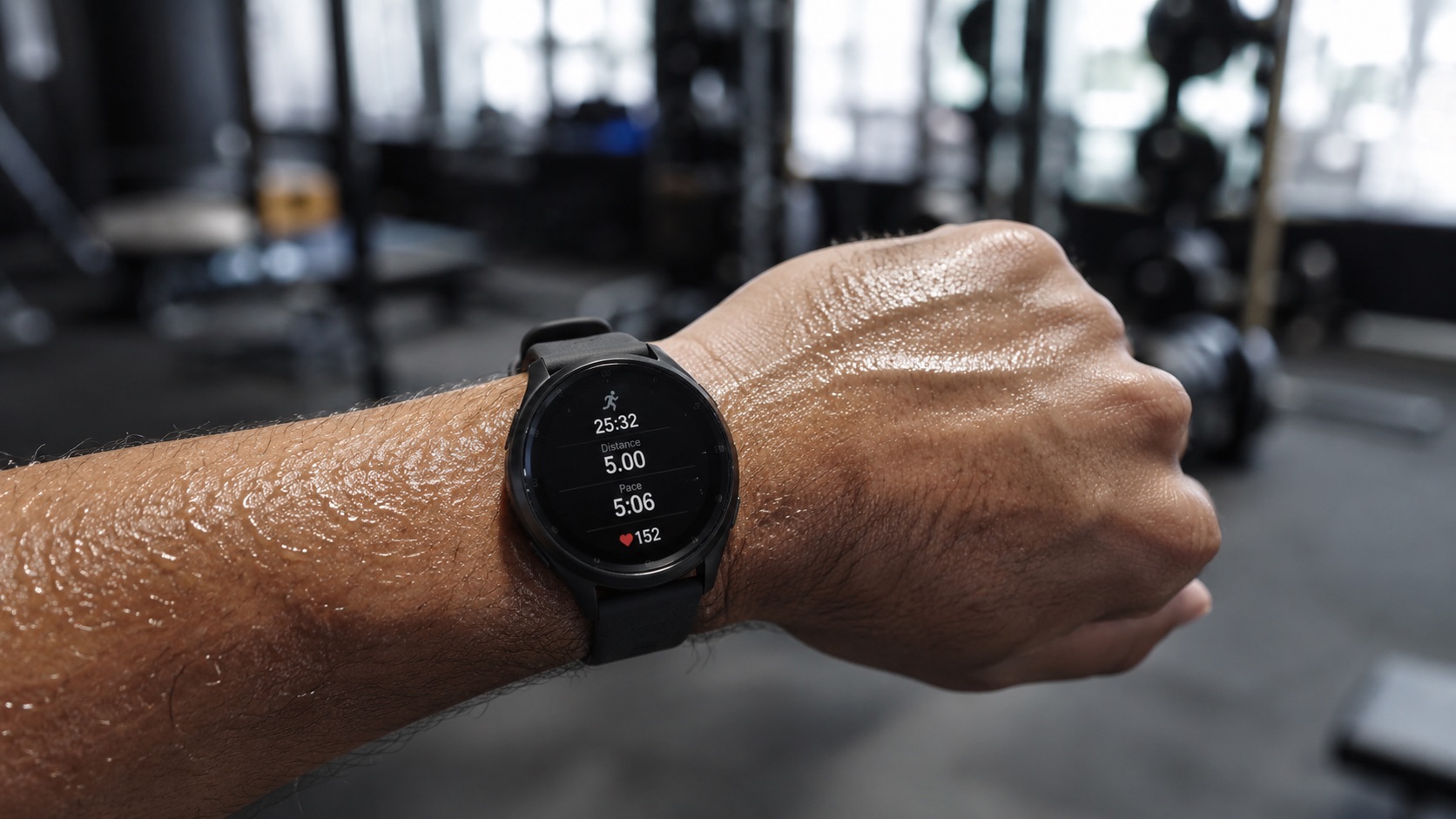
Best GPS Watch for Older Runners 2026
Best GPS Watch for Older Runners 2026
Choosing a GPS watch when you’re over 50 involves different priorities than what most running watch reviews focus on. You might care less about training load algorithms and more about being able to actually read your pace without squinting. Health monitoring features like ECG, blood oxygen, and fall detection become genuinely useful rather than gimmicks. And simplicity of interface matters when you’d rather be running than navigating menus.
This guide focuses on what older runners actually need: readable displays, straightforward operation, meaningful health features, and reliable GPS tracking. I’ve compared these watches based on feedback from runners aged 50-70 and prioritized their feedback over typical “tech reviewer” criteria.
Best GPS Watches for Older Runners - Comparison
| Watch | Price | Display | Weight | Battery (GPS) | Key Health Feature | Ease of Use |
|---|---|---|---|---|---|---|
| Apple Watch Ultra 3 | $799 | 1.9” AMOLED | 61g | 36h GPS | Fall detection + ECG | Moderate |
| Garmin Venu 3 | $450 | 1.4” AMOLED | 47g | 26h GPS | Health Snapshot + HRV | Moderate |
| Garmin FR165 | $300 | 1.2” AMOLED | 39g | 17h GPS | HR zones + alerts | Simple |
| COROS Pace 4 | $350 | 1.3” AMOLED | 33g | 41h GPS | HR monitoring | Simple |
| Polar Ignite 3 | $280 | 1.2” AMOLED | 35g | 30h GPS | Sleep analysis + Nightly Recharge | Simple |
Apple Watch Ultra 3 - Best for Safety-Conscious Runners
The Apple Watch Ultra 3 is expensive, but it’s the only watch here with genuine emergency safety features built in. Fall detection that automatically calls emergency services, crash detection, and the ability to trigger an SOS by holding the side button make it the safest watch for runners who train alone.
The 1.9” display is the largest on this list and the brightest - readable in direct sunlight without any squinting. The interface is touch-based (familiar to iPhone users) with a rotating Digital Crown that works well with sweaty fingers.
For running specifically, it provides pace, distance, heart rate zones, and route tracking. The workout app is simple to start - two taps from the watch face. Apple’s health ecosystem also provides ECG readings, blood oxygen monitoring, irregular heart rhythm notifications, and temperature sensing.
The downsides: 36-hour GPS battery means charging every other day for daily runners, it requires an iPhone, and it’s the heaviest watch on this list. But if safety features and display readability are your top priorities, nothing else compares.
Best for: Runners who train alone and want emergency safety features, or those already invested in the Apple ecosystem.
Garmin Venu 3 - Best Health Monitoring
The Venu 3 combines Garmin’s running expertise with a full health monitoring suite in a format that’s more intuitive than Garmin’s traditional watches. The large 1.4” AMOLED display is bright and clear, and the touch interface feels more modern than Garmin’s button-heavy Forerunner line.
The Health Snapshot feature lets you take a 2-minute reading that measures heart rate, blood oxygen, respiration, stress, and HRV all at once - useful for morning health checks. The Body Battery feature shows your energy levels throughout the day, helping you decide whether today is a run day or a rest day.
For running, it has full GPS tracking, pace alerts, heart rate zones, and basic training features. It’s not as deep as a Forerunner 265 for structured training plans, but it covers what most recreational runners need. The 26-hour GPS battery is adequate for daily use.
The Venu 3 also offers a wheelchair mode, nap detection, and the most comprehensive sleep tracking in Garmin’s lineup - features that appeal to health-focused users more than performance-focused ones.
Best for: Runners who want comprehensive daily health monitoring alongside solid running features.
Garmin Forerunner 165 - Best Simple Running Watch
If you want a watch that does running well without overwhelming you with features, the FR165 is the sweet spot. It has a clear 1.2” AMOLED display, simple 5-button interface (no confusing touch gestures during runs), and enough running metrics to train effectively without data overload.
Setup is straightforward - pair with your phone, sync, and go. The running screens show pace, distance, time, and heart rate by default. You can customize them, but the defaults work well for most runners. Starting a run takes one button press from the watch face.
At $300, it’s the most affordable Garmin on this list with an AMOLED display. Battery life is 17 hours in GPS mode, which is plenty for daily runners who charge once a week. It tracks heart rate continuously, monitors sleep, and provides morning reports with your readiness score.
What it lacks: no maps, no music storage, no touchscreen during activities. For many older runners, these “missing” features actually make it better - fewer things to accidentally tap or get confused by during a run.
For more details on the FR165 and how it compares in the Garmin lineup, see my Garmin beginner’s guide.
Best for: Runners who want reliable GPS tracking with a simple interface and don’t need smartwatch features.
COROS Pace 4 - Best Battery Life
If you hate charging your watch, the COROS Pace 4’s 41-hour GPS battery means you can run every day for over a week without plugging in. That alone makes it worth considering for runners who find charging routines annoying or who forget to charge regularly.
At 33g, it’s also the lightest watch on this list - you genuinely forget it’s there. The 1.3” AMOLED display is bright and readable, and the interface uses a combination of a digital dial and one button that’s intuitive once you learn it (though the initial learning curve is slightly steeper than Garmin).
Running features are comprehensive: pace, distance, HR zones, cadence, training load, and structured workouts from the COROS app. The app itself is clean and simple to navigate. Health monitoring includes heart rate, blood oxygen, and basic sleep tracking, though it’s not as comprehensive as Garmin or Apple.
The main drawback for older runners: the COROS ecosystem is smaller, meaning fewer online resources and community help if you get stuck. Garmin and Apple have much larger user communities for troubleshooting.
Best for: Runners who prioritize battery life and lightweight comfort above all else.
Polar Ignite 3 - Best for Sleep and Recovery Focus
The Polar Ignite 3 takes a recovery-first approach that resonates with older runners who’ve learned that rest is as important as training. The Nightly Recharge feature analyzes your sleep and ANS (autonomic nervous system) recovery to tell you how recovered you are each morning. The Sleep Plus Stages tracking is among the most accurate in the industry.
At $280, it’s the most affordable watch on this list. The 1.2” AMOLED display is clear and responsive, and the interface is purely touchscreen - swipe-based navigation similar to a phone. Running features include GPS tracking, heart rate zones, and FitSpark training suggestions based on your recovery status.
The Ignite 3 is less capable as a pure running watch than the Garmin options - no structured workouts, no running dynamics, and limited customization. But if your primary goals are staying healthy, sleeping well, and running at an appropriate effort based on recovery, it provides exactly the feedback you need.
Best for: Runners focused on recovery, sleep quality, and overall health management.
What Older Runners Should Prioritize in a GPS Watch
Based on feedback from dozens of runners over 50, here’s what actually matters:
- Display readability - Can you read your pace at a glance without breaking stride? AMOLED displays in bright mode solve this.
- Simple start process - Two taps or less to begin tracking a run. Anything more is friction.
- Health monitoring - Heart rate alerts for unusual readings, blood oxygen, and sleep tracking become genuinely valuable.
- Fall detection - If you run alone, this feature could save your life. Currently only Apple offers automatic emergency calling.
- Battery life - Charging tolerance decreases with age. Longer battery = less frustration.
- Comfort and weight - Heavy watches cause wrist fatigue over long runs. Under 45g is ideal.
For a broader comparison of GPS watches across all price points, see my full GPS watch rankings and the Garmin vs COROS vs Apple Watch comparison.
Getting Started with a GPS Watch After 50
If this is your first GPS watch, don’t try to use every feature immediately. Start with:
- Week 1: Just track runs - distance, time, pace
- Week 2: Add heart rate zone awareness - try to keep easy runs in zone 2
- Week 3: Look at sleep data and morning readiness scores
- Week 4: Explore additional features as curiosity drives you
This gradual approach prevents the overwhelm that causes many people to abandon their watch in a drawer. For more on starting or returning to running later in life, check my running after 40 guide.
See how we compare products for our full research methodology.
Frequently Asked Questions
Do I need fall detection in a running watch?
If you run alone - especially on trails, in early morning darkness, or in areas with limited foot traffic - fall detection is genuinely valuable. It’s not just about falling; it’s about being incapacitated after a fall and unable to call for help. The Apple Watch Ultra 3 is currently the best implementation, automatically calling emergency services if it detects a hard fall and you don’t respond within 60 seconds.
Is a smartwatch or dedicated running watch better for older runners?
It depends on your priorities. Smartwatches (Apple Watch) offer better safety features, phone integration, and broader health tracking. Dedicated running watches (Garmin, COROS, Polar) offer better battery life, more detailed running metrics, and simpler during-run operation. If you already have an iPhone and want safety features, go Apple. If you want longer battery and simpler running focus, go Garmin or COROS.
How accurate is wrist-based heart rate monitoring for older runners?
Modern optical sensors are reasonably accurate (within 3-5 BPM) for steady-state running, but they struggle with intervals and high-intensity efforts where heart rate changes rapidly. For older runners using heart rate to manage effort and stay in safe zones, wrist monitoring is adequate. If you’re on medication that affects heart rate (beta blockers, for example), consult your doctor about target zones rather than relying on age-based formulas.
Can GPS watches detect heart problems like AFib?
The Apple Watch can detect irregular heart rhythms (including atrial fibrillation) and notify you. Garmin and Polar watches do not currently offer this feature. However, a watch notification is not a medical diagnosis - it’s a prompt to see your doctor. If you have known heart conditions, discuss watch monitoring with your cardiologist as a complement to (not replacement for) medical monitoring.
What’s the easiest GPS watch for someone who’s not tech-savvy?
The Garmin Forerunner 165 or Polar Ignite 3 are the simplest to operate day-to-day. The FR165 uses physical buttons (no accidental screen touches) and has a very simple start-a-run workflow. The Polar Ignite 3 uses swipe gestures similar to a phone. Both have minimal menu complexity and clear, readable displays. Avoid the Apple Watch Ultra 3 if simplicity is your top priority - its feature density creates more opportunities for confusion.