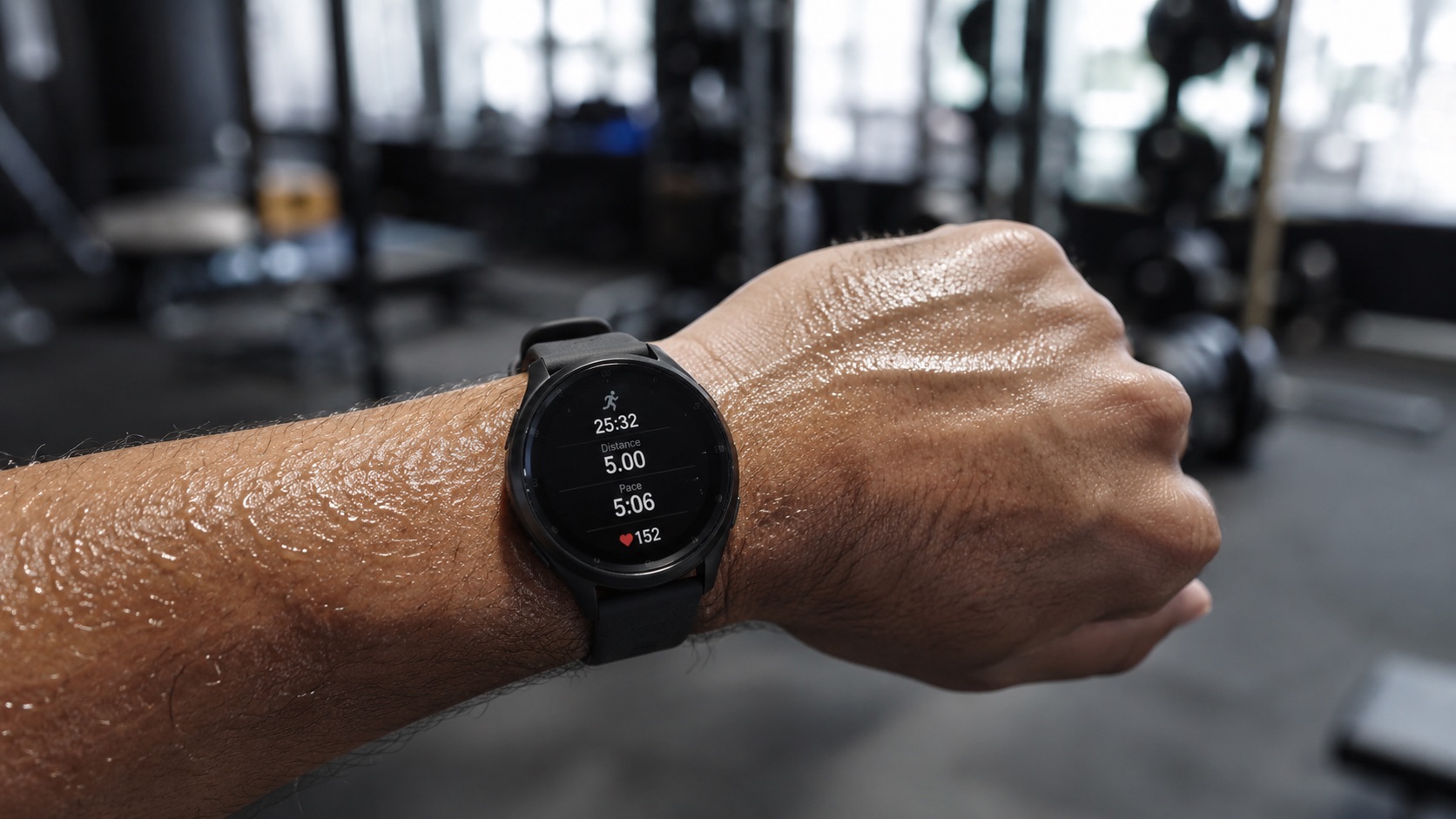
COROS Pricing 2026 - Which Model Is the Best Value?
COROS has quietly become the value king of GPS running watches. Every model in their lineup undercuts the equivalent Garmin by $50-150 while delivering comparable (and in some areas superior) training features. But with four current models spanning $229 to $600, picking the right one still requires knowing what each price tier actually gets you.
I’ve compared COROS watches extensively and tracked their pricing since the original Pace. Here’s the full breakdown of what you get at each price point, which model offers the best features-per-dollar, and who should buy which.
COROS 2026 Lineup - Full Pricing Comparison
| Feature | Pace 3 | Pace 4 | Apex 4 | VERTIX 2S |
|---|---|---|---|---|
| Display | MIP, 1.2”, always-on | AMOLED, 1.2” | MIP | MIP, 1.4”, always-on |
| GPS Chipset | Dual-frequency | Multi-band (all-satellite) | Multi-band (all-satellite) | Multi-band (all-satellite) |
| Running Power | ✅ Wrist-based | ✅ Wrist-based | ✅ Wrist-based | ✅ Wrist-based |
| EvoLab Training | ✅ Full suite | ✅ Full suite | ✅ Full suite | ✅ Full suite |
| Training Load (3-zone) | ✅ | ✅ | ✅ | ✅ |
| Effort Pace | ✅ | ✅ | ✅ | ✅ |
| Navigation/Maps | Breadcrumb only | ✅ Downloadable topo/landscape maps + turn alerts | ✅ Topo maps | ✅ Topo maps + offline |
| Music Storage | ❌ | ✅ | ✅ | ✅ |
| Touchscreen | ❌ Buttons only | ✅ Touch + buttons | ✅ Touch + buttons | ✅ Touch + buttons |
| SpO2 Sensor | ✅ | ✅ | ✅ | ✅ |
| ECG | ❌ | ❌ | ❌ | ❌ |
| Night Mode | ❌ | ✅ | ✅ | ✅ (display mode, not an LED flashlight) |
| Battery (GPS) | ~38 hours | Up to 41 hours (All Systems High) | Up to 65 hours (46mm) / 41 hours (42mm) | Up to 118 hours full GPS |
| Battery (Daily) | ~24 days | Up to 19 days | Varies by case size | Up to 36 days |
| Weight | 30g | 32g nylon / 40g silicone | Varies by case size | 70g nylon / 87g silicone |
| Case Material | Polymer | Polymer + stainless bezel | Titanium alloy | Titanium + sapphire |
| Water Rating | 5 ATM | 5 ATM | 5 ATM | 10 ATM (surface-water use; not a dive watch) |
| Storage | 4 GB | 8 GB | 32 GB | 32 GB |
| Altimeter | Barometric | Barometric | Barometric | Barometric |
| HRV Monitoring | ✅ Morning reading | ✅ Morning reading | ✅ Morning reading | ✅ Morning reading |
Value Score Analysis
September 2026 software compatibility
COROS’s September update changes the software comparison, but not every watch receives every feature. COROS lists the following model-level support:
| Model | Adventure Journal Timeline | Cycling Climb Alerts | New Voice Control commands |
|---|---|---|---|
| PACE 4 | Yes | Yes | Yes |
| APEX 4 | Yes | Yes | Yes |
| NOMAD | Yes | Yes | Yes |
| PACE Pro / PACE 3 | Yes | Yes | No |
| APEX 2 / 2 Pro | Yes | Yes | No |
| VERTIX 2 / 2S | Yes | Yes | No |
| PACE 2 / APEX Pro / VERTIX 1 / APEX 42–46 mm | Yes | No | No |
DURA already had cycling climb alerts. COROS also announced battery-usage statistics in the watch battery widget, improved elevation accuracy for imported routes, and a faster direct-transfer method for future firmware updates. Its published compatibility table does not break those three changes down model by model, so confirm availability on your device rather than assuming the whole back catalogue receives them.
The mobile-app release is rolling out through iOS and Android stores, typically over about a week. The compatible watch firmware becomes available after installing the app update, so the absence of a feature on day one does not necessarily mean the watch is excluded. COROS September 2026 update.
| Model | Price | Features Score (out of 100) | Value Score (features ÷ price × 100) | Best For |
|---|---|---|---|---|
| Pace 3 | $229 | 72 | 31.4 | Budget-conscious runners wanting full training metrics |
| Pace 4 | $350 | 85 | 24.3 | Serious runners wanting AMOLED + music + better nav |
| Apex 4 | $400 | 90 | 22.5 | Trail runners wanting maps + premium build |
| VERTIX 2S | Check current price | 94 | N/A | Ultra/adventure athletes needing extreme battery + durability |
Features scored based on: training metrics, GPS accuracy, display quality, navigation, music, build quality, battery life, additional sensors, connectivity.
The Pace 3 at $229 delivers the highest raw value - the most features per dollar spent. But value isn’t just about the math. Let me explain what each model actually feels like to own and train with.
Model-by-Model Breakdown
COROS Pace 3 ($229) - The Budget Champion
The Pace 3 is the watch that made COROS famous in running circles. At $229, it includes the full EvoLab training suite, wrist-based running power, dual-frequency GPS, 38-hour GPS battery, and weighs just 30 grams. That’s absurd value.
What you get: Everything needed for serious run training. Training Load with base/threshold/interval breakdown, Effort Pace, race predictor with confidence intervals, recovery metrics, structured workout support, and interval guidance. The GPS accuracy is excellent with dual-frequency, competitive with watches costing twice as much.
What you sacrifice: No AMOLED display (the MIP screen is always-on and great in sunlight, but less vibrant indoors), no music storage, no touchscreen, and no map navigation (breadcrumb trail only). The plastic build is functional but doesn’t feel premium.
Who should buy it: Runners who care about training data and GPS accuracy but don’t need music, maps, or a pretty display. If you want the best training watch under $300, this is it. See our full best GPS watch under $300 roundup for alternatives. It also ranks highly in our best GPS running watches 2026 list across all price points.
COROS Pace 4 ($350) - The Sweet Spot
The Pace 4 is COROS’s answer to the Garmin Forerunner 265. It adds an AMOLED display, music storage, touchscreen, turn-by-turn navigation, and a stainless steel bezel - all for $100 more than the Pace 3.
What you get over the Pace 3: The AMOLED screen is the headline upgrade - it’s vibrant, sharp, and makes the watch feel modern. Music storage means you can leave your phone at home. Turn-by-turn navigation (though not full maps) handles most route-following needs. Night mode with a backlight LED is useful for early morning runners.
What you sacrifice vs. Apex 4: No full topographic maps, polymer body (though the bezel is stainless), 8GB storage instead of 32GB. Slightly less premium feel in hand.
Who should buy it: Runners who want a modern, full-featured training watch without paying for maps they might not need. This is the direct competitor to the Garmin Forerunner 265, offering similar features for $100 less. For that head-to-head, see our FR265 vs COROS Pace 4 comparison.
COROS Apex 4 ($400) - The Trail Runner’s Pick
The Apex 4 sits between the Pace family and the VERTIX 2S. It targets trail runners who want mapping and a more rugged build without moving to COROS’s largest adventure watch.
What you get over the Pace 4: Full downloadable topo maps (not just turn-by-turn), titanium alloy construction (much more durable for trail use), 32GB storage for extensive map coverage, and a slightly more refined design. Navigation becomes genuinely useful - you can zoom, pan, and follow trails on the watch.
What you sacrifice vs. VERTIX 2S: Shorter headline GPS endurance, a lower water rating, and a different materials package. The VERTIX 2S does not have the ECG sensor or built-in LED flashlight previously claimed here.
Who should buy it: Trail runners and hikers who need real navigation but do not need the VERTIX 2S’s headline endurance or expedition-oriented materials.
COROS VERTIX 2S - The Expedition Tool
The VERTIX 2S is COROS’s adventure-focused flagship. It combines a sapphire screen, titanium bezel, 10 ATM water resistance, offline maps, and a manufacturer claim of up to 118 hours of full-GPS use.
What you get over the Apex 4: Longer headline GPS endurance, sapphire glass, 10 ATM water resistance, and an expedition-oriented build. Actual battery life depends on settings and feature use.
What you sacrifice: It is a large watch at 70g with the nylon band or 87g with the silicone band. Its extra durability and endurance may be unnecessary for short daily runs. Check current pricing rather than relying on the previous $600 figure.
Who should buy it: Ultra runners, fastpackers, mountaineers, and adventure athletes who need multi-day battery, durable materials, and offline navigation. If your longest event is a marathon, the VERTIX 2S may be more watch than you need.
COROS vs Garmin: Price-for-Price Comparison
At every price point, COROS undercuts Garmin:
- $229 (Pace 3) vs $299 (FR170): Pace 3 matches on GPS and training features, adds running power. FR170 adds AMOLED and music.
- $350 (Pace 4) vs $450 (FR265): Pace 4 matches AMOLED, music, training features. FR265 adds Training Readiness and deeper ecosystem.
- $400 (Apex 4) vs $600 (FR965): Apex 4 matches maps and titanium. FR965 adds longer battery and deeper Garmin ecosystem.
The consistent theme: COROS gives you 90% of the hardware features for 65-75% of the price. The trade-off is Garmin’s deeper software ecosystem and wider third-party integration.
For the full brand comparison, see our COROS vs Garmin 2026 complete comparison.
When to Buy: COROS Pricing Patterns
COROS discounts less aggressively than Garmin, but there are patterns:
- New model launches: Previous generation sees 20-30% discounts (Pace 2 dropped to $150 when Pace 3 launched)
- Black Friday/Cyber Monday: Typically 15-20% off current models
- Bundle deals: COROS occasionally bundles a heart rate monitor or pod with watch purchases at a discount
- Direct from COROS vs retailers: COROS.com sometimes runs exclusive sales not matched by Amazon/REI
The Pace 3 at $229 is already so well-priced that even modest $30-40 discounts make it an extraordinary deal. If you see it under $200, buy immediately.
My Recommendation by Runner Type
Beginner runner on a budget: Pace 3 ($229). Full training features, excellent GPS, lightweight. Skip the AMOLED - you’ll be running outdoors where MIP screens shine anyway.
Intermediate runner wanting the full experience: Pace 4 ($350). AMOLED screen, music freedom, turn-by-turn navigation, and all training metrics. Best balance of features and price.
Trail runner/navigator: Apex 4. Consider stepping up to the VERTIX 2S if its additional battery, water rating, and materials matter to you.
Ultra runner/adventurer: VERTIX 2S. Its up-to-118-hour full-GPS claim makes it COROS’s endurance-focused option, but always leave a safety margin for real use.
Frequently Asked Questions
Does COROS charge for software updates like some brands?
No. COROS provides free firmware updates indefinitely, and they’re known for adding significant features post-launch. The Pace 3 has received multiple major updates since release, including Effort Pace and improved navigation. This extends the value proposition beyond the initial purchase.
Is the Pace 3’s MIP display a dealbreaker?
Not for outdoor runners. MIP (Memory-in-Pixel) displays are always visible in sunlight without backlighting, which is ideal for running. They look less impressive indoors or in photos, but functionally they’re excellent for the primary use case: checking data mid-run in daylight. The trade-off is aesthetics, not functionality.
Can I use COROS watches with Strava and other platforms?
Yes. COROS syncs automatically to Strava, TrainingPeaks, Relive, and other platforms. The integration is seamless. You can also export FIT files manually. The main limitation is that COROS doesn’t have the breadth of Connect IQ-style third-party apps that Garmin offers.
How does COROS after-sales support compare to Garmin?
COROS offers a 2-year warranty on all watches (same as Garmin) and has responsive customer support. Their user community is smaller but engaged. Software support has been excellent - COROS actively develops firmware for older models longer than most competitors.
Should I wait for the Pace 5 or next model refresh?
COROS typically refreshes models every 18-24 months. If the Pace 4 launched recently, you likely have at least a year before a successor. Buy based on current needs - the Pace 3 and 4 are already excellent. Waiting for theoretical future hardware means not training with good data today.
The Bottom Line
COROS’s lineup is straightforward: every model shares the same excellent training platform, and you’re paying more for display quality, navigation depth, build materials, and battery capacity. The Pace 3 at $229 is the objective value champion, but the Pace 4 at $350 is my recommendation for most runners who want the complete modern smartwatch-meets-training-tool experience.
Whatever you choose, you’re getting a capable running watch that punches well above its price class. COROS has earned their reputation by delivering features that used to cost $500+ for half that price. The only real question is which specific features beyond the core training metrics matter to your running life.