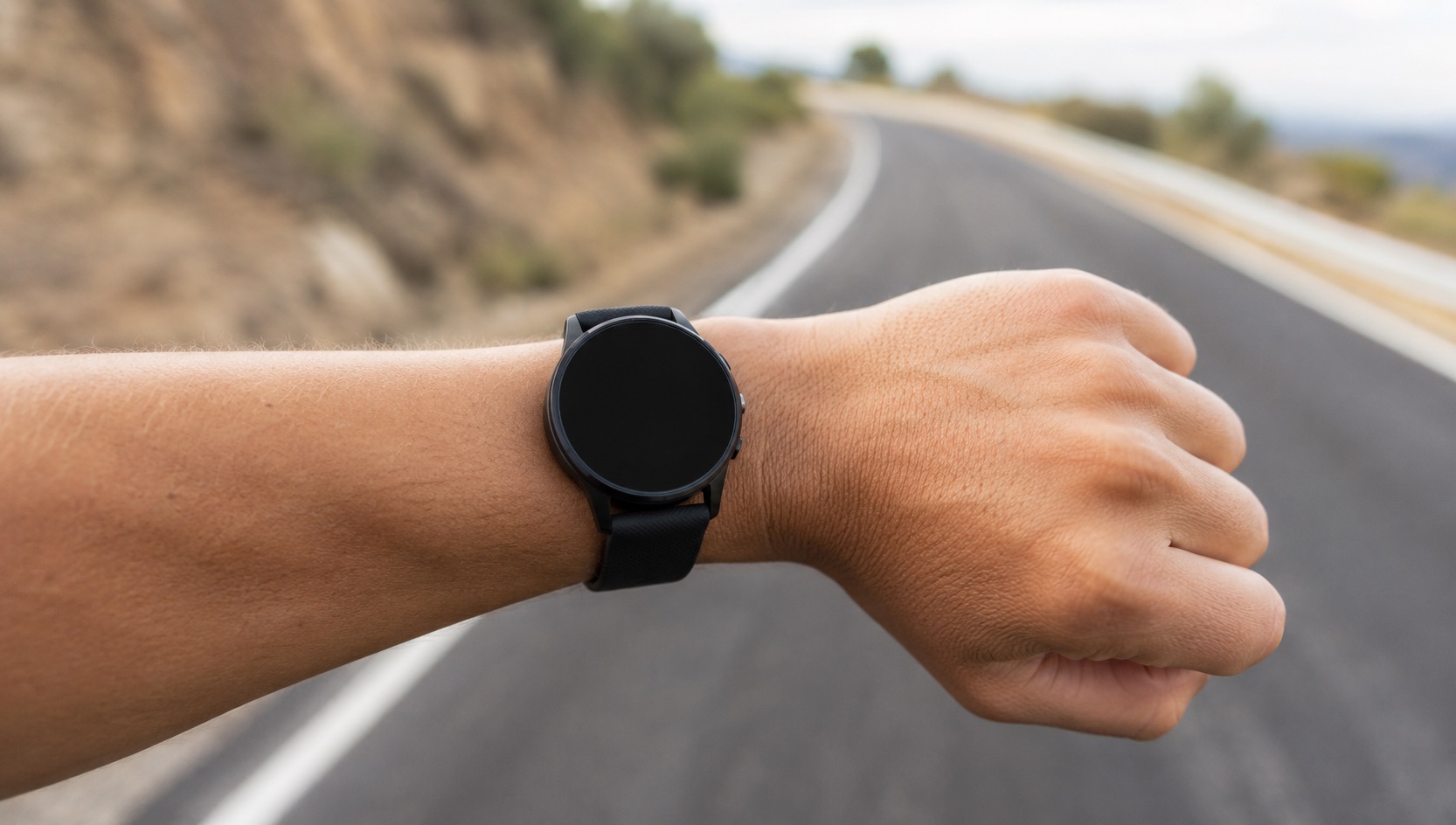
Garmin Forerunner 265 vs 965 - Is the Upgrade Worth $150?
Garmin Forerunner 265 vs 965 - Is the Upgrade Worth $150?
The Garmin Forerunner 265 and 965 run the same software, offer the same training features, and use the same sensors. The 965 costs $150 more. So what are you actually paying for?
Hardware. That’s it. The 965 has a bigger screen, a titanium bezel, slightly longer battery life, and full-color maps. Everything else - training metrics, running dynamics, recovery tools, race predictor, music, Garmin Pay - is identical between the two watches.
This makes the decision simpler than most watch comparisons, but also more personal. You’re not choosing between feature sets. You’re deciding whether physical hardware differences are worth $150 to you. Let me break down exactly what those differences are and who benefits from each.
Garmin Forerunner 265 vs 965 - Full Comparison
| Feature | FR265 | FR965 |
|---|---|---|
| Price | $450 | $600 |
| Display Size | 1.3” AMOLED | 1.4” AMOLED |
| Resolution | 416 x 416 | 454 x 454 |
| Case Size | 46mm | 47mm |
| Weight | 47g | 53g |
| Bezel Material | Fiber-reinforced polymer | Titanium |
| Lens Material | Corning Gorilla Glass 3 | Corning Gorilla Glass DX |
| GPS Battery | 20 hours | 23 hours |
| Smartwatch Battery | 13 days | 23 days |
| Full-Color Maps | No | Yes |
| Music Storage | Yes (up to 500 songs) | Yes (up to 2000 songs) |
| Storage | 8 GB | 32 GB |
| Training Features | Full suite | Full suite (identical) |
| Sensors | All same | All same |
| Running Dynamics | Yes (with pod) | Yes (with pod) |
| HRV Status | Yes | Yes |
| Training Readiness | Yes | Yes |
| Race Predictor | Yes | Yes |
| Garmin Pay | Yes | Yes |
Display: 1.3” vs 1.4” - Does It Matter?
The difference is 0.1 inches diagonal and roughly 38 more pixels per side. In practice, this means:
- Data fields are slightly larger on the 965 - easier to read at a glance during intense efforts
- The map view (965 only) benefits significantly from the larger screen
- Everyday watch face readability is marginally better on the 965
- Side by side, you can see the difference. On your wrist during a run, it’s subtle
If you have perfect vision, the 265’s display is absolutely fine. If you’re squinting at small numbers during interval sessions, or if you’re over 45 and your near vision isn’t what it used to be, the 965’s slightly larger screen offers a genuine (if small) readability improvement.
The resolution bump from 416x416 to 454x454 is imperceptible in daily use. Both displays are sharp, vibrant AMOLED panels with excellent outdoor visibility.
Maps: The Biggest Functional Difference
The FR965 has full-color maps with turn-by-turn navigation. The FR265 does not - it shows breadcrumb trails of your route but cannot display underlying maps or provide navigation directions.
This matters if you:
- Run in unfamiliar areas and want on-wrist navigation
- Follow pre-loaded routes on trails where wrong turns are possible
- Want to see street names and landmarks during your run
- Travel for races and need to navigate new cities
This doesn’t matter if you:
- Run the same familiar routes repeatedly
- Always run with your phone (which has better maps anyway)
- Stick to well-marked paths and roads
- Don’t use navigation features on any device while running
For many road runners who have regular routes, maps are a feature they’d use once and forget about. For trail runners or frequent travelers, maps can be a daily-use feature worth paying for.
Build Quality: Polymer vs Titanium
The FR265 uses a fiber-reinforced polymer bezel. It’s light, durable, and perfectly adequate for running. It can scratch if you bang it against a door frame or rock, but it handles daily abuse well.
The FR965 uses titanium, which is harder, more scratch-resistant, and feels more premium. It also looks more like a “real watch” in non-running contexts - important if you wear it all day including professional settings.
The lens upgrade from Gorilla Glass 3 to Gorilla Glass DX adds better scratch resistance and slightly reduced glare. After a year of daily wear, the 965’s screen tends to look newer than the 265’s.
Is this worth $150? If you wear the watch 24/7 and care about aesthetics, yes. If you only wear it for running and toss it on a charger the rest of the time, probably not.
Battery Life: Meaningful or Marginal?
- GPS mode: 20h (265) vs 23h (965) - a 15% improvement
- Smartwatch mode: 13 days (265) vs 23 days (965) - a 77% improvement
The GPS battery difference is marginal for most runners. Both watches handle marathon-length efforts without issue. Only ultrarunners doing 100-mile races would notice the 3-hour difference.
The smartwatch battery difference is significant. The 965 goes over three weeks between charges in daily wear with occasional GPS use. The 265 needs charging about every 10 days with the same usage pattern. If you hate charging your watch, the 965 wins clearly here.
The larger smartwatch battery on the 965 comes from the bigger case accommodating a larger battery, plus the storage for maps doesn’t drain power - it’s just flash memory.
Storage: 8 GB vs 32 GB
The 265 holds about 500 songs. The 965 holds about 2000 songs. Both support Spotify, Amazon Music, and Deezer offline playlists.
If you run with music from your watch (no phone), and you like variety in your playlists, the 965’s larger storage matters. If you run with your phone or don’t use music, this difference is irrelevant.
Maps also use storage - the 965 stores global base maps that take up space. The extra 24 GB accommodates this without eating into music storage.
Who Should Buy the Forerunner 265
The FR265 is the better value for most runners. You get:
- The exact same training features and accuracy
- A display that’s perfectly readable for most people
- Adequate battery life for any sub-ultra distance
- A watch that tracks and analyzes your running identically to the 965
Buy the 265 if you:
- Run familiar routes and don’t need maps
- Have a phone with you for navigation when needed
- Don’t care about premium build materials
- Want the best training watch per dollar spent
- Primarily use the watch for running, not all-day wear
For context on how the FR265 fits in the broader Garmin lineup, check my Forerunner pricing comparison and FR265 value analysis.
Who Should Buy the Forerunner 965
The FR965 justifies its premium if you value the hardware differences enough to pay for them:
- On-wrist maps for trail running or travel
- Titanium build for all-day premium feel
- 23-day smartwatch battery for infrequent charging
- Larger screen for better readability (especially for runners with vision concerns)
- 32 GB storage for extensive offline music
Buy the 965 if you:
- Run trails and want on-wrist navigation
- Wear the watch all day in professional settings and care about aesthetics
- Hate charging and want maximum battery life
- Have vision concerns that benefit from a slightly larger display
- Travel for races and run in unfamiliar places
For how the 965 compares to Garmin’s even more premium Fenix 8, see my FR965 vs Fenix 8 comparison.
The Third Option: Wait for Sales
The FR265 frequently drops to $380-400 during sales events. The FR965 occasionally drops to $500-520. If you’re not in a rush, waiting for a sale can effectively reduce the price gap to $100 or less, making the 965 a more compelling upgrade.
Garmin also tends to release new Forerunner models every 18-24 months. If the 265 and 965 are approaching their refresh cycle, discounts become more frequent. Check the GPS watch roundup for current pricing.
My Recommendation
For 80% of runners, the Forerunner 265 is the right choice. The training features are identical, the display is excellent, and the $150 savings can go toward shoes, race entries, or other gear. The hardware differences on the 965 are real but marginal for pure running purposes.
The 965 is the right choice for the 20% who genuinely benefit from maps, care about build quality for all-day wear, or find the extra battery life meaningfully improves their experience. It’s not overpriced - it’s just premium hardware on a platform that already gives you everything at the lower tier.
Neither is a bad choice. You’re choosing between “great value” and “premium experience” on the same excellent platform.
See how we compare products for our full research methodology.
Frequently Asked Questions
Are the running metrics and accuracy the same on both watches?
Yes, completely identical. Both use the same GPS chipset (multi-band), same optical heart rate sensor, same barometric altimeter, and same software algorithms. Pace accuracy, heart rate accuracy, distance tracking, and all training metrics (VO2max, training load, race predictor, HRV) are the same. You sacrifice zero running functionality by choosing the 265.
Can I add maps to the Forerunner 265 later?
No. The FR265 doesn’t have maps capability - it’s a hardware/storage limitation, not a software lock. You cannot add maps through a software update or sideloading. If maps are important to you, you need the 965 (or a Fenix/Enduro model). The 265 does show breadcrumb navigation of uploaded routes, but without underlying map context.
Is the titanium bezel on the 965 fragile?
No, titanium is more durable than the polymer on the 265. It’s harder, more scratch-resistant, and handles impacts better. The main “downside” of titanium is the 6g extra weight (53g vs 47g total watch weight), which is imperceptible on your wrist. The titanium bezel is one of the 965’s genuinely superior hardware features.
Which watch is better for marathon training specifically?
Both are equally capable for marathon training. They offer the same training plans, recovery metrics, race predictor, and pacing strategies. The 965’s extra 3 hours of GPS battery doesn’t matter for marathons (even a 5-hour marathon uses well under 20 hours of GPS). Choose based on the hardware preferences discussed above, not marathon-specific capabilities.
Should I buy the 265 now or wait for the Forerunner 275?
If you need a watch now, buy the 265 - it’s an excellent watch at a fair price. If you can wait 6-12 months, the inevitable FR275 will likely bring some 965 features (possibly maps) to the mid-range tier. However, waiting for tech products always means waiting forever, because something newer is always coming. The 265 will serve you well for 3-5 years regardless of what replaces it.
Related reading: If you’re also considering the budget tier, our Forerunner 170 vs 265 comparison breaks down whether the mid-range is worth the step up from Garmin’s entry-level option.