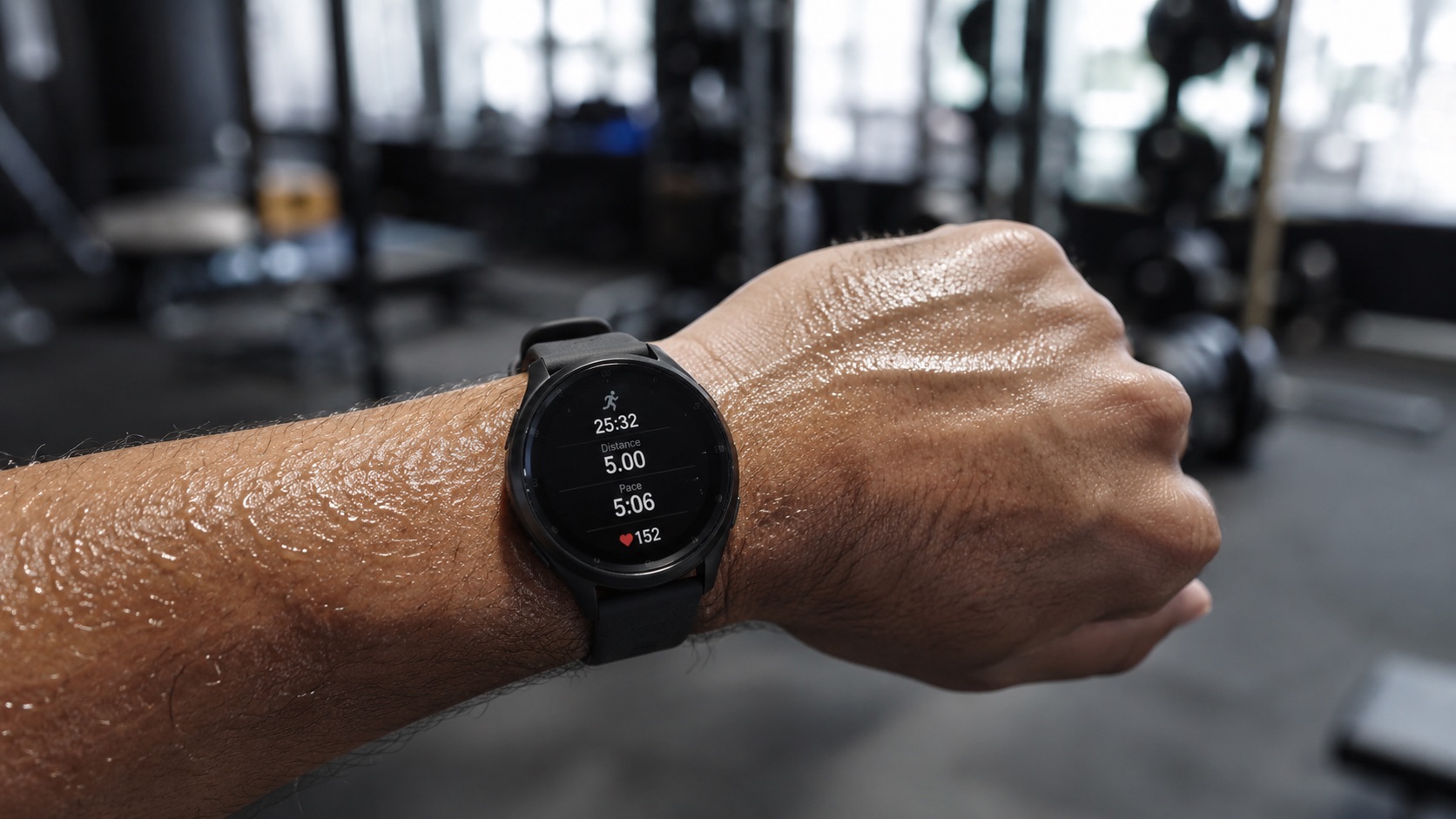
Garmin vs Apple Watch for Running 2026 - Definitive Comparison
The running watch debate in 2026 comes down to two ecosystems: Garmin and Apple. Both have matured significantly. Garmin has added smart features and improved displays. Apple has added deeper health metrics and better workout tracking. But they still approach running from fundamentally different philosophies - and that difference matters more than specs.
Garmin builds running tools that happen to be watches. Apple builds smartwatches that happen to track runs. If you understand that distinction, the right choice becomes clearer. Let me break it down across every category that matters for runners.
The Contenders
Garmin side: Forerunner 265 ($400), Forerunner 965 ($500), Fenix 8 ($900+). The FR265 is the sweet spot for most runners.
Apple side (September 10 update): Apple Watch Series 12 starts at $399 and Ultra 4 at $799. Both are announced and available to preorder, with store availability beginning September 18. Series 12 adds readiness plus higher-frequency HR/HRV sensing; Ultra 4 adds longer manufacturer-rated workout modes. We have not independently tested either watch, so Apple accuracy claims do not change the verdicts yet.
I’m comparing ecosystems rather than single models because that’s how the decision works in practice. You’re choosing a platform, not just a watch.
Head-to-Head Comparison Table
| Feature | Garmin (FR265/Fenix 8) | Apple Watch (Series 12/Ultra 4) |
|---|---|---|
| GPS Battery Life | 20–48 hrs | 8–18 hrs |
| Daily Battery Life | 13–28 days | 18–36 hrs |
| GPS Accuracy | Multi-band GNSS, excellent | Dual-frequency, very good |
| Training Load/Recovery | Yes (Training Readiness, Body Battery) | Yes (Training Load in watchOS 11) |
| Structured Workouts | Full support with visual prompts | Via third-party apps |
| Running Power | Wrist-based (built-in) | Requires third-party app |
| Running Dynamics | With HRM-Pro Plus accessory | Not available |
| Music Storage | Offline (Spotify, Deezer, Amazon) | Offline (Apple Music, Spotify) |
| Smart Notifications | Basic (view, dismiss) | Full (reply, interact, any app) |
| Phone Calls | Not available | Yes (built-in speaker/mic) |
| App Ecosystem | Limited (IQ store) | Massive (App Store) |
| Maps/Navigation | Offline maps (higher models) | Apple Maps (requires connection) |
| Heart Rate Accuracy | Good (wrist), Excellent (chest strap) | Very good (wrist) |
| Sleep Tracking | Detailed (HRV, stages, score) | Detailed (stages, respiratory rate) |
| Price Range | $200–$1000 | $400–$800 |
| Health Features | HRV, SpO2, Body Battery | ECG, blood oxygen, crash detection |
Battery Life: Garmin Wins Decisively
This isn’t close, and it might be the deciding factor. The Garmin FR265 lasts 13 days with daily use and 20 hours of continuous GPS tracking. The Fenix 8 stretches to 28 days daily and 48 hours GPS.
Apple rates Series 12 for up to 24 hours of normal use and 10 hours of outdoor workouts. Ultra 4 is rated for up to 25 hours with full GPS and heart-rate tracking, or 45 hours in its extended workout mode. These are manufacturer figures announced before retail availability, not our independent endurance test.
For runners, this matters in two scenarios:
- Ultra/long events: Series 12’s manufacturer-rated 10-hour workout ceiling leaves less margin than Ultra 4 or dedicated endurance watches. Verify independent results before relying on any launch rating for an ultra.
- Daily convenience: Charging every night means no sleep tracking unless you charge during the day. Garmin’s multi-day battery means continuous tracking without thinking about it.
If battery anxiety gives you stress, Garmin eliminates the problem entirely.
Training Features: Garmin Has the Edge
Garmin’s training ecosystem is years ahead. Training Status, Training Load, Training Readiness, Body Battery, Recovery Time - these form a cohesive system that tells you when to push and when to rest.
The Forerunner 265 gives you:
- Daily suggested workouts based on your fitness and recovery
- Race predictor with goal-specific training guidance
- Running power from the wrist (no accessories needed)
- PacePro for smart race pacing strategies
- Course navigation with turn-by-turn
Apple Watch with watchOS 11 added Training Load tracking, which monitors your strain over 7 and 28 days. It’s useful but feels like version 1.0 compared to Garmin’s mature system. Apple lacks structured workout creation on-device, running power, race predictions, and training readiness scores.
For structured workouts, Garmin lets you create complex intervals on Garmin Connect and push them to your watch. Apple relies on third-party apps like WorkOutDoors or TrainingPeaks to replicate this functionality.
GPS Accuracy: Effectively a Tie
Both ecosystems now use multi-frequency GPS systems. In real-world testing across urban canyons, tree cover, and open roads, the difference is negligible. Both track accurately within 1–2% of actual distance.
Garmin’s multi-band GNSS on FR265 and above handles dense tree cover marginally better in some tests. Apple Watch Ultra 3’s precision GPS is equally impressive. For 99% of runners on normal routes, you won’t notice a difference.
Where Garmin pulls ahead: long trail runs and ultramarathons where GPS is running for 10+ hours. More satellite data with longer battery means more consistent tracking in remote areas.
Smart Features: Apple Wins Easily
If you want a smartwatch that also runs, Apple is unmatched. Full app ecosystem, phone calls from your wrist, quick replies to messages, Apple Pay everywhere, and seamless integration with your iPhone.
Garmin’s smart features are functional but limited. You see notifications but can’t meaningfully interact with them. No phone calls. The Connect IQ app store has useful running widgets but nothing approaching the Apple ecosystem’s breadth.
For runners who want one device on their wrist all day - for work meetings, calls, texts, and then afternoon training - Apple Watch does double duty. Garmin is primarily a training tool you happen to wear.
Which Platform Should You Choose?
Choose Garmin If:
- Running is your primary use case and you want the deepest training metrics
- You run ultras or long events where battery beyond 8 hours matters
- You want set-and-forget charging (once a week or less)
- You use structured training plans and need native workout execution
- Seeing notifications is enough - you don’t need to reply from your wrist
Choose Apple Watch If:
- You want one device for everything: smart features, health, and running
- You’re deep in the Apple ecosystem (iPhone, AirPods, Apple Health)
- Health monitoring beyond running matters (ECG, temperature, crash detection)
- Your runs are under 5 hours and battery isn’t a concern
- Smart features during the day matter as much as running features
The Middle Ground: Apple Watch Ultra 3
The Ultra 3 bridges the gap with better battery life (17 hrs GPS), action button for quick workout control, precision GPS, and a larger display. It’s Apple’s answer to Garmin’s endurance watches. At $800, it’s not budget-friendly, but it comes closest to offering both smartwatch and sports-watch capabilities.
What About Garmin’s AMOLED Displays?
A common knock on Garmin used to be ugly, dim screens. That’s gone now. The FR265, FR965, and Fenix 8 AMOLED editions have gorgeous, bright displays that rival Apple Watch. The always-on mode shows your data clearly in sunlight. This removes one of Apple’s traditional advantages.
Third-Party App Integration
Both connect to Strava automatically. Both support TrainingPeaks for structured plans. Both sync with Apple Health (Garmin via Garmin Connect).
For most runners using Strava or TrainingPeaks as their primary platform, both watches feed data equally well. Check the full GPS watch comparison roundup for more options beyond these two ecosystems.
Real-World Runner Scenarios
The daily jogger (3–4x/week, 5K–10K): Apple Watch Series 12 is the current announced mainstream option, subject to independent testing after September 18.
The marathon trainer (5–6x/week, structured plans): Garmin FR265. Training load management, structured workout execution, and multi-week battery make training seamless.
The ultra runner (weekly 20+ mile efforts): Garmin Fenix 8. Nothing else matches the battery life, navigation, and durability needed.
The tech enthusiast who also runs: Apple Watch Ultra 4 is the current announced premium option; its readiness and endurance claims still need independent testing.
See how we compare products for our full research methodology.
Frequently Asked Questions
Can Apple Watch replace a Garmin for serious marathon training?
For most runners, yes - with caveats. You’ll need third-party apps for structured workouts and won’t have native training readiness or Body Battery equivalents. If you’re disciplined about charging before long runs, it works. But Garmin makes the training experience more seamless out of the box.
Is Garmin’s GPS actually more accurate than Apple Watch?
In 2026, the difference is minimal for road running. Both use multi-frequency satellite systems and produce accurate tracks. On heavily forested trails, Garmin’s multi-band GNSS has a slight edge, but for typical running, you won’t notice a meaningful difference.
Which has better heart rate monitoring?
Both are comparable for wrist-based HR during steady running. Garmin supports chest strap pairing (HRM-Pro Plus) for interval accuracy, which Apple Watch doesn’t match. For zone-based training with lots of pace changes, Garmin + chest strap is more reliable.
Can I use either watch without a phone?
Both have GPS independent of your phone. Garmin works completely standalone for run tracking. Apple Watch (GPS + Cellular model) can make calls and stream music without a phone. Garmin cannot make calls but can store offline music from Spotify.
Is it worth switching ecosystems?
If you’re happy and your current watch meets your needs, probably not. Switch to Garmin if battery life or training features frustrate you on Apple. Switch to Apple if you miss smart features and only run casually. Don’t switch just because something is newer.
The Verdict
For pure running, Garmin wins. Better battery, deeper training metrics, and purpose-built running features make it the serious runner’s choice. For life beyond running, Apple Watch wins. The smartwatch experience is unmatched, and running features are now good enough for most people.
The best watch is the one you’ll wear every day and charge consistently. Both platforms will make you a better runner if you use the data they provide. Pick the one that fits your lifestyle, not just your running.
Related reading: Best GPS Watch Under $300 for Marathon Training