
Why I Think 10K Is My Best Distance (And Sub-40 Is Coming)
Why I Think 10K Is My Best Distance (And Sub-40 Is Coming)
I have a basketball background. That means explosive legs, quick turnover, and good running economy from years of court movement. It also means my natural talent sits in the space between raw speed and aerobic endurance. The 10K is exactly that space. I am convinced it is my best distance, and sub-40 is coming this season.
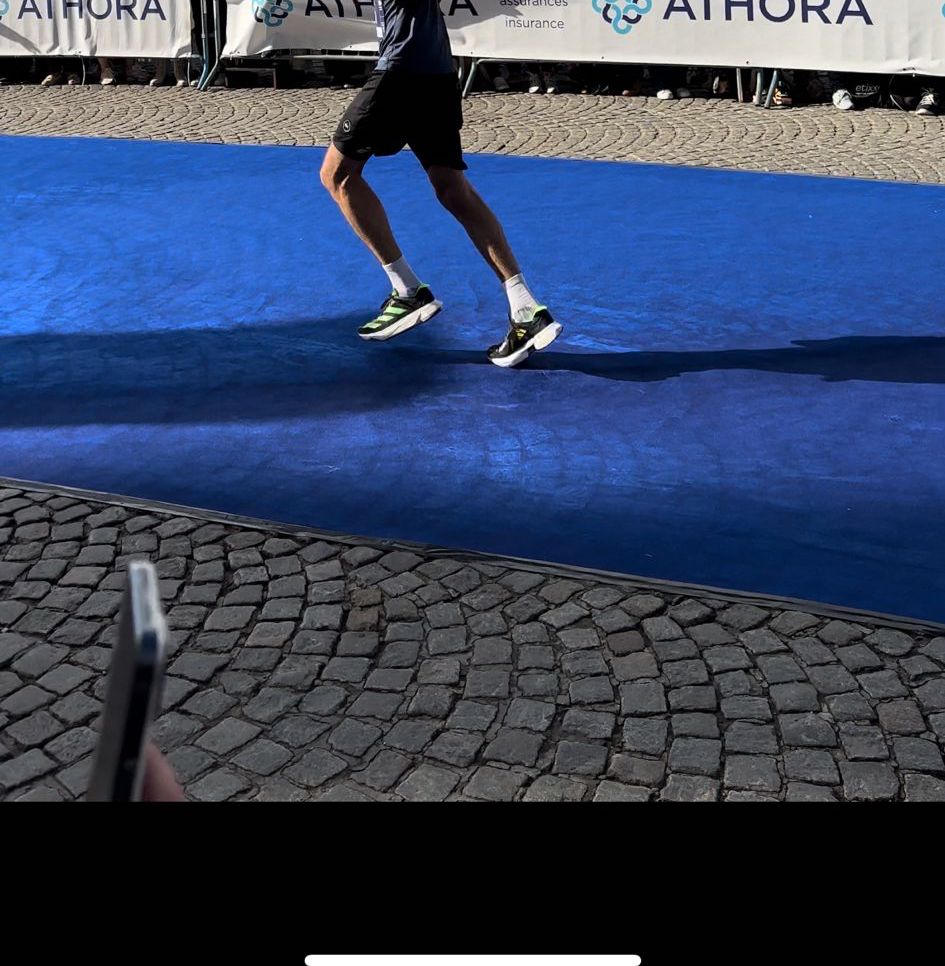
My Runner Profile: Why 10K Makes Sense
Let me break down my physiological profile and why it points to 10K as my sweet spot:
Fast-twitch advantage from basketball: I played basketball competitively for years before transitioning to running. That built explosive power, quick cadence, and neuromuscular efficiency that translate directly to running speed. I can change pace quickly and my stride frequency is naturally high.
Good running economy: My body does not waste energy. My form is efficient (credit to years of athletic movement patterns). This means I use less oxygen per kilometer than many runners at the same pace, which becomes more valuable as distance increases.
Speed is not the limiter: I can run 3:40/km for a single kilometer without maxing out. I can hit 3:20 for 200m reps in training. Raw speed is there. The challenge is not going faster. The challenge is holding fast paces longer.
Tempo sustainability is the limiter: This is where basketball background shows its limitation. Basketball involves bursts. Short efforts. Recovery between plays. Distance running requires sustained output with no rest. My aerobic system needed development to extend my natural speed over 10km.
Where I Stand Right Now
Current 10K PB: 41:42 (4:10/km average) Goal: Sub-40 (3:59/km average) Timeline: This season
The gap between 41:42 and 39:59 is 103 seconds over 10km, or about 10 seconds per kilometer faster. That sounds significant, but when I look at my current training data, the gap is entirely closable.
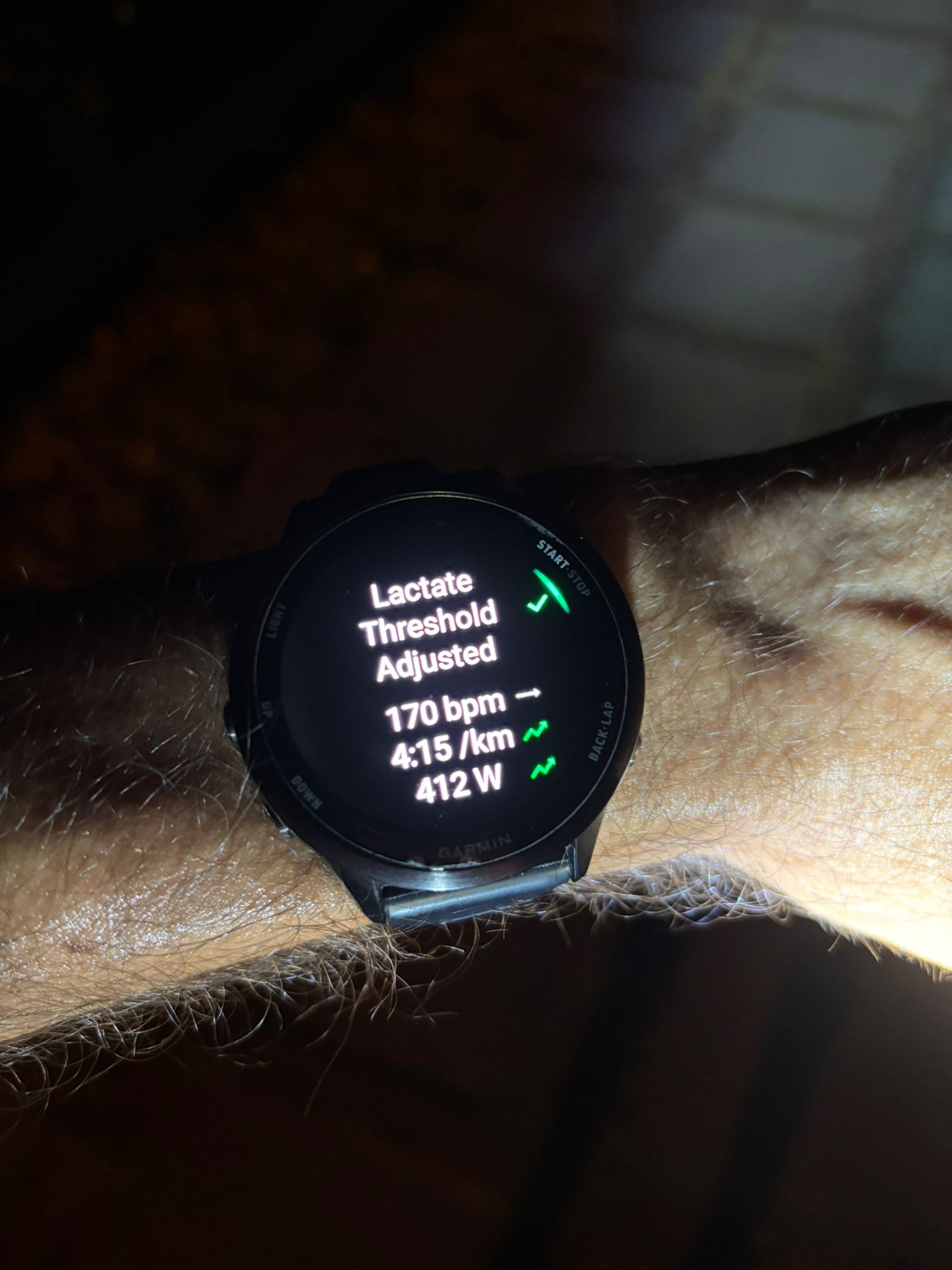
My lactate threshold sits at 170bpm and 4:15/km pace. For a sub-40 10K at 3:59/km, I need to hold slightly below threshold for 40 minutes. That is demanding but physiologically realistic given my current fitness level.
Why Not 5K? Why Not Half Marathon?
5K: I have already run 19:28 (3:53/km). To go significantly faster at 5K, I would need to develop pure VO2max capacity, which has less room for improvement given my training age. The returns are diminishing at 5K distance.
Half marathon: This requires deep aerobic endurance and the ability to sustain moderate pace for 90+ minutes. While I can do it, the basketball body is not optimized for ultra-sustained efforts. The fatigue resistance at 90 minutes is harder for me to build than the speed at 40 minutes.
10K is the Goldilocks zone: Fast enough to leverage my natural speed and economy. Long enough that my improving aerobic base provides a massive performance boost. The combination of my speed ceiling and my improving base creates the most untapped potential at this distance.
My progression from 28-minute 5K to 19:28 shows how much speed development was possible. But 5K gains are now harder to find. The 10K is where my aerobic improvements translate into the biggest time drops.
The Sub-40 Plan
I am using the Runna app with a 10K focus. Here is my weekly structure:
Monday: Intervals Hard speed sessions. 800m to 1600m reps at 3:45 to 3:55/km with recovery jogs. These build the neuromuscular capacity to hold race pace when fatigued.
Tuesday: Easy run 6 to 8km at comfortable effort. Recovery and aerobic maintenance.
Wednesday: Easy run or rest Depending on fatigue from Monday’s session.
Thursday: Easy run Another low-stress volume day. Building the aerobic base that supports everything else.
Friday: Tempo The key session for sub-40. Sustained efforts at 4:00 to 4:10/km for 20 to 30 minutes. Teaching my body what race pace feels like and building the metabolic tolerance to hold it.
Saturday: Long run 20 to 26km at easy effort. The single biggest aerobic development session of the week. These long runs are what moved my aerobic base to its strongest point ever.
Sunday: Rest Complete recovery. No running.
Why the Long Runs Matter for 10K
This might seem counterintuitive: why run 26km for a 10km race? Because the aerobic base that supports a 40-minute race effort is built during long, slow running. Those 2+ hour easy sessions develop:
- Capillary density in working muscles
- Mitochondrial volume for better oxygen utilization
- Cardiac stroke volume (more blood per heartbeat)
- Fat oxidation efficiency (sparing glycogen for race pace)
- Mental toughness for sustained effort
A 26km long run at 5:20/km does not look like 10K training on paper. But it is the foundation that makes 4:00/km for 10K sustainable. Without it, I could hit race pace in short reps but never hold it for 40 minutes.
The Specific Workouts That Build Sub-40 Fitness
Beyond the weekly structure, certain key sessions are moving me toward sub-40:
3x2km at 4:00/km: This teaches my body what race pace feels like in extended chunks. Rest is short (90 seconds jog). Total quality volume: 6km at goal pace.
6x1km at 3:50/km: Slightly faster than race pace to build a speed reserve. When 3:50 feels manageable in reps, 4:00 in a race will feel controlled.
20-minute tempo at 4:05/km: Continuous running just above race pace for a sustained duration. This builds the metabolic tolerance and mental confidence for race day.
400m repeats at 3:30/km: Pure speed development. Maintaining the fast end of my range so that 4:00 pace always feels moderate relative to my maximum.
For more on interval training approaches, check my best interval workouts for 5K and 10K.
Race Strategy for Sub-40
When I line up for my target 10K race, the plan is straightforward:
Km 1-2: Settle into 4:00/km. Let the adrenaline carry the first kilometers without going into oxygen debt. Do not start at 3:50 because of excitement.
Km 3-6: Hold 3:59 to 4:01/km. This is the honest middle kilometers where the race is won or lost. Stay patient. Trust the fitness.
Km 7-8: Maintain or slightly pick up if feeling good. This is where the aerobic base pays off. If my base is strong enough, these kilometers feel no harder than 3-6.
Km 9-10: Empty the tank. Whatever speed is left goes here. If I have run the first 8km correctly, there should be a gear left to close fast.
The gear I race in matters too. I wrote about my sub-40 10K gear choices including shoes, watch, and nutrition approach.
The Mental Side: Believing Sub-40 Is Possible
The hardest part of chasing a goal time is believing it is realistic before you have done it. My data says sub-40 is achievable:
- Lactate threshold at 4:15/km means I can sustain 4:00/km for race duration with some anaerobic support
- VO2max estimates suggest sub-39 ceiling
- Training paces in workouts regularly hit 3:50 to 4:00/km comfortably
- 5K PR of 19:28 (3:53/km) confirms the speed capacity exists
The physical capability is there. The remaining work is building the specific fitness to hold it for 40 minutes in race conditions, and the mental confidence to commit to that pace from gun to tape.
Timeline and Target Race
I am targeting a 10K race this autumn. By then, I will have accumulated 4+ months of consistent, focused 10K training on top of my already-strong aerobic base. The progression should look like:
- July: Build tempo endurance (4:05/km for increasing durations)
- August: Sharpen with race-specific sessions (4:00/km chunks)
- September: Peak and taper
- October: Race
If the fitness comes together as the data suggests it will, sub-40 is not a stretch goal. It is an expected outcome.
What Happens After Sub-40
Assuming I hit it, the next target is 38:XX. The same physiological profile that makes 10K my best distance means there is room to keep improving. A sub-40 this year sets up a sub-39 attempt next year with more base, more race experience, and more confidence.
But first things first. One barrier at a time. Sub-40 this season. Then we talk about what comes next.
FAQ
What pace do you need to hold for a sub-40 10K?
You need to average 3:59/km or faster across the full 10km. In practice, most runners who go sub-40 run splits between 3:55 and 4:02/km, with slight negative splitting (running the second half marginally faster than the first). Consistency is key rather than going out fast and fading.
How long does it take to go from 42-minute 10K to sub-40?
This depends on your training background, but a realistic timeframe is 4 to 8 months of focused 10K training. For me, with an established aerobic base and speed from basketball background, I am targeting about 5 months from dedicated 10K focus to race day. The gap is about 10s/km, which is achievable through improved lactate threshold and race-specific fitness.
What weekly mileage supports a sub-40 10K?
I run approximately 46 to 51km per week with three quality sessions (intervals, tempo, long run). Research suggests most sub-40 10K runners train between 40 and 70km per week. It is less about total volume and more about consistent quality sessions at or near goal pace combined with adequate easy running.
Do you need a carbon plate shoe for sub-40 10K?
No, but it helps. A good carbon plate shoe can provide 2 to 4% energy savings, which translates to roughly 45 to 90 seconds over 10km. I will race in my Vaporfly 4 or Adios Pro 3. But sub-40 is achievable in regular racing flats if your fitness is there. The shoe does not make you fast. It makes your existing speed more efficient.
Is 10K harder than 5K?
Different kind of hard. 5K is more intense (closer to VO2max), but shorter in duration. 10K is more about sustained tempo and lactate tolerance over 35 to 45 minutes. For me, 10K is actually “easier” to race well because the pace is more manageable per kilometer, and my aerobic engine is strong. The challenge is maintaining that slightly-below-threshold effort consistently for the full distance.