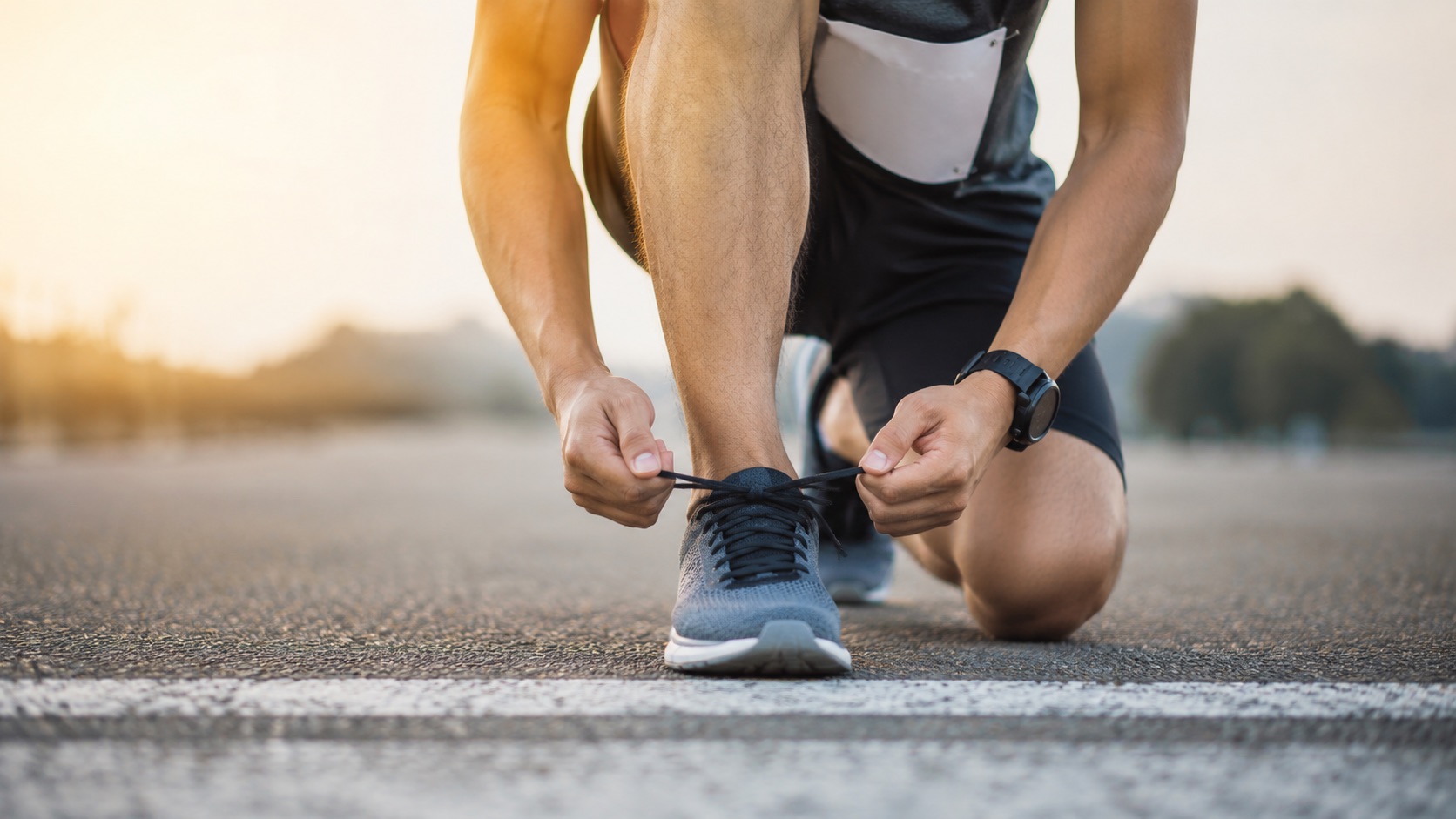
Training for a Sub-40 10K: What Gear Actually Mattered
I’ve been chasing a sub-40 10K for months now. My current PB sits at 41:42, which means I need to shave roughly 102 seconds off my time. After a focused 12-week training block with long runs up to 26km and serious interval work, here’s what gear actually contributed to my progress and what was a complete waste of money.
The Goal: Sub-40 10K
Let me put this in perspective. A sub-40 10K means holding 3:59/km for 10 kilometers. That’s relentless. My current 41:42 puts me at 4:10/km pace, so I need to find 11 seconds per kilometer somewhere. The training block I just completed was the hardest I’ve done: high mileage, structured intervals three times per week, and long runs that stretched to 26km on weekends.
During those 12 weeks, I used a lot of gear. Some of it made a genuine difference to my training quality. Most of it didn’t matter at all. I want to be honest about what’s worth spending money on when you’re chasing a specific time goal.
Gear That Actually Made a Difference
Garmin Forerunner 570 (Upgraded from Venu SQ)
This was the single biggest gear upgrade of my running journey. I ran my first 18 months on a Venu SQ, which is a perfectly fine watch for tracking runs. But the Forerunner 570 gave me two things that directly improved my training: proper altitude correction and detailed HRV data.
The altitude correction matters because I live in an area with hills. On the Venu SQ, my pace data on hilly routes was misleading. I’d think I was slower than I actually was, or I’d push too hard on climbs without realizing it. The FR570’s barometric altimeter gives me accurate elevation-adjusted pace, which means my interval sessions are actually prescribed correctly.
The HRV data is even more impactful. Knowing my body’s readiness each morning means I can push hard on the right days and back off when I’m not recovered. My resting heart rate sits around 36bpm, so the window between “recovered” and “overtrained” is narrow. The HRV trends catch fatigue before I feel it.
Adidas Boston 12 (Interval Days)
Light. Responsive. Not overly cushioned. The Boston 12 is exactly what I want for track sessions and tempo runs. When you’re doing 800m repeats at 3:40/km pace, you need a shoe that gets out of the way. It weighs nothing, the plate gives just enough pop, and it doesn’t feel mushy at speed.
I tried doing intervals in my daily trainers and the difference is night and day. A proper speed shoe doesn’t make you faster by magic, but it makes running fast feel less effortful. That means you can hit your target paces more consistently across a session, which is where the real training adaptation happens.
Adidas Adios Pro 3 (Race Day)
I didn’t have a Nike Vaporfly when I ran my 41:42, so the Adios Pro 3 was my race shoe. It’s a legitimate super shoe with a carbon plate and energy-return foam. Is it as good as the Vaporfly? Honestly, I don’t know yet. But it’s fast, comfortable at race pace, and gave me confidence on race day. You can read more about my full shoe rotation here.
Sunglasses
I didn’t expect this to matter. But on sunny long runs (especially the 20km+ efforts), quality running sunglasses made a real difference to comfort. Less squinting means less facial tension, which means less overall tension in your upper body. It sounds minor, but over 2+ hours it adds up. I went from never wearing them to never running without them on bright days.
Energy Gels for Long Runs
When your long runs stretch to 26km, you need fuel. Period. I bonked on a 22km run early in the block because I thought I could get by on water alone. Never again. Now I take a gel every 45 minutes on runs over 90 minutes, and the difference in how I feel in the final third is massive. Check out my full gel guide for what I use.
Foam Roller (Daily Use)
I use my foam roller every single day. Before runs, after runs, on rest days. My calves, quads, and IT bands take a beating at this mileage, and the foam roller is what keeps me running without injury. It’s the best value purchase in my entire gear collection. At maybe 30 euros, it’s paid for itself a hundred times over. Here’s my foam roller recommendation guide.
Gear That Didn’t Matter At All
Expensive Running Socks (For Speed Work)
I bought premium running socks thinking they’d help on interval days. They didn’t. My regular good-quality running socks work identically for speed sessions. The expensive ones feel marginally nicer, but they had zero impact on performance. Save your money here unless you have specific blister problems.
GPS Accuracy Obsession
I spent way too long worrying about whether my GPS was accurate to 5 meters. Here’s the truth: any modern running watch from 2024 onward gives you accurate enough data for training. The difference between watches is negligible for practical purposes. Your training won’t suffer because your watch says 4:11/km when you’re actually running 4:10/km.
Fancy Water Bottles
I bought a nice handheld running bottle with a strap. Used it three times. For runs under 90 minutes, I just plan my route past water fountains. For longer runs, I use a hydration backpack. The handheld bottle lives in a drawer now. It was awkward, threw off my arm swing, and solved a problem I didn’t actually have.
Gear That Mattered vs. Gear That Didn’t
| Item | Category | Impact on Training | Verdict |
|---|---|---|---|
| Garmin Forerunner 570 | Watch | HRV and altitude data improved training decisions | Essential upgrade |
| Adidas Boston 12 | Speed shoe | Consistent interval pace, less effort at speed | Worth every cent |
| Adidas Adios Pro 3 | Race shoe | Carbon plate energy return on race day | Important for PB attempts |
| Sunglasses | Accessory | Reduced tension on long sunny runs | Surprisingly valuable |
| Energy gels | Nutrition | Prevented bonking on 20km+ runs | Non-negotiable |
| Foam roller | Recovery | Daily use, injury prevention | Best value purchase |
| Premium socks (speed) | Clothing | Zero performance difference | Waste of money |
| GPS accuracy upgrades | Tech | No practical training impact | Irrelevant |
| Handheld water bottle | Hydration | Awkward, unused after 3 runs | Regret buying |
The Training Plan Itself
The gear is secondary to the plan. I followed a 12-week high mileage block through the Runna app, which adapted my training based on how sessions went. The plan included three quality sessions per week (intervals, tempo, race pace work) plus a long run that peaked at 26km.
The long runs surprised me. I didn’t expect a 10K plan to include 26km runs, but the aerobic base they build is enormous. Running 26km at an easy pace teaches your body to be efficient, and that efficiency translates directly to holding 3:59/km for “only” 10 kilometers.
What’s Next
I haven’t broken 40 minutes yet. My 41:42 came at the end of this block, which tells me I’m close but not quite there. The fitness is building. My VO2Max is climbing back after a setback late last year, and my interval times are consistently hitting targets.
For the next attempt, I’m adding one thing: a Vaporfly for race day. The Adios Pro 3 is fast, but I want every possible advantage when I’m fighting for those final seconds. Everything else stays the same because it’s working.
FAQ
How much faster can a carbon plate shoe make you for a 10K?
Research suggests 2-4% improvement in running economy, which for a 41:42 10K could mean 50-100 seconds. That’s significant when you’re chasing a specific time. But the shoe won’t help if your fitness isn’t there. Train first, optimize shoes second.
Is the Garmin Forerunner 570 worth upgrading to from a Venu SQ?
For serious training, yes. The HRV data, altitude correction, and training load features are genuinely useful for structured plans. If you’re running casually 2-3 times per week without time goals, the Venu SQ is perfectly fine. The upgrade makes sense when you’re following a structured training plan and want data-driven recovery decisions.
Do you need energy gels for a 10K race?
No. A 10K race at sub-40 pace takes under 40 minutes. You don’t need fuel during the race itself. But you absolutely need them during long training runs that build your aerobic base. Any run over 90 minutes benefits from fueling, and skipping it will hurt your training quality.
How important is a foam roller for 10K training?
Very important when you’re running high mileage. I use mine daily and credit it with keeping me injury-free through a demanding training block. It’s not glamorous gear, but it’s arguably the most impactful purchase I’ve made for longevity in running. Tight calves and IT bands can derail a training block fast.
What’s the minimum gear you need for sub-40 10K training?
A GPS watch (any modern one), a pair of interval-appropriate shoes, a foam roller, and energy gels for long runs. That’s genuinely it. Everything else is optimization. The watch gives you pace data for intervals, the shoes let you run fast comfortably, the roller keeps you healthy, and the gels fuel your long runs. Total cost: maybe 400 euros if you shop smart.