Running After Pregnancy - Gear Guide for Returning Runners (2026)
Running After Pregnancy - Gear Guide for Returning Runners (2026)
Coming back to running after pregnancy is not the same as coming back from an injury or a break. Your body has changed in fundamental ways - pelvic floor function, joint laxity, center of gravity, breast size, core strength - and the gear that worked before pregnancy may not work now.
This guide covers the specific gear considerations for postpartum runners. Not general “best shoes” lists, but gear chosen specifically for the challenges of returning to running after growing a human. I’ve consulted with postpartum running specialists and gathered feedback from dozens of runners who’ve navigated this transition.
The most important note before we start: clearance from your healthcare provider comes first. Most guidelines suggest waiting at least 12 weeks postpartum (longer for C-section) before returning to running, and getting specific clearance from a pelvic floor physiotherapist is strongly recommended. Gear doesn’t fix readiness problems - it supports a body that’s ready to run.
Essential Gear for Postpartum Runners
| Gear Category | Why It Matters Postpartum | Key Feature to Look For | Budget Range |
|---|---|---|---|
| Running Shoes | Joints more lax, arches may have flattened, extra cushioning needed | Maximum cushioning, wide fit option | $130–170 |
| Sports Bra | Breast size changed, support critical especially if nursing | High support, adjustable, easy nursing access | $50–80 |
| Heart Rate Monitor | Effort-based training essential during rebuilding | Accurate resting + active HR | $50–100 (chest strap) |
| Hydration | Dehydration risk higher if breastfeeding | Easy one-hand operation, high capacity | $30–50 |
| Compression Shorts | Core and pelvic floor support | High-waisted, moderate compression | $40–70 |
| Running Watch | Track gradual progress, manage effort | HR zones, easy start, recovery metrics | $250–450 |
Running Shoes: Why Your Pre-Pregnancy Pair May Not Work
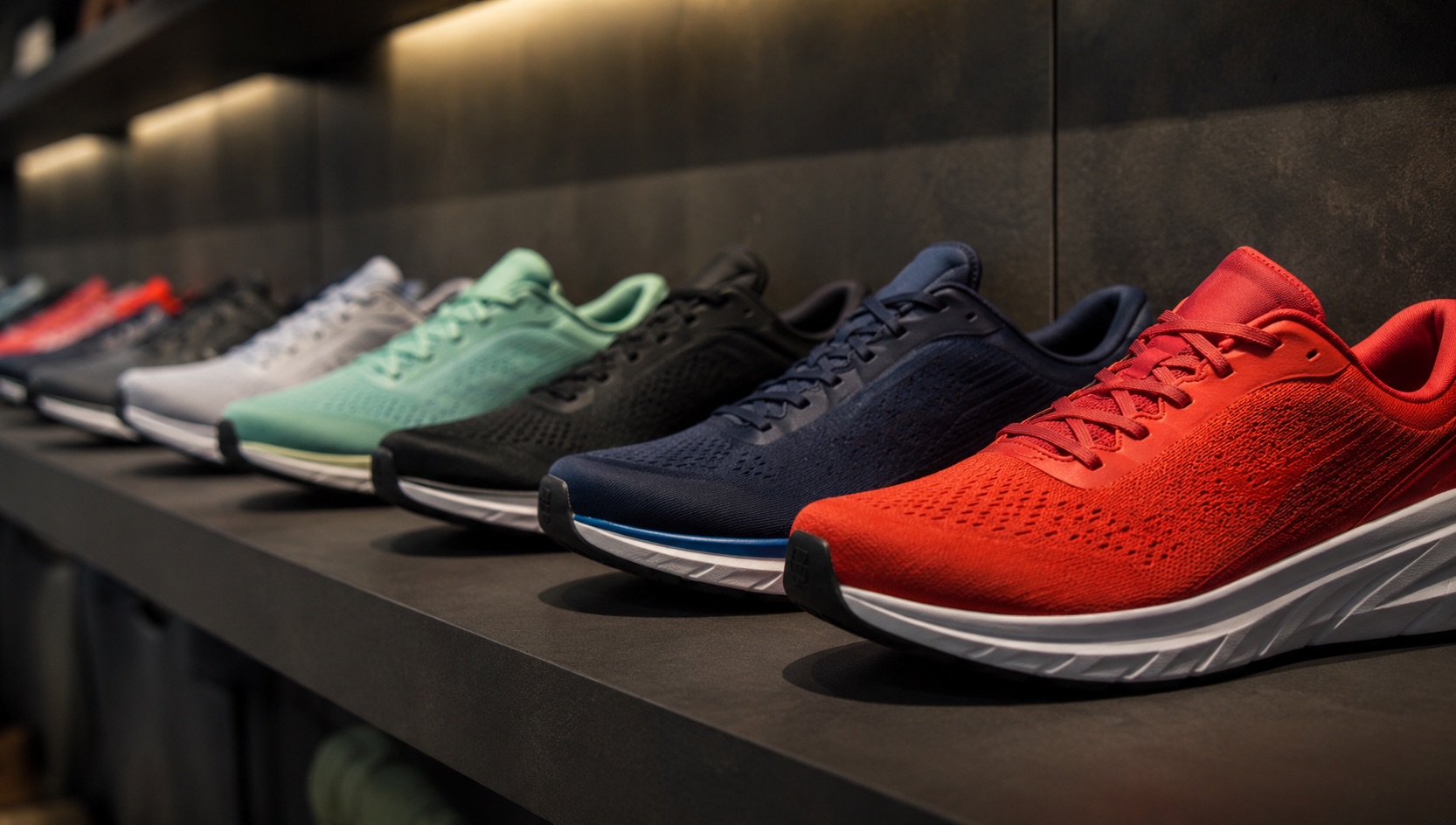
Pregnancy hormones (relaxin in particular) loosen ligaments throughout the body, including in the feet. Many runners find their feet are wider or flatter postpartum - sometimes permanently. The shoes that fit perfectly before pregnancy may now be too narrow, too firm, or lacking adequate arch support.
What to look for in postpartum running shoes:
- Extra cushioning - your joints are still recovering from months of increased laxity. More cushioning absorbs impact that your musculoskeletal system isn’t ready to handle yet.
- Wide or generous fit - accommodate potential foot widening. Try shoes on in the afternoon when feet are slightly swollen.
- Moderate stability - if your arches have flattened, you may benefit from mild stability features you didn’t need before.
- Fresh pair - don’t run in shoes that have 300+ miles from before pregnancy. Start with new foam that hasn’t already compressed.
Good options include the ASICS Gel Nimbus 26, Nike Pegasus 41, or Brooks Glycerin 21 - all neutral, cushioned shoes available in wide widths. Check my beginner shoe recommendations for detailed reviews of these options, keeping in mind you’re essentially re-starting your body even if your mind remembers faster paces.
Sports Bras: The Most Critical Postpartum Gear
A proper sports bra is arguably more important than shoes for postpartum runners. Breast size and shape change significantly during and after pregnancy, especially if breastfeeding. Unsupported breast movement during running can cause pain, damage Cooper’s ligaments (leading to long-term sagging), and make running miserable.
What to prioritize:
- High support with encapsulation - separate cups rather than compression-only designs. Individual cup support is more effective for larger/heavier breasts.
- Adjustable straps and band - your size will fluctuate, especially if you’re nursing. Adjustability extends the bra’s useful life.
- Nursing access - if breastfeeding, look for bras with drop-down cups or front zips that allow feeding without removing the entire bra. Running, then needing to completely undress to feed a crying baby, is miserable.
- Wide band - distributes pressure and reduces rib cage discomfort, which is common postpartum as the ribcage returns to its pre-pregnancy dimensions.
- Moisture-wicking fabric - milk letdown during running is real and common. Moisture-wicking fabric + nursing pads handle this discreetly.
Brands known for high-support postpartum options: SheFit (fully adjustable), Brooks Dare Crossback (high support, large size range), and Runderwear (encapsulation design).
Heart Rate Monitor: Why Effort-Based Training Matters More Now
Returning to running postpartum means you cannot rely on pace as your primary metric. Your cardiovascular fitness has changed, your weight may be different, you’re likely sleep-deprived, and your body is still recovering. Running by pace will either discourage you (everything feels so slow) or push you too hard (trying to hit pre-pregnancy paces on a body that’s not ready).
Heart rate training solves this. By targeting specific heart rate zones - particularly zone 2 (easy aerobic) - you run at the effort your body can currently handle regardless of the pace that produces. As fitness returns, the same heart rate zones will naturally produce faster paces.
A chest strap heart rate monitor provides the most accurate readings, especially during the variable efforts of early postpartum running. Wrist-based monitors from watches are adequate for steady efforts but less reliable during intervals or walk-run sessions.
Key heart rate features for postpartum runners:
- Accurate resting heart rate tracking (monitors recovery over time)
- Real-time zone alerts (beep when you exceed easy effort)
- Trend data showing cardiovascular improvement over weeks
- Compatibility with run-walk interval timers
Running Watch: Tracking the Comeback
A GPS watch serves a different purpose during postpartum return than during normal training. You’re not chasing PRs - you’re monitoring a gradual rebuild and making sure you’re not overdoing it. The watch features that matter most:
- Heart rate zones - see above; effort management is everything
- Run/walk interval timer - most return-to-running programs use intervals (run 1 min / walk 2 min, progressing gradually)
- Recovery metrics - training load and recovery time help prevent the common mistake of ramping up too fast
- Simple interface - sleep deprivation makes complex menus frustrating
The Garmin Forerunner 165 or COROS Pace 4 both work well at reasonable prices. Both have interval timers, heart rate zones, and recovery guidance. For a watch specifically chosen for female runners with features like menstrual cycle tracking and period predictions, see my best running watch for women guide.
Compression Shorts and Leggings
High-waisted compression shorts or leggings provide two benefits for postpartum runners:
- Pelvic floor support - moderate compression around the lower abdomen provides gentle external support while your pelvic floor regains strength
- Comfort - abdominal skin and tissue may feel different post-pregnancy, and the mild compression prevents uncomfortable movement
Look for:
- High waist that sits above the belly button
- Moderate (not maximum) compression - you want support without restricting breathing
- Flat seams that don’t irritate potentially sensitive C-section scars
- Pocket for phone (since you may not want a waist belt pressing on your abdomen)
Brands with good postpartum options: lululemon Align (soft compression), 2XU (medical-grade compression options), and Oiselle (running-specific women’s brand).
Hydration: Extra Important If Breastfeeding
Breastfeeding runners need significantly more fluid than non-breastfeeding runners. You’re producing milk (which is mostly water) and sweating during exercise - a dual drain on hydration. Dehydration can reduce milk supply and impair recovery.
Gear solutions:
- Soft flask with bite valve - one-handed operation while pushing a stroller
- Running vest with front bottles - distributes weight evenly, easy access
- Stroller-mounted bottle - if running with baby, keeps hydration accessible without carrying it
Aim to drink before, during, and after runs. If your runs are under 45 minutes, pre and post hydration may be sufficient. Over 45 minutes, carry water with you. Electrolytes help with hydration efficiency, especially in warm weather.
Pelvic Floor Considerations for Gear Choices
Pelvic floor recovery is the limiting factor for most postpartum runners. While gear can’t fix pelvic floor dysfunction, certain choices support recovery:
- Avoid high-impact surfaces initially - softer surfaces (track, trail, treadmill) reduce pelvic floor stress compared to concrete
- Compression garments - provide mild external support
- Gradual return program - your watch’s interval timer enforces the walk-run progression
- Pelvic floor-friendly shoes - maximum cushioning absorbs impact before it reaches your pelvic floor
Signs you need to slow down (regardless of gear):
- Leaking urine during or after running
- Heaviness or dragging sensation in the pelvic area
- Lower back pain that wasn’t present before
- Any bleeding that had previously stopped
If you experience these symptoms, consult a pelvic floor physiotherapist before continuing. No gear fixes these issues - they require professional assessment and rehabilitation.
For broader injury prevention strategies that apply to the postpartum return, see my injury prevention guide.
Sample Return-to-Running Timeline with Gear Milestones
| Week | Activity | Key Gear |
|---|---|---|
| 12-14 postpartum | Walking 30 min, pelvic floor exercises | Supportive shoes, compression shorts |
| 14-16 | Walk-run intervals (1 min run / 2 min walk) | Add HR monitor, sports bra |
| 16-20 | Increasing run intervals (2 run / 1 walk) | GPS watch for tracking progression |
| 20-24 | Continuous easy running (20-30 min) | Full gear setup, hydration for longer runs |
| 24+ | Normal training resumption (gradual) | Evaluate shoe needs as fitness returns |
This timeline is conservative and individualized. Some runners return sooner, many take longer. Listen to your body and your physiotherapist above any generic timeline.
Frequently Asked Questions
When can I start running after giving birth?
Most guidelines recommend a minimum of 12 weeks postpartum for vaginal deliveries and potentially longer for C-sections. However, this is a minimum - not a guarantee you’ll be ready at 12 weeks. Clearance from a pelvic floor physiotherapist is strongly recommended before resuming running. They can assess whether your pelvic floor has recovered enough to handle impact.
Do I need different shoes after pregnancy?
Possibly. Many women find their feet are wider (sometimes permanently) due to relaxin-induced ligament loosening and weight gain during pregnancy. Try your pre-pregnancy shoes - if they feel tight, narrow, or the arch support feels different, invest in a new pair in the correct size. A professional fitting at a running store is worth the time.
How do I prevent milk leaking during runs?
Use nursing pads inside a high-support sports bra with moisture-wicking fabric. Feed or pump before running to empty breasts (full breasts are heavier and more prone to leaking). Dark-colored tops hide any wet spots. Some runners find that feeding on one side and running before the other side fills up works well for shorter runs.
Should I run with a stroller right away when returning postpartum?
No - running with a stroller is harder than running alone (asymmetric pushing, increased effort, altered form). Master your own running return first, then add the stroller once you’re comfortably running 20-30 minutes continuously without symptoms. Stroller running also requires your baby to be at least 6-8 months old with adequate head control.
How quickly will my running fitness return after pregnancy?
Most runners find that basic cardiovascular fitness returns within 3-6 months of consistent training. Returning to pre-pregnancy paces typically takes 6-12 months. Be patient - your body did something extraordinary, and rebuilding is not a race. Many runners report eventually returning to (or exceeding) pre-pregnancy fitness levels, but the timeline is individual and unpredictable.