KIPRUN K500 Fast Kids Review: What I Bought My 6 and 8 Year Old
My oldest two kids wanted to run the 1 km kids race at a local running event. They were excited. They had been watching my wife and me train for months. They wanted their own “fast shoes” like mom and dad have.
I ended up buying them the KIPRUN K500 Fast at EUR 35 per pair. This is the product-specific part of that decision: what we bought, how it fitted and what I would check before buying it again. For the broader age, motivation and participation questions, see my separate guide to getting kids into running.
Why We Bought Dedicated Shoes
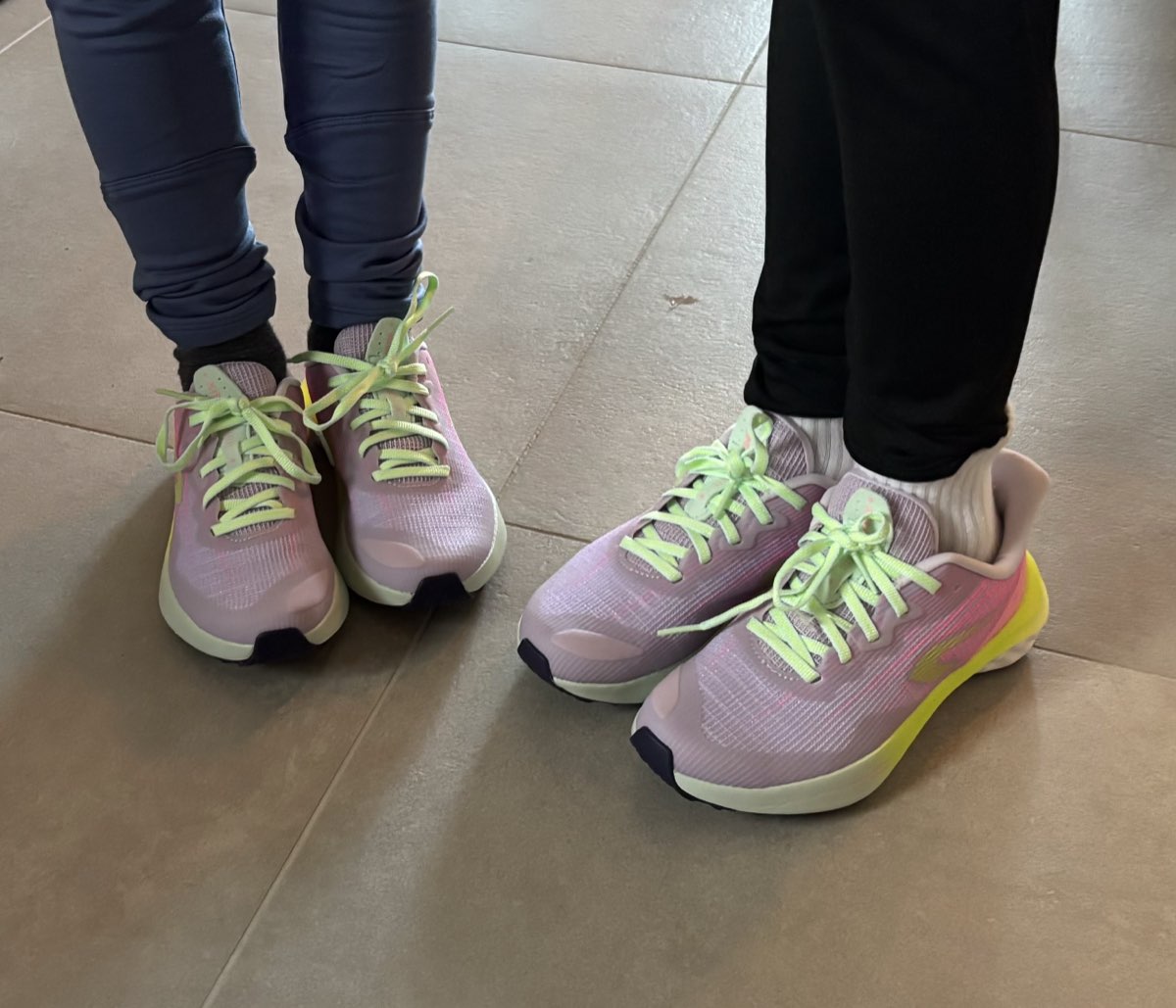
For our occasional playground running, regular sneakers had been fine. I bought dedicated shoes because the children had entered a 1 km road event and their existing fashion sneakers were worn and poorly fitting. That is our experience, not a universal threshold for every child.
Kids need dedicated running shoes when:
- They are running regularly (weekly structured running, not just playing)
- They are doing a race event (even a short one)
- They are complaining about foot pain during activity
- Their current shoes are clearly worn out or unsupportive
- They are running on hard surfaces repeatedly
For my kids, the trigger was the race event. They were going to run 1 km on asphalt with other kids, and their current sneakers were fashion-first shoes with minimal cushioning and no real support. Good enough for the playground, not great for even a short race where they would be sprinting on hard ground.
Why Kiprun K500 Fast
I chose the Kiprun K500 Fast for several reasons:
Price: I paid EUR 35 per pair. Decathlon Belgium still listed the model at EUR 35 when I rechecked it on 19 August 2026, but price and stock can change.
Availability: Kiprun is Decathlon’s running brand. I can walk into any Decathlon, try sizes, and walk out with shoes the same day. No ordering online and hoping the fit works.
Design: The K500 Fast is specifically designed for running. It has a cushioned midsole, a lightweight upper, and a rubber outsole with grip. It is not just a regular sneaker with “running” written on it.
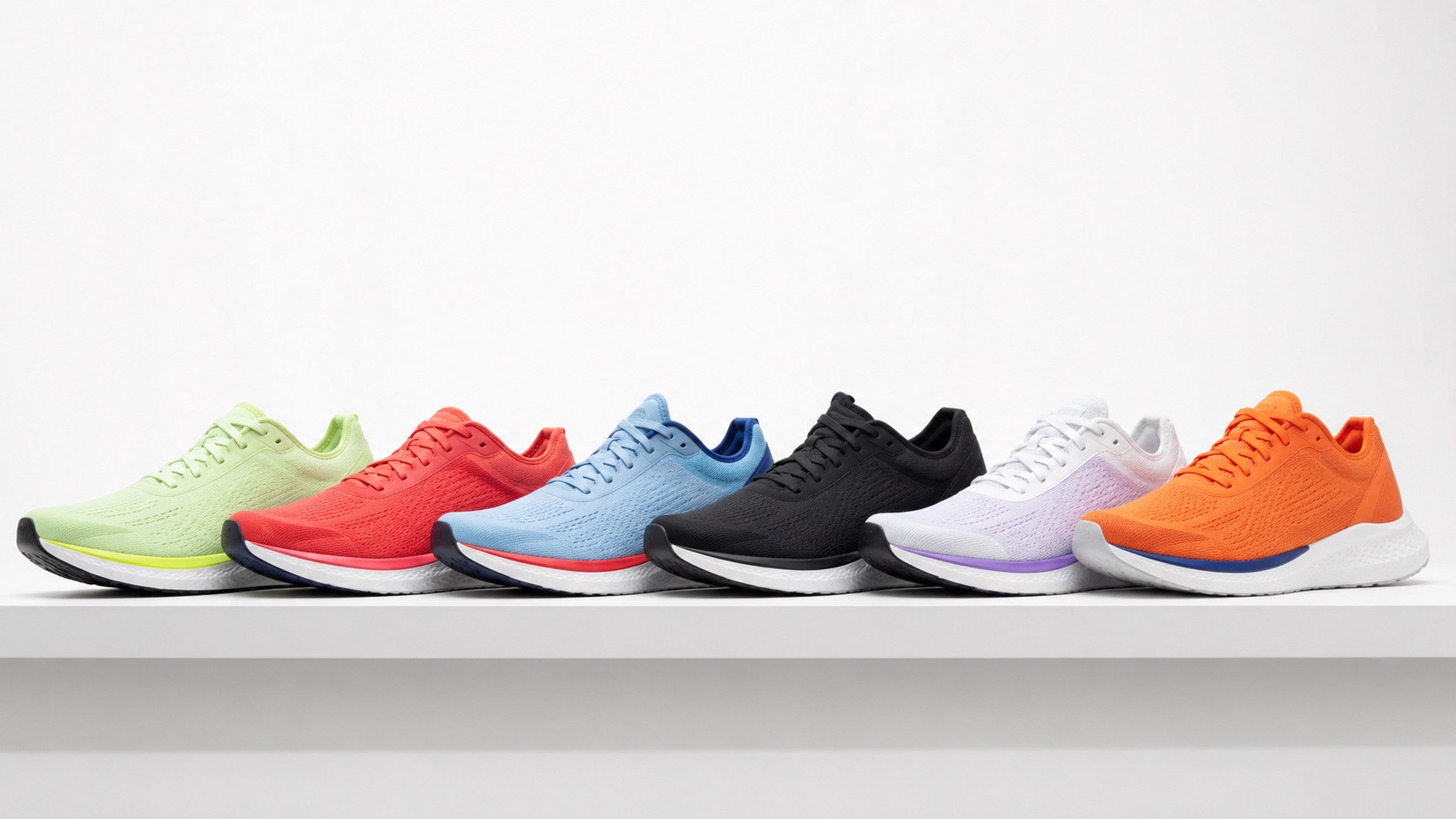
Kid appeal: They come in bright colors that kids actually like. My 8-year-old wanted the neon green. My 6-year-old wanted the blue. Both were happy, which means they actually want to wear them.
Kiprun has been making waves in the running market with their budget-friendly approach, and the kids line follows the same philosophy: decent running shoes at prices that do not punish parents.
The K500 Fast: What You Get for EUR 35
Here is what the shoe actually offers:
Midsole: EVA foam cushioning. Not as advanced as adult shoe foams, but significantly more cushioned than a regular kids sneaker. It absorbs impact properly during running without being mushy.
Upper: Lightweight mesh that breathes well. Kids overheat easily, so good ventilation matters. The mesh is durable enough to survive playground use between running sessions.
Outsole: Rubber with a tread pattern designed for grip on wet and dry surfaces. Holds up well on asphalt and grass.
Weight: Decathlon lists 186 g in size EU 35. Neither of my children complained about them feeling heavy.
Lacing: Standard laces on the size 34+ version. Younger sizes have a toggle system for easy on/off without tying.
Heel counter: Structured enough to keep the heel stable without being rigid. Kids feet are still developing and do not need overly structured shoes.
Is it a performance running shoe? No. It is a well-made, affordable running shoe appropriate for children who are starting to run with some regularity or doing events. It fills the gap between fashion sneakers and expensive junior performance shoes that most kids do not need.
Sizing: The Critical Factor
Here is my most important tip for buying kids running shoes: measure the feet and fit the child in person; do not automatically order their usual size.
Kids feet grow constantly. A shoe that fits perfectly today will be too tight in two months. Running shoes that are even slightly too small cause blisters, toe pain, and nail issues, the same as for adults but worse because kids might not articulate the problem until it is already painful.
Measurement tips:
- Measure both feet (they are often different sizes)
- Measure in the afternoon when feet are slightly swollen from activity
- Ensure a thumb’s width of space between the longest toe and the front of the shoe
- Have the child stand in the shoe (not just try it sitting down)
- Make them run a few meters in the store if possible
My 8-year-old was measured at size 34 but size 35 worked better in the store. That is one child’s fit result, not a general instruction to size up.
Specs and Availability Check
Decathlon’s Belgian product page lists MFoam cushioning, a 6 mm drop, a 186 g weight in size EU 35 and intended use on road, track and indoor surfaces over roughly 1–10 km. It describes the fit as normal. Those are manufacturer specifications, not measurements I independently verified. Check the current KIPRUN K500 Fast product page for current sizes, colors, stock and price.
This rapid growth is also why I do not recommend spending big money on kids running shoes. The EUR 35 Kiprun that lasts 4 to 6 months before being outgrown is infinitely more practical than an EUR 80 shoe that lasts the same time because feet do not stop growing regardless of shoe quality.
When to Upgrade
At what point should a kid graduate from a basic running shoe like the K500 Fast to something more serious?
Frequency threshold: If your child is running 3+ times per week consistently (not just a phase, but genuine sustained interest), they might benefit from a shoe with better cushioning and a more structured fit.
Distance threshold: Once they are regularly running 3+ km, impact forces accumulate enough that better cushioning becomes meaningful rather than just nice-to-have.
Competition threshold: If they are joining an athletics club and competing in races regularly, the club coach will likely have shoe recommendations specific to their events and gait.
Age threshold: Below about age 10, most kids do not need anything beyond a basic quality running shoe. Their bodies are light, their joints are flexible, and they naturally have good running form without it being taught. The shoe just needs to not interfere with natural movement.
For my 6 and 8 year old at their current running level (one event plus occasional family runs), the K500 Fast is exactly right. They do not need more.
What About Gait Analysis for Kids?
Adults often get gait analysis at running stores to determine pronation and find the right shoe type. Should you do this for kids?
Generally: no. Here is why:
Kids’ feet and gait patterns are still developing. A 6-year-old’s gait is not their permanent gait. They might pronate slightly now and correct naturally as they grow. Putting a young child in motion-control shoes based on a gait snapshot can actually interfere with natural foot development.
Unless a pediatrician or physiotherapist has specifically identified a structural issue that requires corrective footwear, neutral shoes are the right choice for children. Let their feet develop naturally with minimal intervention.
The Race Day Experience
So did my kids actually enjoy the 1 km race? Absolutely. They loved it. The atmosphere, the other kids, the finish line, the medal afterward. My 8-year-old tried to sprint the entire thing and nearly bonked at 800 meters. My 6-year-old maintained a steady jog and finished smiling.
Were the shoes necessary for this? Probably not. They could have run 1 km in their regular sneakers fine. But having “real running shoes” made them feel like real runners. The psychological benefit of lacing up proper kit before a race applies to kids just as much as adults. They took it more seriously because they had the right gear.
That mental aspect matters. If buying EUR 35 shoes makes your child feel excited about running and takes the event seriously as a real athletic achievement, the investment pays for itself in motivation alone.
Getting Kids Into Running: Beyond Shoes
Shoes are the easy part. The harder question is how to get kids genuinely interested in running without turning it into a chore or obligation.
A few principles that work in our household:
- Never force it. Running should always be a choice, never a punishment.
- Make it social. Kids running with other kids is fun. Kids running alone is boring.
- Keep it playful. Relay races, treasure hunts, timed challenges. Not “go run 2 km.”
- Race events are gold. The excitement of a real event with a bib and medal is incredibly motivating.
- Model it. Kids who see parents running regularly normalize running as a normal adult activity.
The shoes are just the door. What keeps kids running is enjoyment, social connection, and zero pressure.
Budget Alternatives to Kiprun
If Kiprun is not available in your area or you want other options at similar price points:
Decathlon own-brand (Kalenji/Kiprun): EUR 25 to 40. Solid basic options. Available worldwide.
Nike Star Runner: EUR 40 to 50. Slightly more expensive but widely available and kids love the brand recognition.
Adidas Runfalcon Junior: EUR 35 to 45. Good cushioning, durable outsole, mainstream brand appeal.
ASICS Jolt Junior: EUR 30 to 40. Reliable cushioning from a brand that knows running.
All of these are fine choices for kids running at a beginner or recreational level. The brand matters far less than the fit. A well-fitting EUR 30 shoe beats a poorly-fitting EUR 60 shoe every time.
For more general beginner running gear recommendations including adult shoes at accessible price points, I have a separate guide. And for beginner shoe recommendations specifically, that article covers the adult equivalent of what the K500 Fast does for kids.
My Honest Assessment
The Kiprun K500 Fast at EUR 35 per pair is exactly the right product for kids who are starting to run or doing occasional events. It provides enough running-specific features (cushioning, breathability, grip) without overengineering a shoe for feet that will outgrow it in months.
Both my kids are happy wearing them. They survived the 1 km race, multiple playground sessions, and a few family runs without complaint. The build quality is appropriate for the price and expected lifespan.
Do not overthink kids running shoes. Comfort over technology. Fit over brand. Budget-friendly over premium. And half a size up, always.
FAQ
At what age can kids start running?
Kids naturally run from the moment they can walk. Structured running (following a route, maintaining pace, covering specific distances) becomes appropriate around age 5 to 6 when attention span and coordination are developed enough. But keep it short, fun, and pressure-free. No child under 10 needs a training plan.
Are regular sneakers okay for a kids fun run?
For a single 1 km fun run event, regular sneakers are fine as long as they fit properly and have reasonable cushioning. If your child is running regularly (weekly or more) or doing multiple events, investing in a running-specific shoe is worthwhile for comfort and injury prevention.
How often should I replace my kid’s running shoes?
Replace them when they are outgrown (the primary reason) or when the midsole is visibly compressed and no longer cushioning properly. For most growing kids, outgrowing happens every 4 to 6 months. The shoes themselves can handle 200 to 300 km easily at kids’ body weight before wearing out mechanically.
Should kids wear orthotics or stability shoes?
Only if prescribed by a medical professional who has examined your child’s feet and gait. Generic stability shoes are unnecessary for most children and can interfere with natural foot development. If your child has flat feet, mild pronation, or toe-in gait, these are usually normal developmental patterns that correct naturally. Consult a pediatric podiatrist if you have concerns.
Do expensive kids running shoes make kids faster?
No. At children’s body weight and typical race distances (1 to 2 km), the performance differences between shoes are negligible. What makes kids faster is enthusiasm, practice, and natural development. Save the premium shoe budget for when they are older, heavier, running longer distances, and competing seriously. At age 6 to 10, any properly fitting running shoe is sufficient.