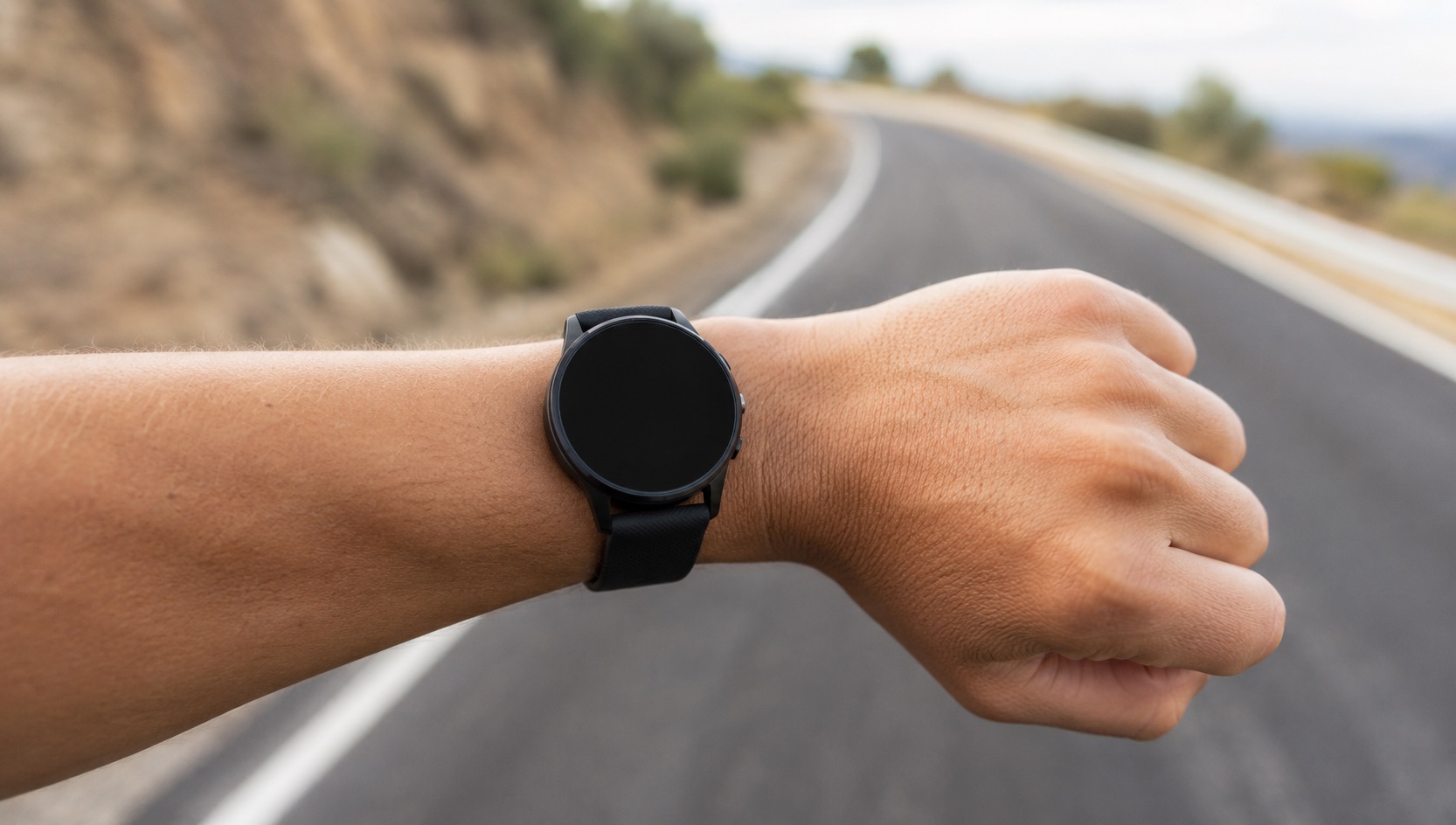
Best GPS Watch for Marathon Training 2026
Training for a marathon is a months-long commitment. You’re logging 50+ mile weeks, nailing interval sessions, managing recovery, and building toward a single race day performance. Your GPS watch isn’t just a gadget - it’s your training partner, coach, and data hub rolled into one.
I’ve researched dozens of watches over the years, and in 2026 the options for marathon runners are better than ever. But not every watch suits every runner. Here’s my honest breakdown of the best GPS watches for marathon training this year - no affiliate links, no fluff, just what actually works on the road.
What Marathon Runners Actually Need in a GPS Watch
Before diving into specific models, let’s talk about what matters when you’re putting in 16–20 weeks of structured training.
Long battery life. Your Sunday long run might be 3+ hours. Your race day could be 4–5 hours. You need a watch that won’t die mid-run, and ideally one that lasts through a full training week without constant charging.
Accurate GPS tracking. Pace and distance accuracy matter for interval work, tempo runs, and race execution. Multi-band GPS has become the standard for a reason - it handles urban canyons, tree cover, and tight turns far better than single-band.
Training load and readiness metrics. Knowing when to push and when to back off prevents injury. The best watches now combine HRV, sleep, and training stress data to give you a daily readiness score.
Recovery tracking. Marathon training breaks you down. Watches that track recovery time, sleep quality, and body battery help you avoid the overtraining trap that derails so many training blocks.
Race predictor. A good race predictor uses your actual training data - VO2max estimates, recent workouts, and running power - to project finish times. It’s not perfect, but it gives you a realistic starting point for pacing strategy.
Structured workout support. You need to be able to load intervals, tempo segments, and race plans directly onto the watch. Alerts for pace, heart rate zones, and lap targets keep you honest during hard sessions.
For a broader look at GPS watches beyond marathon-specific needs, check out my full GPS running watch guide for 2026.
Comparison Table
| Feature | Garmin FR 265 | Garmin FR 965 | COROS Pace 4 | Garmin Fenix 8 | Apple Watch Ultra 3 |
|---|---|---|---|---|---|
| Price | $450 | $600 | $350 | $1,000 | $799 |
| GPS Battery | 20 hrs | 31 hrs | 41 hrs (All Systems High) | 48 hrs | 18 hrs |
| Training Plans | Garmin Coach | Garmin Coach | COROS Training Hub | Garmin Coach | Apple Fitness+ |
| Interval Support | ✅ Full | ✅ Full | ✅ Full | ✅ Full | ⚠️ Basic |
| Race Predictor | ✅ Yes | ✅ Yes | ✅ Yes | ✅ Yes | ❌ No |
| Recovery Metrics | ✅ Full suite | ✅ Full suite | ✅ Good | ✅ Full suite | ⚠️ Limited |
Best For Each Type of Runner
Best Overall: Garmin Forerunner 265
The FR 265 hits the sweet spot. It has everything a marathon runner needs - accurate multi-band GPS, a bright AMOLED display, full structured workout support, and Garmin’s deep training metrics ecosystem. The 20-hour GPS battery comfortably covers any marathon, and the daily training readiness feature (pulling from HRV, sleep, and recent stress) genuinely helps with periodization decisions.
It’s not the cheapest option, but dollar-for-dollar it delivers more marathon-specific value than anything else on the market.
Best Budget: COROS Pace 4
At $350, the COROS Pace 4 is a strong value. COROS rates it for up to 41 hours in All Systems (High) GPS mode, alongside multi-band positioning and the EvoLab training platform. EvoLab provides training load, recovery and race predictions.
The trade-off is a slightly less polished software experience and a smaller third-party app ecosystem. But if you care about running data and value, the Pace 4 is hard to beat. I compared it head-to-head with the FR 265 in my Garmin Forerunner 265 vs COROS Pace 4 review.
Best Premium: Garmin Fenix 8
If budget isn’t a concern and you want the absolute best, the Fenix 8 delivers. The 48-hour GPS battery means you could run an ultra without worry. It has every training metric Garmin offers, plus built-in maps, climb planning, and a titanium build that’ll outlast your running career.
For pure marathon training, the Fenix 8 is overkill - but if you also trail run, hike, or just want a watch that does everything without compromise, it’s the one.
Best for Apple Users: Apple Watch Ultra 3
If you’re deep in the Apple ecosystem and want one watch for running and daily life, the Ultra 3 is the best Apple has ever made for runners. The 18-hour GPS battery is finally adequate for marathon day (though just barely for slower runners). watchOS workout features have improved, and the integration with Apple Health data is seamless.
The limitations are real though: no native race predictor, basic interval support compared to Garmin/COROS, and recovery metrics that don’t go as deep. It’s a great smartwatch that’s a decent running watch - not the other way around.
Pros and Cons: Top 3 Picks
Garmin Forerunner 265
Pros:
- AMOLED display is gorgeous and readable in all conditions
- Morning readiness score based on HRV actually works
- Garmin Coach training plans are solid for first-timers
- Structured workout creation and sync is seamless
- Multi-band GPS accuracy is excellent in cities
Cons:
- 20-hour battery means you’re charging twice a week during peak training
- Garmin Connect app can feel cluttered with data
- No built-in maps (you’d need the 965 for that)
- Music storage is limited compared to dedicated players
COROS Pace 4
Pros:
- Best battery life to price ratio on the market
- Lightweight design (under 37g) - you barely feel it
- Training Hub platform has grown significantly
- Accurate multi-band GPS rivaling Garmin
- Free structured training plans included
Cons:
- Smaller third-party integration ecosystem
- Display isn’t as vibrant as Garmin’s AMOLED
- Fewer smartwatch features (no music storage on base model)
- COROS app less intuitive for first-time users
Garmin Fenix 8
Pros:
- 48-hour GPS battery - charge once a week even during heavy training
- Full topo maps with turn-by-turn navigation
- Every Garmin training metric available
- Built like a tank - titanium bezel, sapphire glass
- Flashlight is genuinely useful for early morning runs
Cons:
- $1,000 price tag is hard to justify for road marathons only
- Heavier than dedicated running watches (under 55g but noticeable)
- Feature bloat - many features you’ll never use for marathon training
- AMOLED version drains battery faster than MIP display option
Pairing Your Watch With a Training Plan
A great watch needs a great training plan to go with it. Whether you’re using Garmin Coach (built into FR 265, 965, and Fenix 8), COROS Training Hub, or a third-party platform, the key is picking a plan that syncs structured workouts directly to your wrist.
I broke down the major training plan platforms in my TrainingPeaks vs Garmin Coach vs Final Surge comparison. The short version: Garmin Coach is great for beginners, TrainingPeaks gives coaches and advanced runners more control, and Final Surge is a solid free option.
Related reading: Garmin vs COROS vs Apple Watch - Which Brand for Runners?
See how we compare products for our full research methodology.
FAQ
How long should a GPS watch battery last for marathon training?
At minimum, you want 8+ hours of GPS battery for race day (covering a 5-hour marathon with warm-up and buffer). For daily training, 20+ hours of GPS gives most runners substantial headroom. If you hate charging, compare the COROS Pace 4’s 41-hour All Systems (High) rating with the exact Fenix 8 case, display and satellite mode you plan to use.
Is multi-band GPS actually worth it for road running?
Yes. Multi-band GPS gives you noticeably better accuracy in cities, near tall buildings, and under tree cover. For track intervals or open roads it matters less, but for most real-world training routes, you’ll get more accurate pace and distance data. All watches in this list support multi-band.
Can I use a Garmin watch with TrainingPeaks or other third-party platforms?
Absolutely. Garmin watches sync with TrainingPeaks, Final Surge, TrainerRoad, and most major platforms. You can push structured workouts from these platforms directly to your watch. COROS also supports TrainingPeaks integration. Apple Watch has more limited third-party workout sync options.
Do I really need a race predictor feature?
It’s helpful but not essential. Race predictors use your VO2max estimate and recent training to project finish times. They’re useful as a sanity check for your pacing strategy - if your watch says 3:45 and you’re targeting 3:15, something needs to change. Just don’t treat them as gospel. They tend to be optimistic for most runners.
Is the Apple Watch Ultra 3 good enough for marathon training?
It depends on your priorities. For pure running features - structured workouts, training load, recovery metrics, race predictions - Garmin and COROS still win clearly. But if you want one watch for everything (notifications, Apple Pay, health tracking, and running), and you’re not obsessed with deep training metrics, the Ultra 3 gets the job done. Just know you’re compromising on the running-specific features that dedicated sports watches offer.
Final Thoughts
For most marathon runners, the Garmin Forerunner 265 is the right call. It balances price, features, and usability better than anything else in 2026. If you want to save money without sacrificing much, the COROS Pace 4 is excellent. And if you want the best of everything and don’t mind the price, the Fenix 8 won’t let you down.
Whatever you choose, the best watch is the one you’ll actually wear every day, charge consistently, and use to guide your training decisions. The data is only useful if you act on it.
Happy training - see you at the start line.