How to Buy Running Shoes for 50% Off (My Strategy)
How to Buy Running Shoes for 50% Off (My Strategy)
I have never paid full price for a running shoe. Not once. My most recent steal: Nike Vaporfly 4 for $130, down from $250. That is 48% off a carbon plated race shoe that normally never sees discounts. And it was not a one-time lucky find. I have a system.
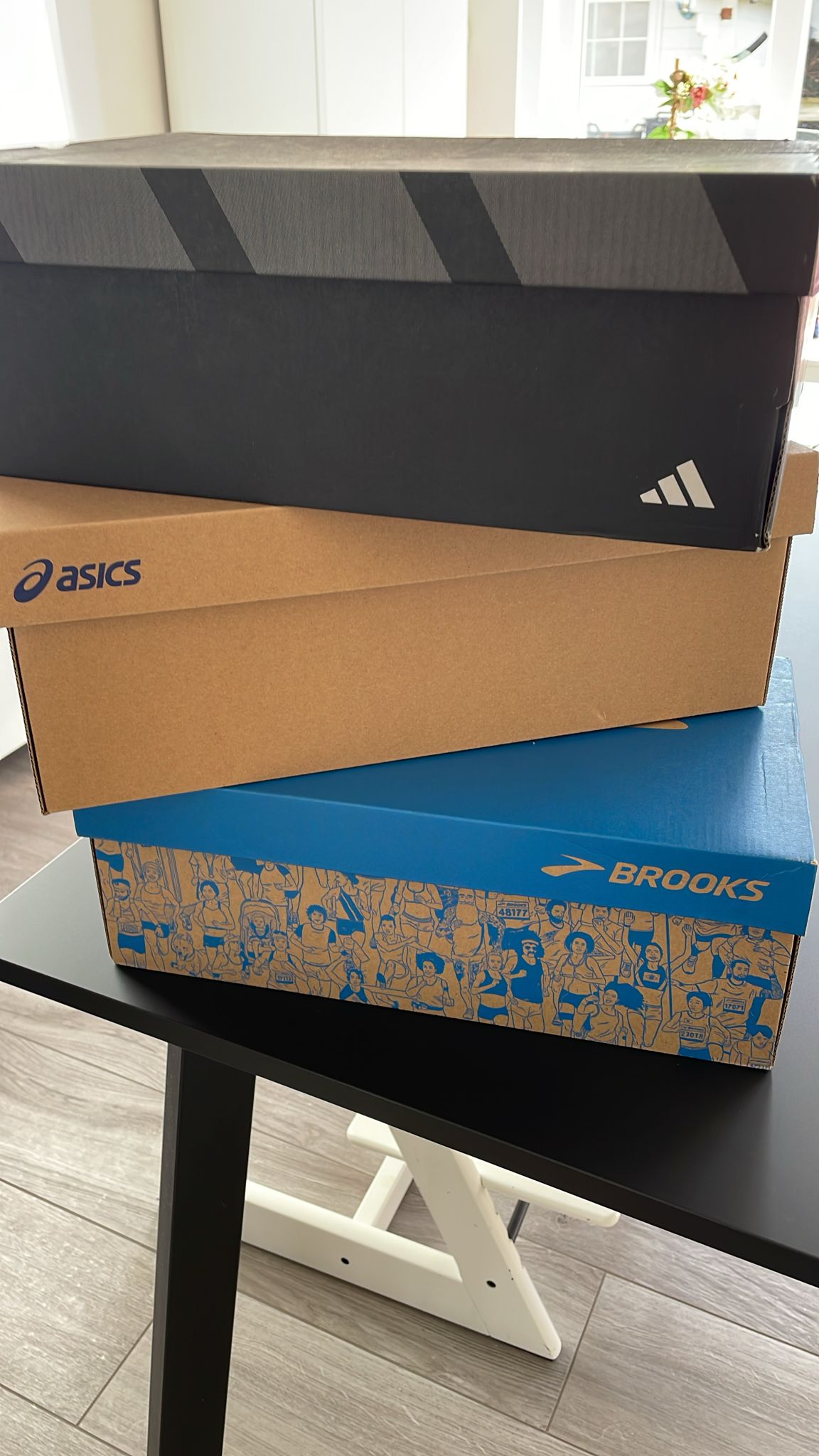
Over the past two years, I have bought every shoe in my rotation at 40-60% off retail. That includes daily trainers, tempo shoes, and race day carbon plates. The total savings across my current shoe rotation is well over $500. Here is exactly how I do it.
The Core Principle: Patience Over Hype
The running shoe industry runs on a 12-month cycle. Every major brand releases new versions annually, which means last year’s model becomes “old” overnight. But here is the thing: a shoe that was excellent in January does not become worse in February just because a new colorway dropped.
I buy previous-generation models almost exclusively. The Endorphin Speed 3 did not stop being a 9/10 shoe when the Speed 4 came out. The foam is identical. The plate is identical. The only difference is usually an updated upper and a new marketing campaign. That “old” shoe hits clearance racks at 40-50% off within weeks of the new version launching.
My Six Strategies (Ranked by Effectiveness)
1. Previous-Generation Models (Biggest Savings)
This is my number one strategy and accounts for about 70% of my shoe purchases. When a brand launches version N+1, version N gets slashed immediately.
Real examples from my collection:
- Saucony Endorphin Speed 3: bought for EUR 85 (was EUR 160)
- Nike Vaporfly 4: bought for $130 (was $250)
- ASICS Novablast 4: bought for EUR 90 (was EUR 145)
- Adidas Boston 12: bought for EUR 75 (was EUR 140)
The trick is knowing release dates. Most major updates happen between January and March. Set a calendar reminder for those months and check clearance sections daily.
2. End-of-Season Sales (November and January)
Black Friday through January is the golden window. Retailers need to clear inventory for spring lines. Combine that with previous-gen clearance and you can stack discounts.
I got my second pair of Speed 3s during a January sale for EUR 72. That is a shoe I rated 9/10 and ran 700+ km in the first pair. Getting a backup at that price was a no-brainer.
3. Outlet Stores (Touch Before You Buy)
I visit outlet stores every 6-8 weeks. Not looking for anything specific, just seeing what shows up. The advantage over online: you can check the actual shoe, try it on, and make sure the size is right. Returns on clearance shoes are often restricted, so getting the fit right matters.
My local outlet had a wall of Adidas shoes at 50% off plus an extra 20% member discount on top. That math works out to 60% off retail. I picked up the Evo SL there, which became my favorite daily trainer.
4. Price Alert Tools
I use Keepa (for Amazon) and manual price tracking through browser extensions. When I identify a shoe I want, I set an alert at my target price and wait. No impulse buying. No “good enough” discounts.
My target is always 40% off minimum. If a shoe does not hit that threshold, I wait longer or look at different retailers. There are dozens of online shops selling running shoes, and prices vary wildly between them on the same model.
5. Running Specialty Store Sales
Dedicated running stores do seasonal clearance too, usually with better selection than general sports retailers. Staff also know which models are about to be replaced, and sometimes they will tip you off about upcoming markdowns if you are a regular.
6. Stacking Discount Codes
Newsletter sign-up codes (usually 10-15%), birthday discounts, loyalty points, cashback apps. None of these are huge individually, but stack a 10% newsletter code on top of a 40% clearance price and you are paying about 45% of retail.
The Vaporfly Story: My Best Deal Ever
Let me walk through exactly how I got the Vaporfly 4 for $130.
Nike released the Vaporfly 4 (Alphafly successor rebrand). A few months later, retailers started discounting remaining stock. I had a price alert set at $140. One Tuesday morning, I got the notification: $130 at an online running retailer.
I knew my size in Nike (half size up from my Adidas). I knew I wanted this shoe for my goal half marathon. I bought it within 10 minutes of the alert. By that afternoon, my size was sold out. Speed matters when deals appear.
The shoe performed exactly as expected on race day. Carbon plate shoes do not lose performance sitting in a box. That $130 shoe gave me the same energy return as a $250 one would have.
What I Never Do
I never buy shoes at launch. The only exception would be if a shoe has limited supply and might sell out permanently. That almost never happens with major brands.
I never pay for shipping. Most retailers offer free shipping over a threshold, or I combine with another purchase.
I never buy without checking my rotation first. If I already have a working tempo shoe with 200km left, I do not need another one just because it is on sale. The deal is only good if you actually need the shoe.
I never buy a shoe I have not researched. A 50% discount on a shoe that does not suit your running style is still wasted money. I check my shoe ratings and community reviews before buying anything.
Building Your Own System
Here is the step-by-step to replicate my approach:
Step 1: Identify what shoes you need. A daily trainer? A tempo shoe? A racer? Be specific.
Step 2: Research models in each category. Read reviews. Check what works for your foot shape, weight, and running style. My guide to shoes under $100 is a good starting point if budget is your primary concern.
Step 3: Find the previous-generation version of your target shoe. If the Speed 5 just came out, look for the Speed 4. If the Novablast 5 launched, find the Novablast 4.
Step 4: Set price alerts on 3-4 retailers for that specific shoe in your size.
Step 5: Wait. This is the hardest part. You will see 20% off and be tempted. Hold. The 40-50% discount will come.
Step 6: When your target price hits, buy immediately. Good deals in popular sizes disappear within hours.
How Much I Actually Save Per Year
I run through about 4-5 pairs of shoes per year across my rotation. If I paid retail for all of them, that would be around $600-700. My actual spend is typically $300-350. That is roughly $300 saved annually by simply being patient and strategic.
Over three years of serious running, that is nearly $1000 in savings. Enough to fund a race entry, a GPS watch, or a year of gels and nutrition.
The Shoes I Would Never Buy on Sale
Race day carbon plates are the one category where I am more careful about age. ZoomX foam in Vaporflys degrades even sitting in a box (Nike recommends using within a year of purchase). So I only buy them on sale when I know I will race in them within 6 months.
For daily trainers and tempo shoes, age does not matter much. EVA and PEBA foams are stable in storage. A shoe sitting in a warehouse for 8 months is functionally identical to a freshly manufactured one.
My Current Watchlist
Right now I am tracking prices on:
- Saucony Endorphin Speed 5 (waiting for the Speed 6 announcement to push prices down)
- Nike Pegasus 42 (will clearance when 43 drops)
- A backup pair of Adidas Evo SL (my current favorite at 400km and I want a second)
Each has a price alert set. Each will eventually hit my target. It always does.
FAQ
How long do running shoes last in storage before the foam degrades?
Most modern foams (EVA, PEBA, TPU) are stable for 2-3 years in storage. The exception is Nike ZoomX, which some runners report feels slightly less responsive after 12+ months unused. For daily trainers, buying a year ahead on clearance is perfectly fine.
Is it worth buying two pairs of the same shoe on sale?
Yes, if it is a shoe you have already tested and love. I bought two pairs of the Endorphin Speed 3 because I knew it was a 9/10 for me. I would not double up on an untested model though, even at 50% off.
Do outlet store running shoes have different quality than retail?
No. Running shoes at outlet stores are the same product, just older stock or excess inventory. They are not factory seconds or defective units (those are clearly marked if they exist). Same foam, same construction, same performance.
What is the best month to buy running shoes on sale?
January and November/Black Friday are the two peak discount periods. But the best individual deals come right after a new model launches (any time of year), when the previous version hits clearance. Spring launches mean March-April clearance, fall launches mean September-October clearance.
Should I buy half a size up when buying shoes on sale without trying them?
If you already know your size in that brand, no need to change. If it is a new brand, check community feedback on sizing (many shoes run small or large). When in doubt, half size up is generally safer for running shoes since your feet swell during runs.