
From Venu SQ to Forerunner 570: Why I Upgraded My Garmin
From Venu SQ to Forerunner 570: Why I Upgraded My Garmin
My Garmin Venu SQ died. The battery simply gave up, just outside the warranty period. Not repairable. That forced a decision: buy another lifestyle watch or invest in something genuinely built for running. I chose the Forerunner 570 at EUR 500. It was a significant purchase. It was also the best training decision I made this year.
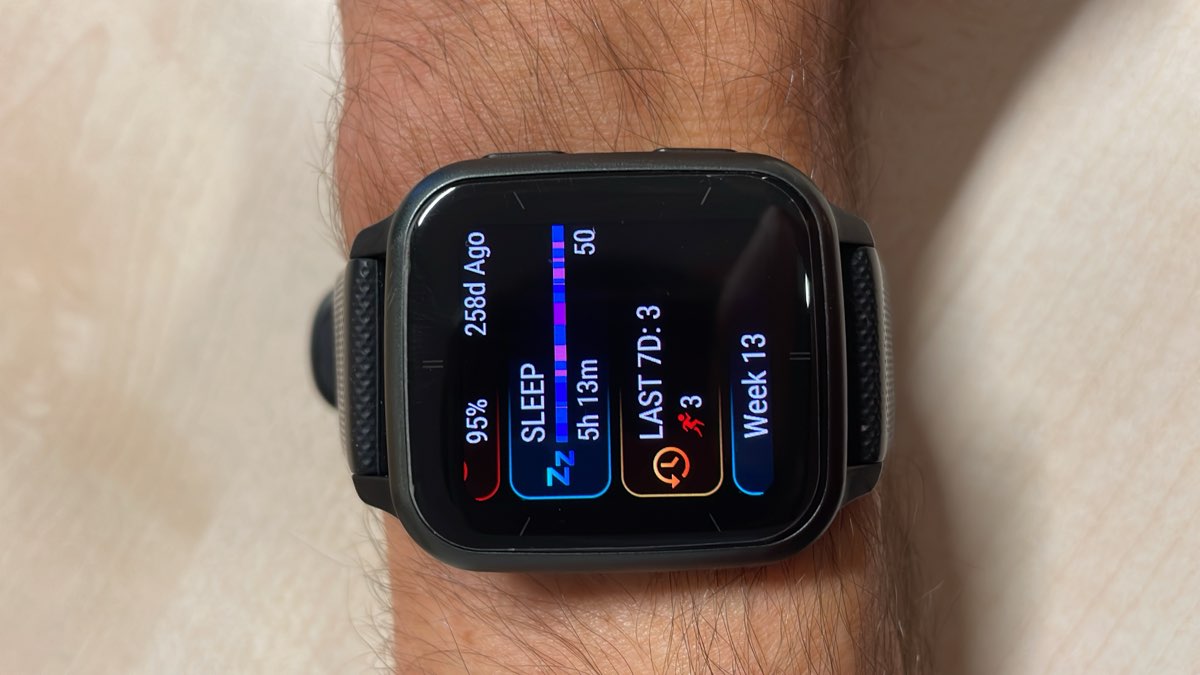
How the Venu SQ Died
The Venu SQ served me well for about two years. It tracked my runs, counted my steps, monitored my sleep, and did what a basic fitness watch should do. Then one day the battery just stopped holding charge. It went from lasting 5 days to lasting 5 hours to lasting 0 hours over the span of a week.
I contacted Garmin support. Just outside warranty. Not economically repairable (battery replacement on a sealed device costs nearly as much as a new unit). The watch was dead. Not handed down to someone else. Not repurposed. Just dead.
I was frustrated at the timing. A few weeks earlier and it would have been a warranty claim. But it also gave me permission to upgrade properly rather than replacing like-for-like.
Why the Forerunner 570
Once I decided to spend real money on a watch, the question became: what do I actually need? I was training for specific race goals. I wanted data that helped me train smarter. The Venu SQ gave me basics. The Forerunner line gives you genuine running intelligence.
The FR570 was the sweet spot in the Forerunner lineup at the time of purchase. It had everything I wanted without the premium price of the 965. For EUR 500, I got:
- Full running dynamics (cadence, ground contact time, vertical oscillation)
- Lactate threshold estimates with guided tests
- HRV monitoring and training readiness scores
- Barometric altimeter (the Venu SQ relied on phone GPS for elevation)
- Running power (wrist-based)
- Multi-band GPS for better accuracy
- 2-week battery life in smartwatch mode, 1 week with daily GPS activities
For my full 12-month review of the FR570, check that dedicated post. This article focuses on the upgrade journey and what changed in my training.
What the Venu SQ Could NOT Do
Looking back, I realize how limited the Venu SQ was for serious run training:
No barometric altimeter: It used GPS-only elevation, which is wildly inaccurate. Hill workouts showed incorrect elevation gain. I could never trust the altitude data for route analysis or vertical training load.
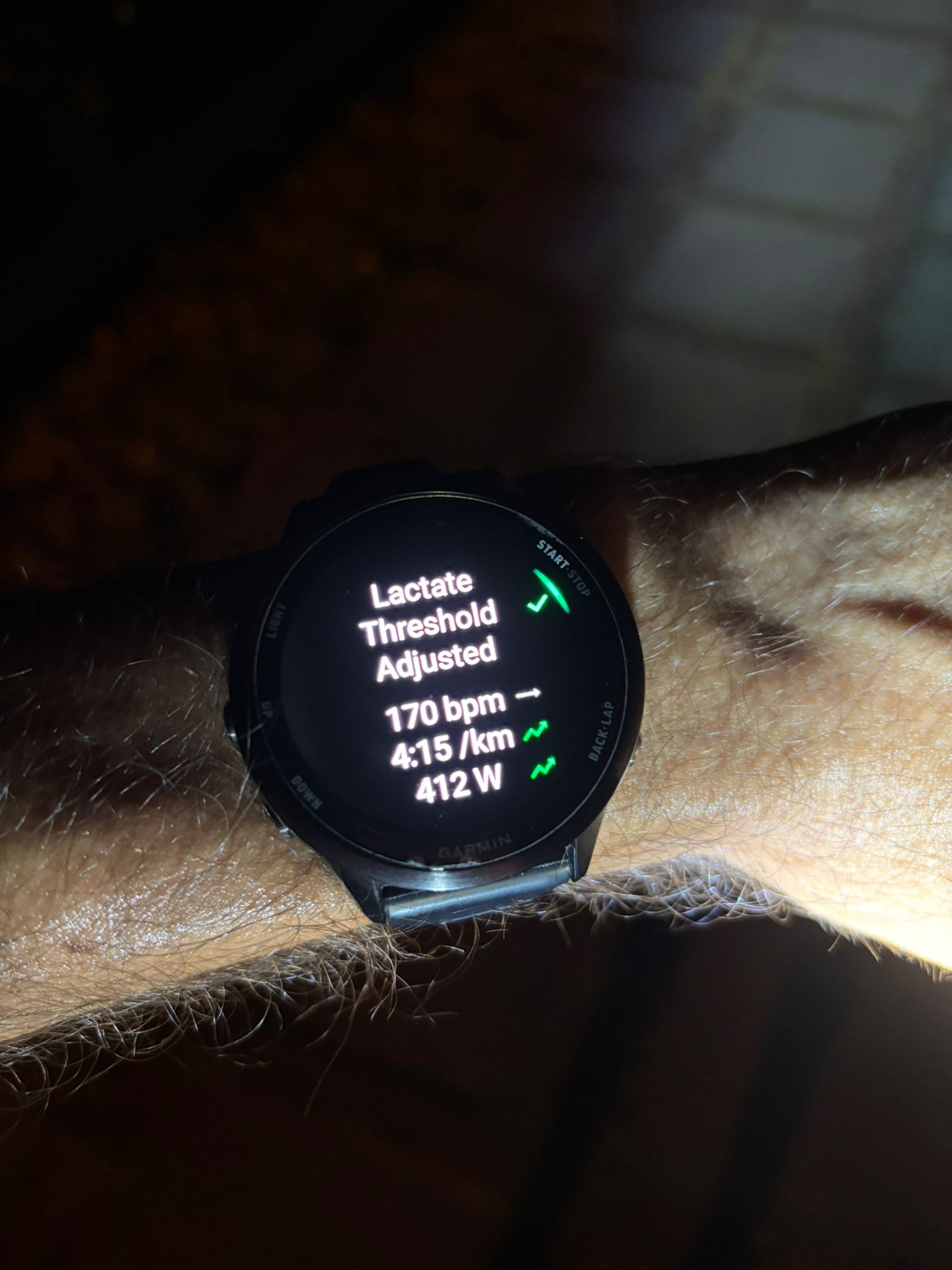
No lactate threshold estimates: This is the single most valuable metric the FR570 gives me. Knowing my threshold is at 170bpm and 4:15/km shapes every training decision. The Venu SQ had no concept of this.
No HRV tracking: Heart rate variability tells you about recovery status and readiness to train. The Venu SQ did not measure it. I was flying blind on recovery decisions.
No running dynamics: Ground contact time, vertical oscillation, and cadence analysis help identify form inefficiencies. The Venu SQ only gave basic pace and HR.
Worse battery life: Even when healthy, the Venu SQ lasted about 5 days with basic activity tracking. The FR570 goes 2 weeks in smartwatch mode and easily handles a full week of daily GPS runs.
Less accurate GPS: The Venu SQ used single-band GPS. The FR570 uses multi-band GNSS. The difference in track accuracy is immediately visible on routes with tree cover or buildings.
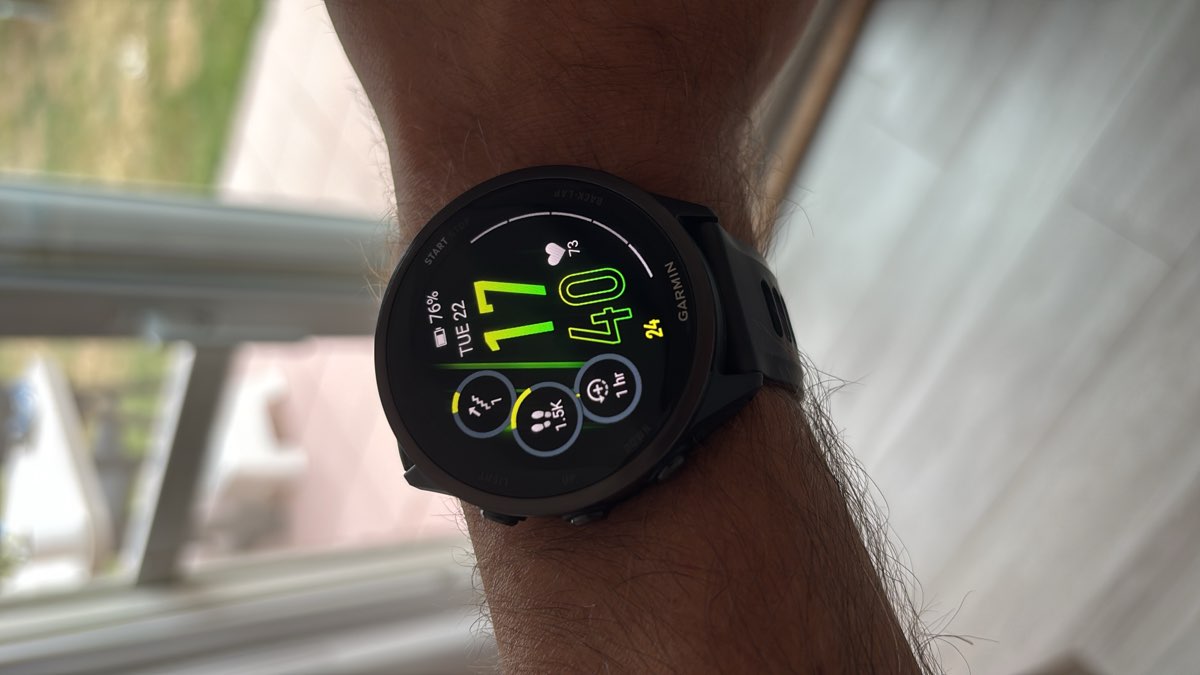
What Actually Changed in My Training
The upgrade was not just about having a nicer device on my wrist. It changed how I train:
1. Lactate threshold awareness: Seeing my threshold pace and HR lets me structure tempo sessions precisely. Instead of running “hard-ish,” I now run at specific percentages of my threshold. This makes training more targeted and efficient.
2. Recovery decisions based on data: HRV and training readiness scores tell me when to push and when to back off. In 2025, I either trained too hard on tired days or skipped sessions unnecessarily because I could not tell the difference between fatigue and unfitness. The FR570 helps me make better daily decisions.
3. Altitude training metric: With a barometric altimeter, I can now accurately track vertical gain. This matters for route selection and understanding why certain runs felt harder (elevation I was not accounting for before).
4. Training status tracking: The FR570 shows whether my training load is productive, maintaining, or detraining. This keeps me in the optimal zone rather than accidentally over- or under-training.
5. Race prediction with context: The race predictor on the FR570 uses all available data (VO2 max, LT, training history, HRV) to estimate race times. It is currently predicting sub-40 10K, which gives me confidence in my goal.
The EUR 500 Question: Was It Worth It?
Absolutely. Without hesitation. The FR570 at EUR 500 was worth every euro. I use it every single day. Every training session is more informed because of it. The lactate threshold data alone has been worth the investment in terms of training quality.
I view it as a multi-year investment. If it lasts 3 to 4 years (and Garmin watches historically do), that is EUR 125 to 167 per year for something I use 365 days a year. Less than a gym membership. Less than a decent pair of running shoes. And arguably more impactful on training quality than either.
For how the FR570 pricing compares to other Forerunner models, check my Garmin Forerunner pricing comparison.
What I Do NOT Miss About the Venu SQ
Nothing. Literally nothing. The FR570 is a complete upgrade on all parts. It does everything the Venu SQ did, better, while adding an entire layer of running-specific intelligence that the Venu SQ never had.
The Venu SQ had a slightly more “lifestyle” design (square, touchscreen-focused), but I prefer the round FR570 design anyway. It looks like a proper sports watch. For running, that is exactly what I want.
The only scenario where I might miss the Venu SQ is if I cared primarily about aesthetics for non-running daily wear. But I wear my FR570 all day every day and it looks fine. It is not a luxury watch, but it is not ugly either.
My Wife’s Garmin: The Venu 3S Perspective
My wife wears a Garmin Venu 3S and is happy with it for general fitness and lifestyle tracking. But she sometimes mentions wishing she had Forerunner-level running data. The Venu line does basics well (steps, sleep, general activity) but lacks the deep running metrics that become addictive once you have experienced them.
If she ever upgrades, she will probably go Forerunner. The Venu 3S is a great lifestyle watch. But if you run regularly and want data to drive training decisions, the Forerunner line is simply built for that purpose in a way the Venu line is not.
Lessons From the Upgrade
1. Battery death is not if but when. Sealed batteries have limited lifespans. Plan for replacement after 2 to 3 years. Budget accordingly.
2. Buy for your actual use case. I bought the Venu SQ as a “first GPS watch” without knowing what I needed. Now that I know I am a serious runner who uses data to train, the Forerunner makes perfect sense. Match the tool to the activity.
3. Running-specific watches earn their premium. The EUR 200 price difference between a basic fitness watch and a proper running watch is easily justified by the training intelligence you get. Lactate threshold, HRV, running dynamics: these are not gimmicks. They are genuinely useful.
4. Do not repair; upgrade when the time is right. Spending EUR 150 to repair a limited watch makes less sense than spending EUR 500 for a massive capability upgrade. Sometimes the death of old gear is the push you need.
For how my watch data contributed to my overall fitness improvement, check my VO2 max journey and what changed. And for the current best options in GPS running watches, see my 2026 running watch guide.
The Bottom Line
The Venu SQ dying was frustrating but ultimately led to the best gear upgrade of my running career. The Forerunner 570 gives me data that makes me a smarter, more efficient runner. EUR 500 well spent. If you are serious about running and still using a basic fitness watch, consider whether the upgrade would pay for itself in better training decisions. For me, it already has.
FAQ
Is the Garmin Forerunner 570 worth EUR 500?
For a serious runner who trains 4 to 6 times per week and uses data to guide decisions, absolutely yes. The lactate threshold tracking, HRV monitoring, running dynamics, and accurate GPS provide genuine training intelligence that basic watches cannot match. If you run casually 2 to 3 times per week, a cheaper option might suffice.
How long do Garmin watch batteries last before dying?
My Venu SQ battery died after approximately 2 years of daily use. This seems to be common for sealed GPS watches with daily activity tracking. Battery lifespan varies by usage patterns, but 2 to 3 years before noticeable degradation is typical. The FR570 has better battery chemistry and efficiency, so I expect longer life.
What is the biggest difference between Garmin Venu and Forerunner?
The Forerunner line is built specifically for runners with deep running metrics (lactate threshold, running dynamics, training status, race predictions). The Venu line is a lifestyle-focused smartwatch that happens to track running at a basic level. If running is your primary sport, Forerunner is the right choice. If you want a general fitness and lifestyle watch, Venu works fine.
Can you use Forerunner 570 as a daily smartwatch?
Yes. I wear mine 24/7. It tracks sleep, steps, stress, and notifications. It has a clean always-on display. Battery lasts 2 weeks in smartwatch mode. It does everything a daily watch should do while also being a powerful running computer when you need it.
Should I get the Forerunner 570 or 965?
The 965 adds AMOLED display, maps, and slightly more advanced training features. If you need on-wrist maps for trail running or prefer the premium display, go 965. If you primarily run on roads with known routes and want the best value in running intelligence, the 570 gives you 90% of the capability at a significantly lower price. I chose the 570 and have no regrets.